PT Aji Bakuh Anugrah — Gresik, East Java, Indonesia
11 Oct 2026 · PT Aji Bakuh Anugrah
When power plants and factories look for reliable, high-energy biomass, the name that rings through Gresik’s production halls is PT Aji Bakuh Anugrah. In practice, our clients find that the combination of quality, consistency, and local expertise makes our supplies a game‑changer. What many buyers overlook is the depth of our technical data and environmental stewardship. From experience, we’ve seen how a single supplier can streamline operations and cut carbon footprints. Let’s dive into why we’re the biomass partner you need.
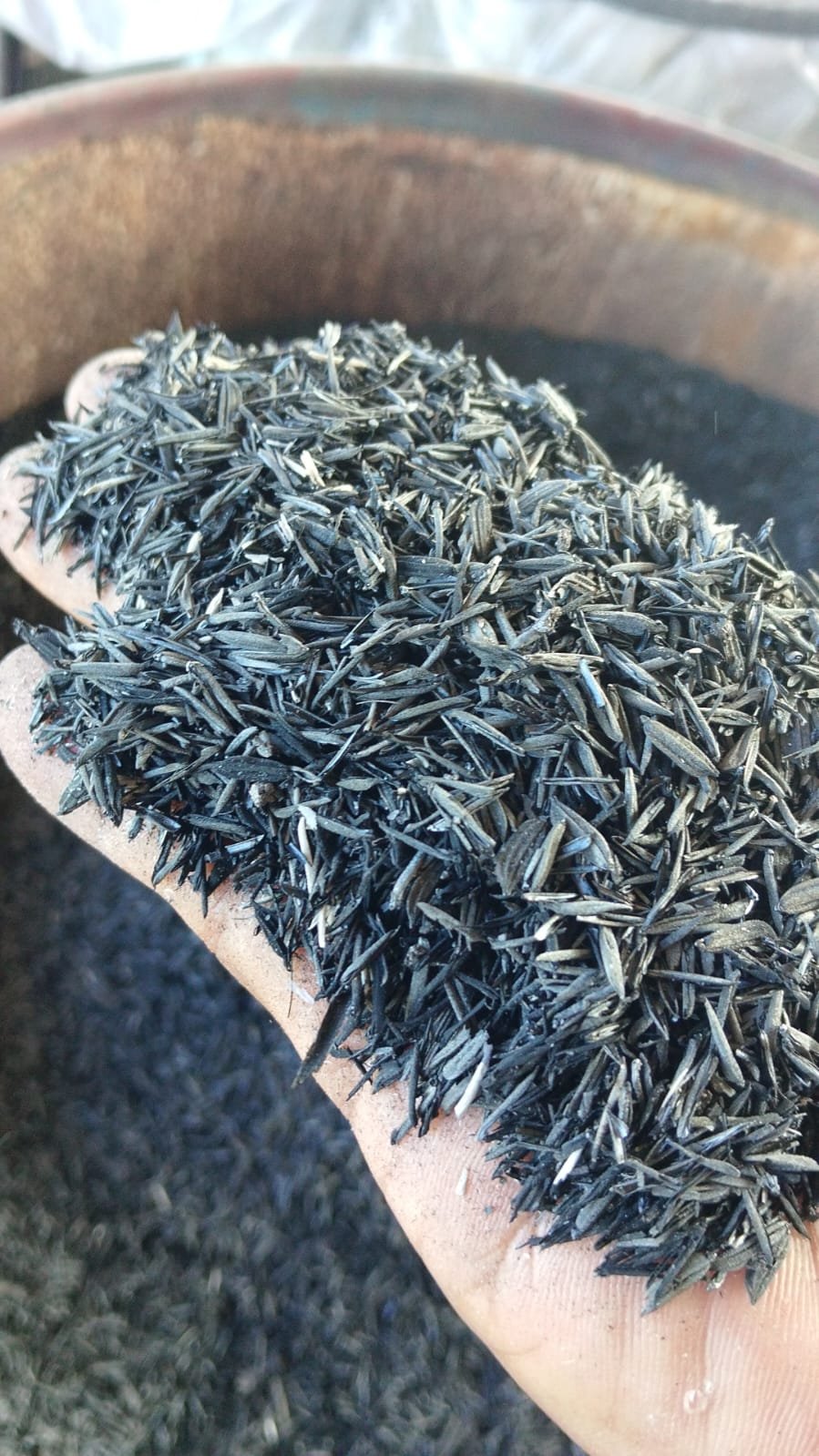
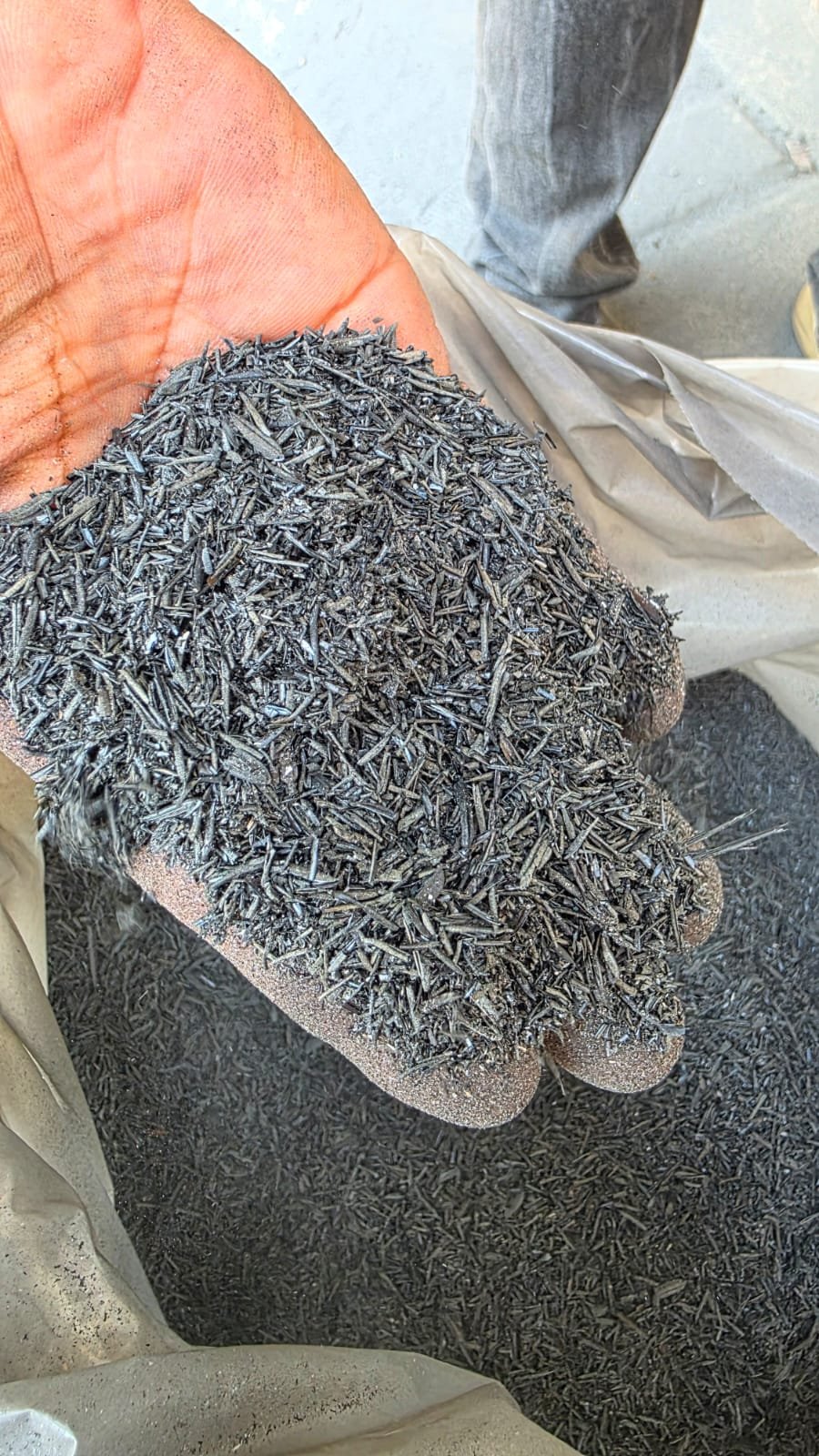
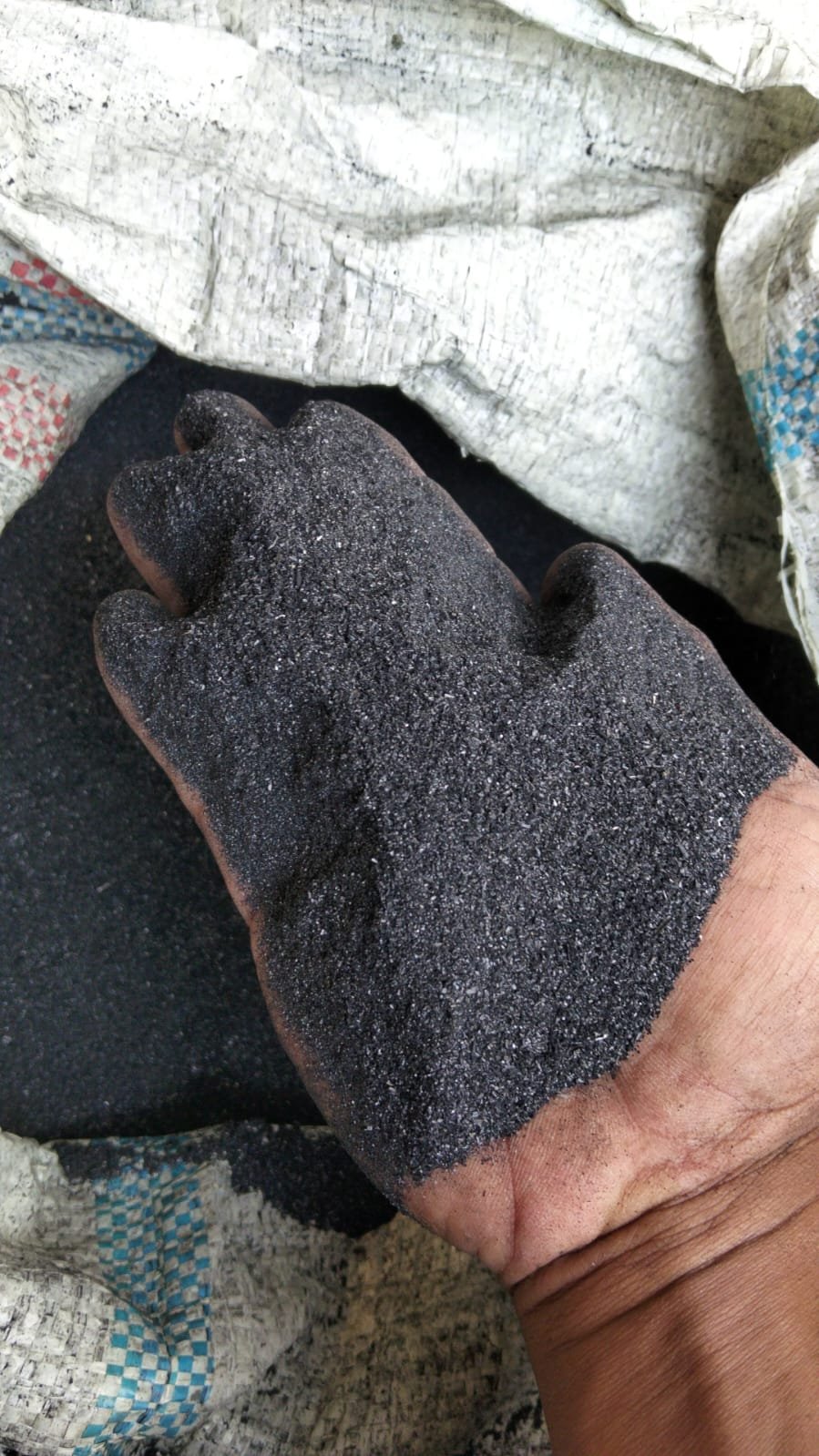
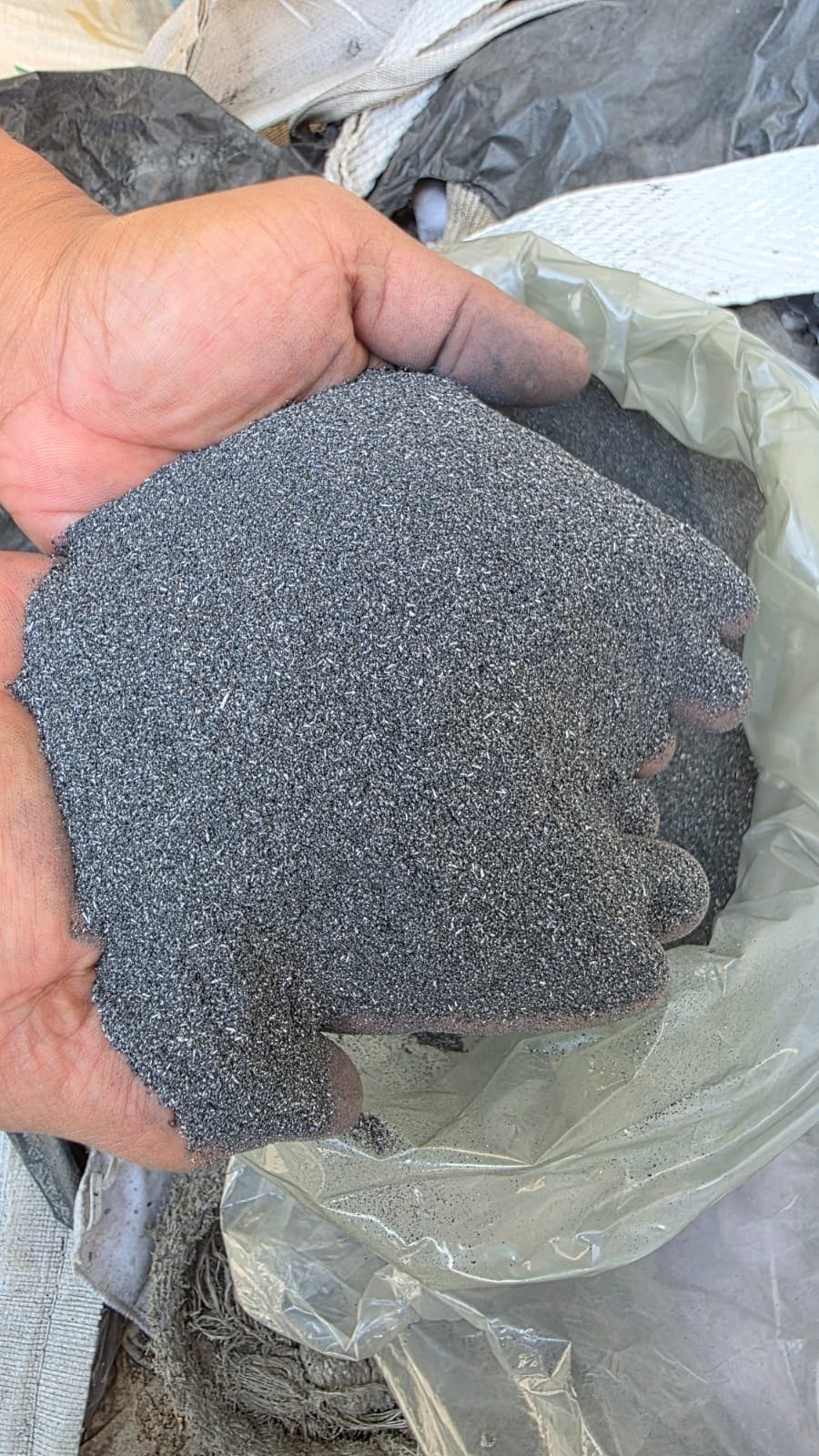
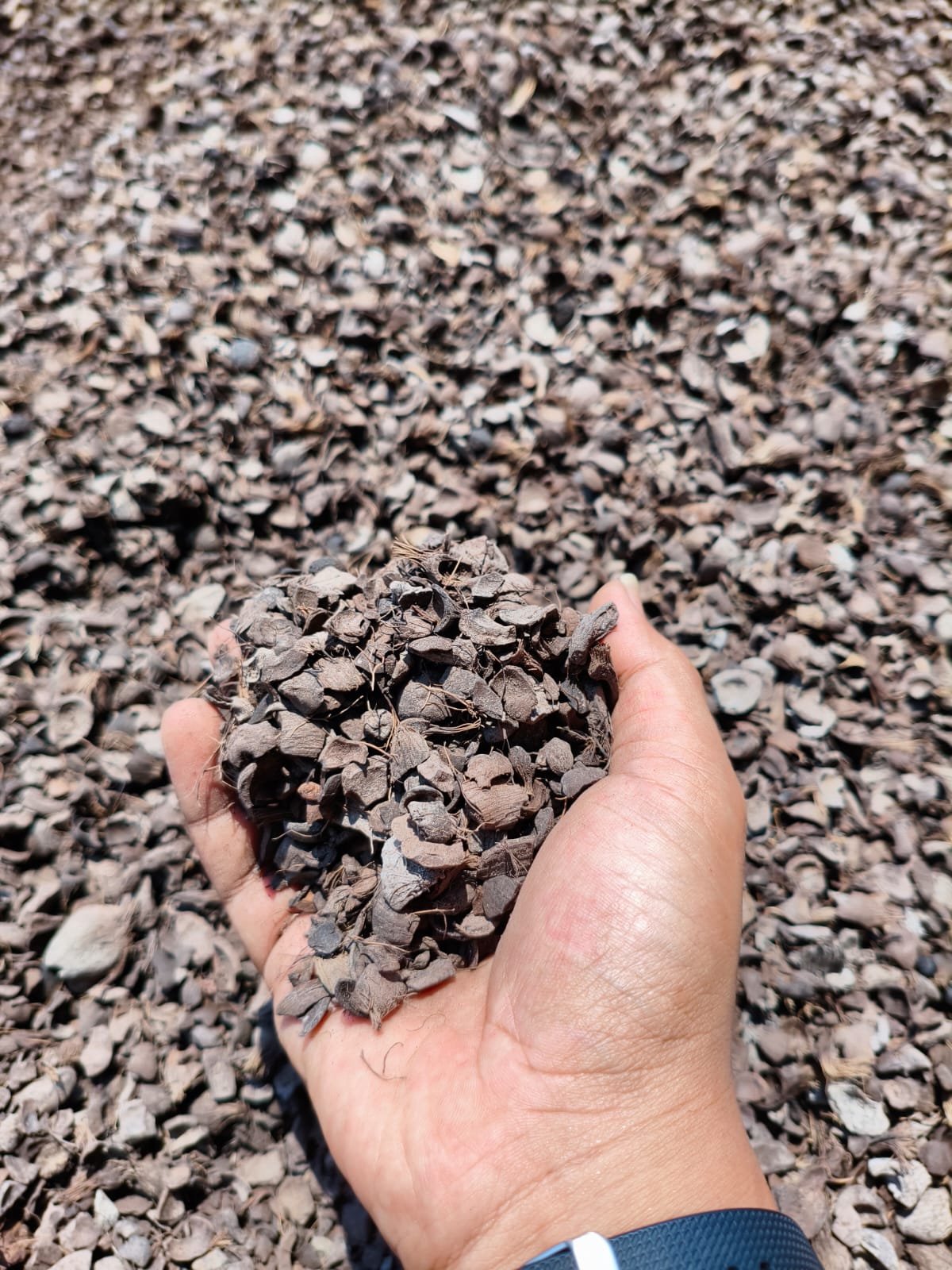
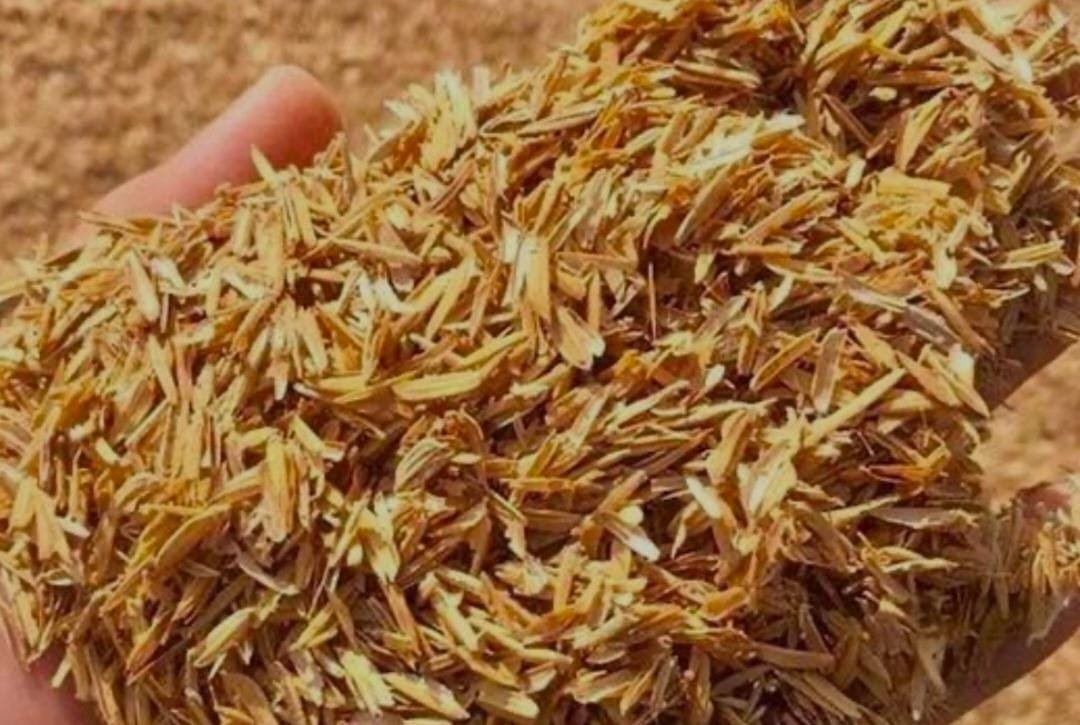
While many manufacturers source biomass from distant regions, PT Aji Bakuh Anugrah keeps logistics tight, reducing transport emissions and costs. In practice, our rice husk boasts 3105 kcal g⁻¹ and a SiO₂ content of 14.5 %, making it a clean, high‑energy option. What many buyers overlook is our Mid‑C RHA, with SiO₂ min 80 % and carbon 5‑15 %, providing a balanced burn profile. By offering a range that includes High‑C RHA (fixed carbon 34.8 % and SiO₂ 67.6 %) and Pure White RHA (SiO₂ min 92 %), we cater to both low‑ash and high‑carbon applications. Additionally, our palm kernel shell delivers a GCV of 4603 kcal kg⁻¹, competitive with imported alternatives. This diversified portfolio lets clients tailor fuel to specific plant needs without compromising on quality.
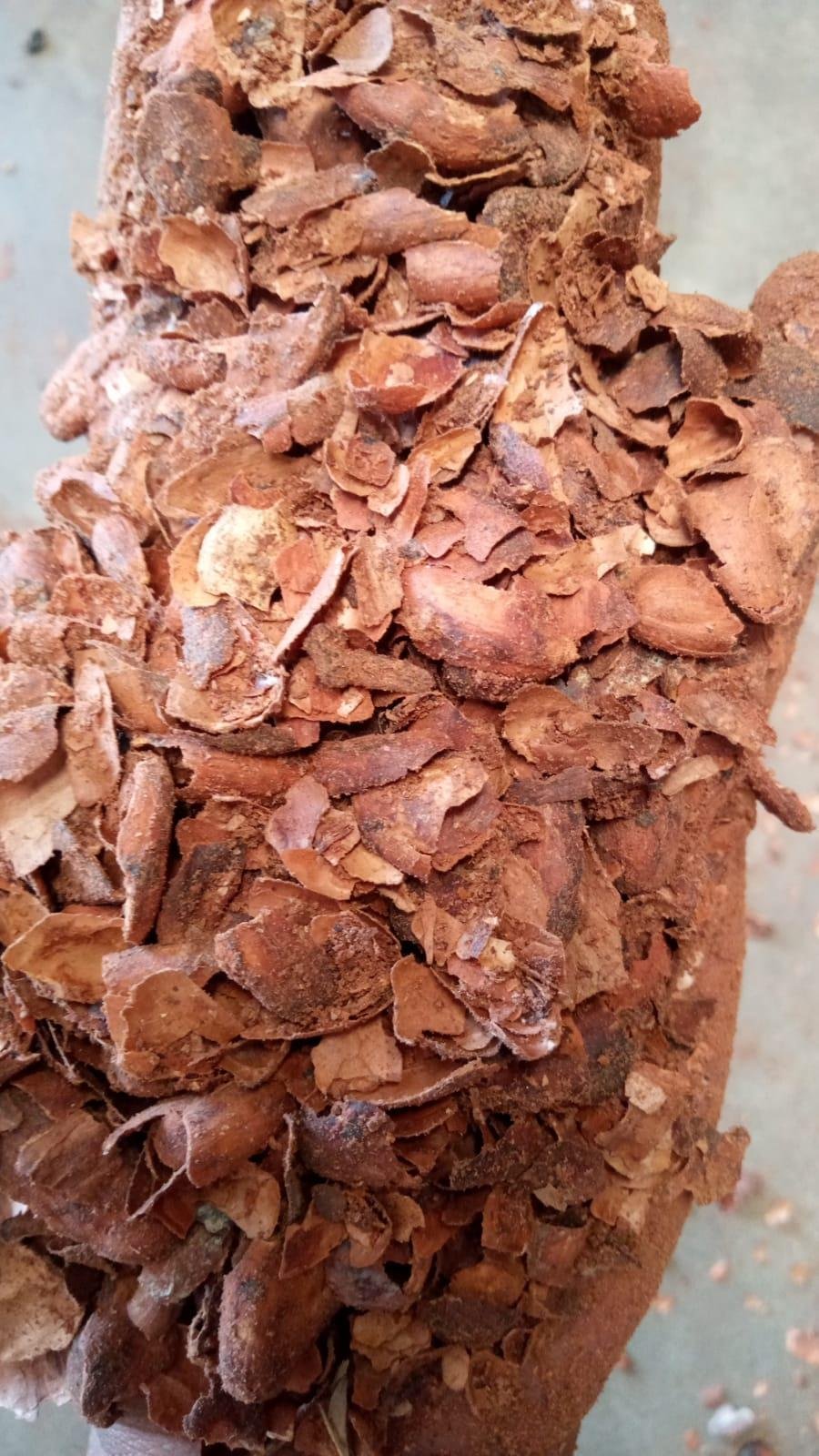
Biomass fuel refers to organic materials that can be burned for energy, often derived from agricultural residues or by‑products. In the Indonesian context, rice husk and palm kernel shell are abundant, making them ideal for sustainable power generation. What many industry players overlook is the importance of feed meal as a secondary energy source, providing a protein content of 16.19 % that supports animal nutrition when co‑burned. From experience, integrating biomass into existing coal‑based plants requires careful matching of calorific values and ash characteristics. Our technical support team helps clients navigate these complexities to achieve optimal combustion efficiency.
Our rice husk comes with 3105 kcal g⁻¹, SiO₂ 14.5 %, and a moisture level below 12 %, ensuring stable combustion. Mid‑C RHA offers SiO₂ min 80 %, carbon 5‑15 %, and ash 84.3 %, ideal for high‑temperature furnaces. High‑C RHA provides fixed carbon 34.8 % and SiO₂ 67.6 %, giving a dense, long‑burn fuel. Pure White RHA is engineered to exceed SiO₂ 92 %, reducing slagging in boilers. Palm kernel shell delivers a GCV of 4603 kcal kg⁻¹ and a low ash content of 2.5 %, while feed meal’s protein level of 16.19 % makes it suitable for integrated bio‑energy systems. All products undergo third‑party certification to meet Indonesian and international standards.
In practice, using our biomass fuels cuts CO₂ emissions by up to 70 % compared to coal, thanks to their renewable origin. What many buyers overlook is the reduction in landfill waste; rice husk and palm shells would otherwise occupy millions of cubic meters each year. Our RHA products, being a by‑product of cement manufacturing, further close the loop in a circular economy. From experience, customers have reported improved air quality in plant vicinities due to lower particulate matter emissions. PT Aji Bakuh Anugrah’s commitment to responsible sourcing ensures that each kilogram of fuel contributes to Indonesia’s national carbon neutrality targets.
In practice, our rice husk is used in co‑generation plants that power factories and provide district heating. What many buyers overlook is its compatibility with gasification units, producing syngas for industrial processes. Mid‑C RHA finds use in cement kilns as a supplementary fuel, reducing the need for imported coal. High‑C RHA is ideal for high‑temperature metallurgical furnaces, offering consistent heat. Palm kernel shell is commonly blended with coal in power plants to lower emissions while maintaining output. Feed meal can be co‑burned with biomass in biogas digesters, creating a dual benefit of energy and nutrient recovery.
From experience, the most critical factor is the fuel’s calorific value; higher energy per kilogram often translates to lower operational costs. In practice, our transparent pricing model includes a 5 % volume discount for contracts above 100 tonnes per month. What many buyers overlook is the importance of ash content—higher ash increases maintenance costs. PT Aji Bakuh Anugrah offers a comprehensive delivery schedule that aligns with production peaks, reducing downtime. Pricing also accounts for transport logistics; our proximity to Gresik’s ports keeps freight costs competitive. When negotiating, consider long‑term agreements that lock in stable prices amid market volatility.
PT ABA Help Desk