PT Aji Bakuh Anugrah — Gresik, East Java, Indonesia
20 Oct 2026 · PT Aji Bakuh Anugrah
When looking for a reliable biomass fuel supplier, you often focus on price alone. In reality, the quality of the feedstock and its consistency over time are far more critical. PT Aji Bakuh Anugrah, located in Gresik, East Java, offers a full range of high‑grade biomass fuels tailored to industrial needs. Their local sourcing reduces transport emissions while ensuring a steady supply. The company’s proven track record makes it a top choice for manufacturers seeking both performance and sustainability.
When scouting biomass fuel suppliers, price is only the tip of the iceberg. In practice, you must assess delivery logistics, consistency of feedstock quality, and the supplier’s ability to meet long‑term contracts. What many buyers overlook is the impact of ash content on boiler fouling and maintenance costs. From experience, suppliers that provide detailed spec sheets—including SiO2 and carbon percentages—are more reliable. Additionally, factor in the energy content (GCV) when comparing products like rice husk or palm kernel shell. A transparent pricing model that ties cost to quality metrics will save you money over the life cycle.
Biomass fuel refers to organic matter that can be combusted to generate heat or electricity. In practice, it encompasses everything from agricultural residues like rice husk to industrial by‑products such as recycled high‑carbon RHA. What many buyers overlook is the wide variation in calorific values—rice husk offers 3105 kcal/g, while palm kernel shell tops 4603 kcal/kg. From experience, the mineral load, especially SiO2, dictates slagging potential in boilers. Understanding these fundamentals helps you match the right fuel to your equipment. It also informs the environmental footprint of your energy production.
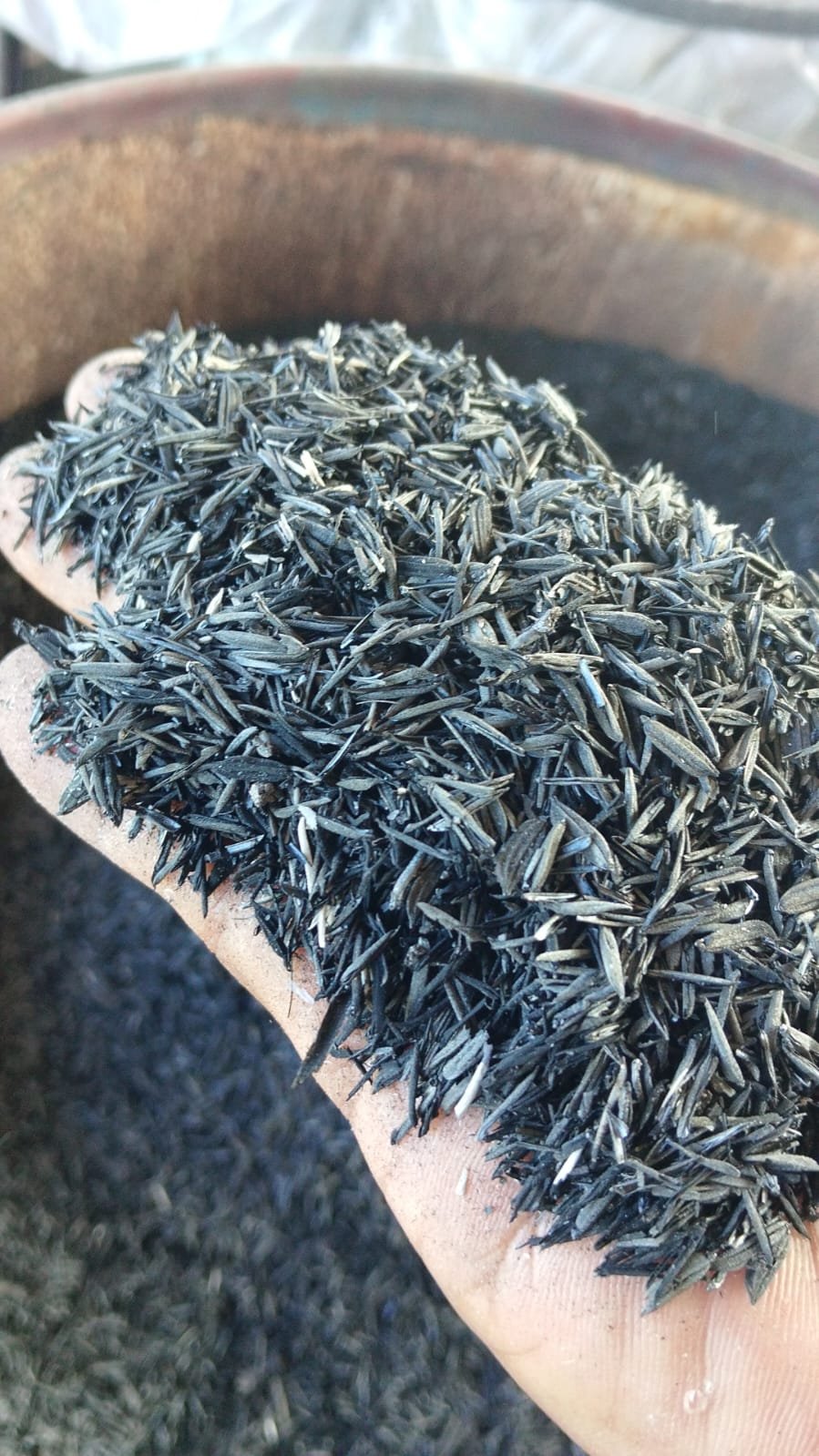
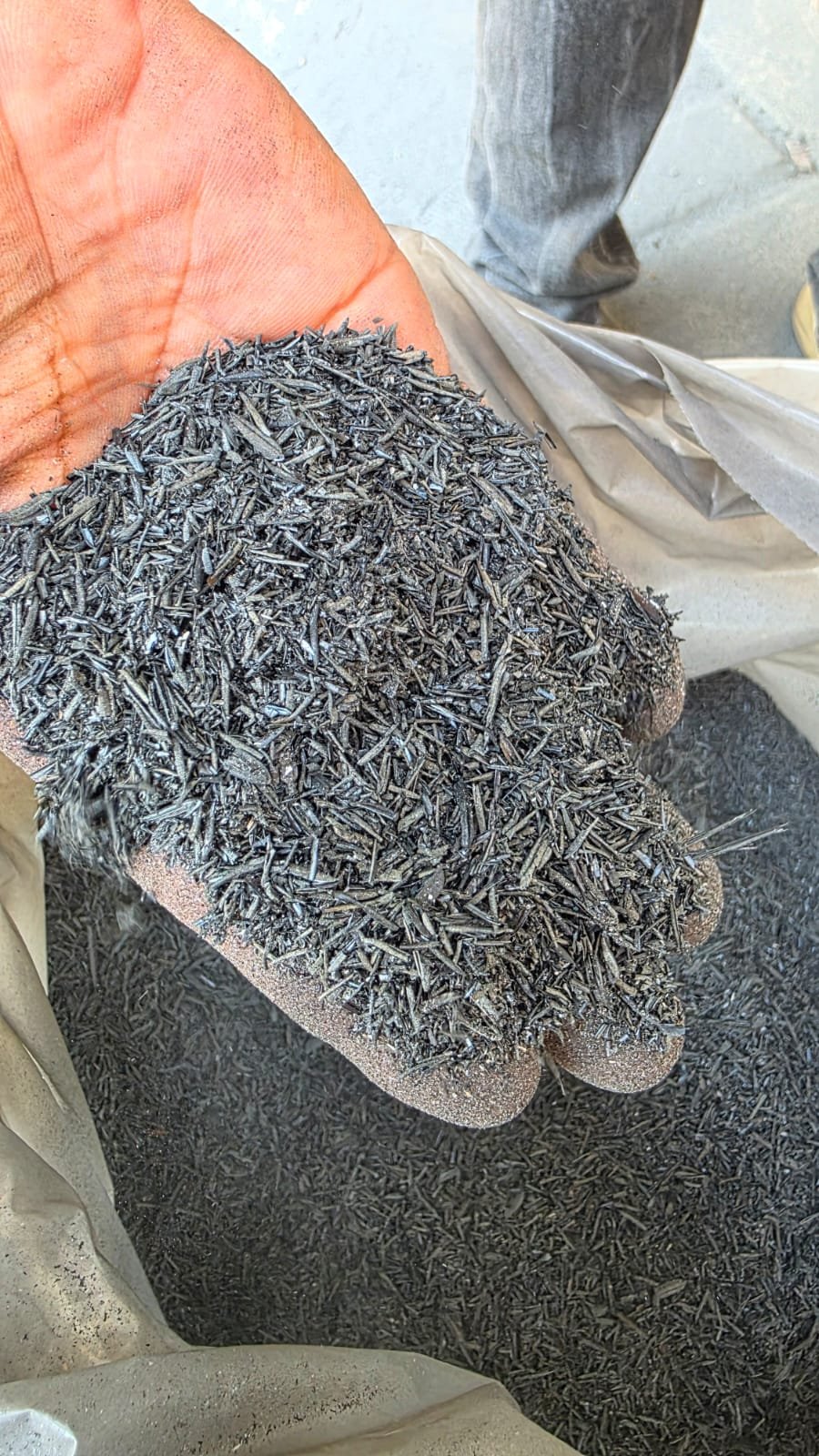
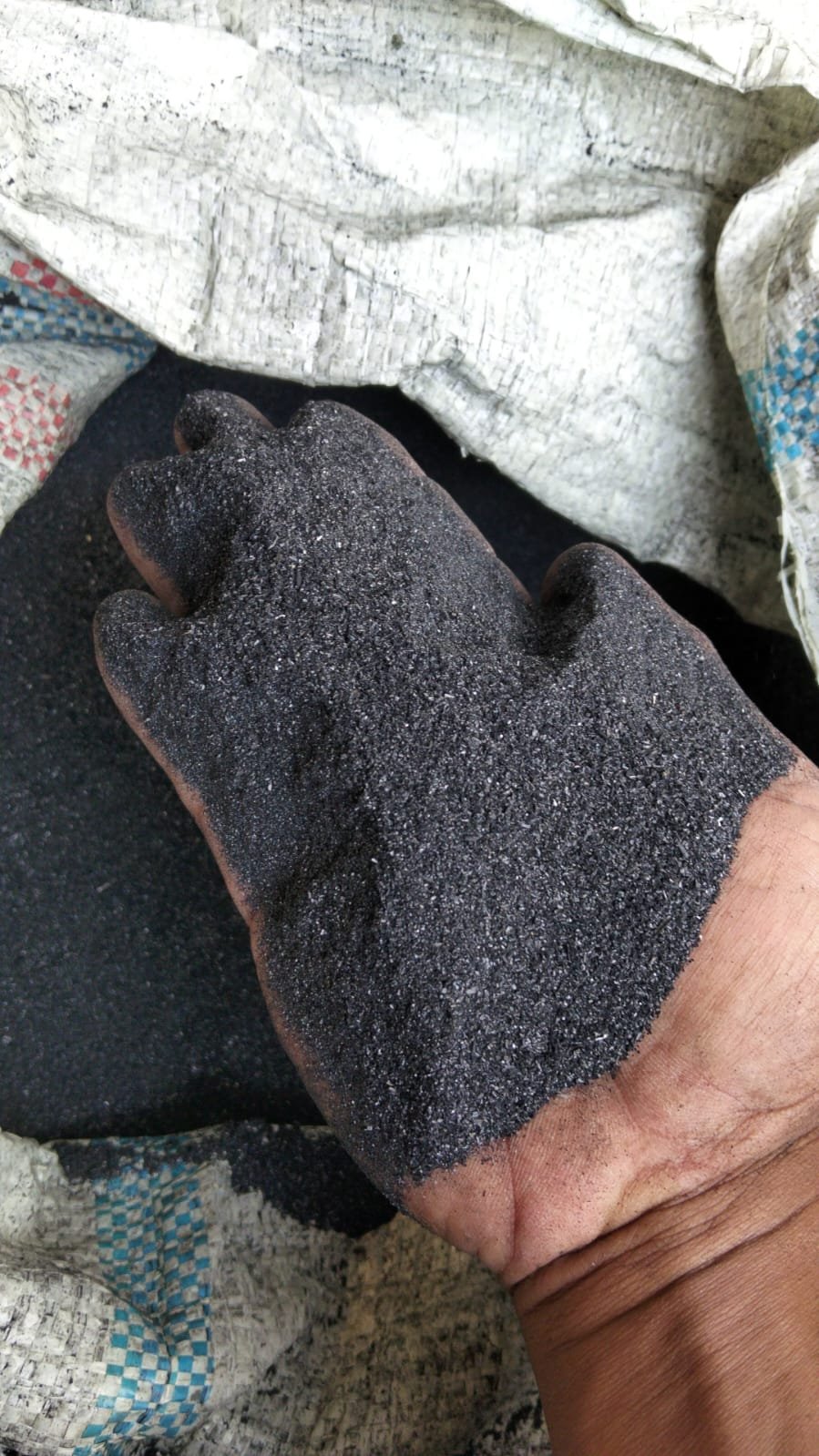
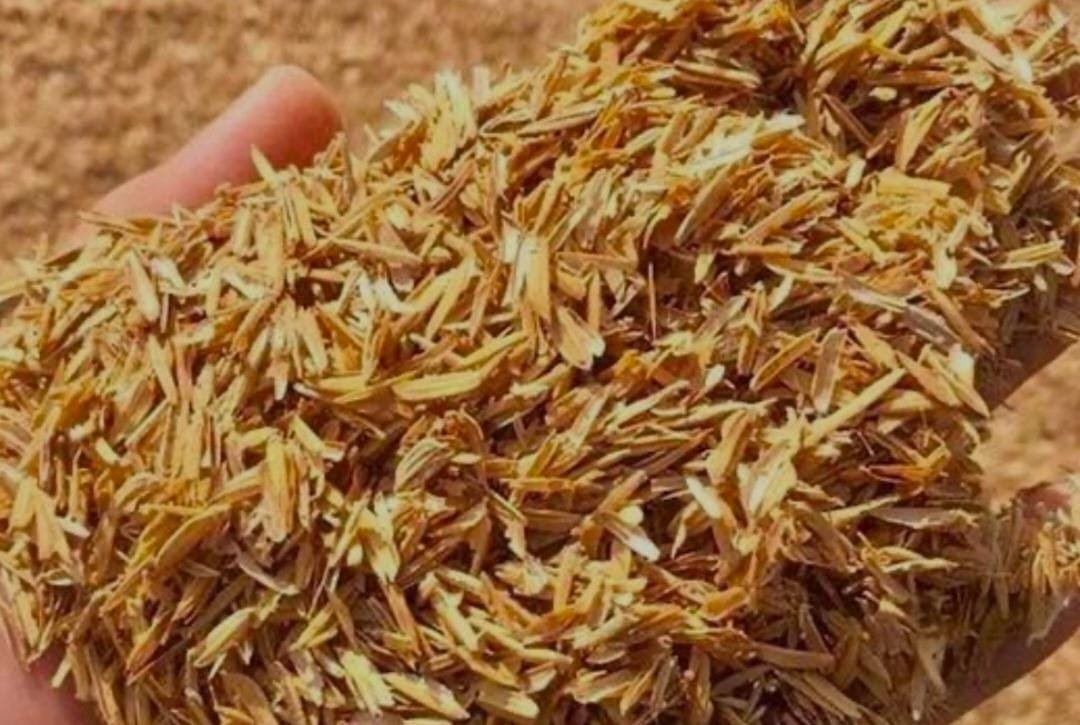
PT Aji Bakuh Anugrah is located in Gresik, East Java, giving them direct access to Indonesia’s largest rice and palm oil plantations. In practice, they source rice husk natural with 3105 kcal/g and a low SiO2 of 14.5%, ensuring minimal ash buildup. What many buyers overlook is their dual‑process RHA offerings: Mid‑C RHA with SiO2 ≥80% and carbon 5‑15%, and High‑C RHA featuring 34.8% fixed carbon and 67.6% SiO2. From experience, their quality audits guarantee each batch meets the specified ash and carbon metrics. They also provide feed meal rich in protein (16.19 %) for co‑generation projects. This combination of supply chain control and technical transparency sets PT Aji apart.
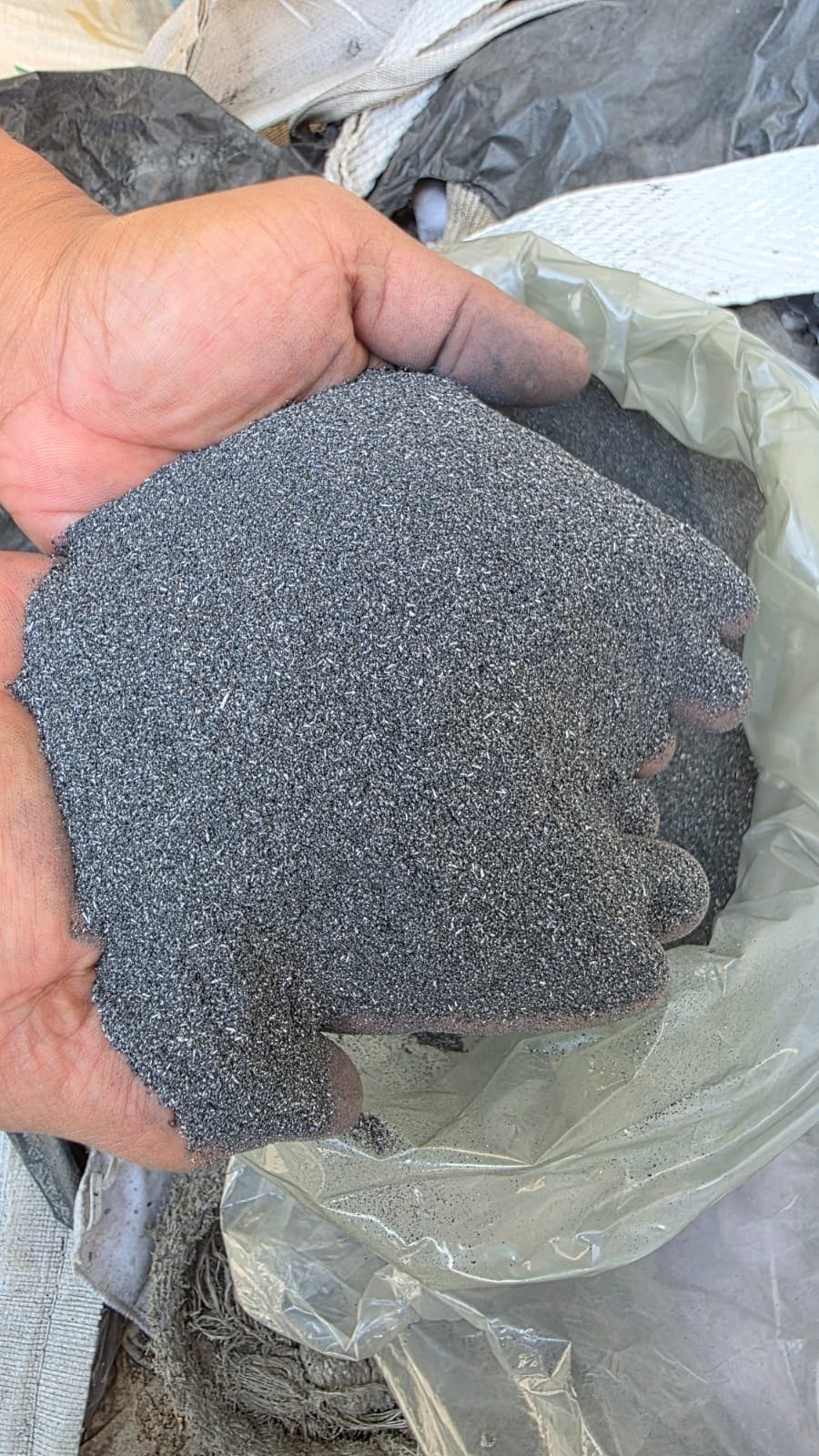
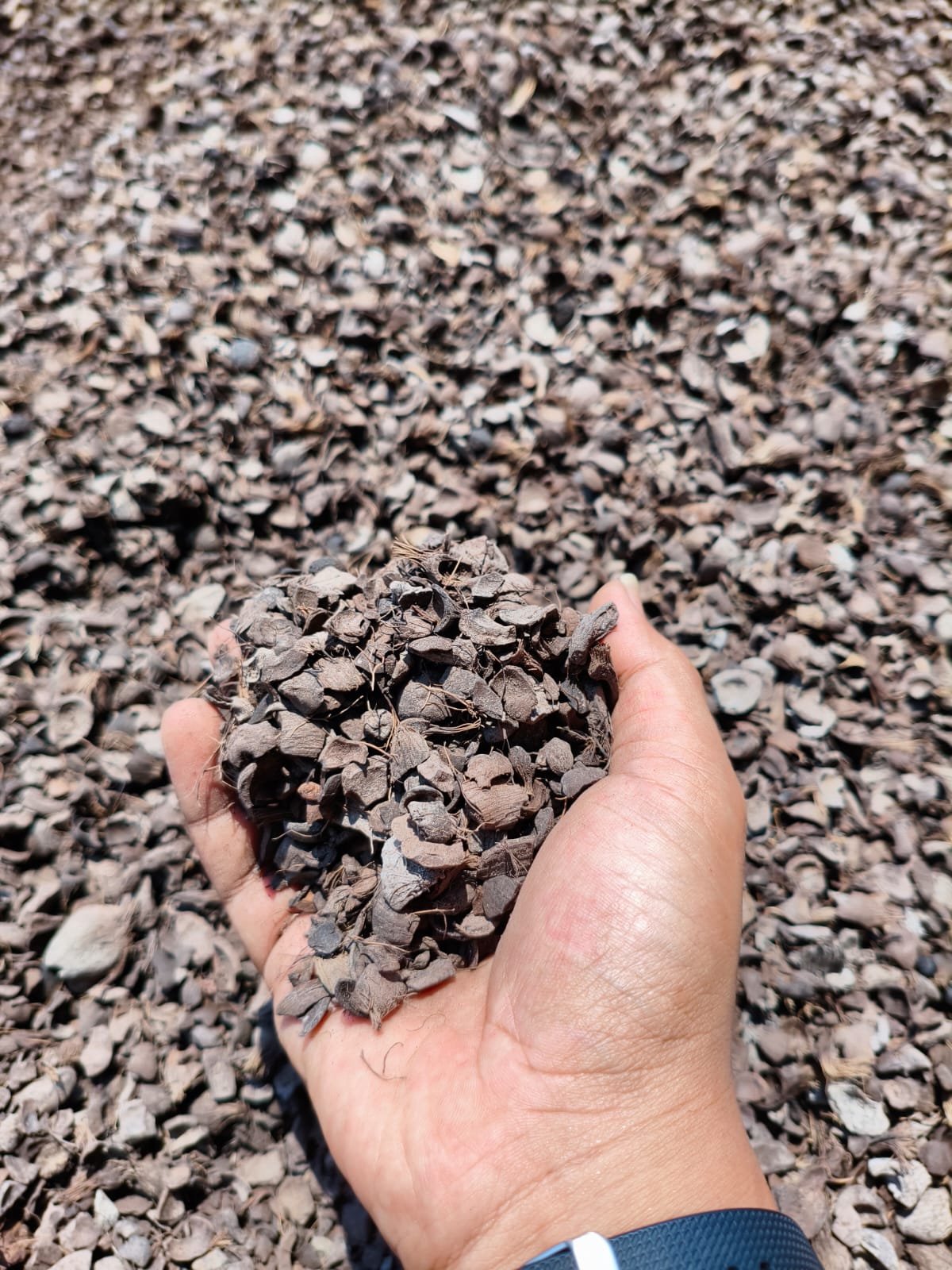
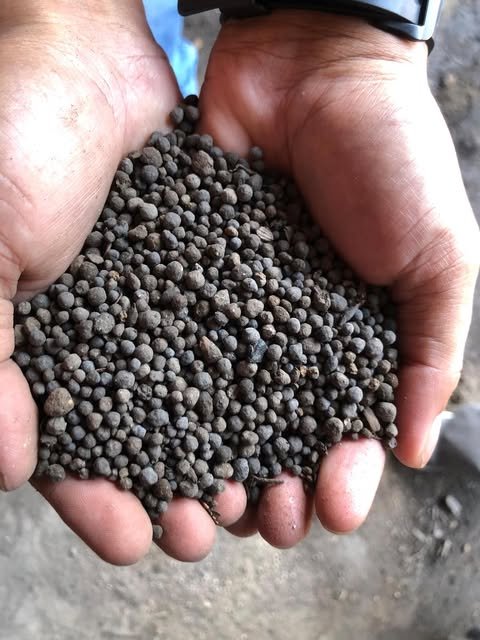
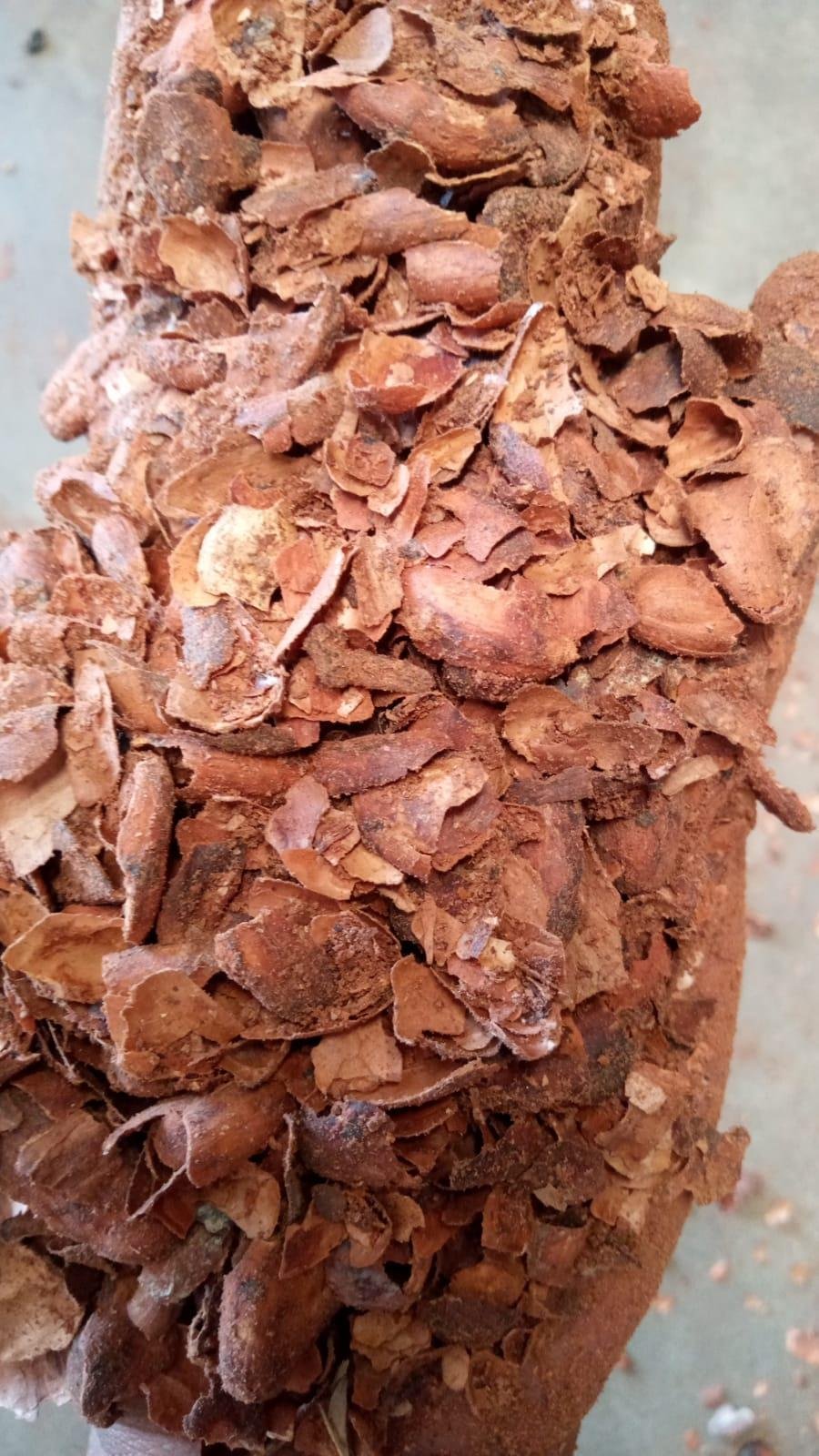
Rice Husk Natural from PT Aji boasts a GCV of 3105 kcal/g and a silica content of 14.5%, making it ideal for high‑efficiency boilers. Mid‑C RHA delivers a minimum SiO2 of 80%, carbon between 5‑15%, and an impressive ash content of 84.3%, which balances reactivity and slagging. High‑C RHA offers a fixed carbon of 34.8% and a SiO2 level of 67.6%, providing superior combustion stability. Pure White RHA contains SiO2 ≥92%, ensuring the lowest mineral load for advanced thermal processes. Palm Kernel Shell is a powerhouse with a GCV of 4603 kcal/kg, perfect for co‑generation. Feed Meal’s 16.19 % protein content adds value for biogas projects.
In practice, rice husk natural is widely used in power plants for low‑NOx combustion due to its high energy content and low ash. What many buyers overlook is the application of Mid‑C RHA in cement kilns, where its silica content promotes pozzolanic reactions. High‑C RHA is a favorite for district heating systems because of its consistent carbon profile. Pure White RHA finds niche use in high‑temperature furnaces where mineral contamination must be minimized. Palm Kernel Shell serves as a primary fuel for biogas digesters, converting waste into electricity. Feed Meal’s protein‑rich residue can be co‑burned with other biomass, improving overall calorific value.
From experience, using biomass fuels cuts CO₂ emissions by up to 30 % compared to coal, because the carbon released was originally captured by plants. In practice, the high silica content in PT Aji’s RHA products reduces ash disposal costs and supports circular economy initiatives. What many buyers overlook is the potential for carbon sequestration when the residual ash is repurposed as a cement additive. Biomass combustion also lowers particulate matter emissions thanks to lower sulfur content. Additionally, sourcing locally from Gresik reduces transportation emissions and supports regional economic development. Together, these benefits align with Indonesia’s national sustainability targets.
PT ABA Help Desk