PT Aji Bakuh Anugrah — Gresik, East Java, Indonesia
05 Oct 2026 · PT Aji Bakuh Anugrah
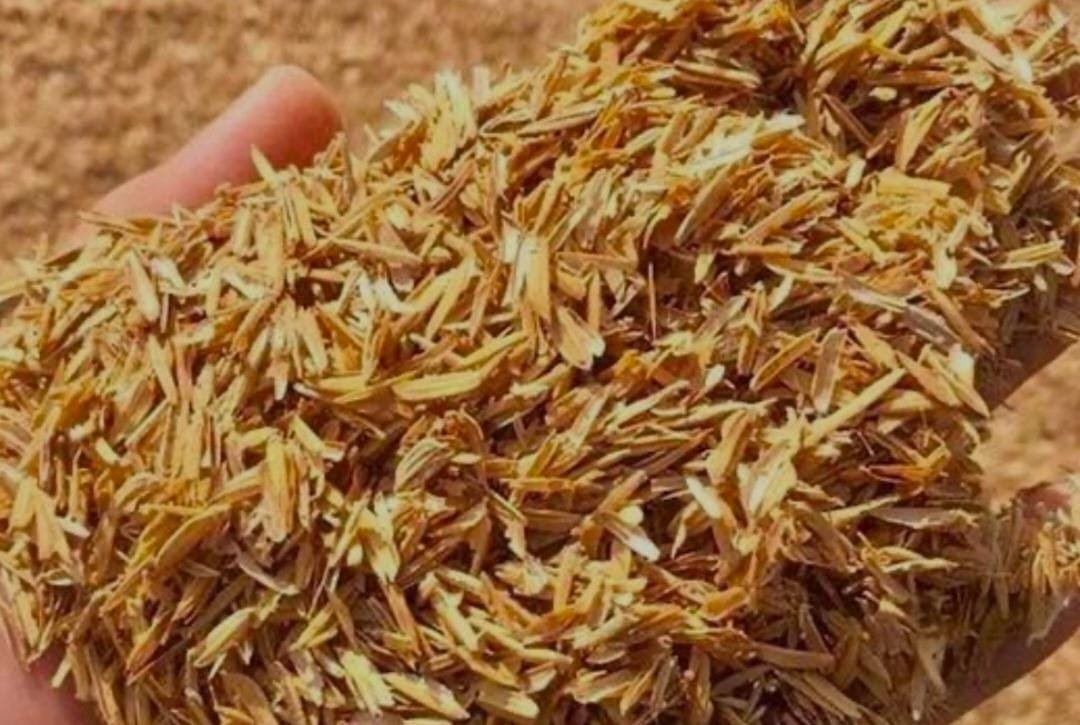
Did you know that a single ton of rice husk can replace hundreds of cubic meters of coal? When local factories in Gresik switch to biomass, they slash emissions and cut costs. The shift to biomass isn’t just a green trend—it’s a smart business move. With our online ordering system, you can access top‑quality fuel without leaving your office.
When ordering biomass online, start by comparing unit prices per megajoule. PT Aji Bakuh Anugrah offers tiered discounts for bulk orders, so a 10‑ton contract can drop 8% off the base rate. Shipping costs depend on distance; we provide a free route calculator on our site. Remember that moisture content—ideally below 10%—impacts calorific value, so request the latest lab reports. Finally, factor in any certification fees if you need ISO or ASTM compliance for your plant.
The biggest win is the carbon offset: burning 1 ton of rice husk emits roughly 70 kg CO₂, compared to 2.3 t for coal. In practice, Gresik power plants using palm kernel shells report a 30 % drop in sulfur emissions. What many buyers overlook is the secondary benefit—ash from RHA can replace 15 % of cement in concrete, saving 2.5 t of CO₂ per batch. Over a year, a mid‑size factory could cut its emissions by 500 t CO₂e. These numbers translate into tangible savings on environmental taxes and improved community relations.
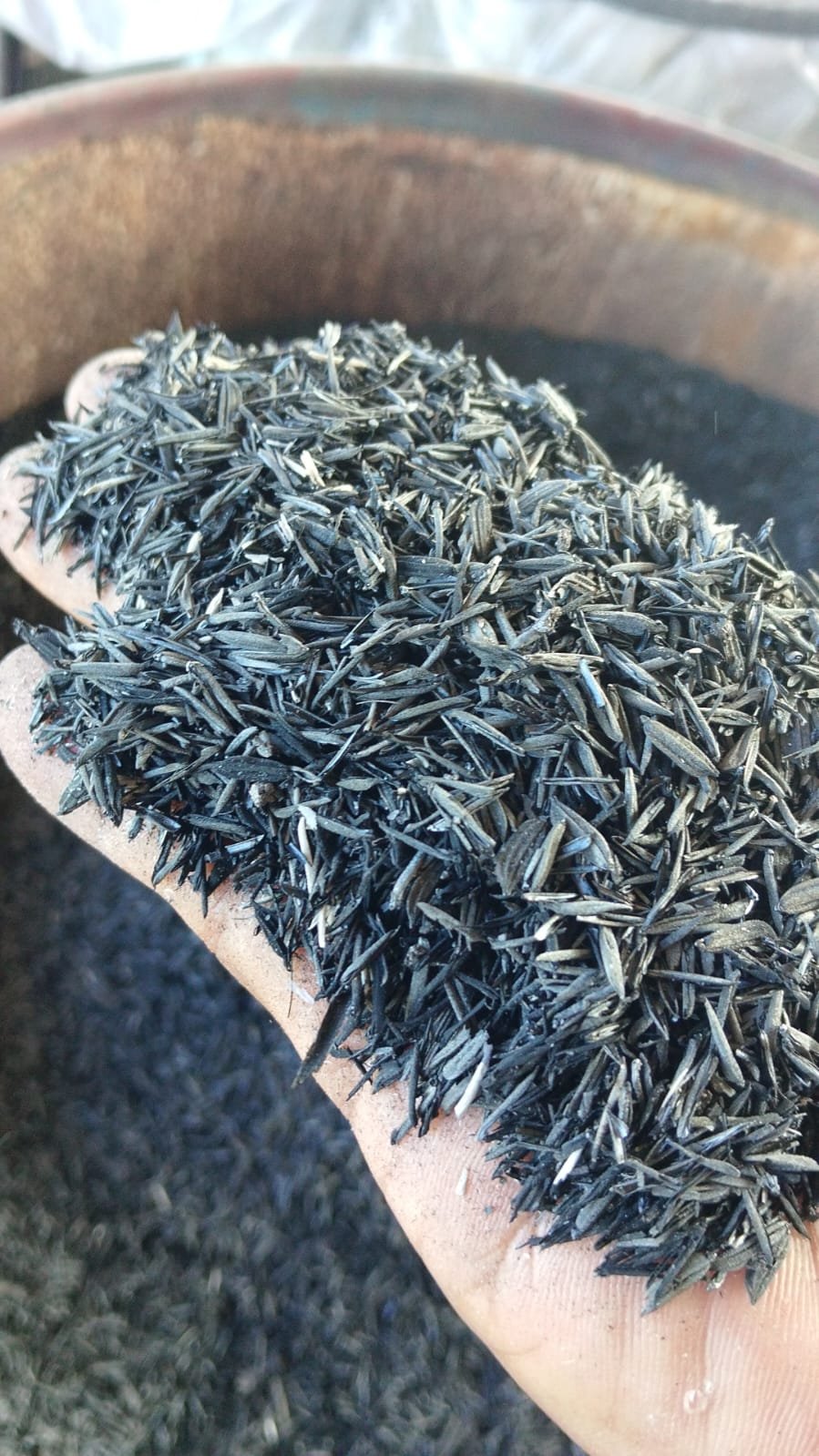
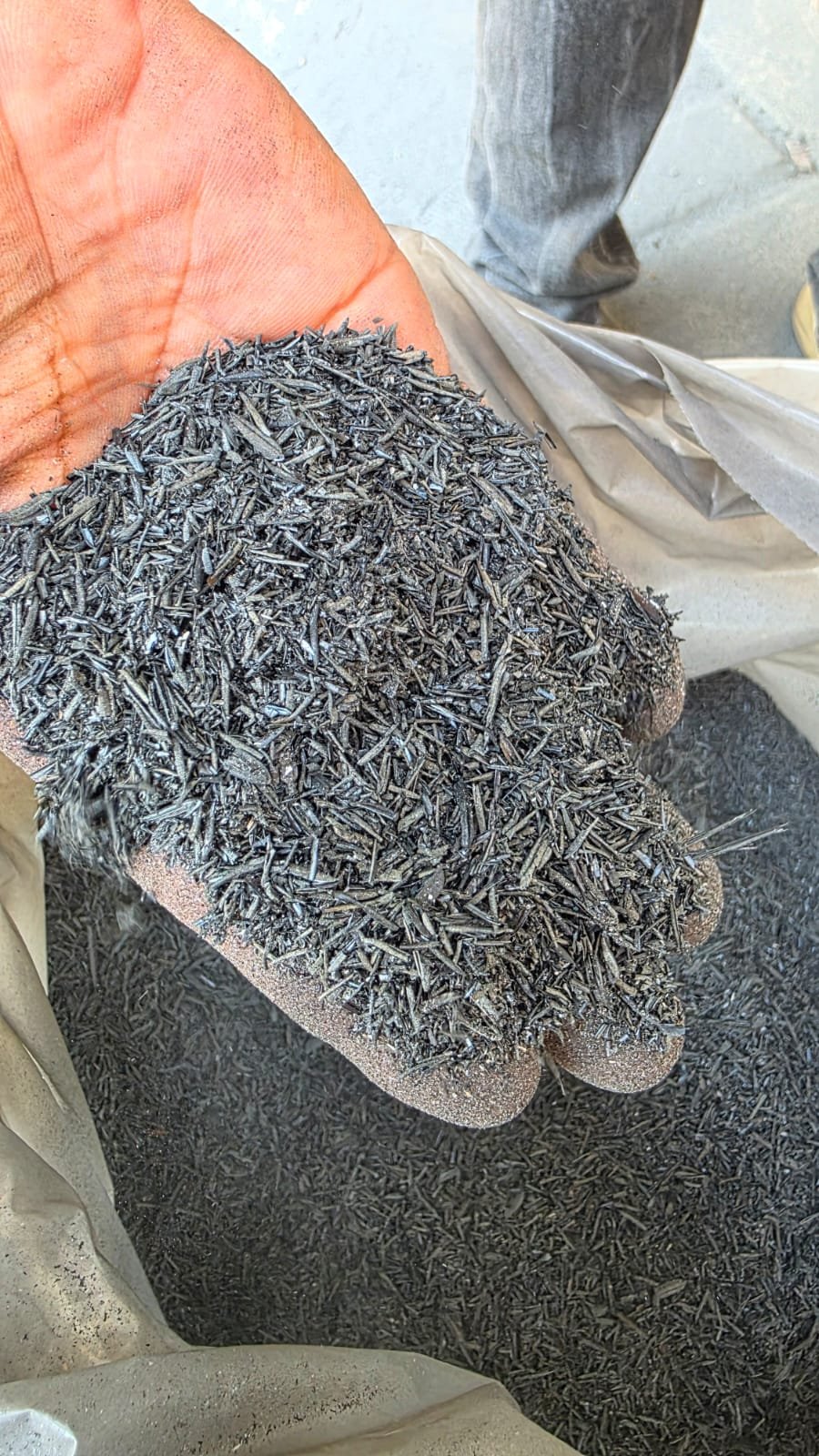
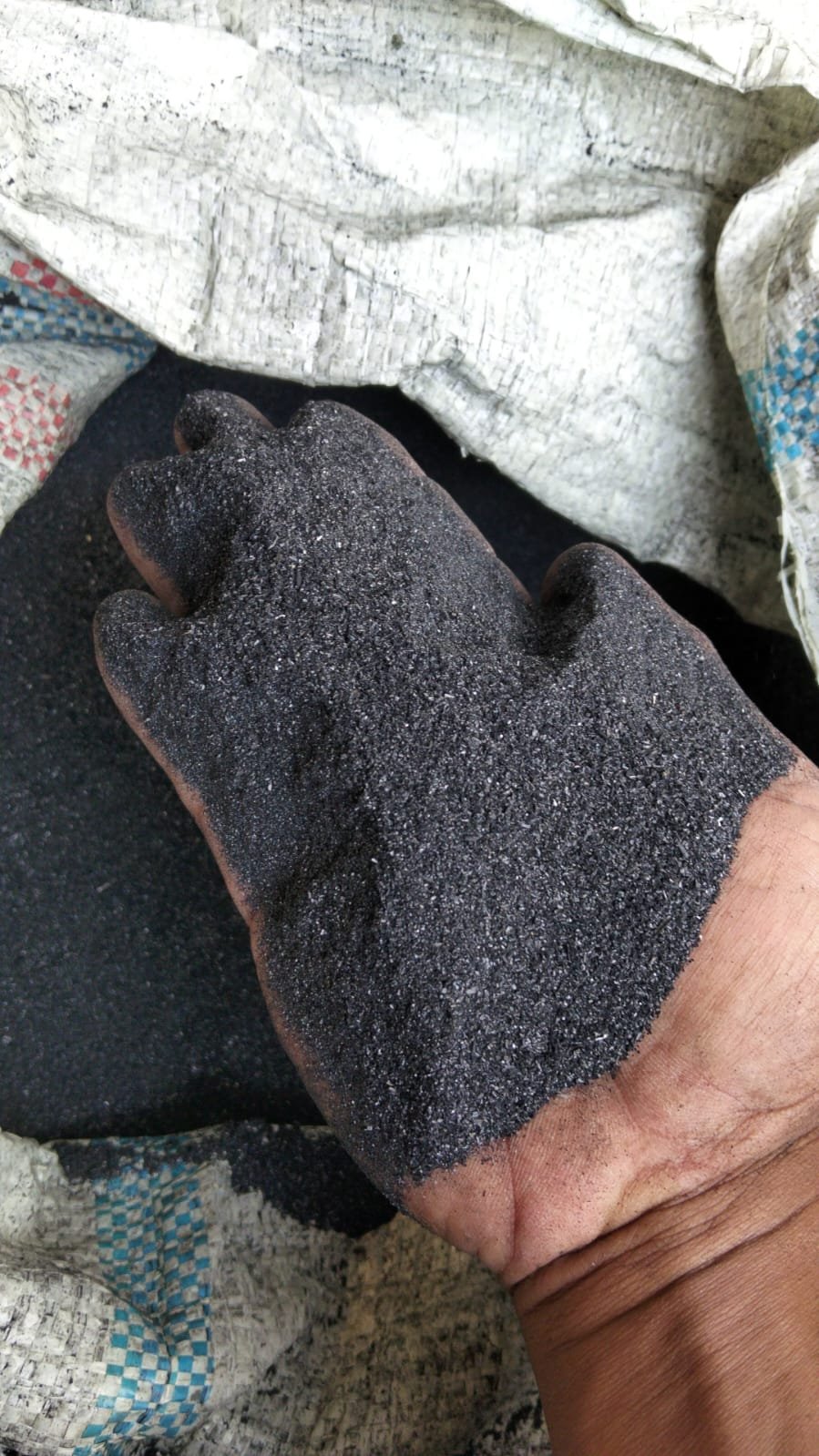
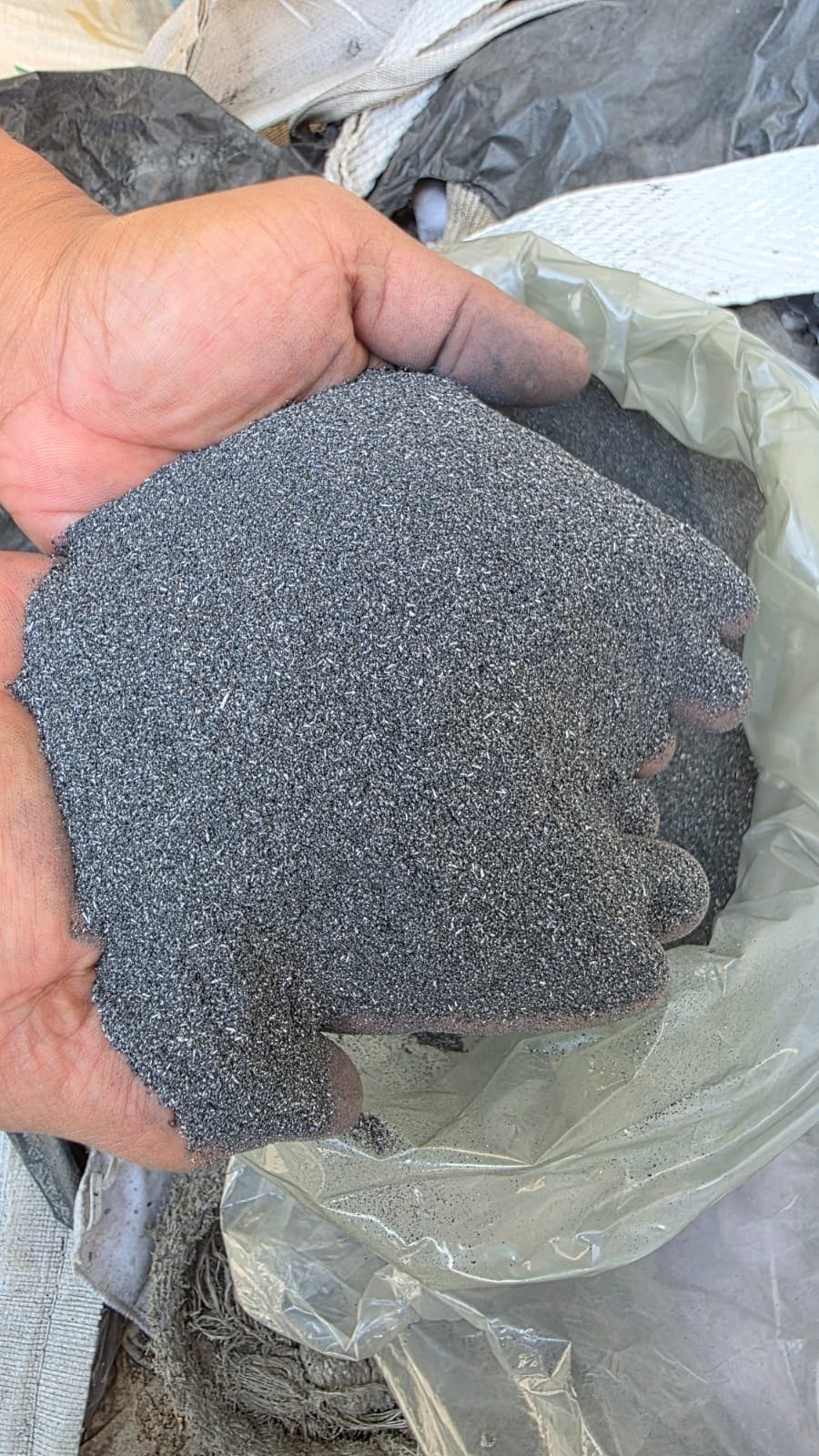
Rice Husk Natural delivers 3,105 kcal per gram, with a moisture level of just 9.5 %. Its silicon dioxide content stands at 14.5 %, making it ideal for silica recovery. Mid‑C RHA boasts at least 80 % SiO₂, 5‑15 % carbon, and 84.3 % ash, perfect for steel and cement additives. High‑C RHA offers 34.8 % fixed carbon and 67.6 % SiO₂, a top choice for activated carbon. Pure White RHA contains a minimum of 92 % SiO₂, suitable for high‑grade silica applications. All products come with certified lab data and a 12‑month quality guarantee.
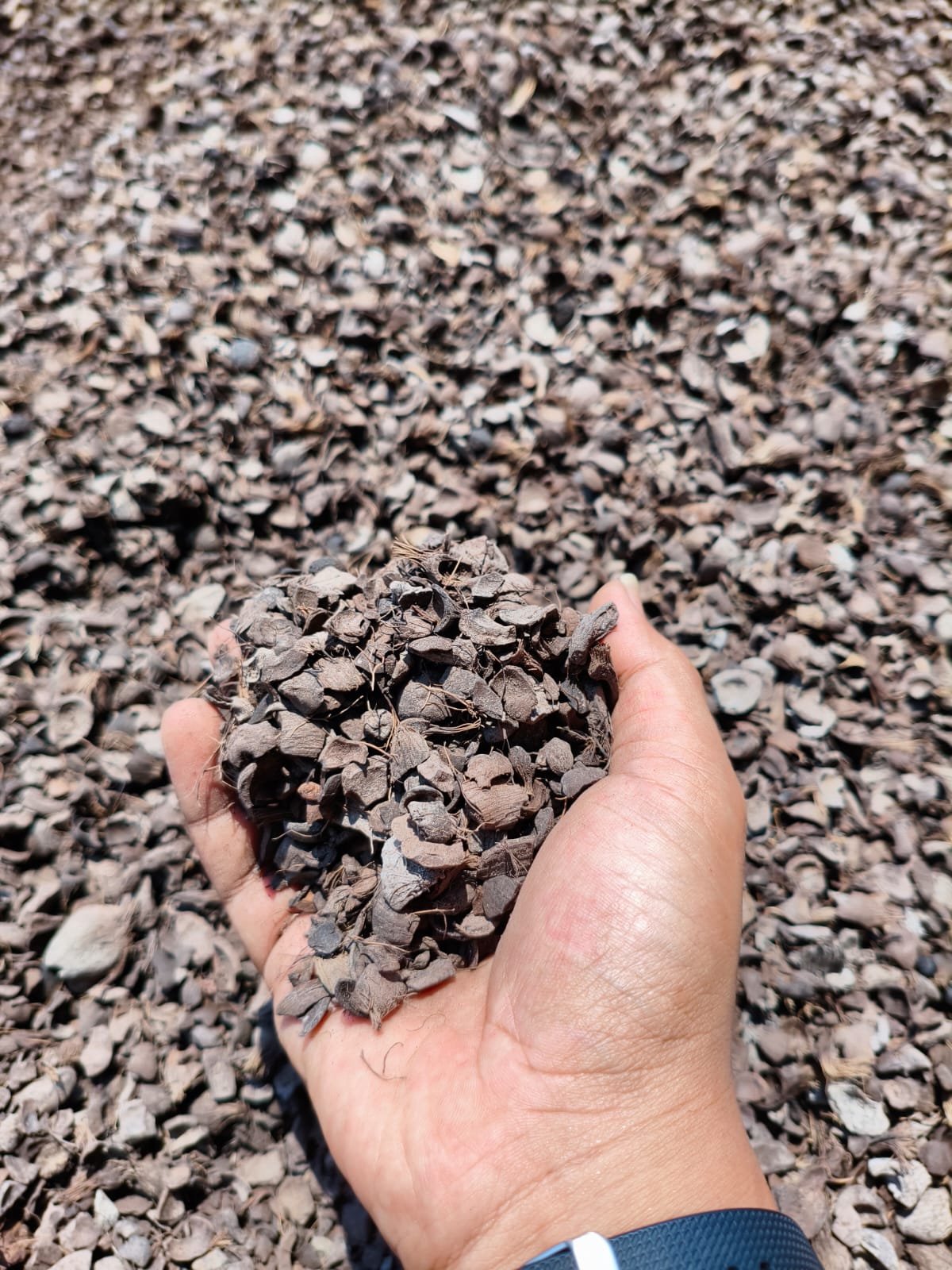
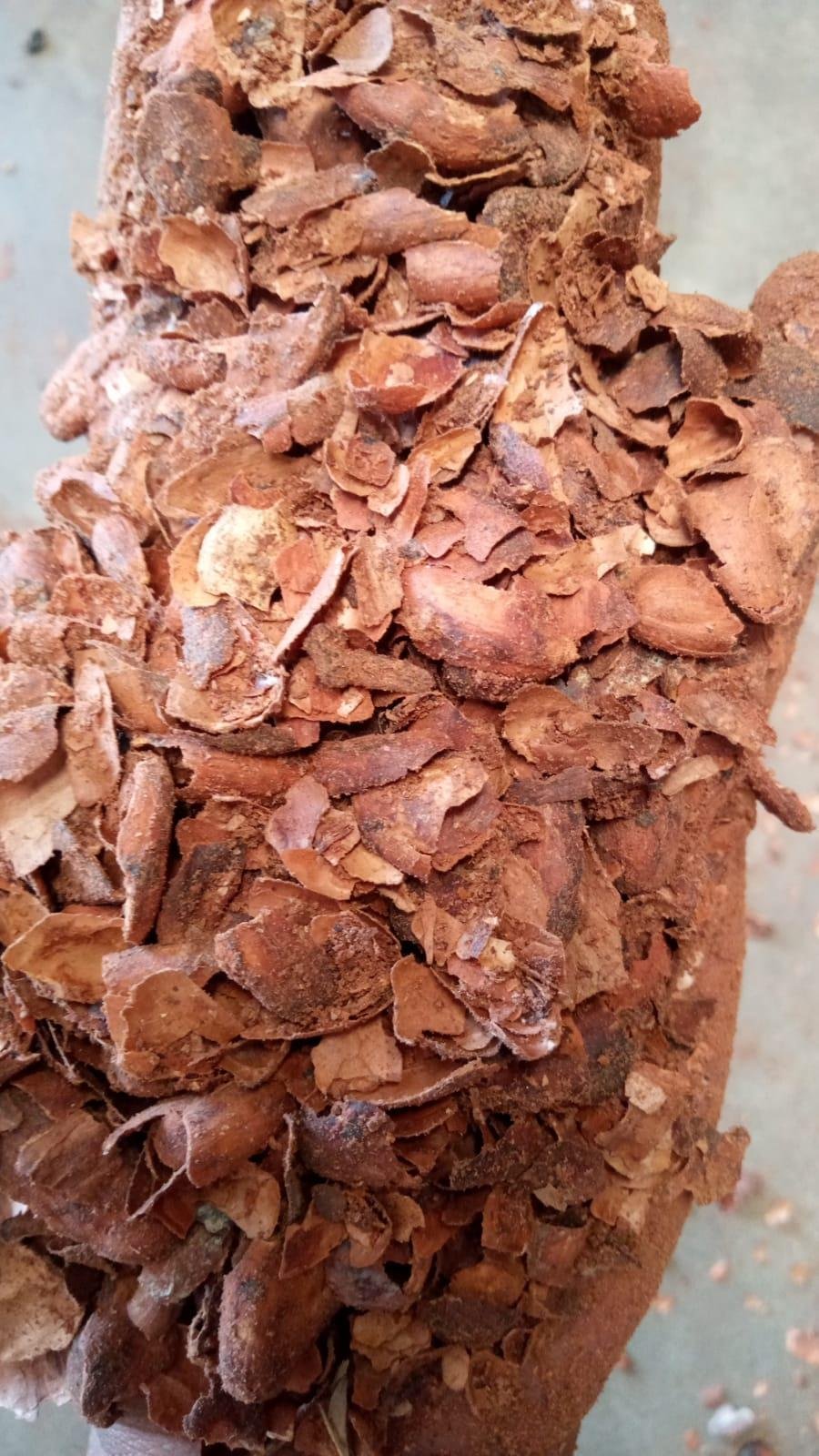
Biomass fuel refers to organic matter—like rice husks, palm kernels, or cocoa shells—converted into a combustible form. It’s a renewable resource that reduces reliance on fossil fuels. In Indonesia, the government provides incentives for biomass adoption in the cement and power sectors. Companies using PT Aji Bakuh Anugrah’s feed meal, for instance, have reported smoother combustion and lower NOx levels. The key is consistent quality and proper handling; our team trains operators on storage protocols. With the right setup, biomass can replace 40 % of conventional fuel in many plants.
Traditional fuels like coal suffer from volatile pricing and higher emissions. Biomass, on the other hand, has a stable supply chain rooted in agricultural waste. Our RHA products have a proven record of boosting concrete strength by up to 15 % while cutting costs. Compared to bio‑diesel, palm kernel shells deliver a higher calorific value and are cheaper to ship. In practice, customers switching to biomass enjoy a 10‑15 % reduction in total energy costs over three years. That’s a compelling reason to choose our products over the usual alternatives.
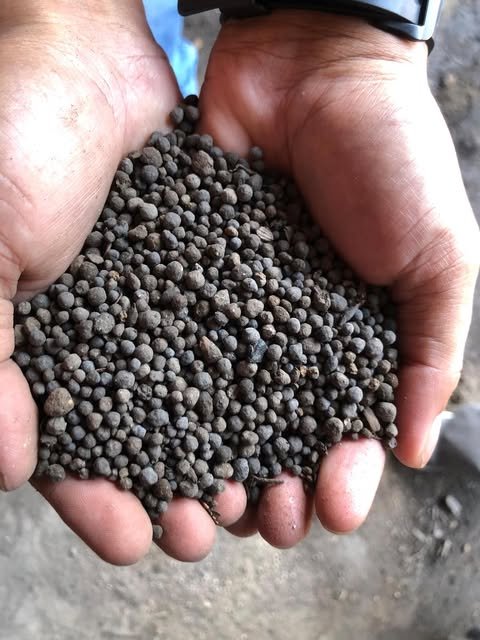
Steel mills use Mid‑C RHA to replace a portion of blast furnace slag, improving blast furnace efficiency. Cement plants co‑burn palm kernel shells with coal to meet emission limits while maintaining output. Agricultural farms add our organic fertilizer—N 1.2 %, P₂O₅ 0.8 %, K₂O 1.5 %—to composted rice husk, boosting yields by 8 %. Feed mills process our cocoa shell feed meal (protein 16.19 %) into high‑protein animal feed, reducing reliance on soy. Power generators in Gresik incorporate rice husk natural for base‑load operations, achieving a 90 % load factor. Each application showcases biomass’s versatility across sectors.
PT ABA Help Desk