PT Aji Bakuh Anugrah — Gresik, East Java, Indonesia
13 Oct 2026 · PT Aji Bakuh Anugrah
Imagine a single bag of ash that can replace steel in cement or boost crop yields. Rice husk ash, a by‑product of Indonesia’s thriving rice mills, offers a versatile solution. In practice, it finds homes in concrete, steel fabrication, and even activated carbon production. This article uncovers its industrial roles, technical strengths, and environmental impact. Let’s dive into why it matters for your next project.
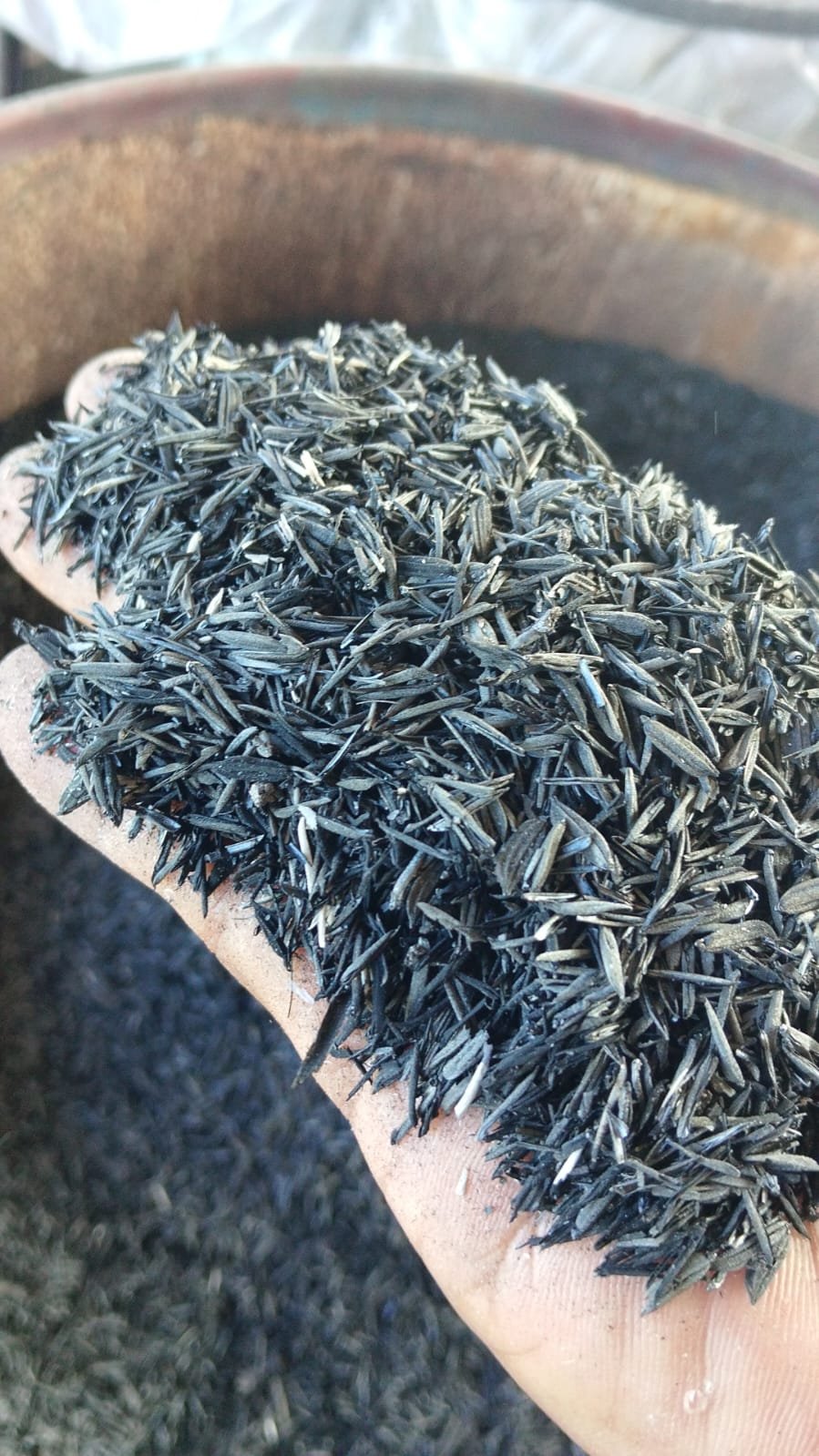
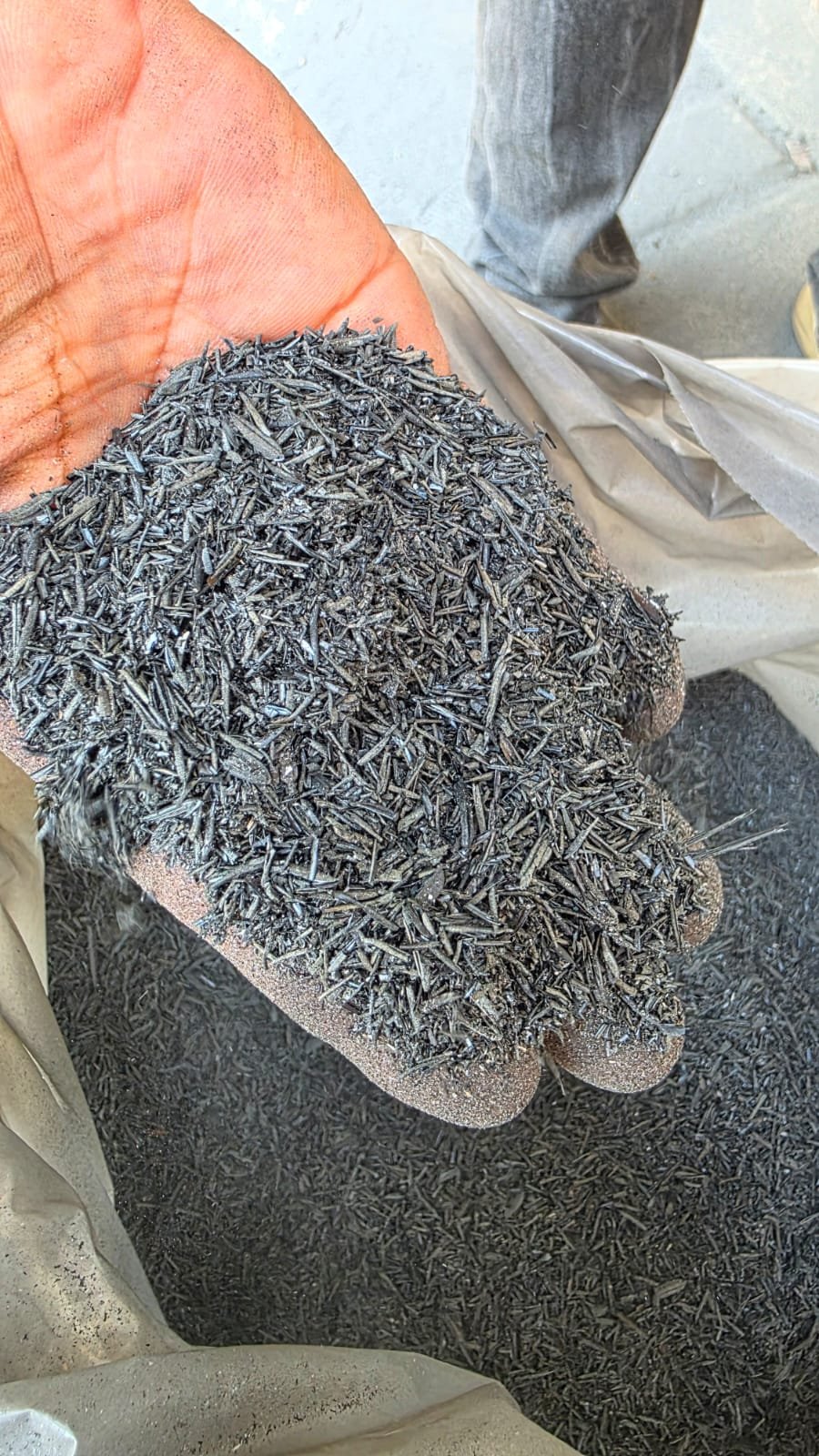
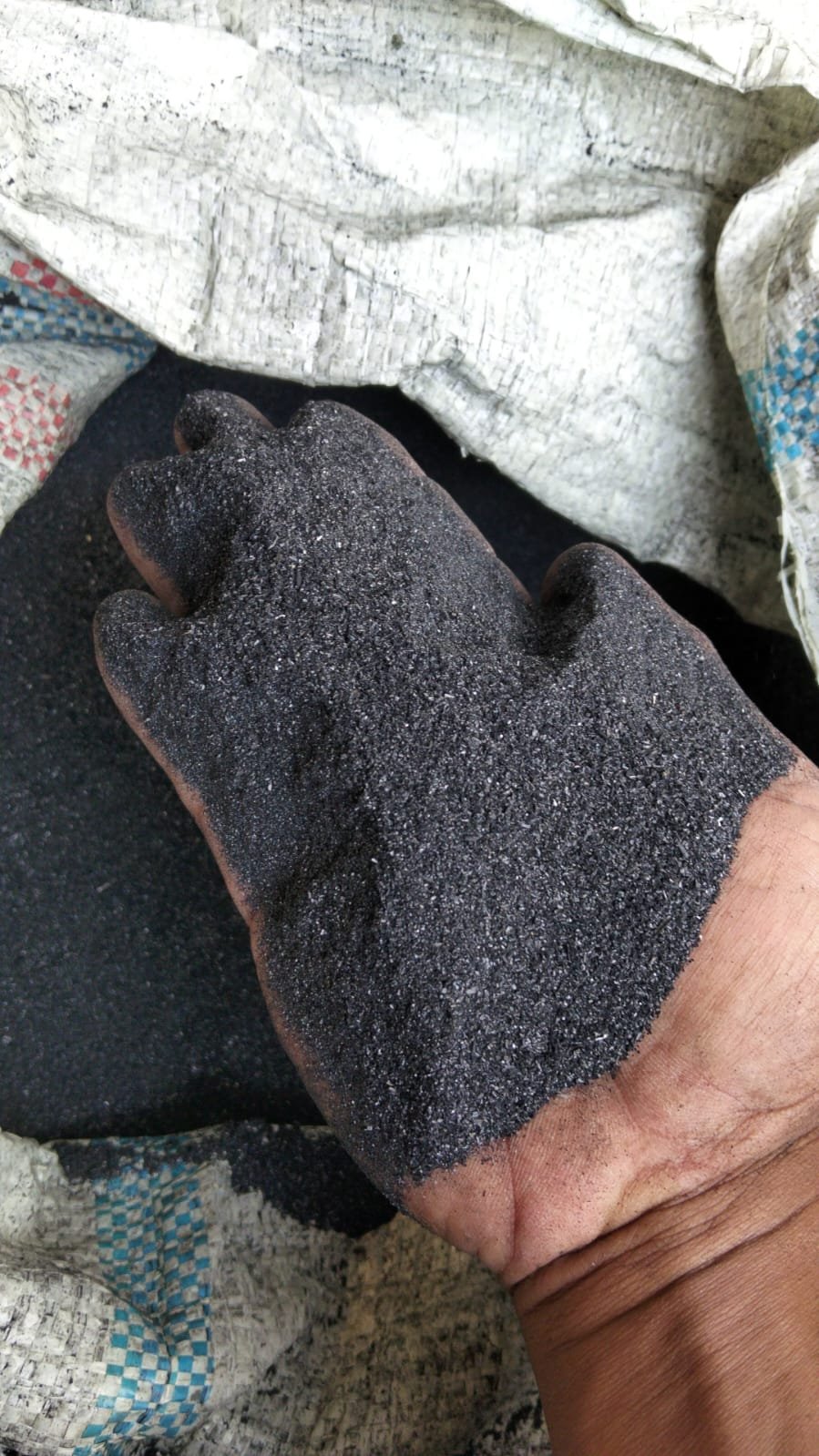
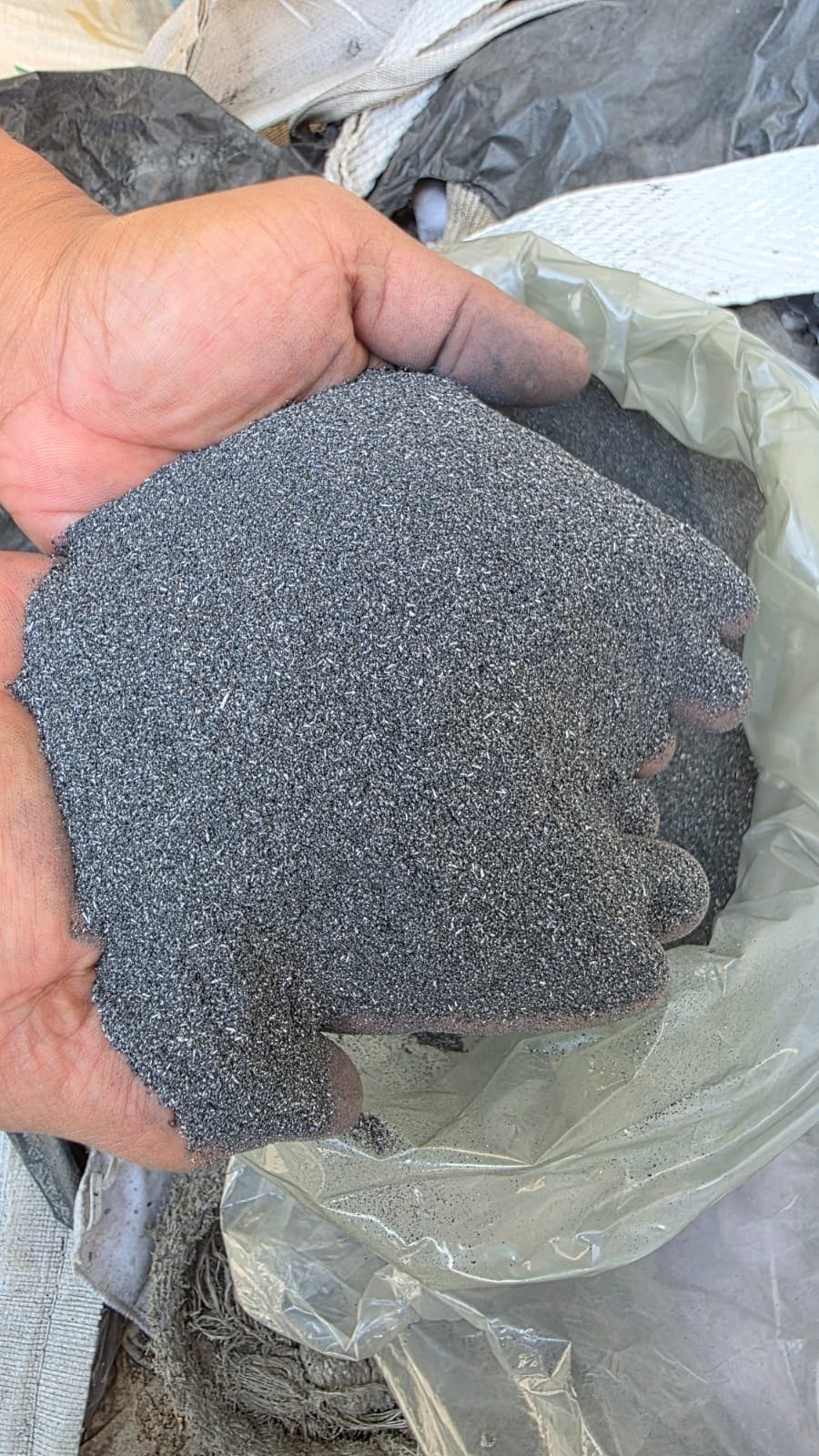
Rice husk ash is a key additive in high‑performance concrete, improving workability and reducing permeability. Mid‑C RHA, with a minimum SiO₂ of 80%, is commonly blended into cement to enhance strength and durability in tropical climates. In the steel sector, high‑C RHA, boasting 67.6% SiO₂, serves as a fluxing agent that lowers smelting temperatures and cuts energy use. What many buyers overlook is its role in pre‑heater stacks, where RHA’s low ash content minimizes slag formation. From our experience at Gresik, plants that adopt RHA see up to 15% savings on raw material costs. The reality is that a single ton of RHA can replace several tons of limestone or quartz sand, making it a cost‑effective alternative for manufacturers across Indonesia and beyond.
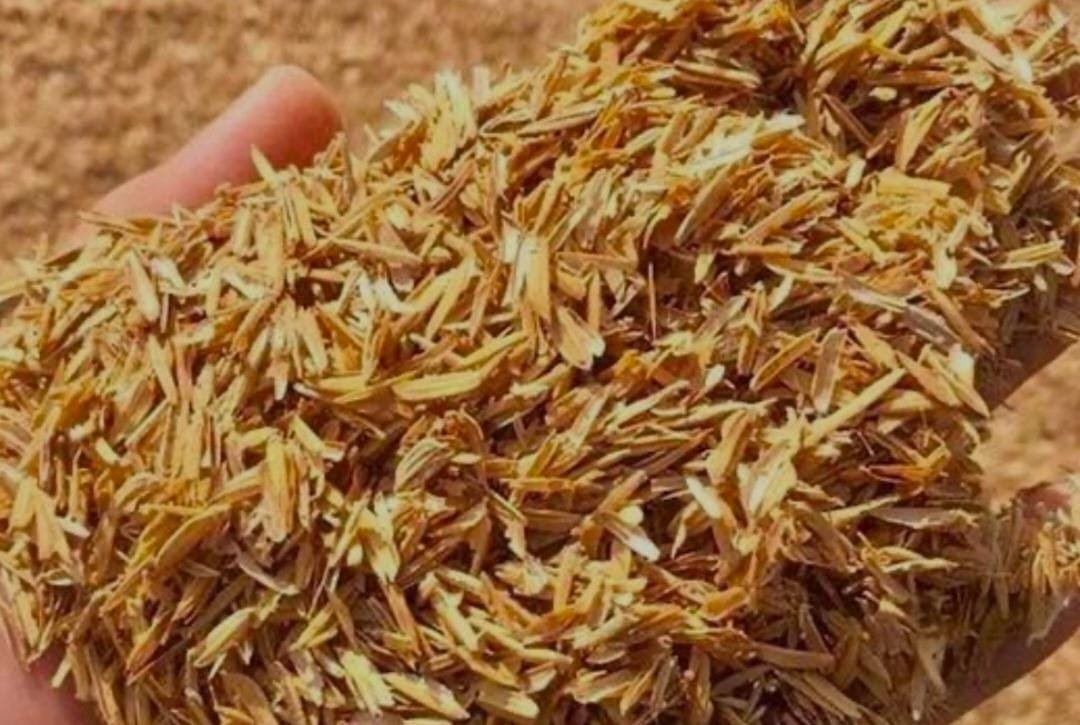
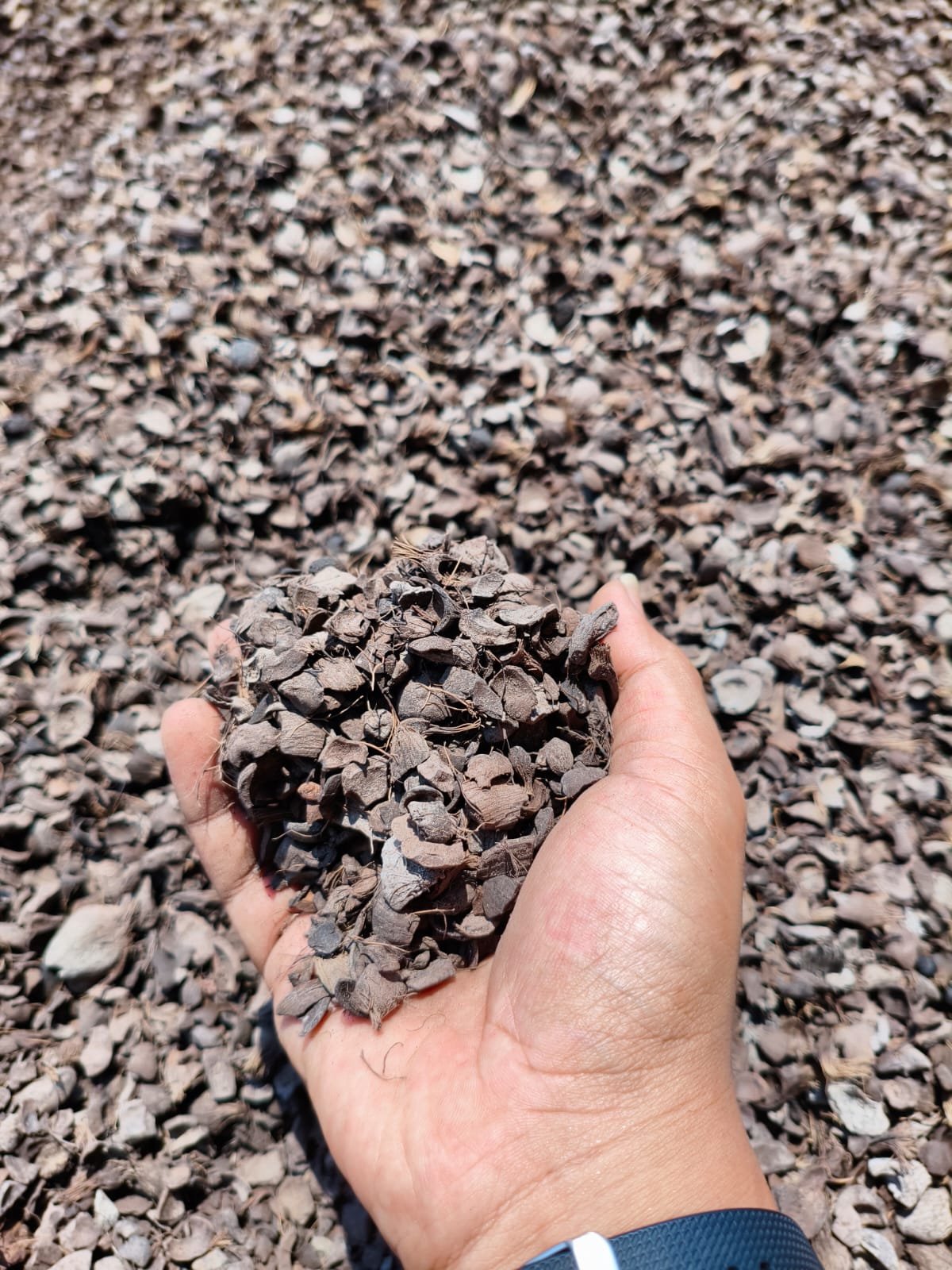
When assessing RHA, look for SiO₂ purity and carbon content, as these metrics dictate performance. Pure White RHA, with SiO₂ above 92%, is reserved for high‑grade silica applications like glassmaking and electronics. Mid‑C RHA typically contains 5–15% carbon and 84.3% ash, striking a balance between reactivity and structural integrity. High‑C RHA’s fixed carbon reaches 34.8%, which is ideal for activated carbon production and adsorption processes. The bulk density of natural rice husk, ranging from 100 to 120 kg/m³, influences handling and transport logistics. Moisture content, capped at 9.5% for optimal use, ensures stability during storage and reduces the risk of spontaneous combustion.
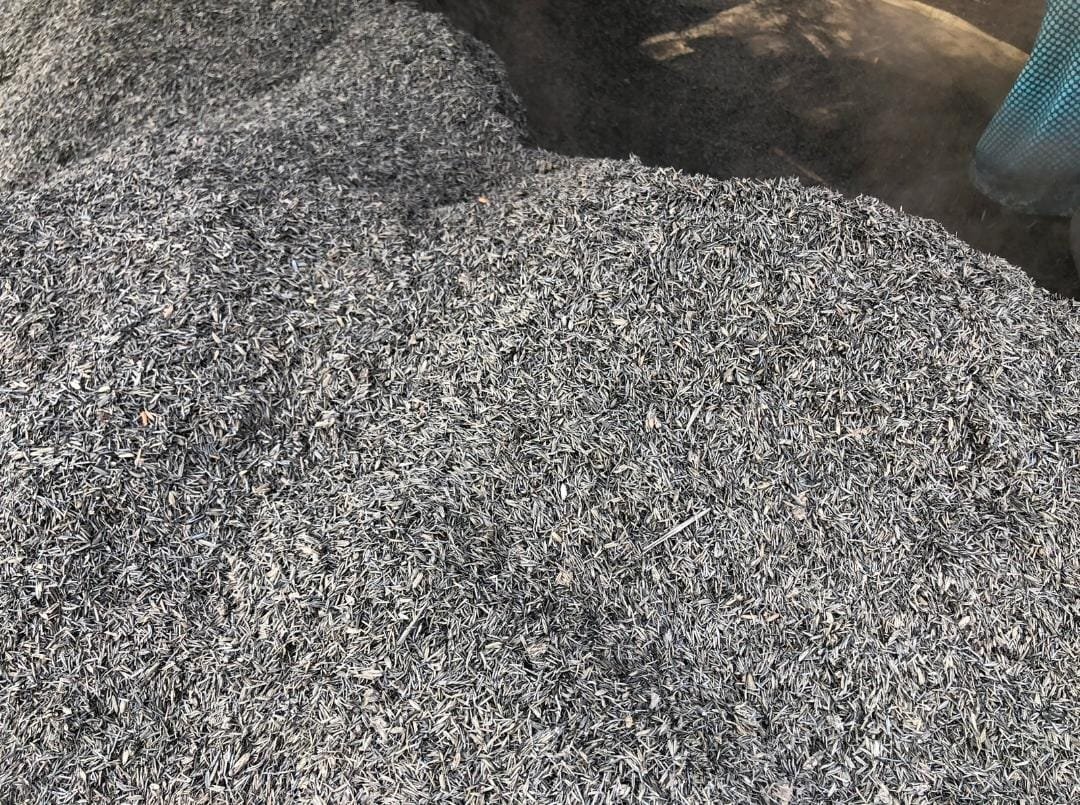
Rice husk ash originates when rice husks combust in kilns, leaving behind a fine, silica‑rich powder. In Indonesia, over 70 million tons of husks are produced annually, yet only a fraction is currently utilized efficiently. Industry analysts predict a 25% CAGR in RHA demand through 2030, driven by stricter environmental regulations and the push for circular economies. From a supply chain perspective, RHA can be sourced locally, reducing transportation emissions and supporting rural economies. The reality is that many producers still view ash as waste, missing the opportunity to monetize an abundant resource. As awareness grows, RHA is emerging as a cornerstone of sustainable industrial practices worldwide.
When purchasing RHA, verify the certification of SiO₂ content and ash percentage, as these affect compliance with national standards. Price is largely dictated by purity: Pure White RHA commands a premium, while Mid‑C RHA offers a balanced cost‑benefit for construction firms. In practice, buyers should negotiate volume discounts and consider the logistics of bulk handling, especially if the ash will be stored in high‑humidity regions. From our experience, partnering with suppliers who provide batch‑testing reports reduces risk and ensures consistent quality. Buyers should also factor in the cost of moisture control; a 1 % increase in moisture can raise handling expenses by 5–7%. The reality is that transparent pricing and rigorous testing are essential for long‑term procurement success.
Rice husk ash utilization significantly cuts greenhouse gas emissions, as it displaces the need for mined silica and reduces kiln energy consumption. According to recent studies, incorporating 10% RHA into cement can lower CO₂ emissions by up to 12%. In practice, RHA also reduces the volume of waste sent to landfills, aligning with Indonesia’s national waste‑to‑energy targets. What many buyers overlook is the potential for RHA to bind heavy metals in soils, improving agricultural sustainability when used as a soil amendment. From our experience, farms that apply RHA see a measurable increase in crop yields, thanks to improved soil structure and moisture retention. The reality is that every ton of RHA diverted from waste streams is a tangible step toward a greener economy.
Compared to fly ash or ground‑gravel ash, RHA offers superior silica purity and lower ash content, which translates into stronger concrete mixes. In practice, Mid‑C RHA provides a higher strength index at the same replacement ratio as fly ash, leading to thinner, lighter beams. High‑C RHA’s elevated fixed carbon content makes it ideal for carbon‑based filtration systems, outperforming conventional activated carbons. What many buyers overlook is the lower storage footprint of RHA due to its fine particle size and low moisture. From our experience, suppliers of RHA typically maintain tighter quality control, ensuring consistent performance across batches. The reality is that for industries prioritizing durability and environmental compliance, RHA stands out as the most versatile ash option available.
PT ABA Help Desk