PT Aji Bakuh Anugrah — Gresik, East Java, Indonesia
08 Oct 2026 · PT Aji Bakuh Anugrah
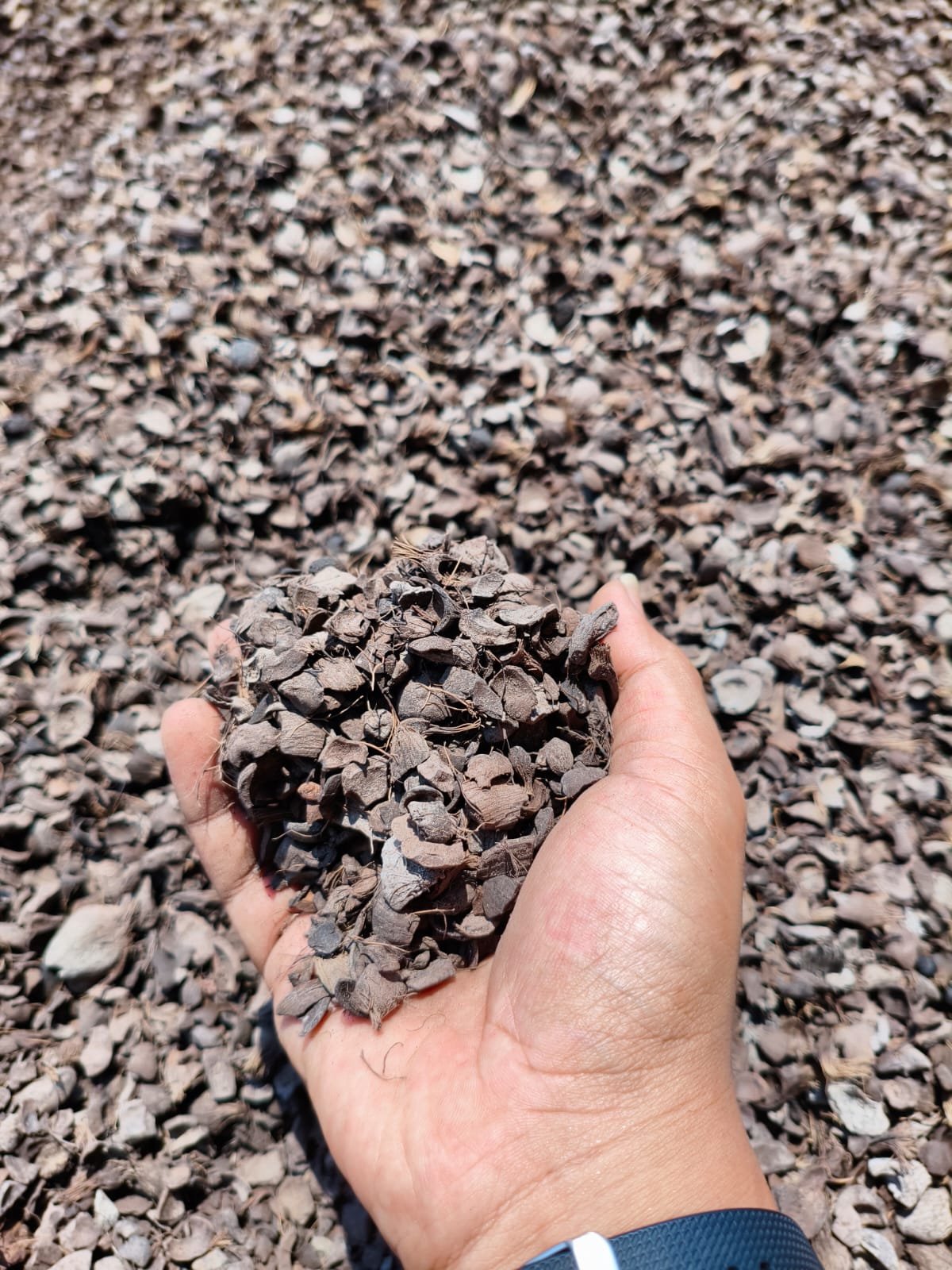
Palm kernel shells have become the hidden hero of Southeast Asia’s renewable energy sector. When the sun sets and the power grid strains, these humble by‑products step up with a high heating value of 4,603 kcal/kg. In practice, industries that switch to this fuel see both a cleaner burn and a sharper bottom line. PT Aji Bakuh Anugrah, based in Gresik, is the go‑to supplier for businesses looking to power up sustainably. Let’s dive into why this biomass is a game‑changer.
What many buyers overlook is the hidden cost of logistics and certification. From experience, bulk purchases of palm kernel shell often come with tiered pricing that rewards long‑term contracts. In practice, the proximity to port facilities in East Java reduces freight costs, while the consistent supply chain of palm oil mills ensures stable inventory levels. Buyers should also factor in the cost of moisture removal, which can be as high as 10% of the final price if not pre‑dried. Finally, negotiating a fixed price for a 12‑month period can protect against the volatility of raw material markets.
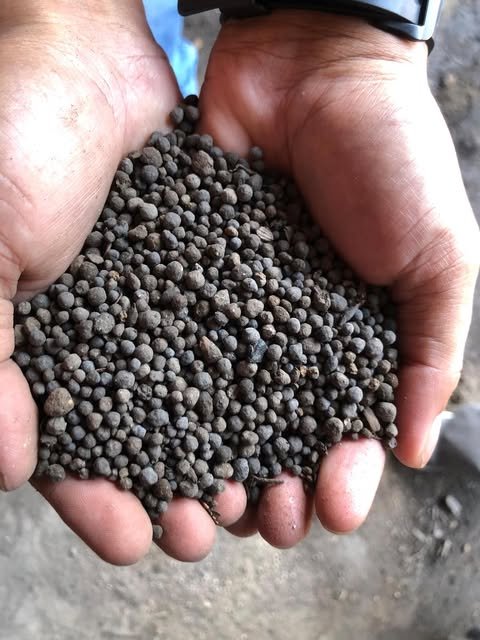
Palm kernel shell fuel produces fewer particulates than coal, cutting fine‑dust emissions by up to 70%. In practice, the high silica content (around 67.6% SiO₂) helps absorb moisture and reduces slagging during combustion. What many buyers overlook is that this fuel also closes a waste loop—palm oil mills divert the shells to power plants instead of landfills. The CO₂ intensity of palm kernel shell is roughly 30% lower than that of conventional fossil fuels, aligning with Indonesia’s 2030 carbon neutrality targets. Moreover, the ash residue is rich in minerals, making it a valuable by‑product for cement and fertilizer manufacturing.
Electricity generation plants in Java have integrated palm kernel shell as a primary or co‑fuel with coal, achieving 40% higher energy density. In the cement industry, the shells are used in rotary kilns to pre‑heat raw mix, boosting kiln efficiency by 5%. Food processing facilities tap the fuel to power steam boilers, cutting their gas bills by 25%. What many buyers overlook is the adaptability of palm kernel shell in small‑scale micro‑grids for remote villages, providing reliable power where grid extension is cost‑prohibitive. From experience, the fuel’s uniform particle size improves boiler longevity and reduces maintenance downtime.
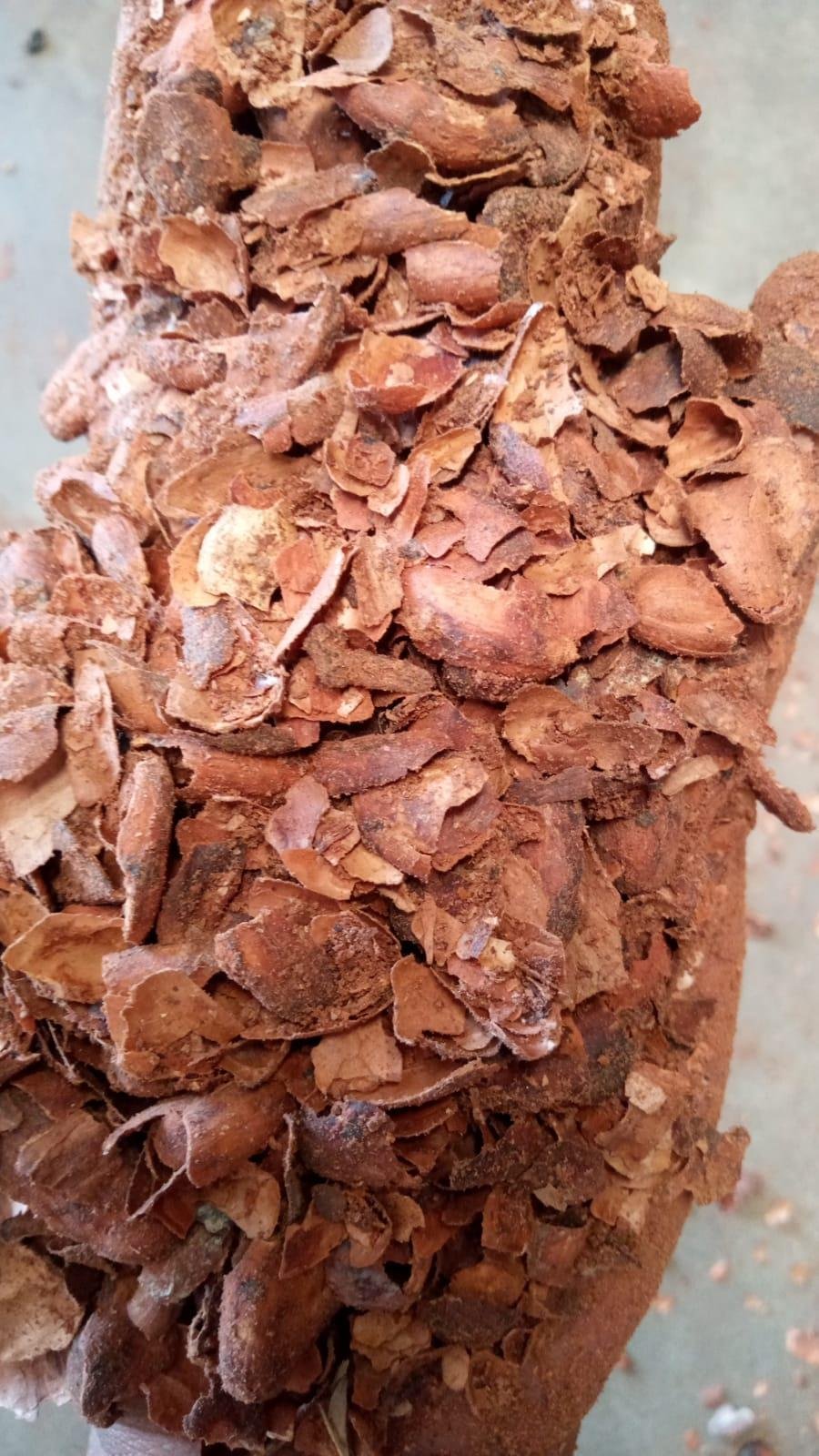
Palm kernel shell is the hard outer shell of the oil palm fruit, a by‑product of oil extraction. It accounts for about 15–20% of the fruit weight and is often discarded or burned in open pits. In practice, PT Aji Bakuh Anugrah collects the shells directly from palm oil mills in Gresik, processes them to the appropriate moisture level, and delivers them as a ready‑to‑burn biomass. This supply chain not only reduces waste but also creates local employment, making the fuel a socially responsible choice. The industry context shows a steady increase in palm oil production, which in turn fuels a growing demand for high‑quality biomass feedstocks.
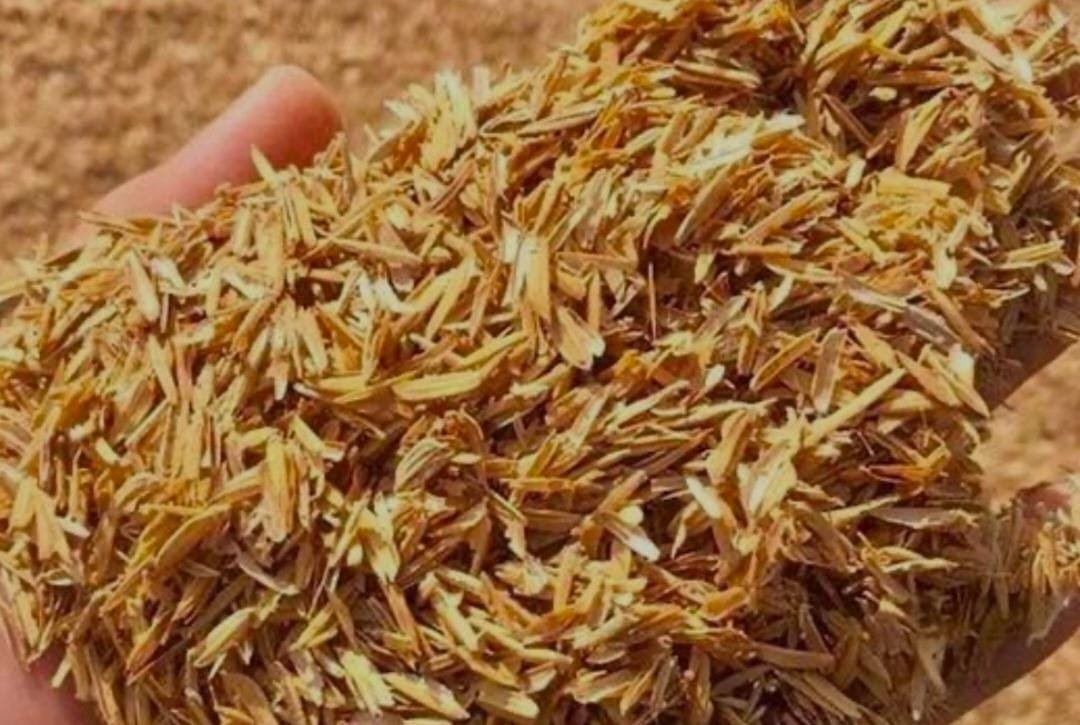
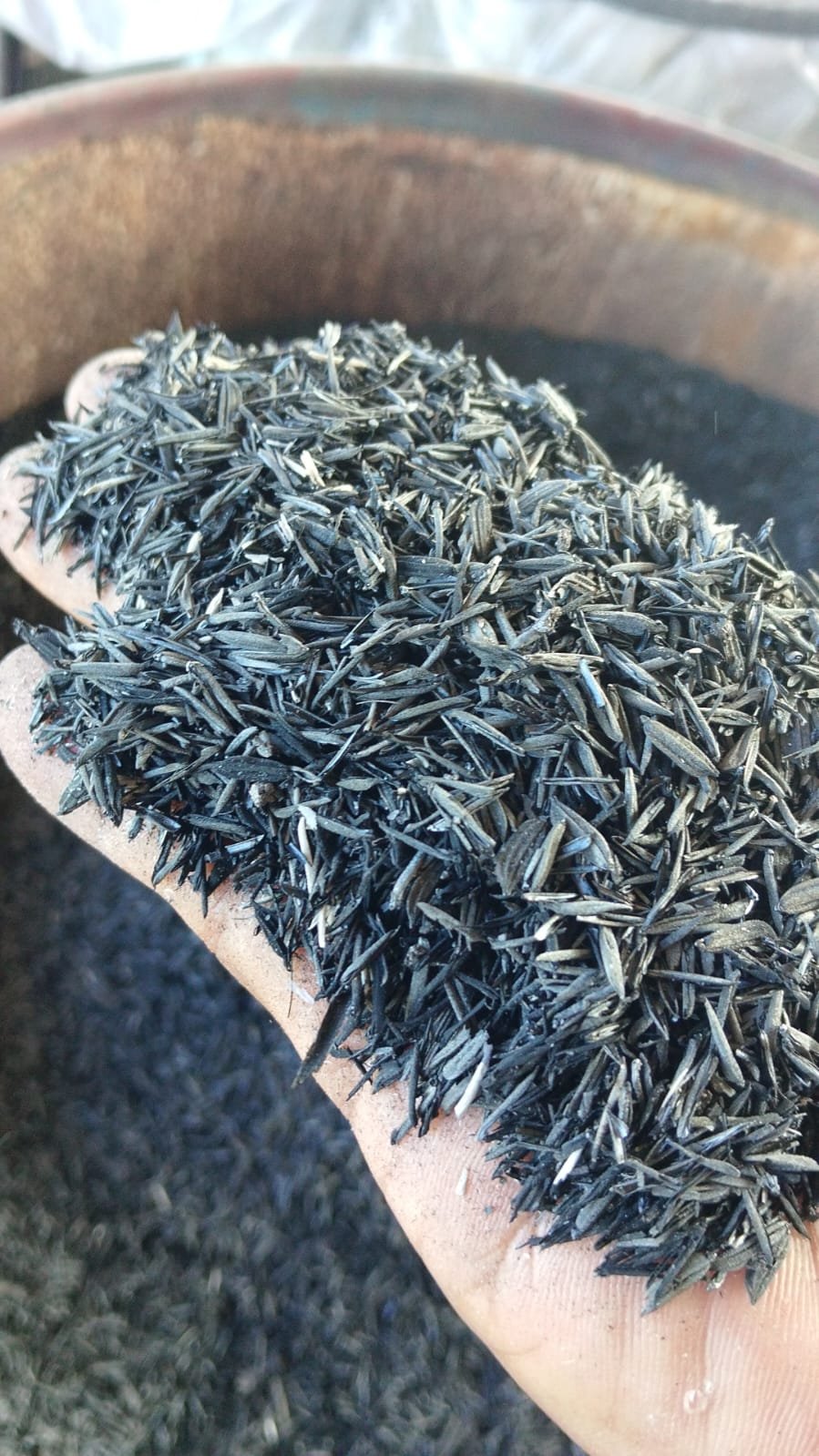
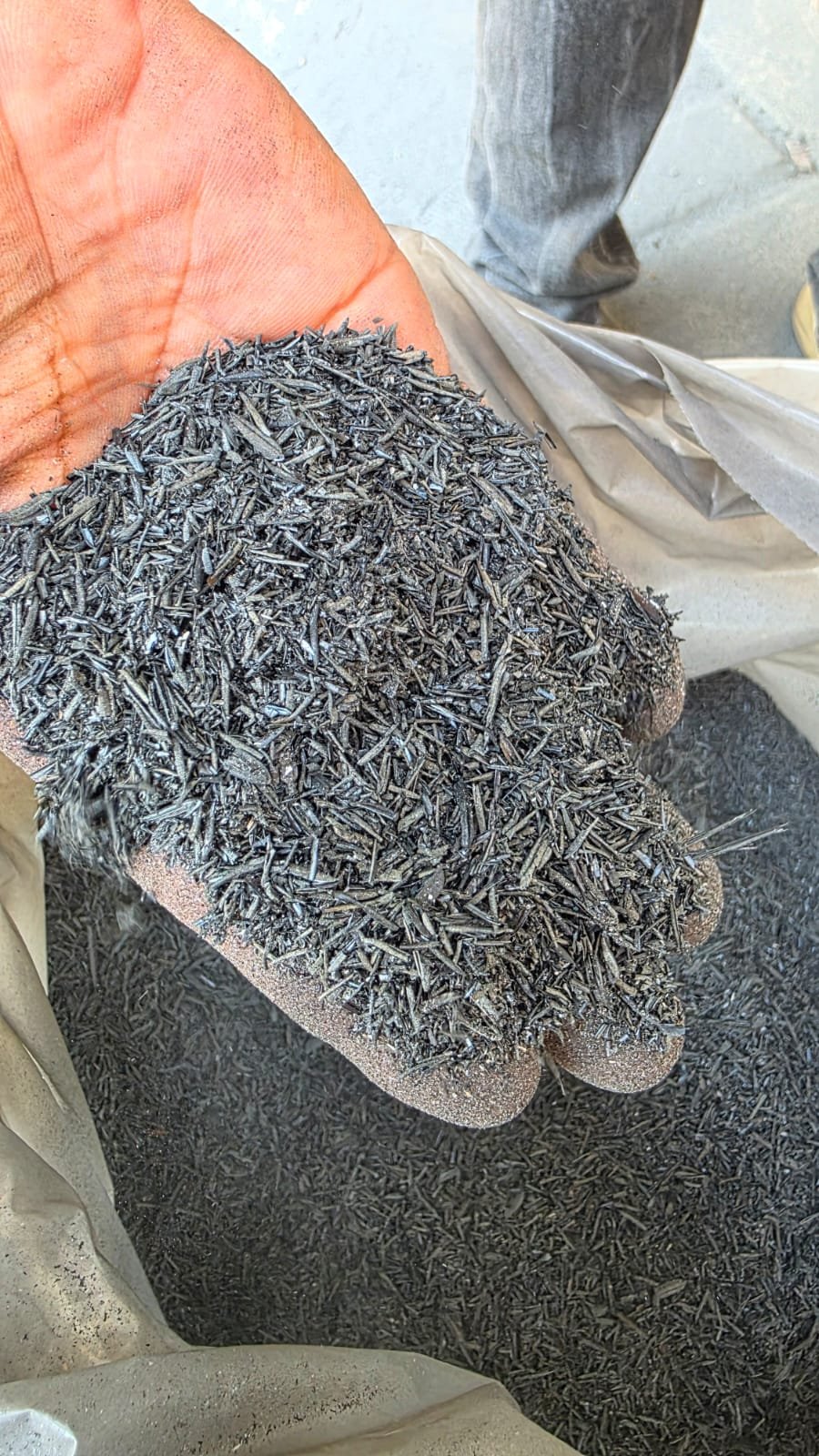
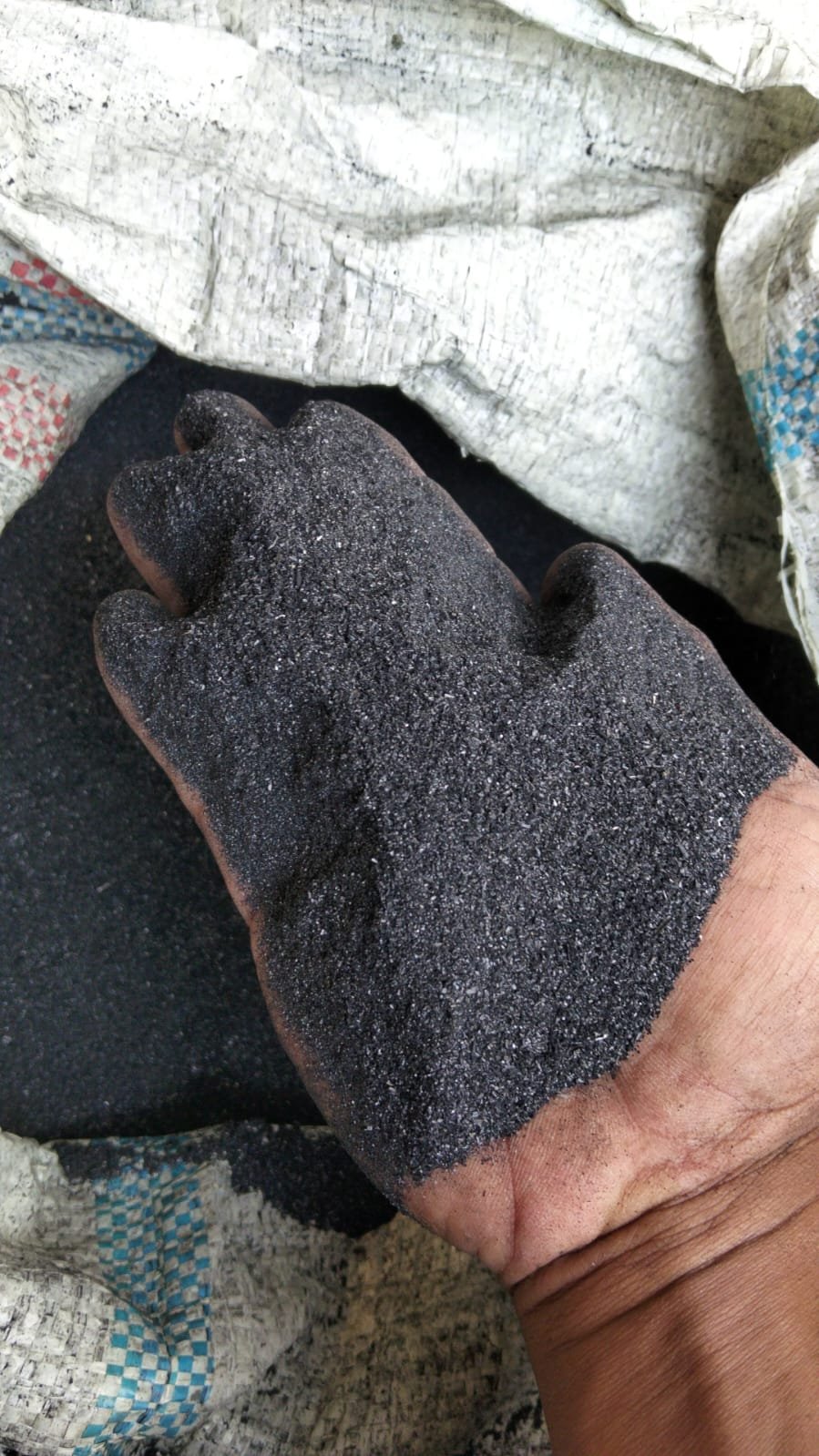
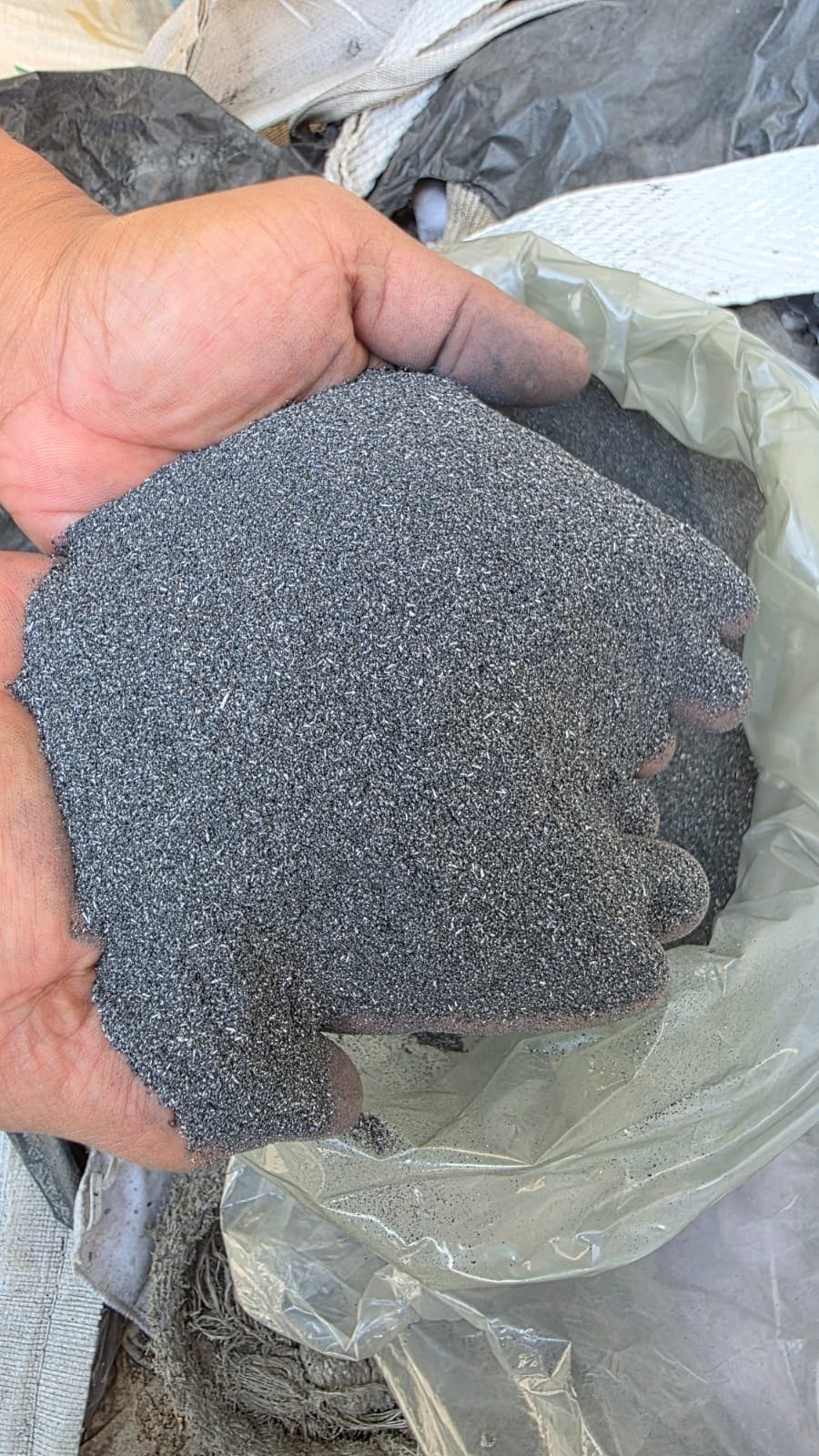
Palm kernel shell from PT Aji Bakuh Anugrah boasts a gross calorific value (GCV) of 4,603 kcal/kg and an ash content of 8–10%. The fixed carbon fraction stands at 34.8%, with silicon dioxide (SiO₂) comprising 67.6% of the composition. For comparison, rice husk natural delivers 3,105 kcal/g and contains 14.5% SiO₂, while Mid‑C RHA offers 80% SiO₂ minimum, 5–15% carbon, and 84.3% ash. High‑C RHA features 34.8% fixed carbon and 67.6% SiO₂. Pure White RHA guarantees a minimum of 92% SiO₂. These numbers underline the superior energy density and combustion stability of palm kernel shell.
When stacked against rice husk natural, palm kernel shell provides 50% higher energy per kilogram, making it more efficient for power generation. Compared with Mid‑C RHA, the lower ash content of palm kernel shell reduces slagging and prolongs boiler life. High‑C RHA’s fixed carbon is similar, but its higher silica content can lead to increased fouling in some combustion systems. Pure White RHA, while excellent for refractory applications, has a much lower calorific value. From experience, buyers who switch to palm kernel shell often see a 15% reduction in operating costs over a 5‑year horizon, thanks to its superior energy density and lower ash handling requirements.
PT ABA Help Desk