PT Aji Bakuh Anugrah — Gresik, East Java, Indonesia
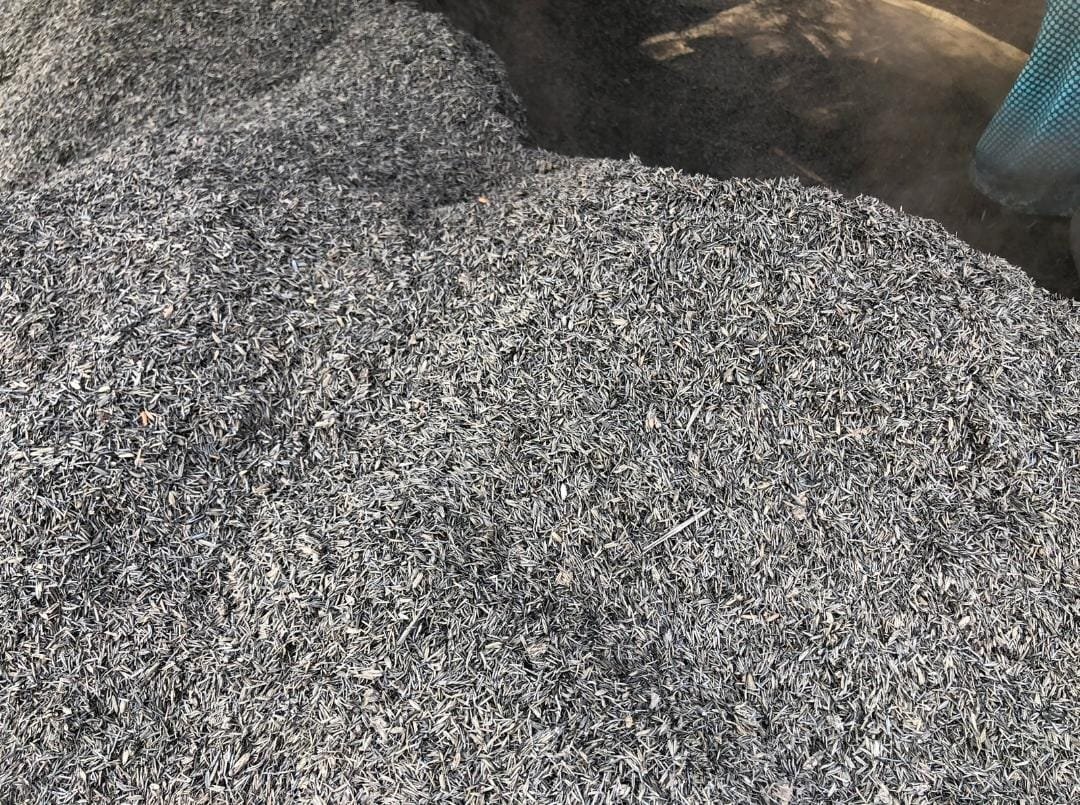
PT Aji Bakuh Anugrah is a leading biomass supplier based in Gresik, East Java, specializing in Southeast Asian rice husk ash. We provide diverse RHA grades tailored for industrial and environmental applications. Our facilities ensure consistent quality and reliable export logistics across the region.
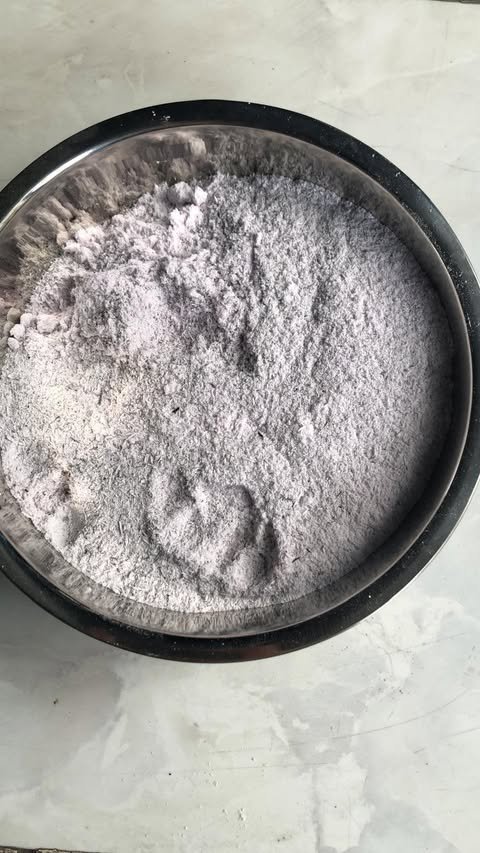
Industrial sectors utilize rice husk ash as a critical raw material for manufacturing concrete, ceramics, and glass frit. The high silica content in products like Pure White RHA, which contains at least 92% SiO2, makes it ideal for high-performance mixtures. Builders in Southeast Asia increasingly specify RHA to enhance the durability and compressive strength of their projects. Our Mid C RHA, featuring 80% minimum SiO2, offers a balanced composition for various construction additives.
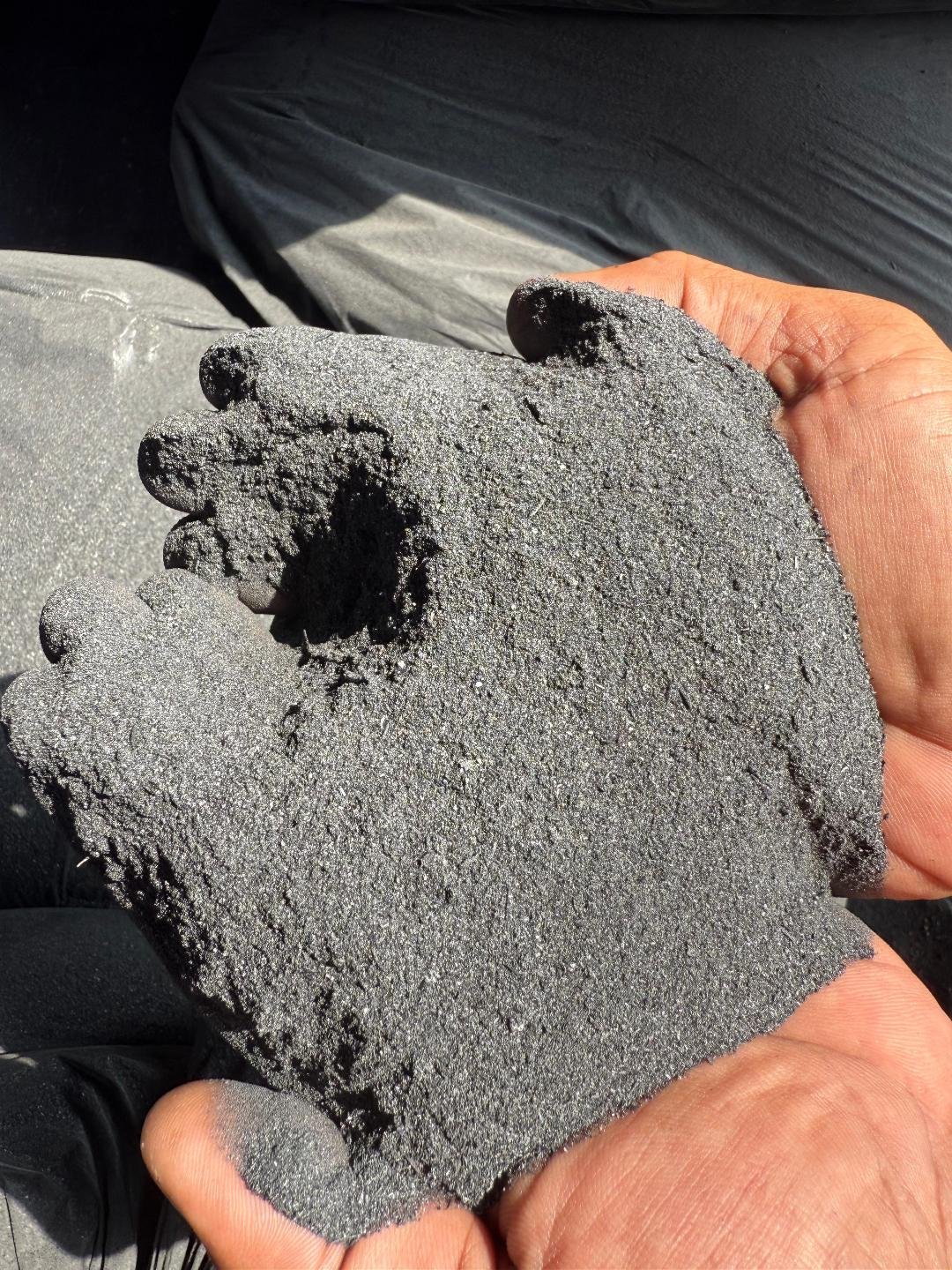
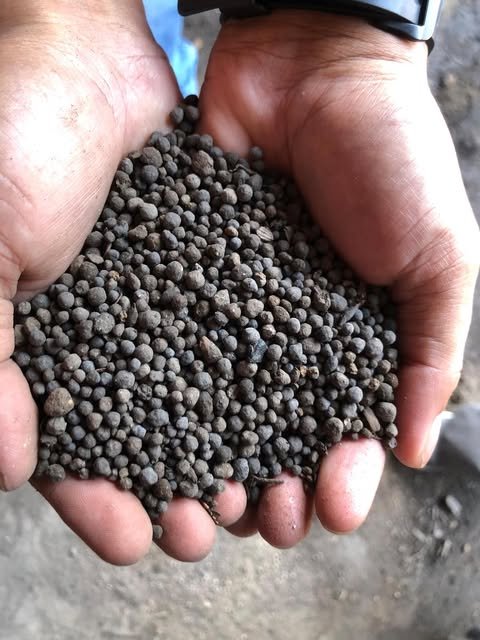
When comparing RHA to standard fly ash or synthetic silica, our natural products offer distinct compositional advantages for specific applications. Unlike fly ash, rice husk ash is a byproduct of biomass energy and does not contain heavy metal contaminants from coal combustion. The High C RHA variant, with 54.2% carbon, provides unique adsorption properties unavailable in fully burned alternatives. This differentiates our offerings from generic fillers, providing targeted value for specialized chemical manufacturing.
Selecting a reliable supplier requires verifying the stability of the SiO2 and carbon content across different production batches. Buyers should request recent laboratory certificates of analysis to confirm that the material meets specific technical requirements. Proximity to the origin in Gresik, East Java, reduces shipping risks and ensures fresher inventory for time-sensitive industrial projects. Reputable providers also offer transparent communication regarding supply chain consistency and quality control measures.
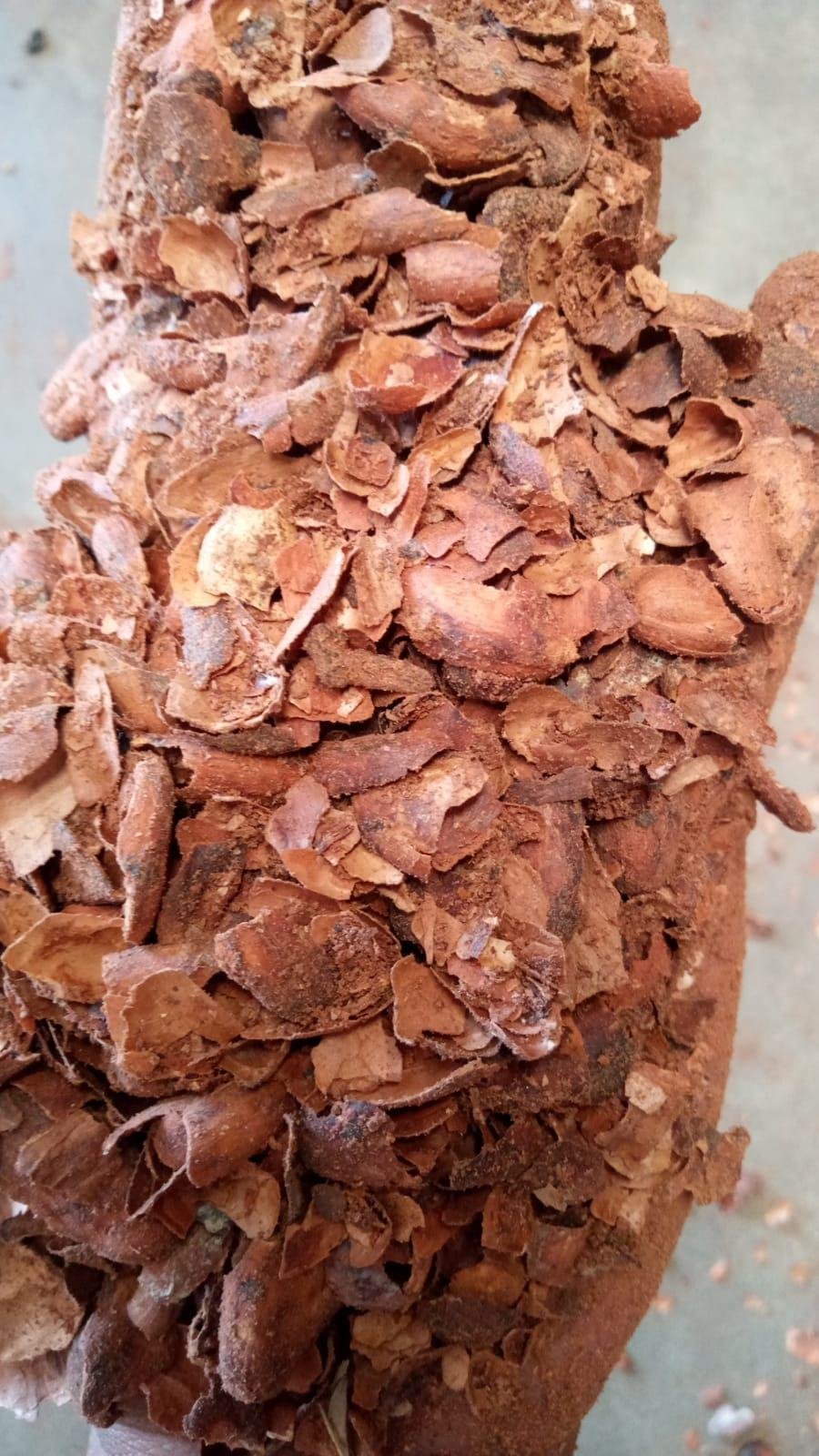
Rice husk ash is the residual material resulting from the combustion of rice husks used in biomass energy generation. It originates from agricultural waste, specifically the outer shell of rice grains, which is abundant in the Southeast Asian region. The chemical structure primarily consists of amorphous silica, formed during the high-temperature burning process. This natural origin ensures the product is free from the mineral impurities often found in geological quartz sources.
Utilizing crop residue for energy and material production significantly reduces the environmental burden of unburned organic waste. Our Low C and High C RHA products help divert biomass from landfills, thereby reducing methane emissions and soil pollution. The carbon content in High C RHA, measured at 54.2%, highlights the potential for using this ash in soil conditioning or filtration. This circular economy approach supports sustainable development goals in the energy and construction sectors.
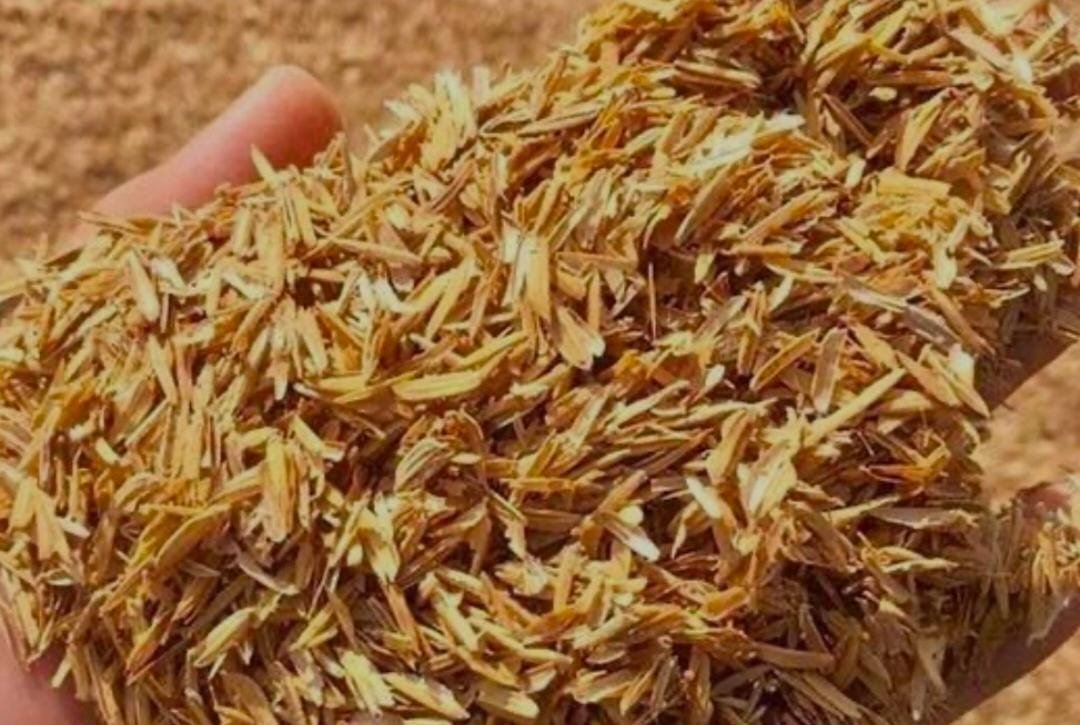
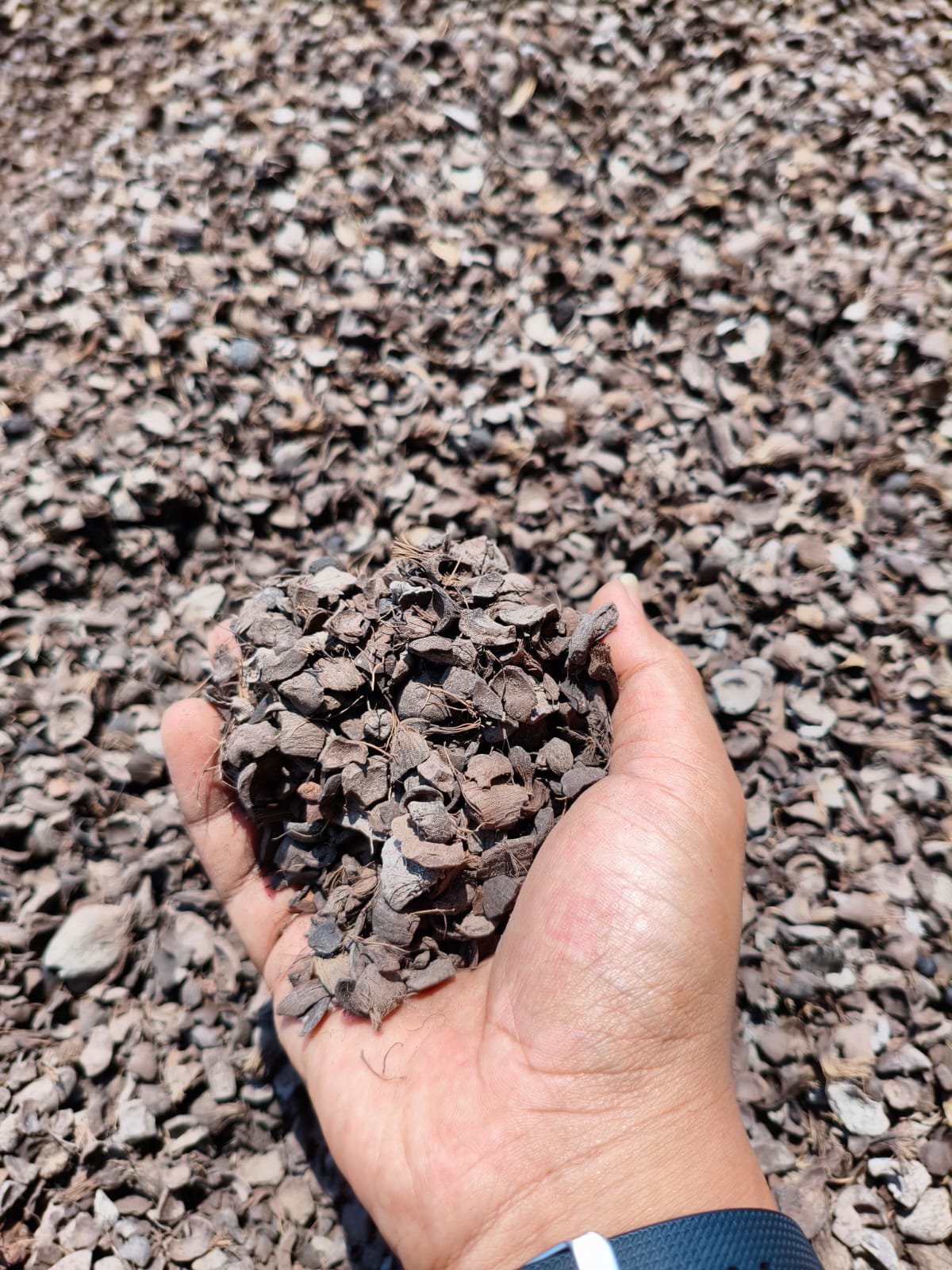
Technical parameters define the utility of rice husk ash, with SiO2 percentage being the primary indicator for industrial suitability. Our Rice Husk Natural retains 14.5% SiO2 and offers a calorific value of 3105 kcal/g for direct fuel use. In contrast, the refined Pure White RHA achieves a minimum SiO2 concentration of 92%, suitable for high-purity silica needs. These distinct grades allow manufacturers to select the exact thermal and chemical profile required for their processes.
PT ABA Help Desk