PT Aji Bakuh Anugrah — Gresik, East Java, Indonesia
29 Oct 2026 · PT Aji Bakuh Anugrah
When the sun sets over the rice paddies of Gresik, a new kind of energy is born. PT Aji Bakuh Anugrah has turned the humble husk of rice into a powerhouse of industrial and environmental potential. The company’s fleet of export vessels is already charting a route from Surabaya to markets around the globe. What many buyers overlook is the depth of quality and versatility packed into each kilogram of husk. In practice, this means stronger concrete, cleaner fuels, and higher‑value byproducts for a growing green economy.
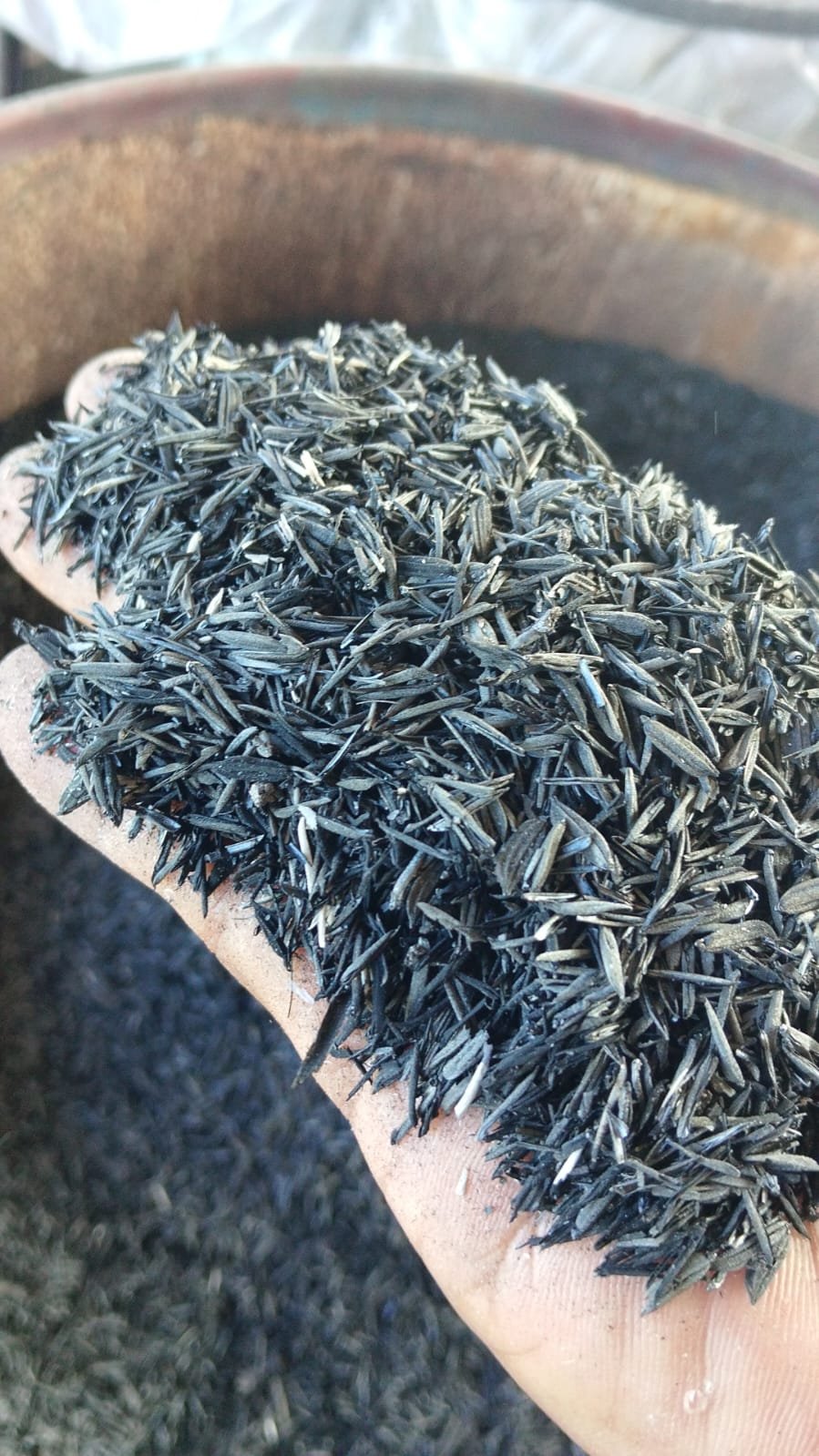
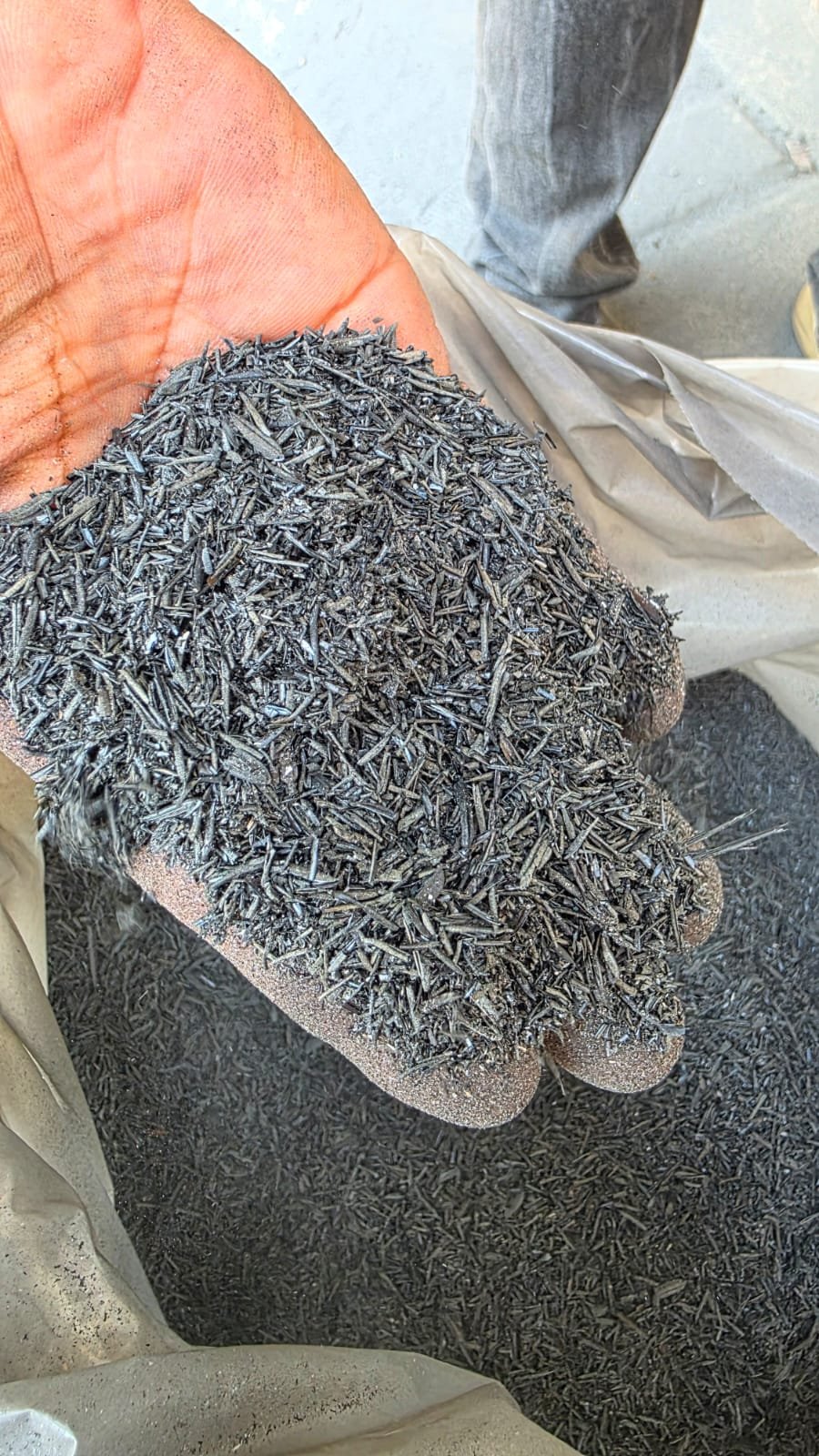
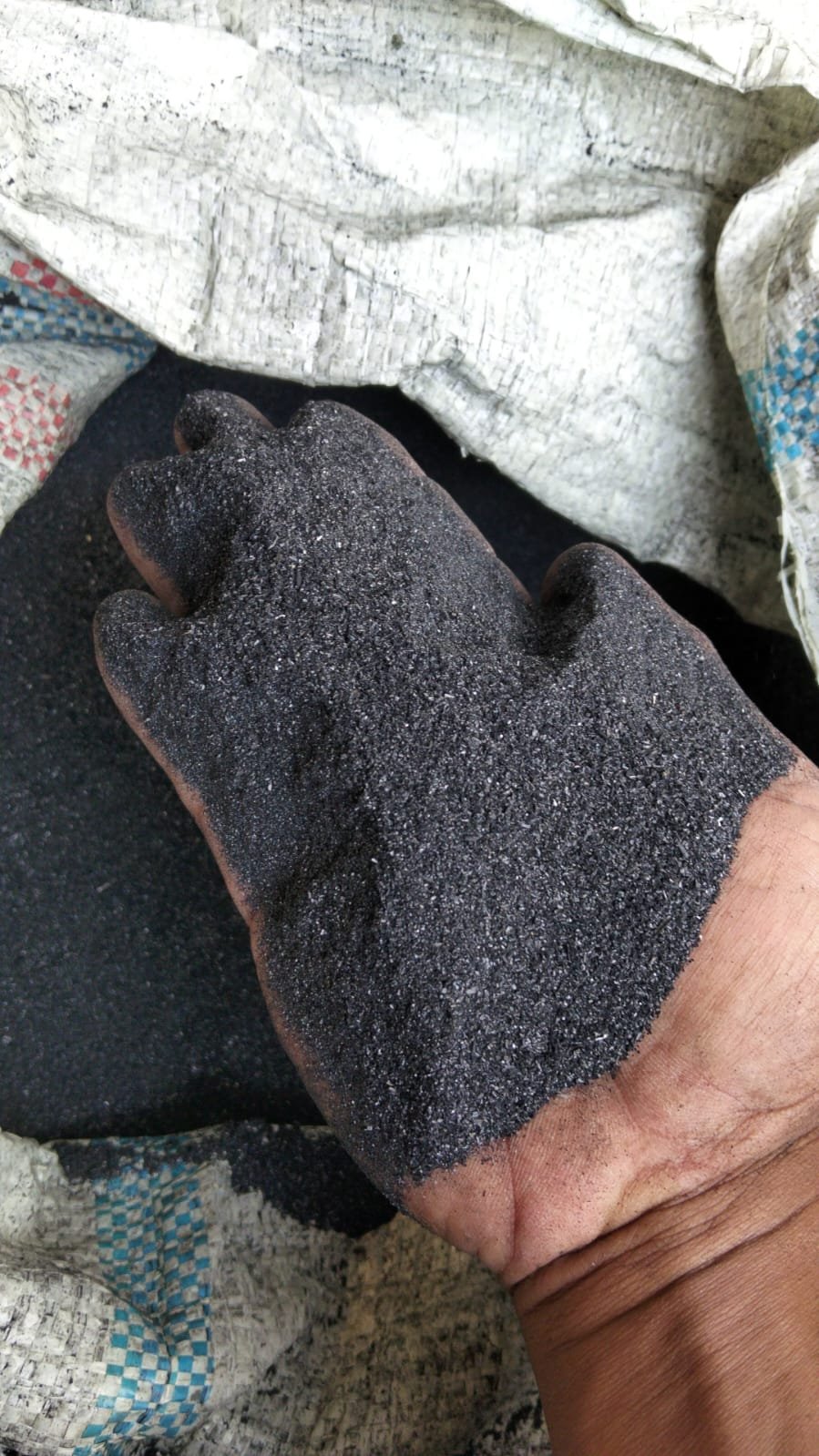
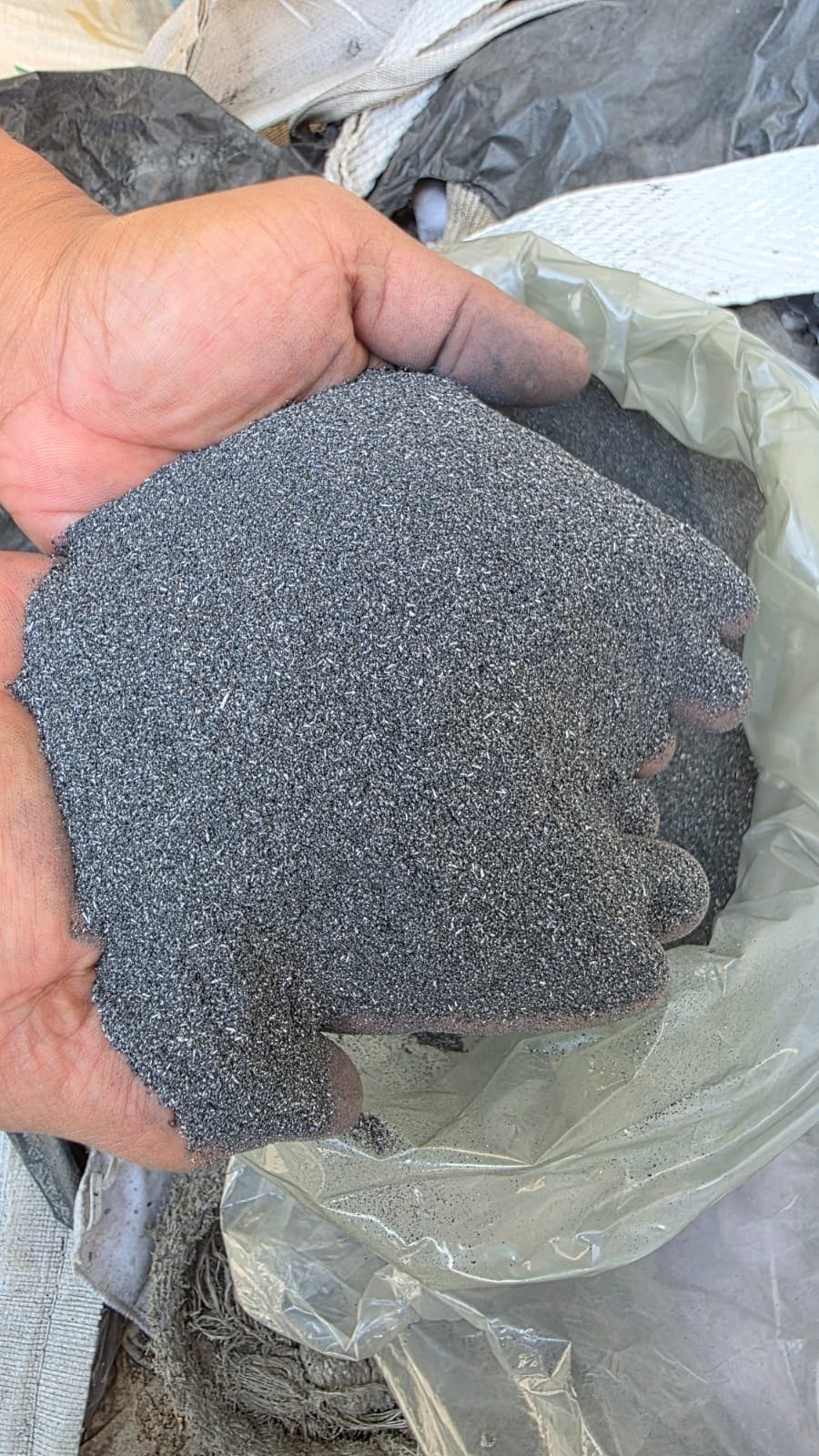
Rice husk ash (RHA) is a superstar in the cement industry, replacing up to 15% of clinker while boosting compressive strength. Our Mid C RHA, with SiO2 at 80% and ash 84.3%, is especially prized for high‑performance concrete. In the automotive sector, High C RHA’s fixed carbon content of 34.8% and SiO2 67.6% serves as a lightweight aggregate for body panels. The natural husk’s 3105 kcal/g energy content makes it an excellent additive for cement kilns, cutting emissions by up to 5% per ton of clinker. Construction firms in Southeast Asia are already using our Pure White RHA, boasting SiO2 over 92%, to produce fire‑resistant bricks that meet international safety standards.
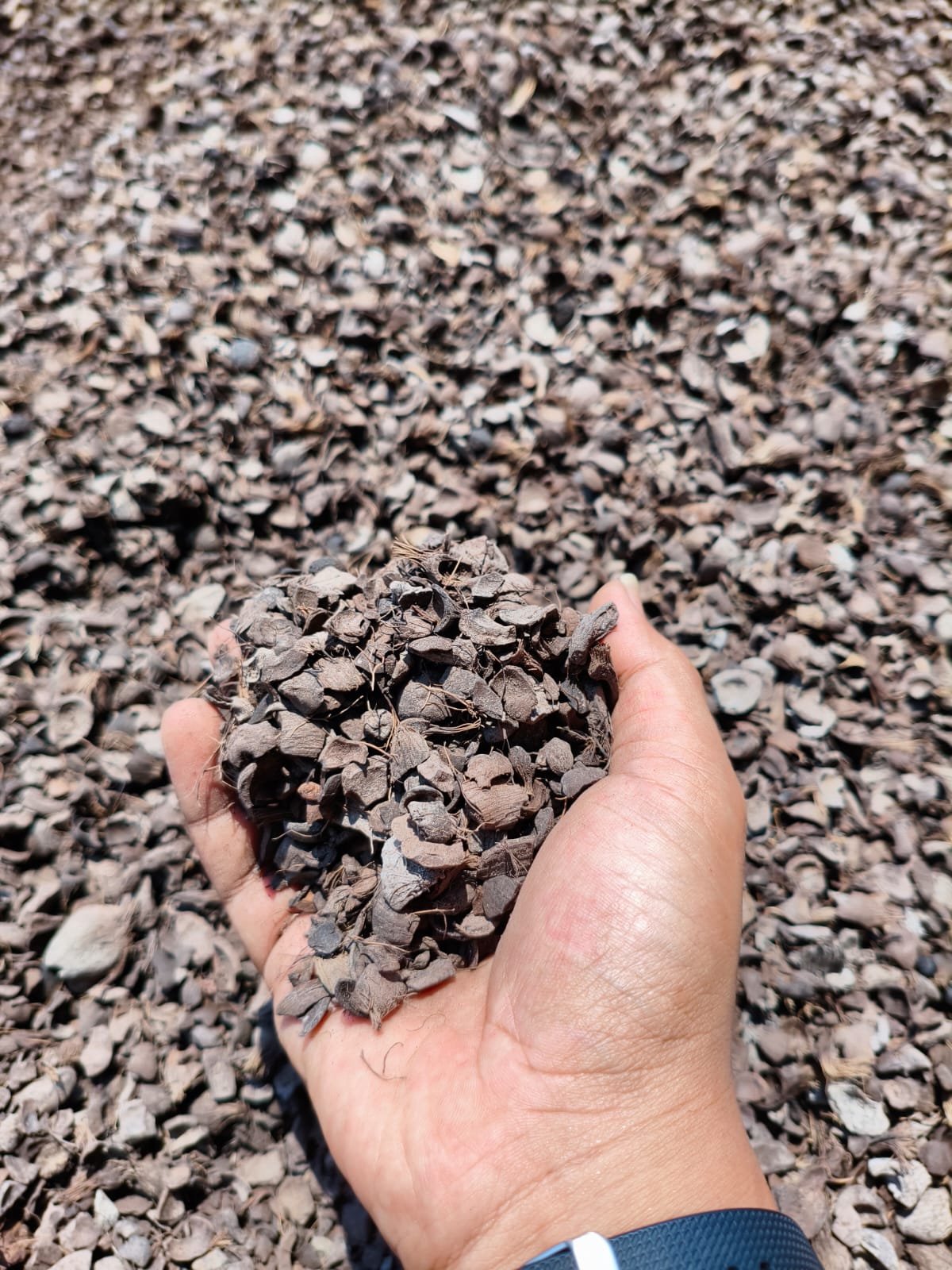
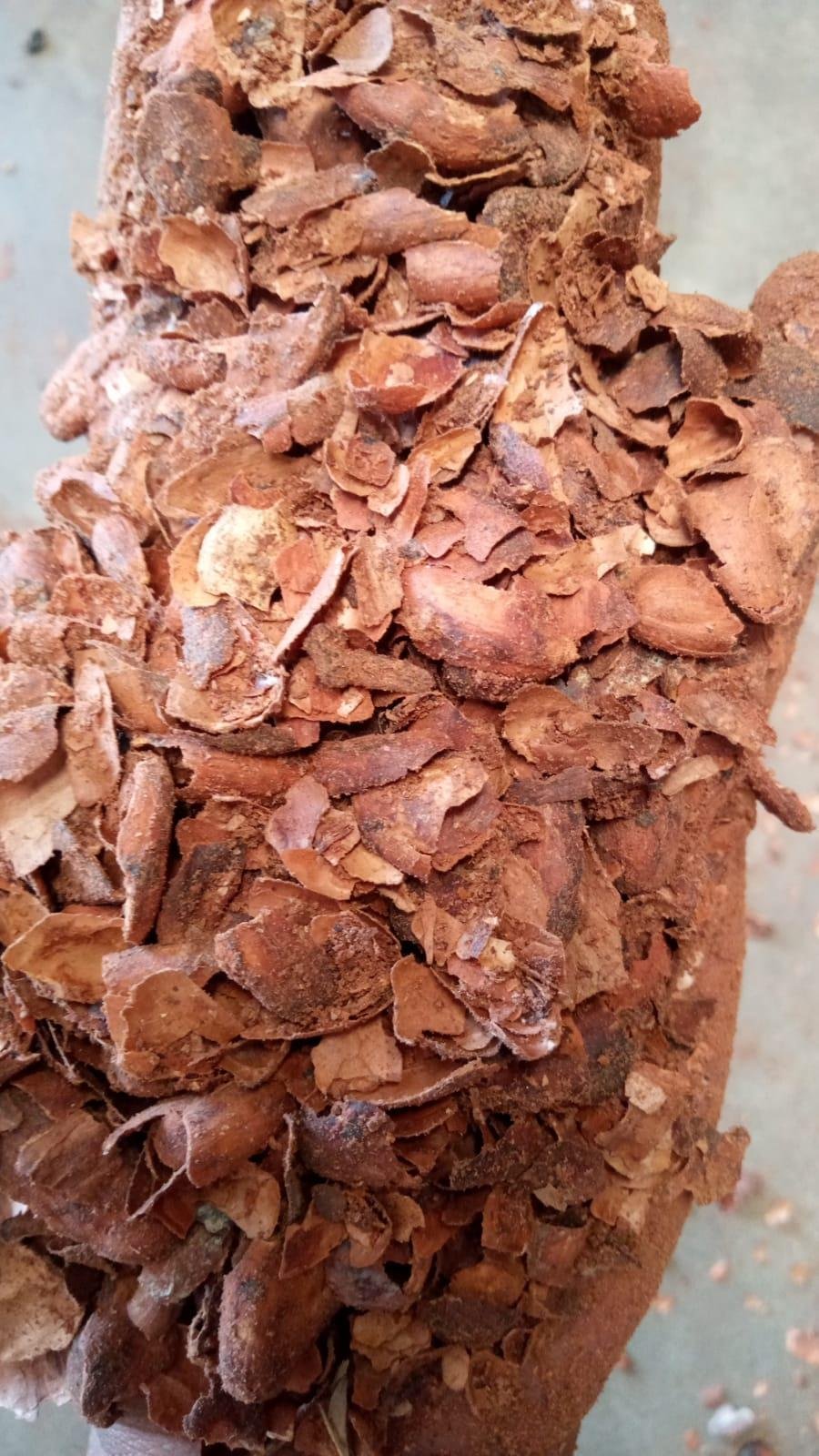
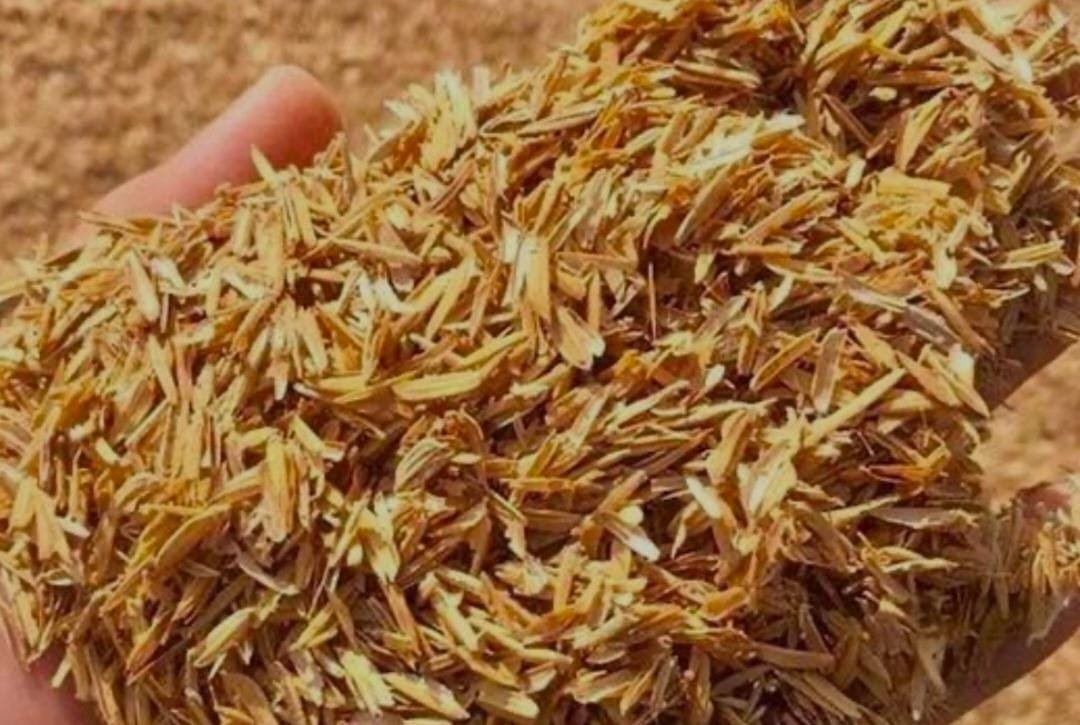
Rice husk is the protective shell that encases the grain. Once discarded, it has become a valuable biomass resource. In the energy sector, it is burned as a supplementary fuel in power plants and cement kilns, delivering a net calorific value of 4603 kcal/kg for palm kernel shell variants. In the food industry, the feed meal, with protein at 16.19%, finds its place in animal nutrition. From construction to chemical manufacturing, rice husk’s silica content—up to 92% in Pure White RHA—makes it a sought‑after raw material worldwide.
Our natural husk delivers a consistent 3105 kcal/g, with SiO2 at 14.5%. The Mid C RHA meets a minimum SiO2 of 80%, carbon between 5-15%, and ash content of 84.3%. High C RHA features a fixed carbon of 34.8% and SiO2 of 67.6%, while Pure White RHA guarantees SiO2 at 92% or higher. Palm Kernel Shell offers a GCV of 4603 kcal/kg, and our Feed Meal maintains a stable protein level of 16.19%. These figures are verified by third‑party laboratories and meet ISO 9001 standards.
First, confirm the end‑use application—cement, fuel, or animal feed—to select the appropriate husk grade. Second, evaluate the supplier’s certification; PT Aji Bakuh Anugrah holds ISO 9001 and ISO 14001, ensuring both quality and environmental compliance. Third, consider logistics: our port in Surabaya is a hub for bulk shipping, reducing transit times. Fourth, price is influenced by moisture content and delivery volume; bulk contracts beyond 10,000 tonnes qualify for a 5% discount. Finally, request a sample before placing a large order to verify ash and calorific values on site.
Unlike many suppliers who offer a single grade of husk, PT Aji provides a full spectrum—from natural to specialized RHA and palm kernel shell. Our on‑site testing facility guarantees real‑time data, while our dedicated logistics team ensures on‑time delivery from Surabaya’s busiest port. Buyers often compare our prices with overseas exporters, but our proximity to major Indonesian manufacturers cuts shipping costs by up to 20%. Moreover, our commitment to sustainability—reducing waste in rice mills—means every kilogram exported is part of a circular economy.
Using rice husk as a fuel cuts CO2 emissions by replacing fossil fuels with a renewable alternative. In practice, our high‑silica RHA improves cement’s durability, reducing the need for additional raw materials. Palm kernel shell, a byproduct of oil extraction, is repurposed as a clean energy source, preventing open‑field burning. PT Aji Bakuh Anugrah’s waste‑to‑wealth model aligns with the United Nations Sustainable Development Goals, providing local communities with jobs while protecting the planet.
PT ABA Help Desk