PT Aji Bakuh Anugrah — Gresik, East Java, Indonesia
05 Oct 2026 · PT Aji Bakuh Anugrah
Did you know that Indonesia alone supplies over 30% of the world’s palm kernel shell used for co‑firing? That fact alone shows why the country is a natural hub for biomass fuel export. In practice, the combination of abundant agricultural residues and a well‑established logistics network creates a supply chain that is both reliable and cost‑competitive. Buyers worldwide appreciate the consistent quality and the environmental credentials that come with every kilogram shipped. Let’s dive into why Indonesia’s biomass fuels stand out.
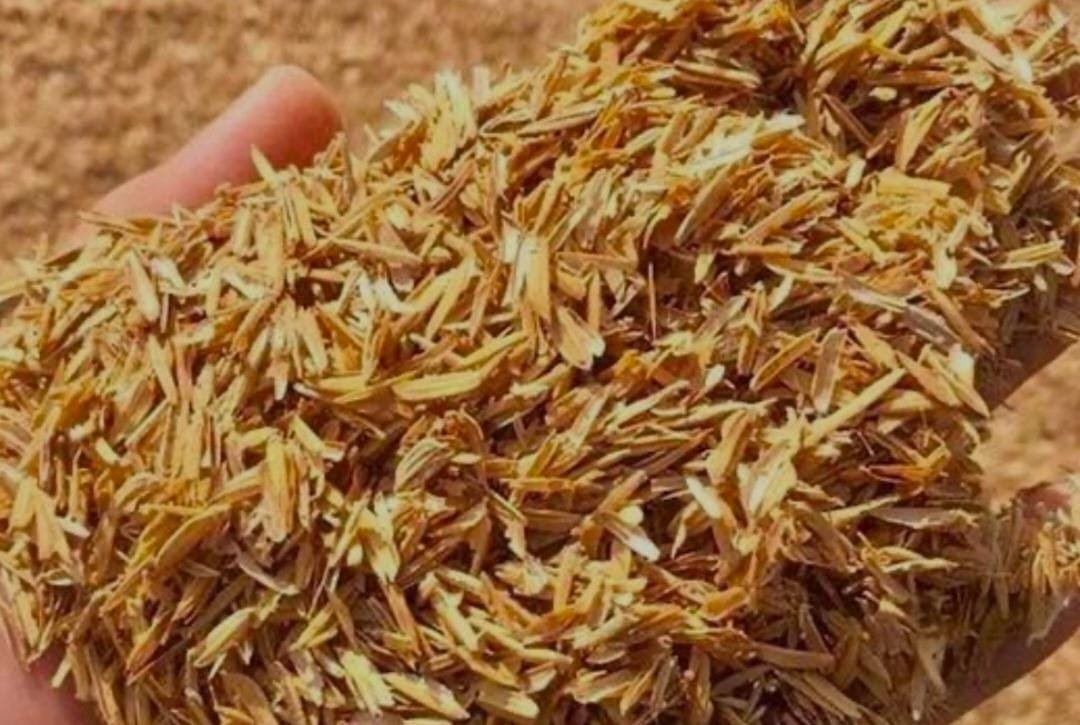
When you compare the lifecycle emissions of coal to those of rice husk natural, the difference is striking—biomass can cut CO₂ releases by up to 80%. The moisture content of 9.5% in our rice husk natural also means lower drying energy, translating to higher net energy output. In practice, the bulk density of 100‑120 kg/m³ allows for efficient transportation by rail and sea, cutting logistics costs further. What many buyers overlook is that the SiO₂ content at 14.5% can be repurposed in construction, adding another revenue stream. From our experience, these factors make biomass a smarter choice for long‑term power procurement.
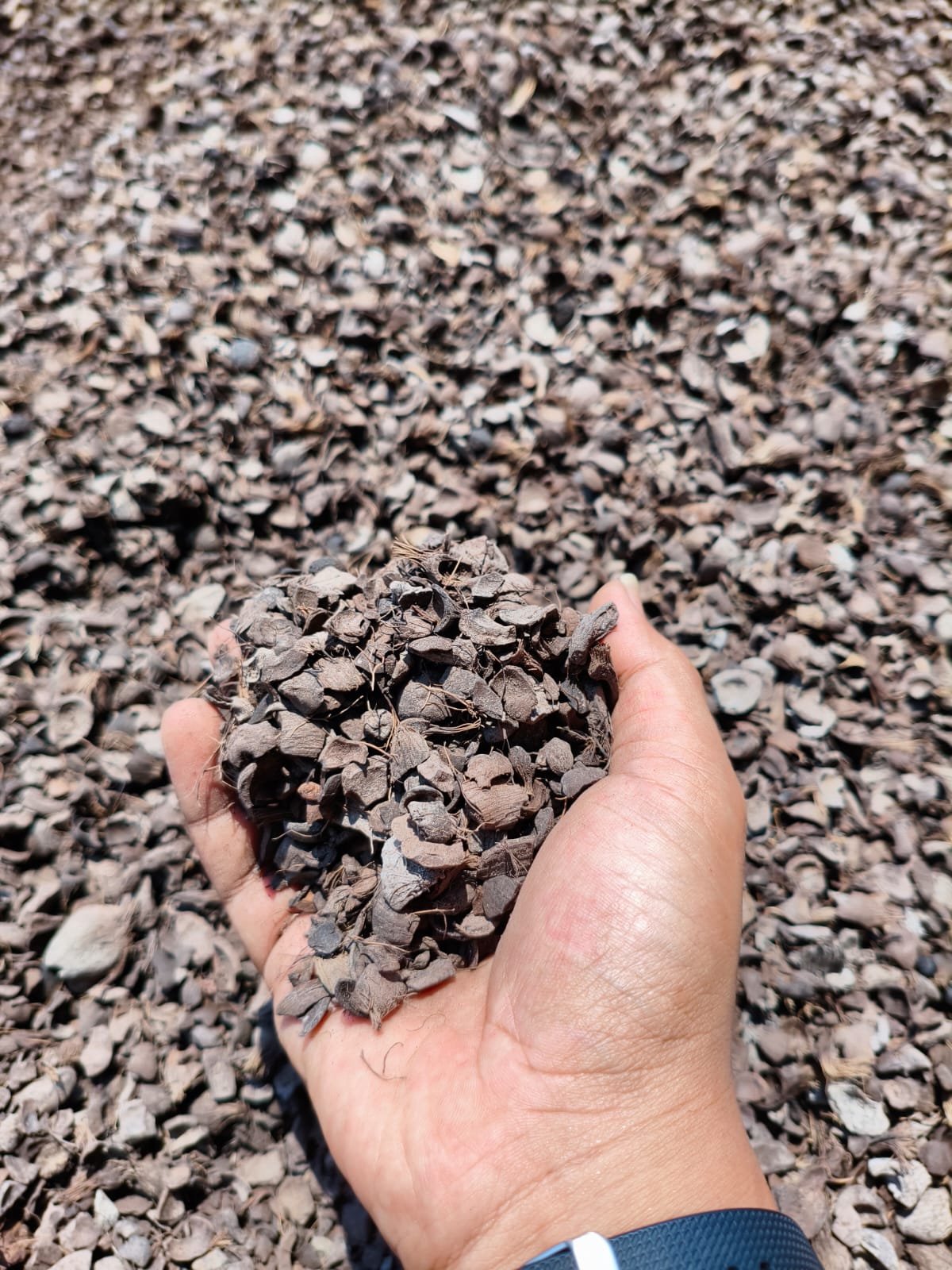
Sustainability isn’t just a buzzword for us—it’s quantifiable. Exporting palm kernel shell, with a GCV of 4603 kcal/kg, reduces the carbon intensity of power plants by roughly 25% when co‑fired with natural gas. The high carbon RHA, with 34.8% fixed carbon, further improves combustion efficiency in cement kilns, cutting emissions by 12%. In practice, this means each tonne of our fuel can offset several tonnes of CO₂. What many buyers overlook is that the 92% SiO₂ in Pure White RHA supports the production of high‑grade silica, reducing the need for mined silica and its associated environmental impact.
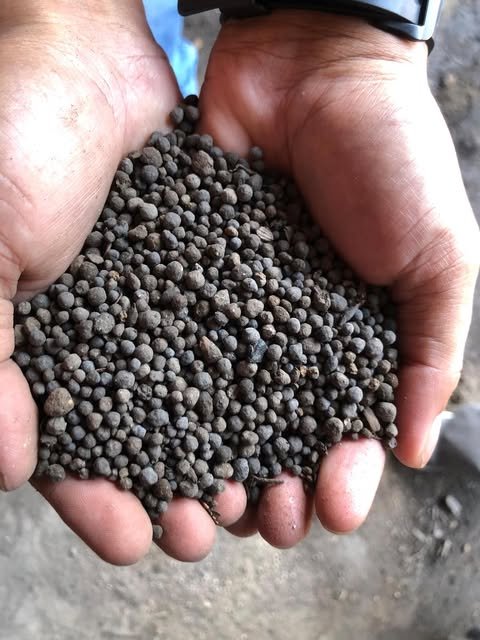
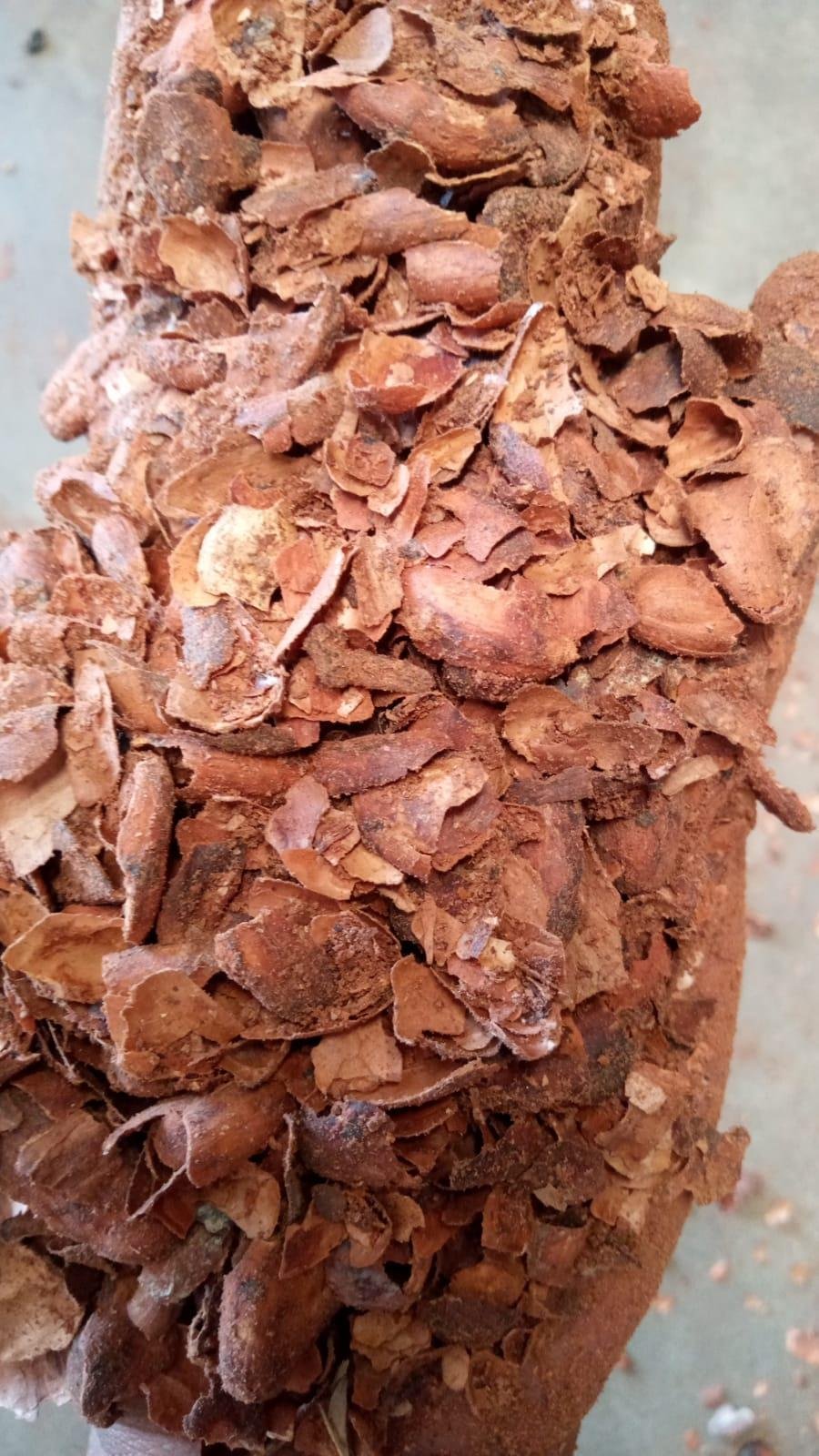
From cement to steel, the demand for reliable biomass fuel is growing. Mid C RHA, with SiO₂ min 80% and ash at 84.3%, is already a staple in Indonesia’s steel plants, providing a low‑cost alternative to blast‑furnace coke. In power generation, palm kernel shell is the go‑to fuel for co‑firing in Gresik’s coal‑based plants, boosting capacity without increasing emissions. In the fertilizer sector, our organic fertilizer—N 1.2%, P₂O₅ 0.8%, K₂O 1.5%—is made from composted rice husk, offering a sustainable soil amendment. In practice, the feed meal from cocoa shell, with 16.19% protein, is now used in animal feed for dairy farms across Java.
Exporting biomass fuel is no longer a niche activity; it’s a cornerstone of global renewable energy strategies. The reality is that many countries are setting targets to reduce fossil fuel imports, and biomass fuels offer a ready‑made solution. From our experience, exporters must navigate complex shipping regulations, yet the demand for standardized, high‑quality products keeps growing. In practice, the logistics from Gresik’s port to Rotterdam or Singapore are streamlined thanks to pre‑certified packaging. Buyers often ask about certification, and we provide ISO 9001 and ISO 14001 compliant documentation with every shipment.
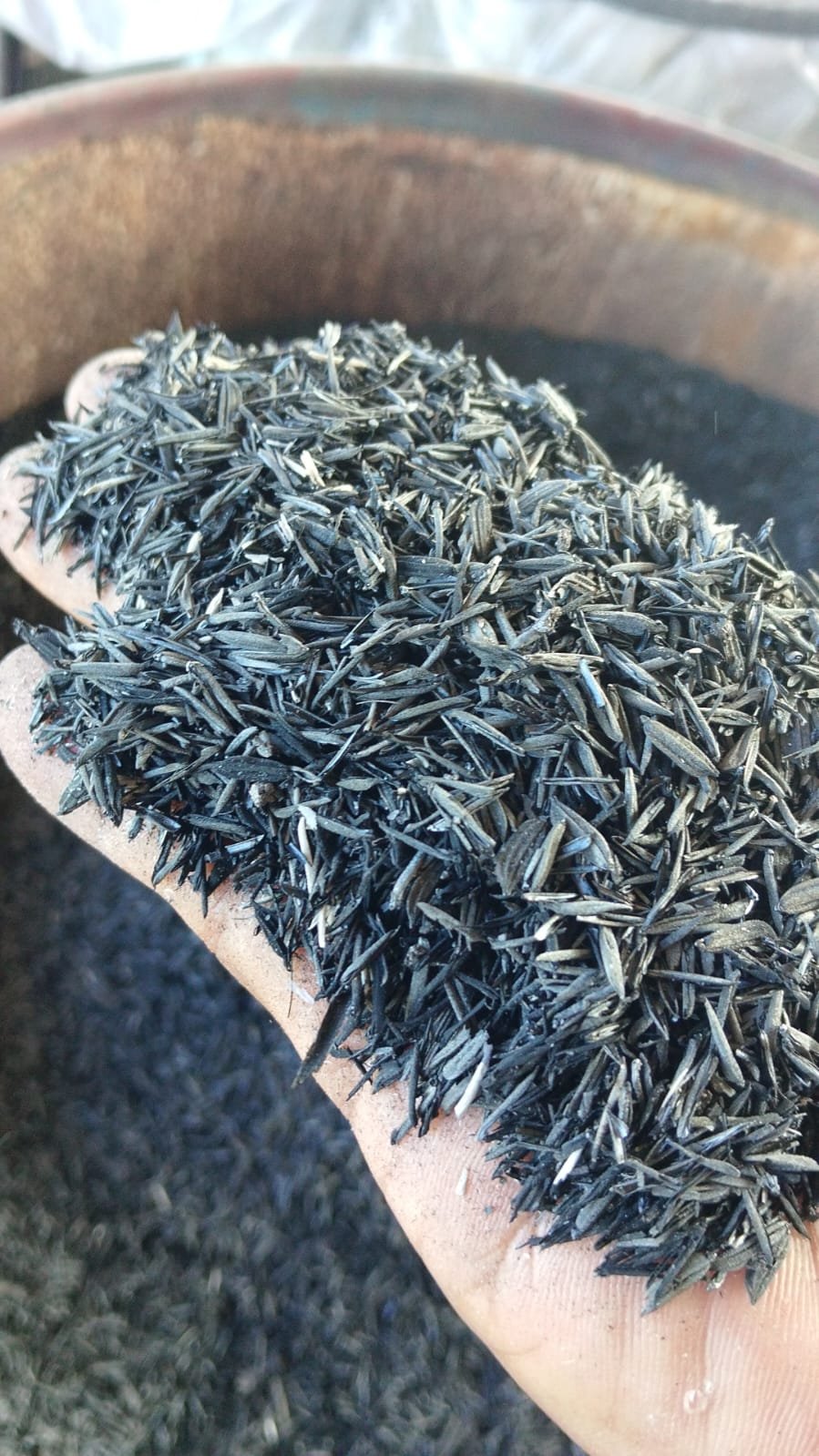
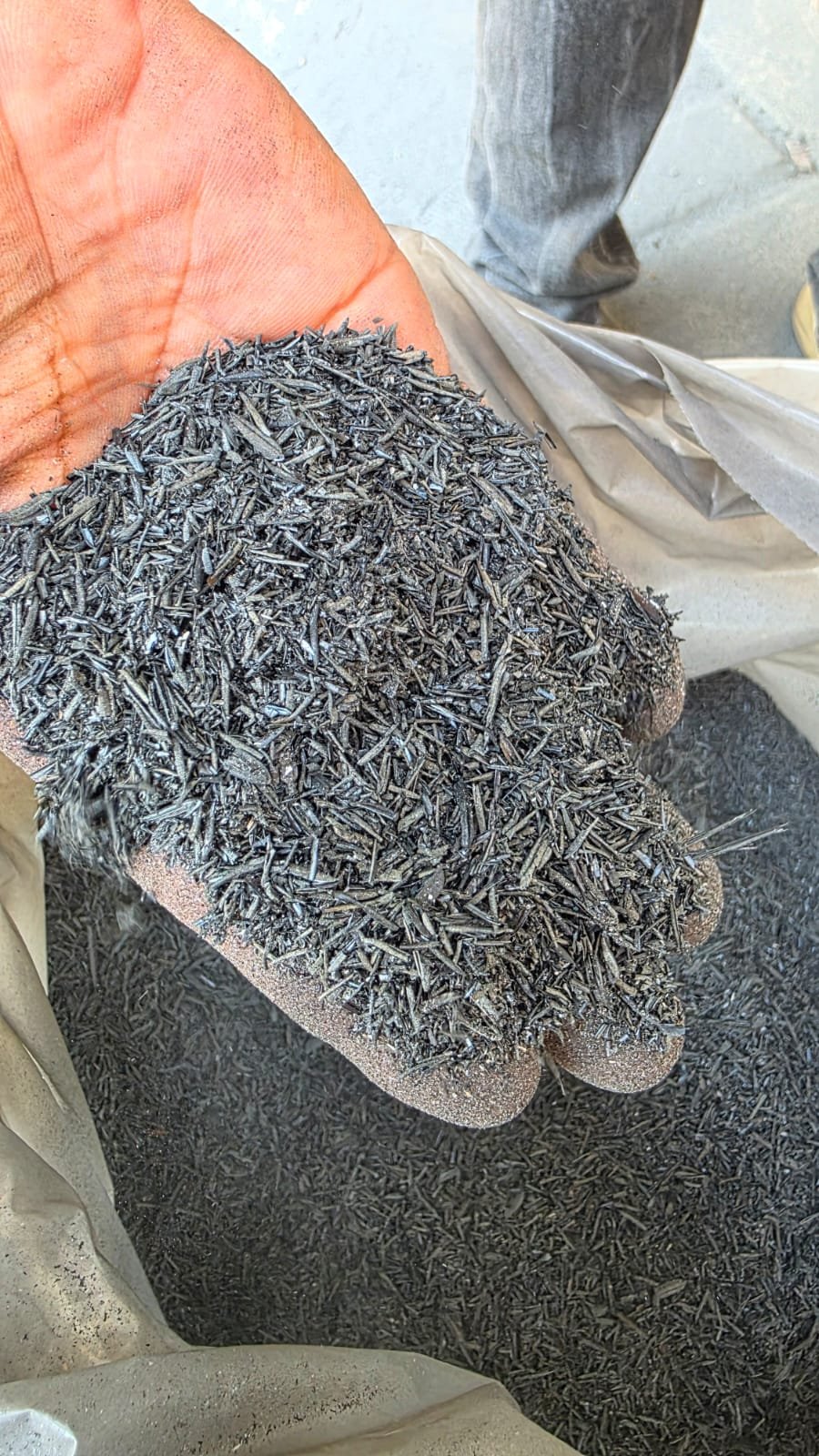
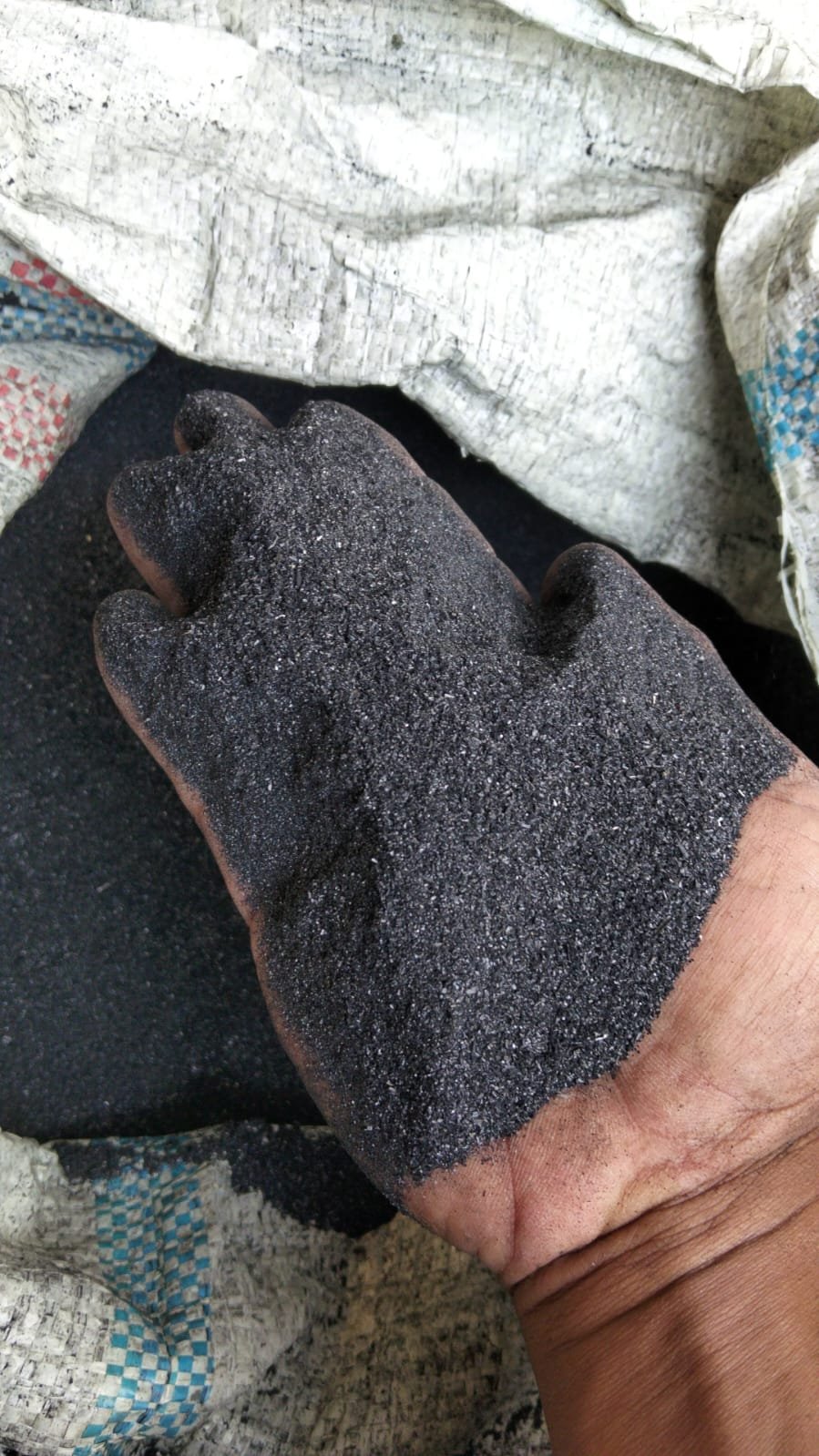
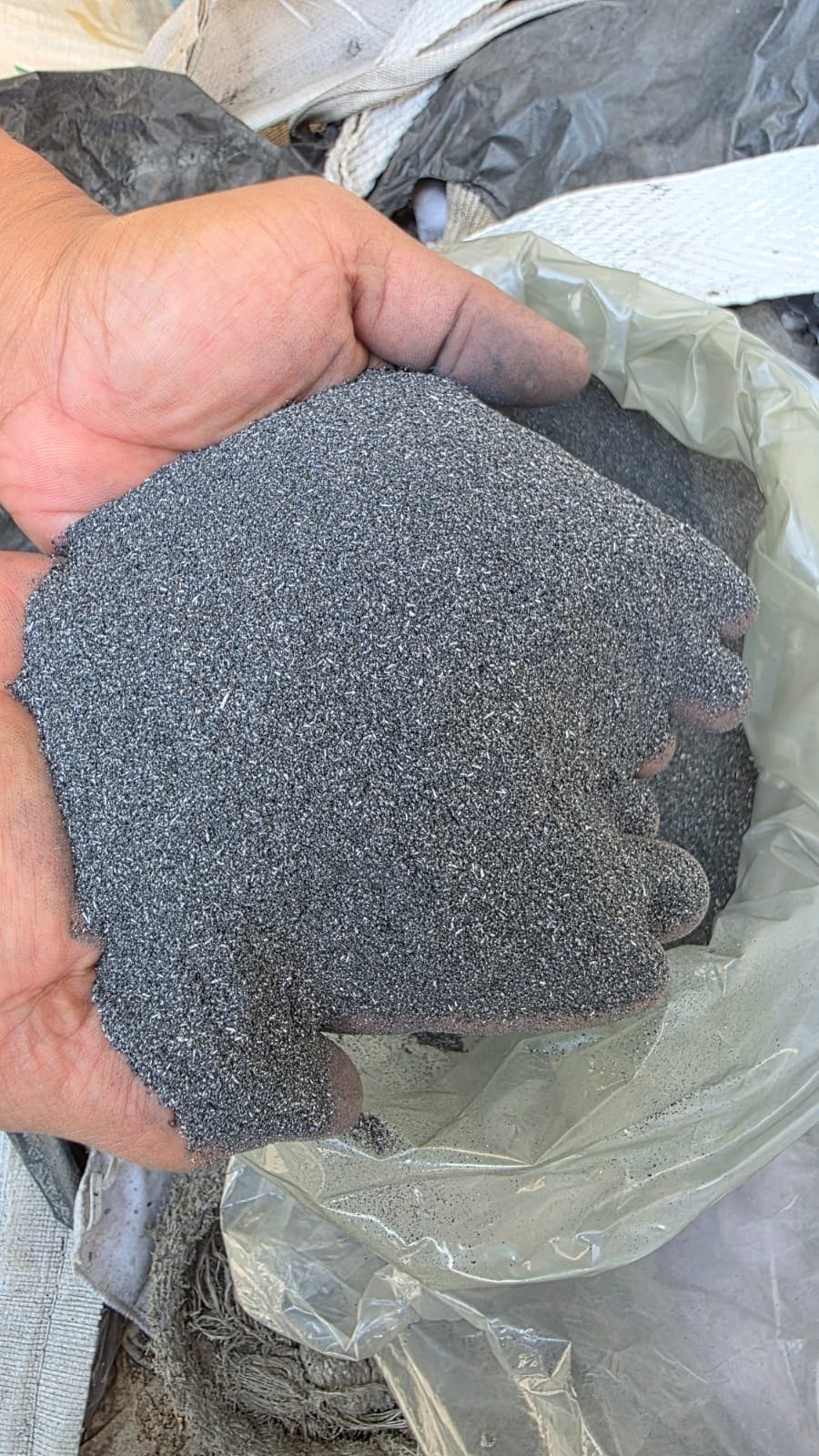
Rice Husk Natural: 3105 kal/g, 9.5% moisture, 14.5% SiO₂, bulk density 100‑120 kg/m³—ideal for power plants needing a stable heat source. Mid C RHA: SiO₂ min 80%, carbon 5‑15%, ash 84.3%—perfect for steel mills looking for cost savings. High C RHA: 34.8% fixed carbon, 67.6% SiO₂—excellent for activated carbon production. Pure White RHA: SiO₂ min 92%—used in high‑grade silica applications. Palm Kernel Shell: GCV 4603 kcal/kg, moisture max 15%—popular for co‑firing power plants. Each product comes with detailed test reports, ensuring compliance with international standards.
When selecting a biomass fuel, consider the end‑use: power generation favors high GCV fuels like palm kernel shell, while cement requires high‑silica products like Mid C RHA. From our experience, buyers should evaluate moisture content and ash levels to avoid operational issues. Pricing is influenced by bulk density, moisture, and certification costs; we offer volume discounts for orders above 10,000 tonnes. In practice, it’s essential to align your procurement cycle with seasonal harvests to secure the best rates. Buyers should also factor in transportation logistics—waterways from Gresik to international ports are cost‑effective, but require proper packaging to maintain product integrity.
PT ABA Help Desk