PT Aji Bakuh Anugrah — Gresik, East Java, Indonesia
12 Oct 2026 · PT Aji Bakuh Anugrah
When the lights flicker on a factory floor or a community relies on steady heat, the source of that energy matters more than ever. PT Aji Bakuh Anugrah, based in Gresik, East Java, has positioned itself as the go‑to supplier for biomass fuels in the region. Their catalog spans from high‑energy palm kernel shell to versatile RHA products and protein‑rich feed meal. With an eye on both performance and environmental stewardship, the company bridges the gap between traditional fuels and modern sustainability demands. This article dives into why their offerings are essential for today’s energy landscape.
A biomass fuel distributor aggregates renewable organic materials, processes them, and delivers ready‑to‑use fuel to industrial and commercial buyers. PT Aji Bakuh Anugrah sources locally abundant residues like rice husk and palm kernel shell, then grades them to meet specific energy and combustion standards. In practice, they handle everything from raw material procurement to logistics, ensuring consistent quality for end users. Buyers often overlook the critical role of a distributor in maintaining supply chain integrity, especially in regions with variable resource availability. By centralizing this function, PT Aji streamlines procurement for factories, power plants, and community heating systems.
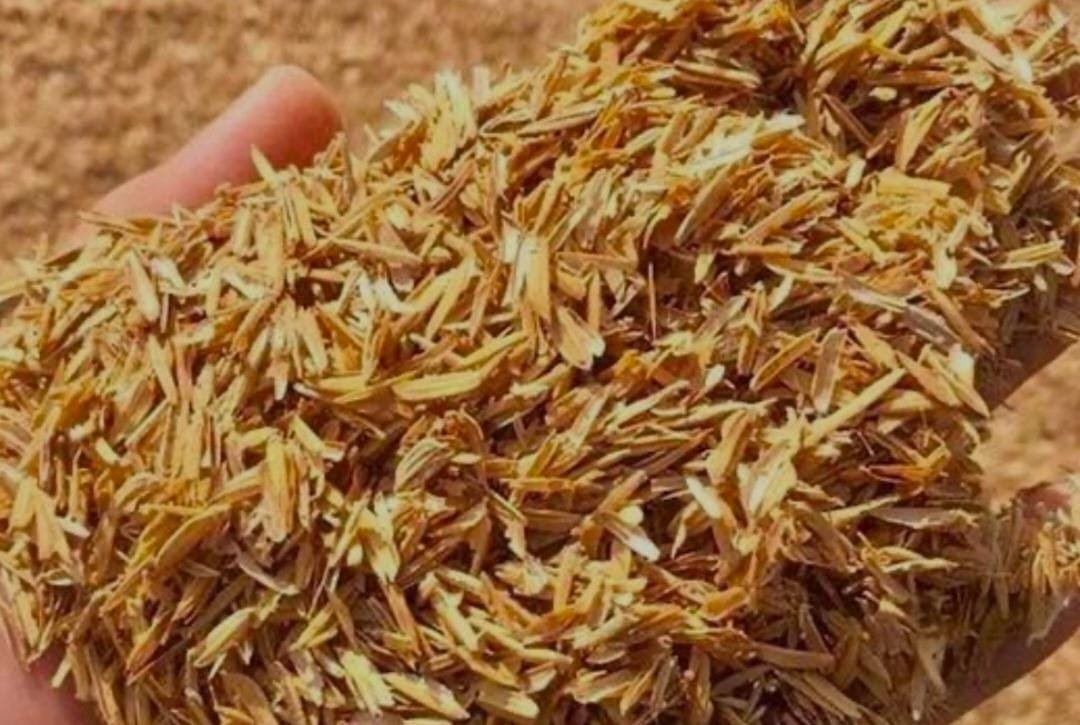
Using biomass fuels reduces dependence on fossil fuels and cuts greenhouse gas emissions, contributing to national carbon budgets. What many buyers overlook is the dual benefit of waste reduction and soil nutrient recovery when byproducts are returned to agriculture. PT Aji’s rice husk natural offers 3105 kcal/g, while palm kernel shell delivers 4603 kcal/kg, providing high energy density with minimal environmental footprint. Their RHA variants—mid‑C, high‑C, and pure white—contain SiO2 levels ranging from 80% to 92%, which not only enhance combustion efficiency but also offer silica for cement and refractory industries. By integrating these materials, companies can claim both energy savings and sustainable sourcing.
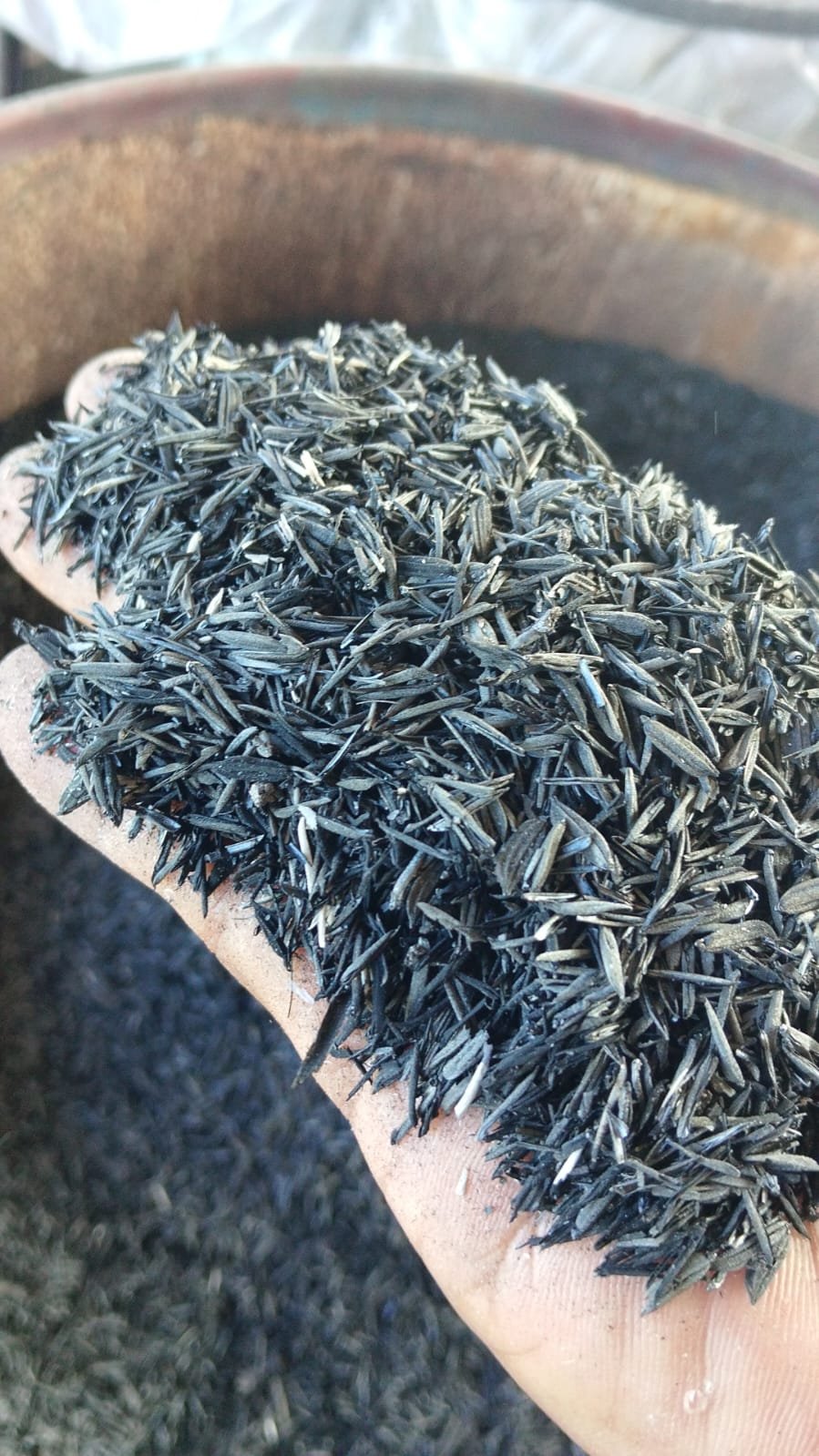
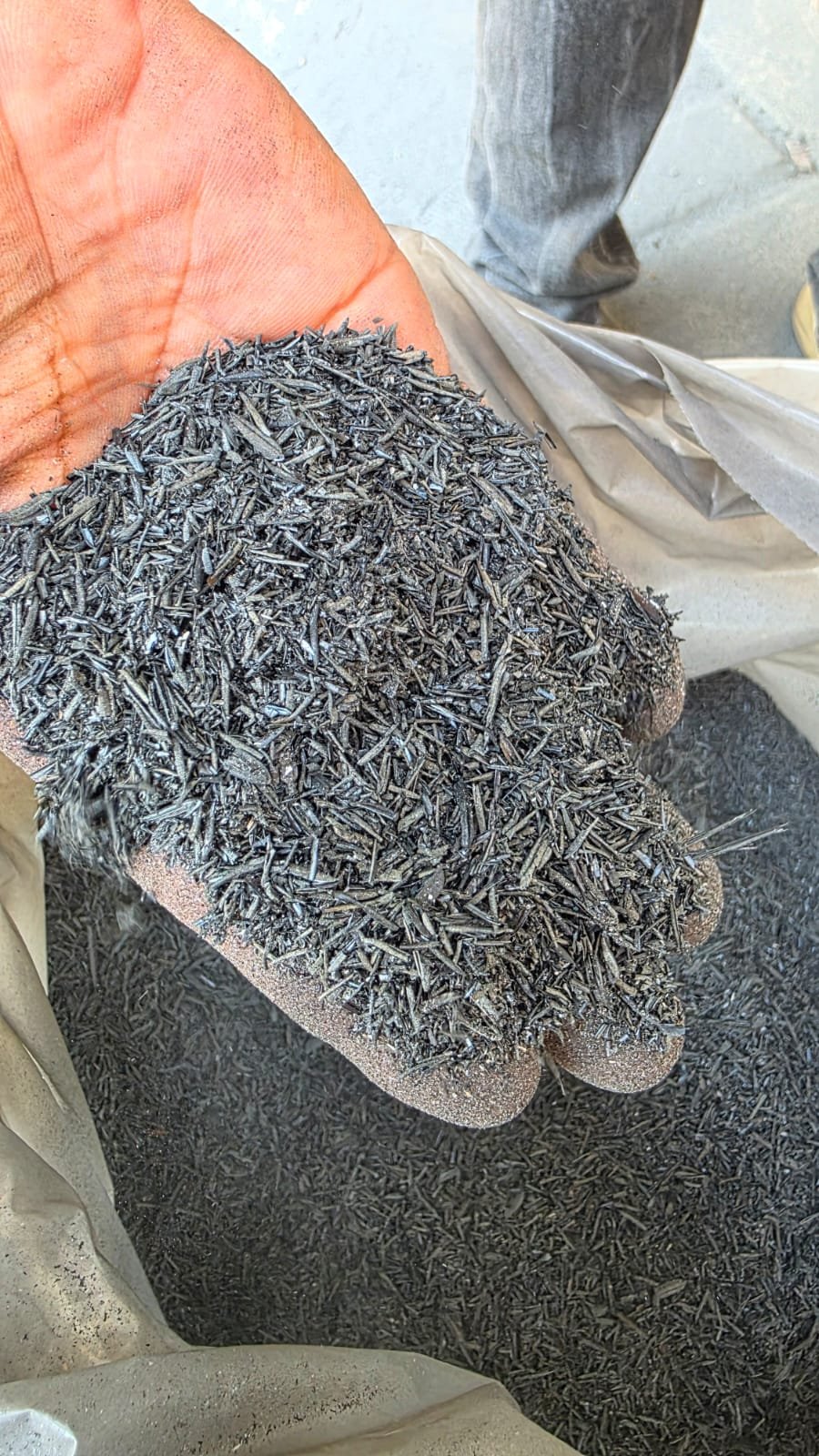
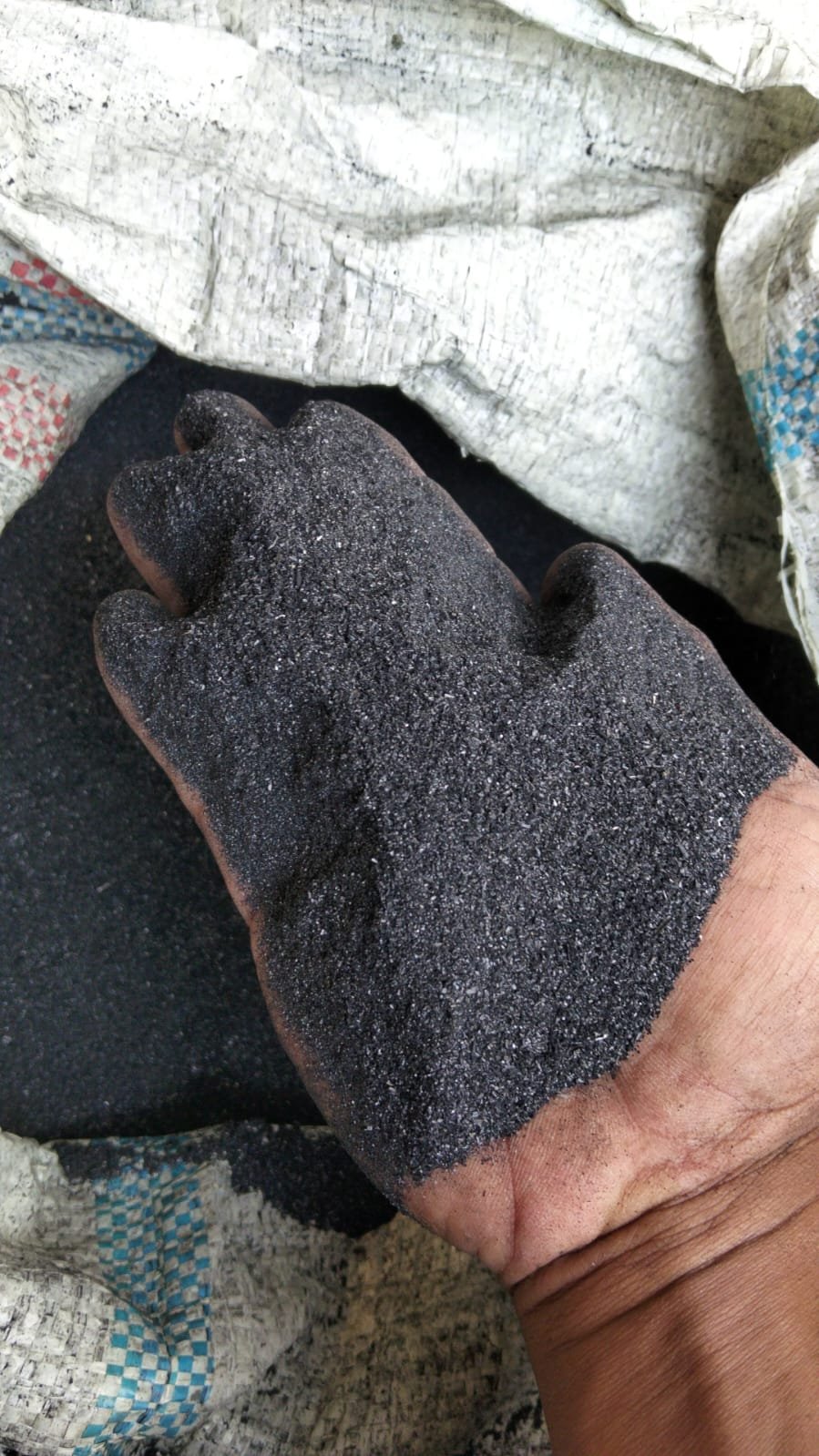
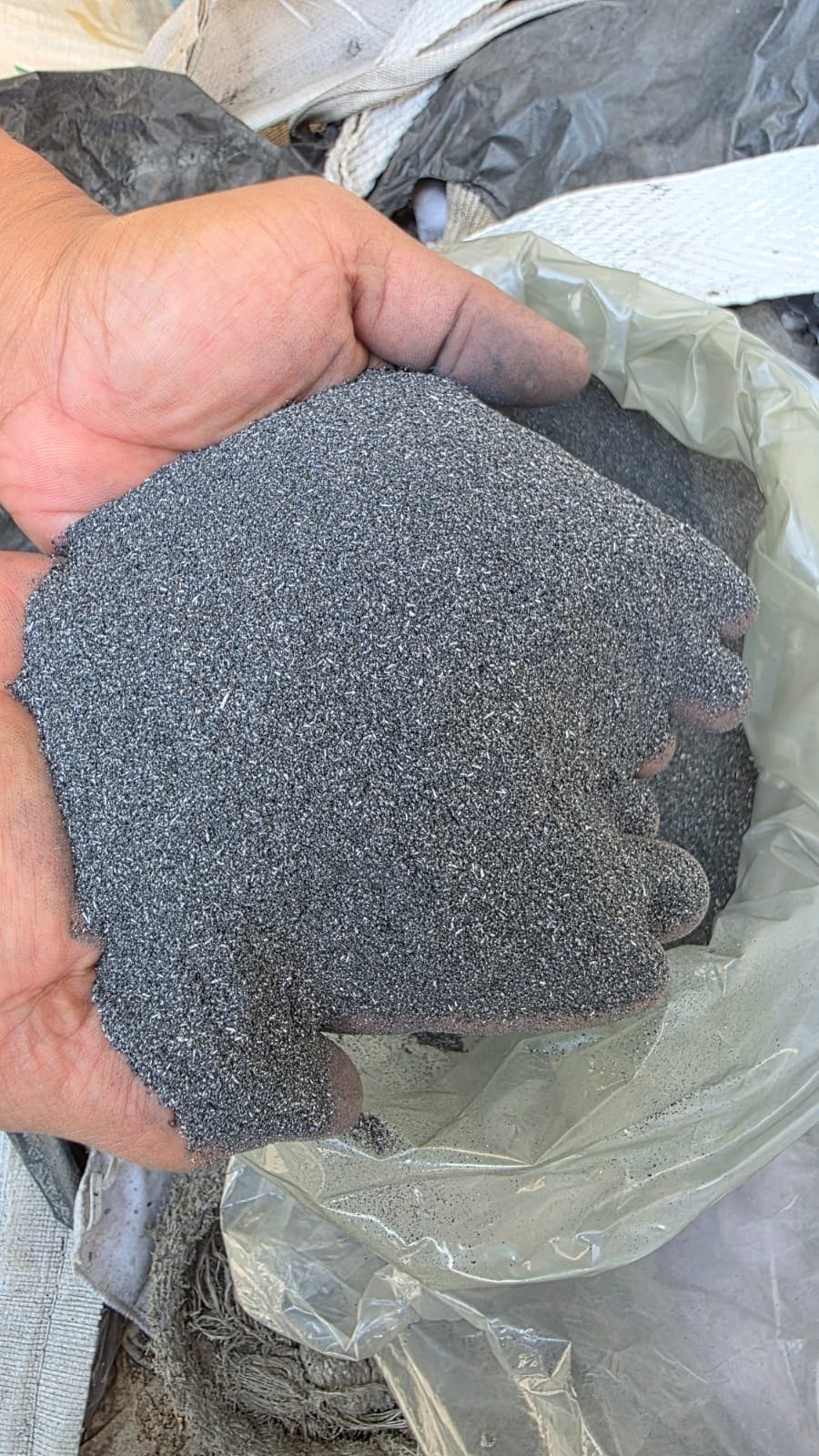
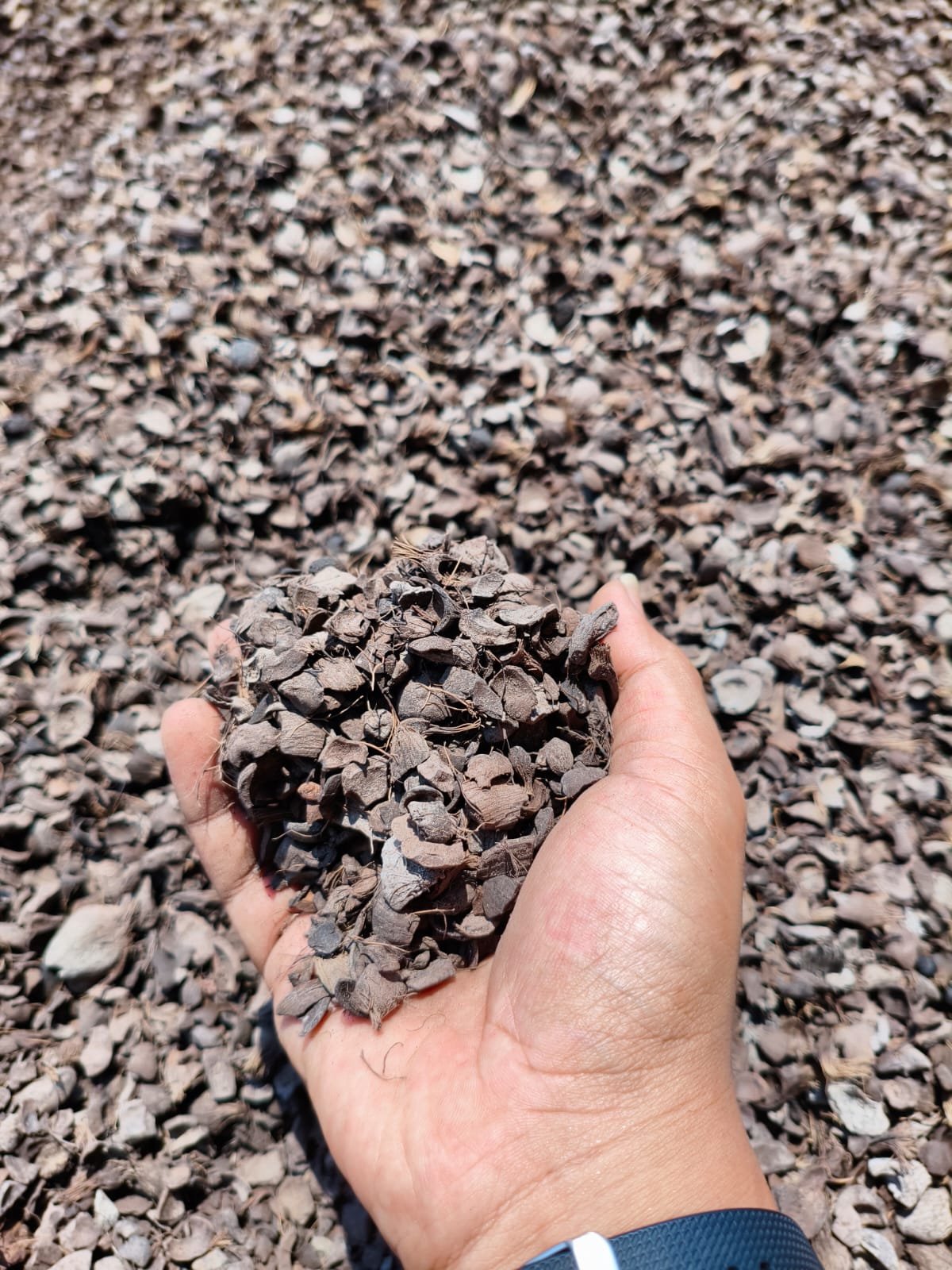
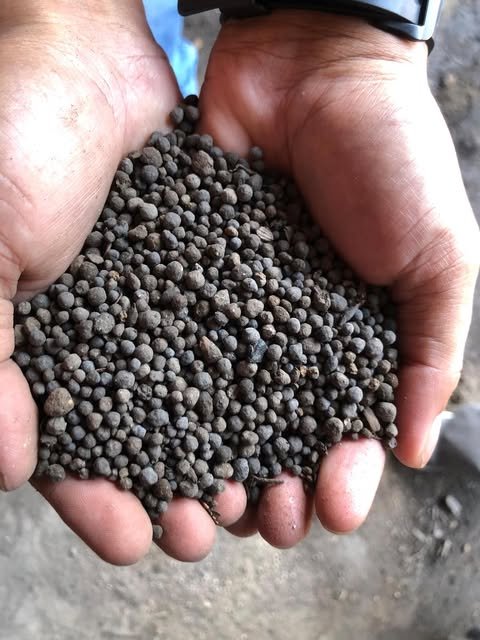
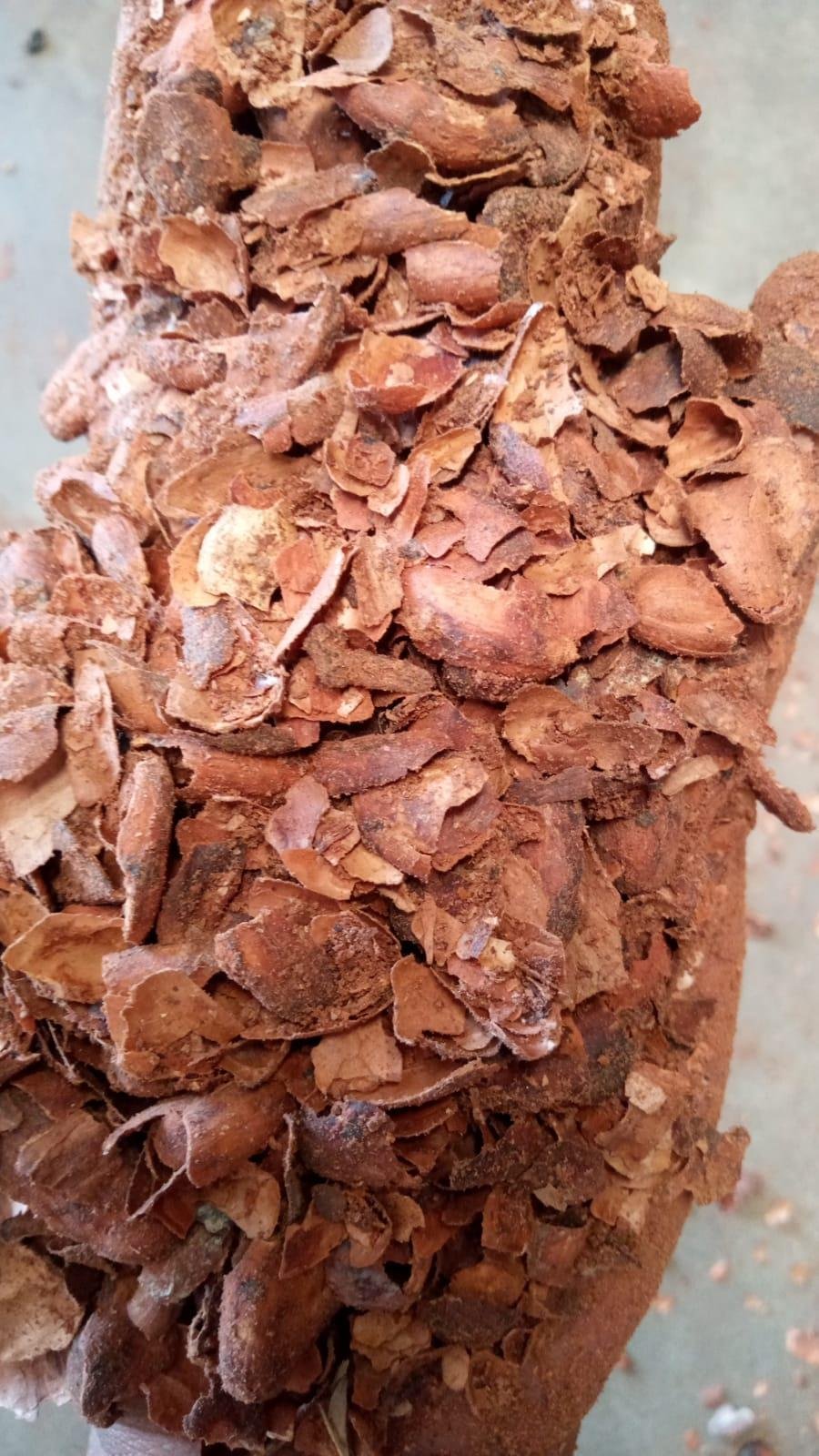
RHA, or rice husk ash, is a versatile byproduct used in cement, concrete, and refractory manufacturing. Mid‑C RHA, with SiO2 minimum 80%, carbon 5–15%, and ash 84.3%, is ideal for cement blends that require moderate silica content. High‑C RHA, boasting 34.8% fixed carbon and 67.6% SiO2, excels in high‑temperature applications like kilns and furnaces. Pure White RHA, with SiO2 min 92%, is prized for advanced ceramics and high‑grade refractory bricks. Palm kernel shell, on the other hand, is commonly used in thermal power generation and as a fuel for residential stoves in rural communities. Feed meal, rich in 16.19% protein, supports animal husbandry while also serving as a low‑carbon carbon source in some combustion processes.
From experience, the key differentiator is consistency in particle size and moisture content across all product lines. PT Aji’s rice husk natural is processed to a uniform 10–15% moisture, ensuring predictable combustion rates for boilers. Their RHA products undergo rigorous grading, guaranteeing that SiO2 percentages meet or exceed industry standards. Additionally, the company offers rapid delivery schedules—often within 48 hours—critical for plants that face fuel shortages. The integration of a dedicated quality control lab means buyers can request real‑time data sheets and batch reports, a service many competitors cannot match. Lastly, their local Gresik facility reduces transportation emissions, aligning with corporate sustainability targets.
What many buyers overlook is the impact of moisture and particle size on final cost per megajoule. Low‑moisture fuel reduces boiler downtime and increases energy output, often justifying a higher upfront price. The price of palm kernel shell is largely tied to global oil markets, while rice husk pricing fluctuates with rice harvest cycles. Shipping costs are a significant factor, especially for bulk RHA orders, so negotiating long‑term contracts can lock in favorable rates. Buyers should also consider the availability of technical support—PT Aji provides combustion testing and pilot runs to help optimize boiler performance. Finally, sustainability certifications can add value; PT Aji is pursuing ISO 14001 compliance, which appeals to eco‑conscious buyers.
Rice Husk Natural delivers 3105 kcal/g and contains 14.5% SiO2, offering a balanced energy profile. Mid‑C RHA meets a minimum SiO2 of 80%, carbon content between 5–15%, and ash at 84.3%, making it ideal for standard cement mixes. High‑C RHA’s fixed carbon of 34.8% and SiO2 at 67.6% provide high‑temperature stability for refractory applications. Pure White RHA’s SiO2 minimum of 92% is suitable for specialty ceramics. Palm Kernel Shell’s GCV of 4603 kcal/kg ensures high heating value, while Feed Meal’s protein content at 16.19% supports both animal nutrition and as a low‑carbon additive. All products are certified to meet Indonesian regulatory standards for feedstock and industrial fuel.
PT ABA Help Desk