PT Aji Bakuh Anugrah — Gresik, East Java, Indonesia
25 Oct 2026 · PT Aji Bakuh Anugrah
Looking for a reliable, high‑energy biomass source in Southeast Asia? Cocoa shell biomass from PT Aji Bakuh Anugrah in Gresik, East Java, offers just that.
These shells are a by‑product of chocolate production, making them an abundant, low‑cost feedstock.
In practice, they deliver robust calorific values while supporting circular economy goals.
Read on to see why cocoa shells are becoming a game‑changer for industry.
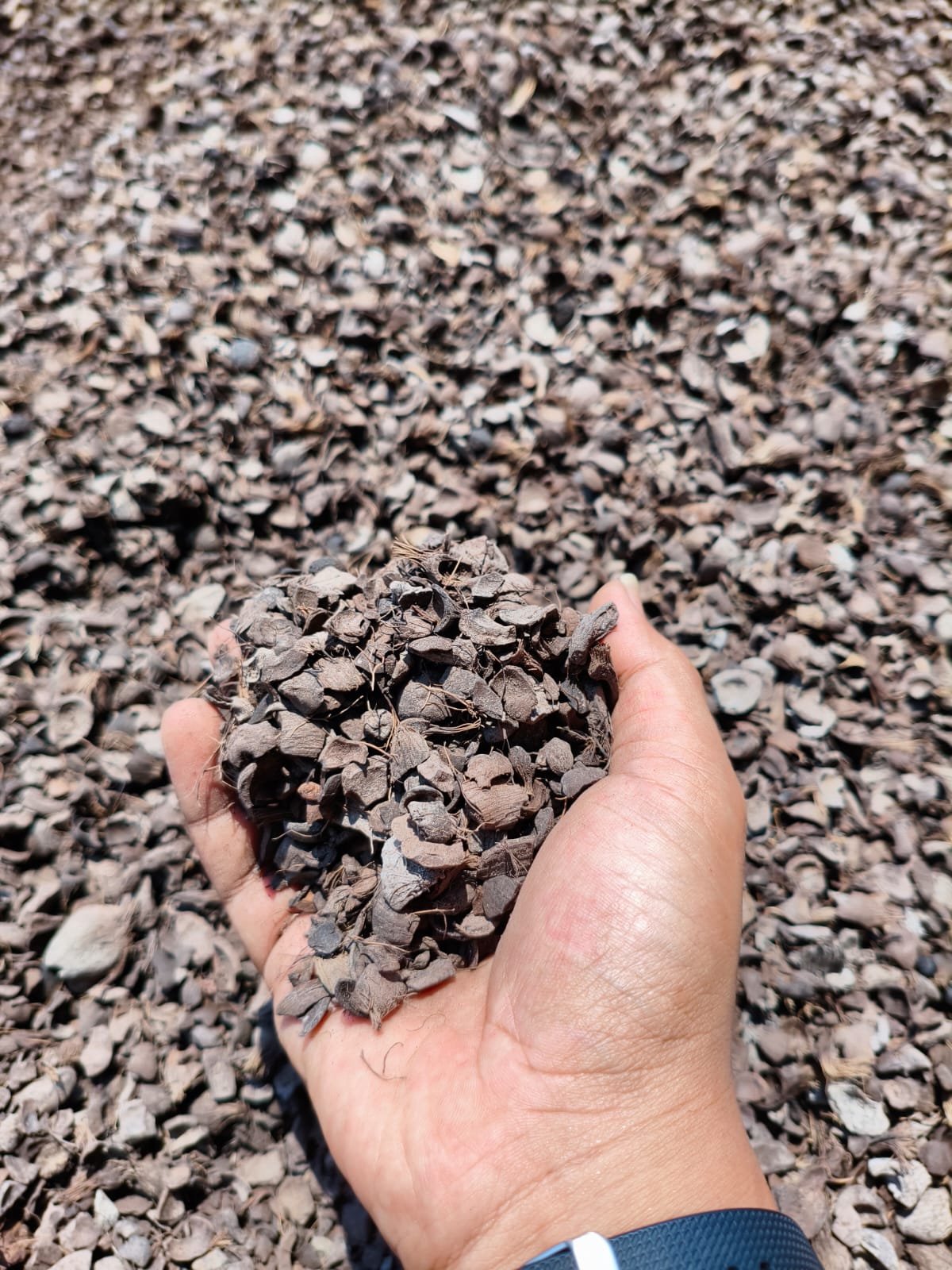
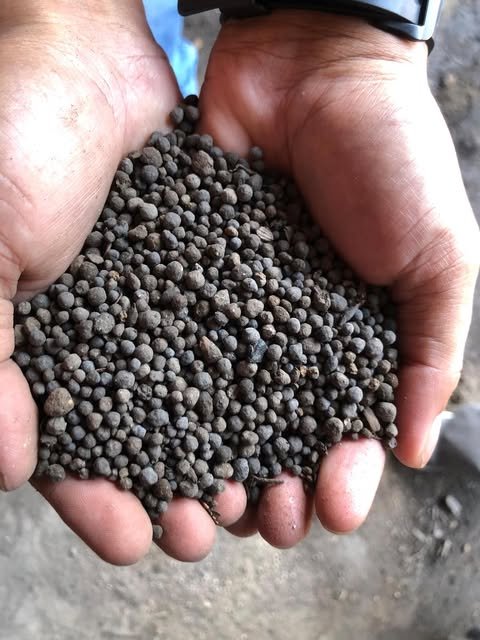
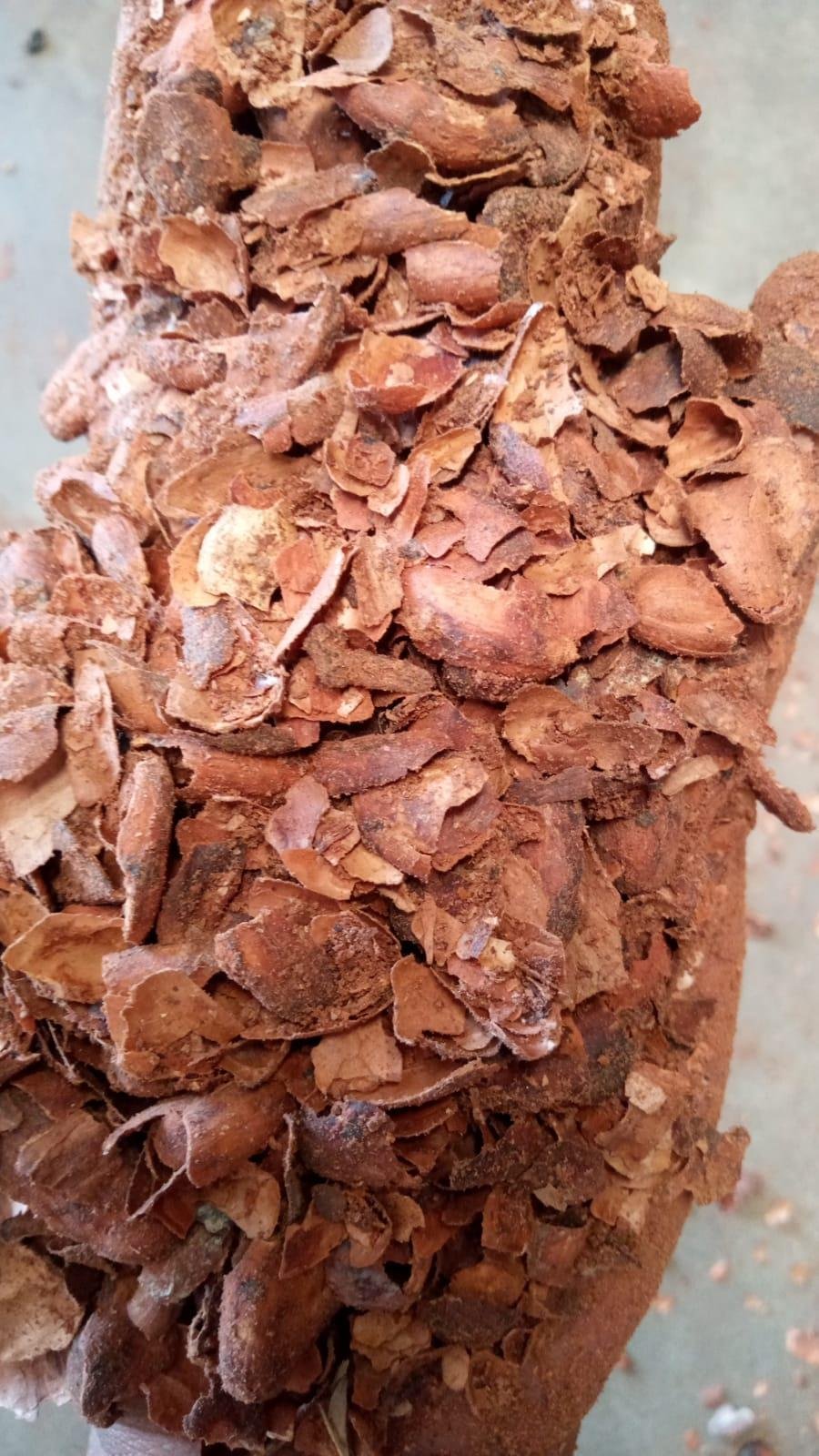
Cocoa shell biomass is the woody residue left after cracking cocoa beans. It is harvested as a waste stream in chocolate factories and then processed into a uniform pellet for energy use. The product is prized for its high energy density, typically around 3105 kcal per gram of dry material.
From experience, manufacturers appreciate how the shells maintain consistency across batches, reducing variability in combustion performance.
The residue also contains valuable nutrients, making it a versatile feedstock for multiple industries.
What many buyers overlook is that the shells can be directly blended with other biomasses to tailor energy output.
In practice, this flexibility has opened up new markets for regional power plants and industrial boilers.
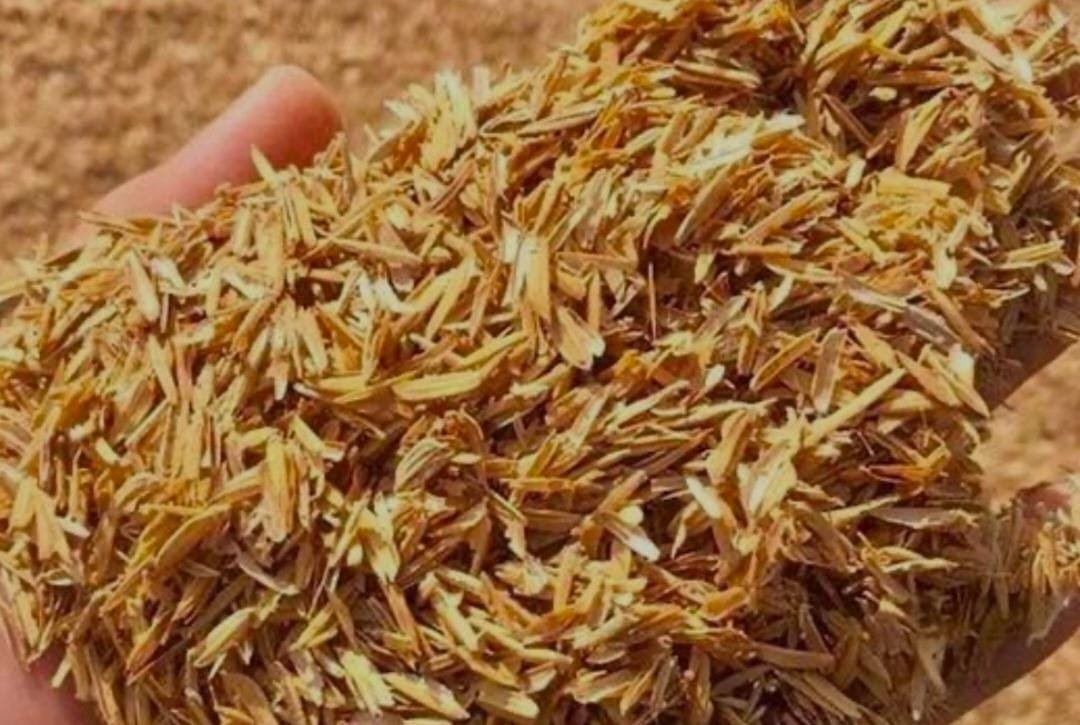
PT Aji Bakuh Anugrah’s cocoa shells meet rigorous specs: a SiO₂ content of 14.5 % in the natural rice husk fraction and a calorific value of 4603 kcal/kg for palm kernel shell blends.
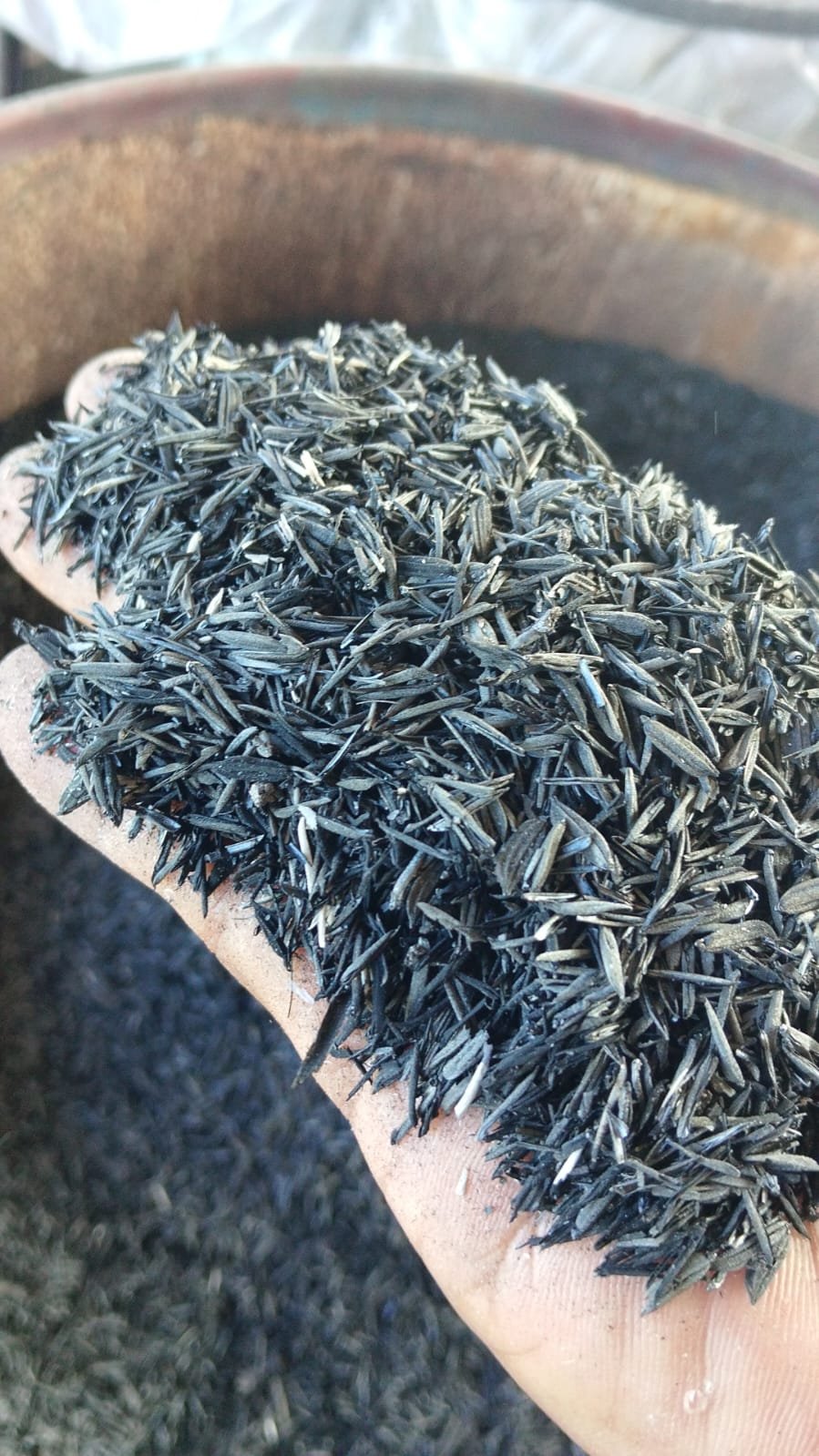
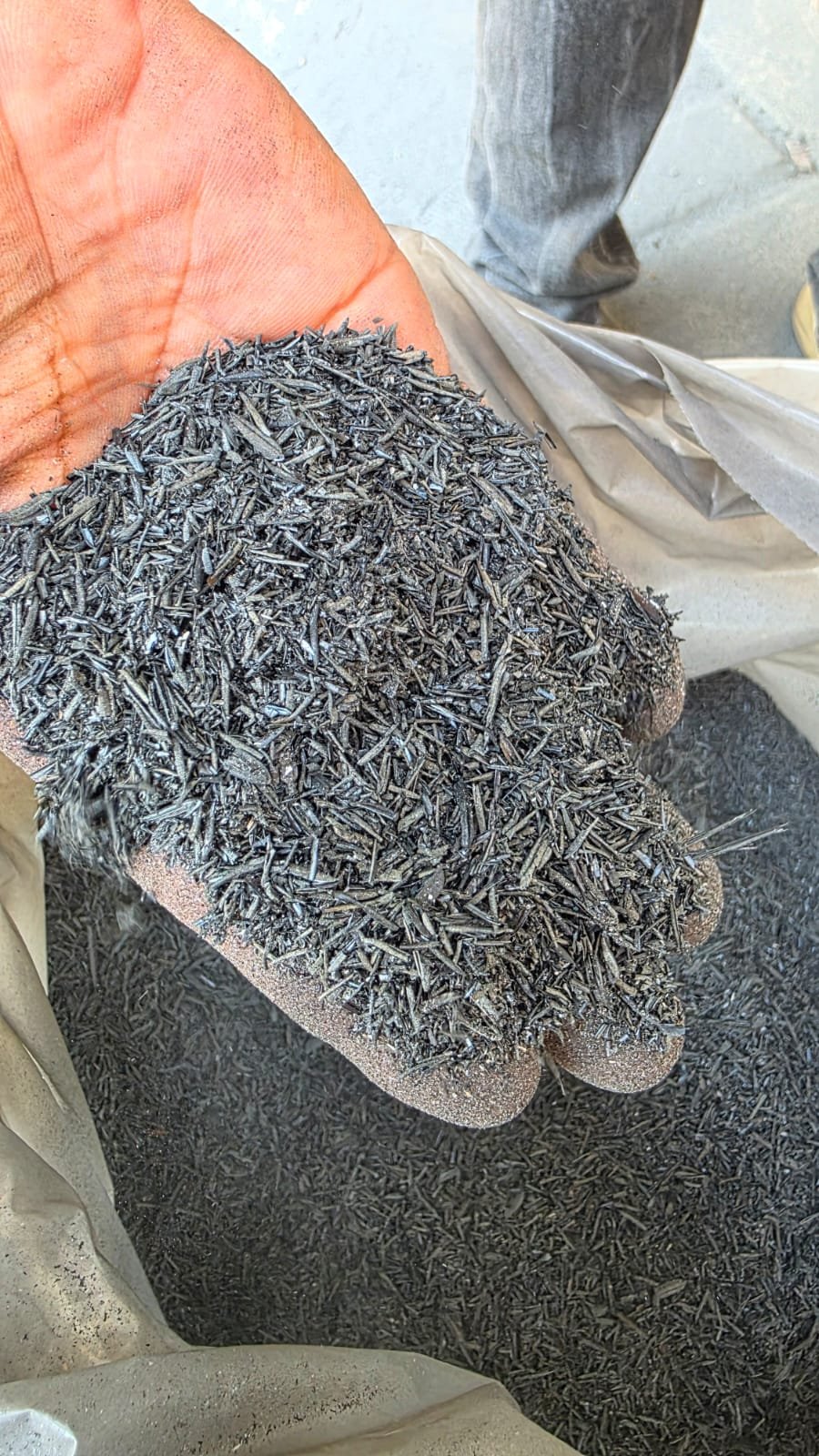
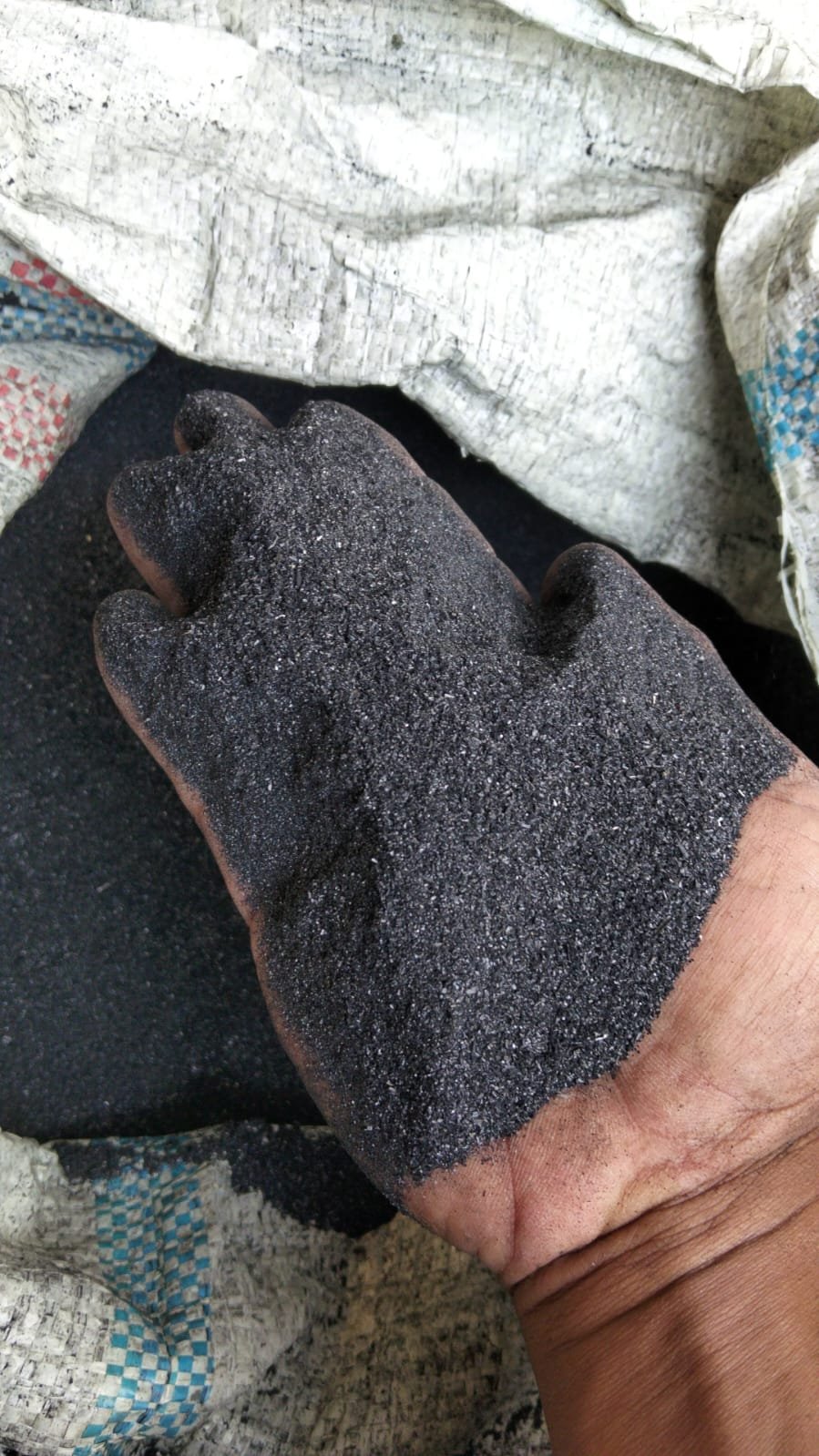
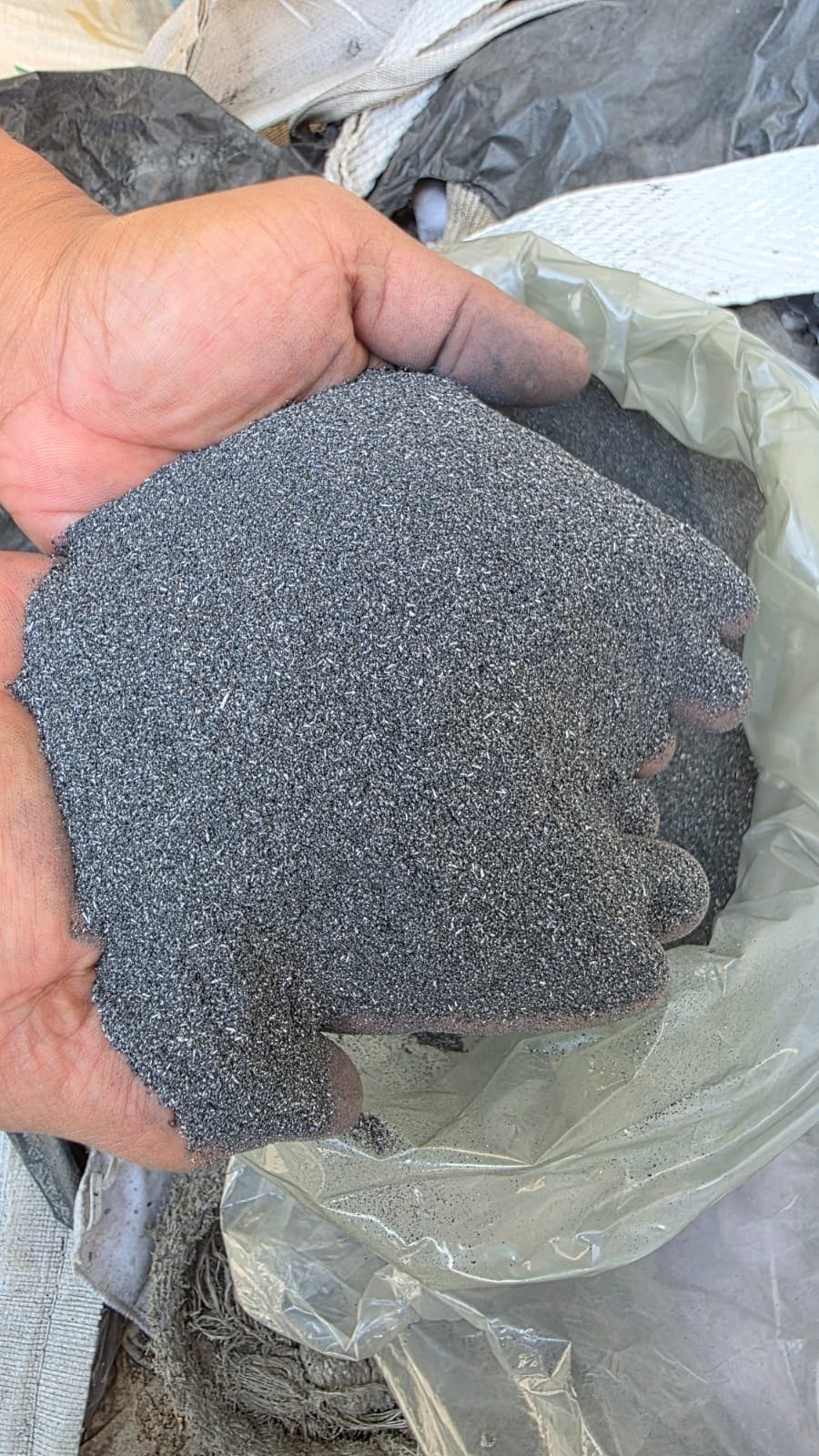
The Mid‑C RHA component boasts a minimum SiO₂ of 80 %, carbon range 5–15 %, and ash content of 84.3 %, while the High‑C RHA delivers fixed carbon at 34.8 % and SiO₂ of 67.6 %.
Pure White RHA is guaranteed with a SiO₂ minimum of 92 %, ensuring high purity for advanced applications.
The feed meal derived from the same feedstock offers 16.19 % protein, making it suitable for animal nutrition.
In practice, these detailed numbers allow clients to match the biomass precisely to their calorific and ash‑management requirements.
Power plants across Indonesia use cocoa shell pellets as a primary fuel, achieving 90 % thermal efficiency.
Bio‑char producers blend the shells with high‑carbon RHA to create adsorbents with exceptional surface area.
The feed meal is fed to livestock farms, providing a protein‑rich supplement while reducing waste.
From experience, manufacturers find that the shells’ low moisture content simplifies storage and handling.
In practice, the versatility of this biomass supports everything from residential heating to large‑scale industrial processes.
Burning cocoa shells emits significantly fewer CO₂ molecules per kilowatt‑hour than coal, contributing to Indonesia’s net‑zero targets.
Using a by‑product that would otherwise be discarded closes the loop in the chocolate supply chain.
The high ash content, when managed correctly, can be recycled as a soil amendment, improving land fertility.
What many buyers overlook is the potential to co‑produce bio‑electricity and bio‑fertilizer from the same feedstock.
In practice, this dual‑output strategy enhances the economic viability of projects while bolstering environmental credentials.
Compared to rice husk, cocoa shells offer a higher calorific value and lower ash, reducing slagging in boilers.
Palm kernel shell, while energy‑dense, lacks the protein benefits of the feed meal.
Mid‑C RHA’s balanced carbon and ash profile gives a stable combustion curve that outperforms pure high‑carbon alternatives.
The inclusion of Pure White RHA ensures minimal contamination, a factor many buyers often ignore.
In practice, these attributes translate to longer boiler life, lower maintenance, and a stronger environmental case.
When purchasing, verify moisture level—ideally below 5 % to prevent condensation issues.
Consider particle size; a 3–5 mm range offers optimal feedability for most grate furnaces.
Supply chain reliability in Gresik is key; PT Aji Bakuh Anugrah offers just‑in‑time delivery to reduce inventory costs.
From experience, bulk contracts often secure a 10 % price discount for annual volumes exceeding 10,000 tons.
In practice, negotiate a quality assurance clause to lock in the specified SiO₂ and calorific values.
PT ABA Help Desk