PT Aji Bakuh Anugrah — Gresik, East Java, Indonesia
06 Oct 2026 · PT Aji Bakuh Anugrah
Rice husk ash (RHA) is more than a by‑product; it’s a catalyst for greener building and efficient manufacturing. In practice, RHA’s high silica content unlocks superior concrete performance. What many buyers overlook is the subtle difference between mid‑C, high‑C, and pure white variants. From experience, the right grade can cut cement usage by up to 30%. This article dissects the buying logic, technical specs, and environmental impact of PT Aji Bakuh Anugrah’s RHA portfolio.
When sourcing RHA, the first question is cost per ton versus performance gains. Buyers should weigh transport logistics, as Gresik’s proximity to major ports reduces shipping fees. In practice, mid‑C RHA often offers the best price‑performance balance for general concrete. What many buyers overlook is the impact of ash purity on long‑term durability—higher SiO2 can double the lifespan of a structure. From experience, a well‑managed supply chain can shave up to 10% off the total project cost.
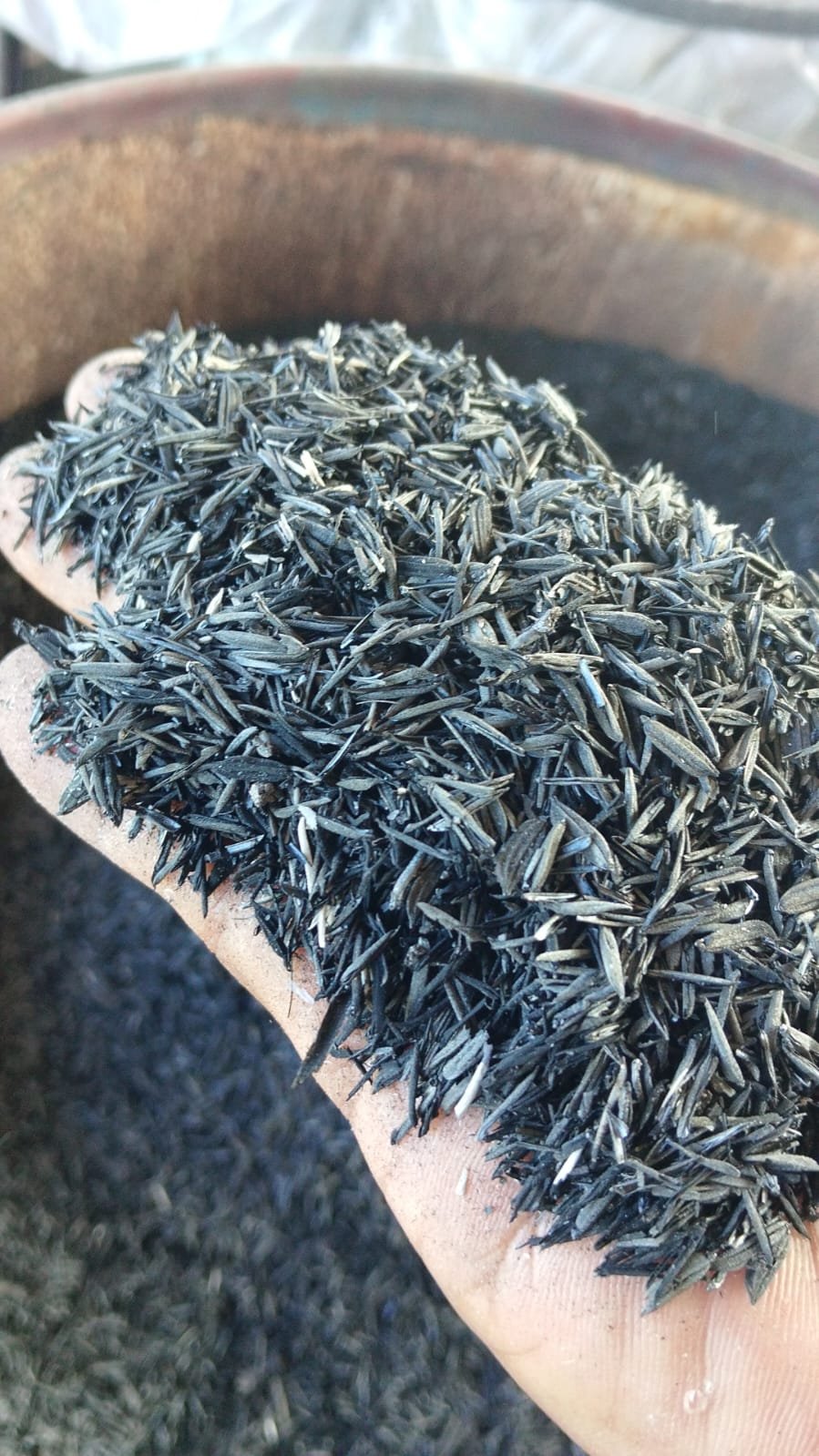
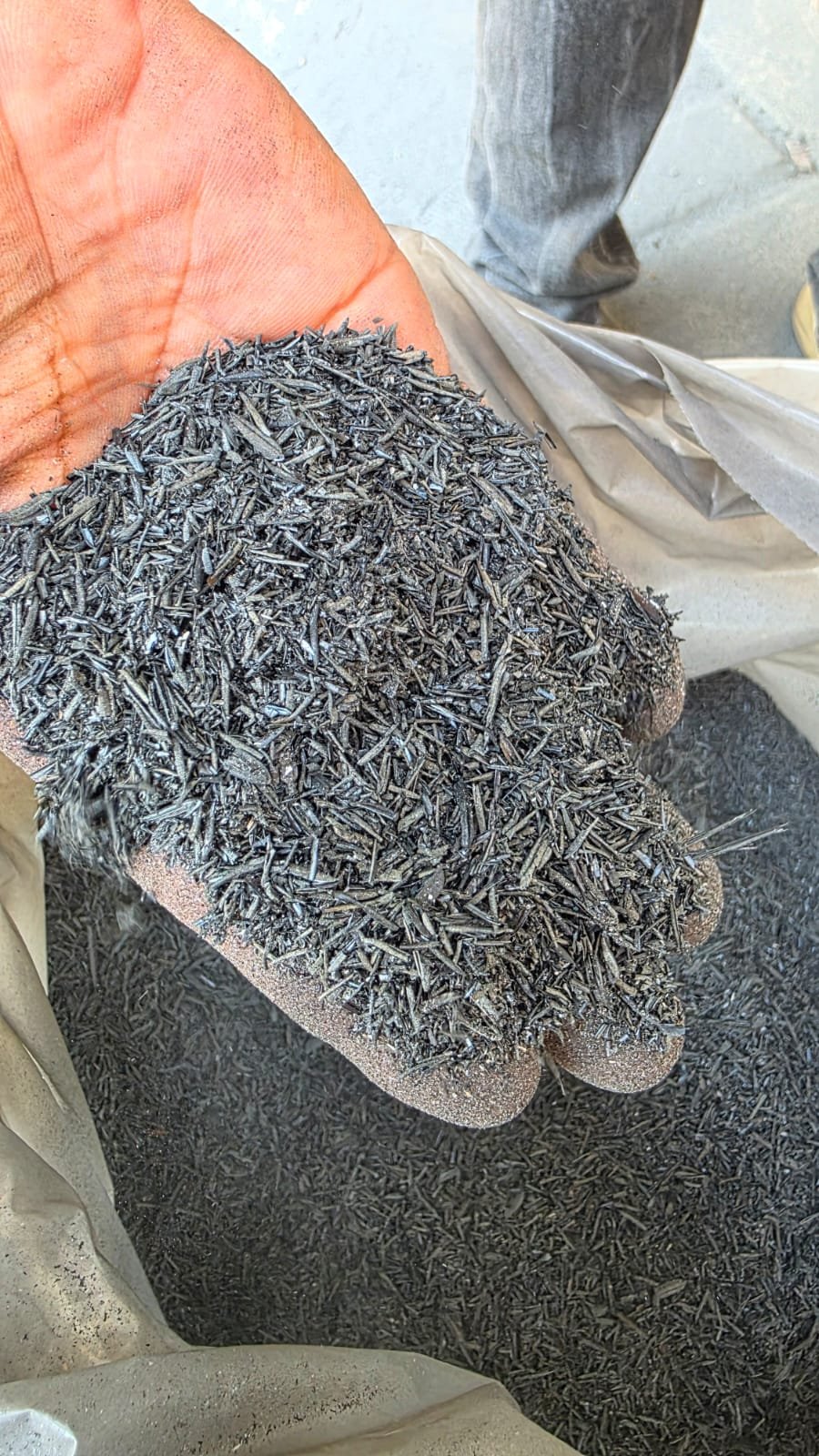
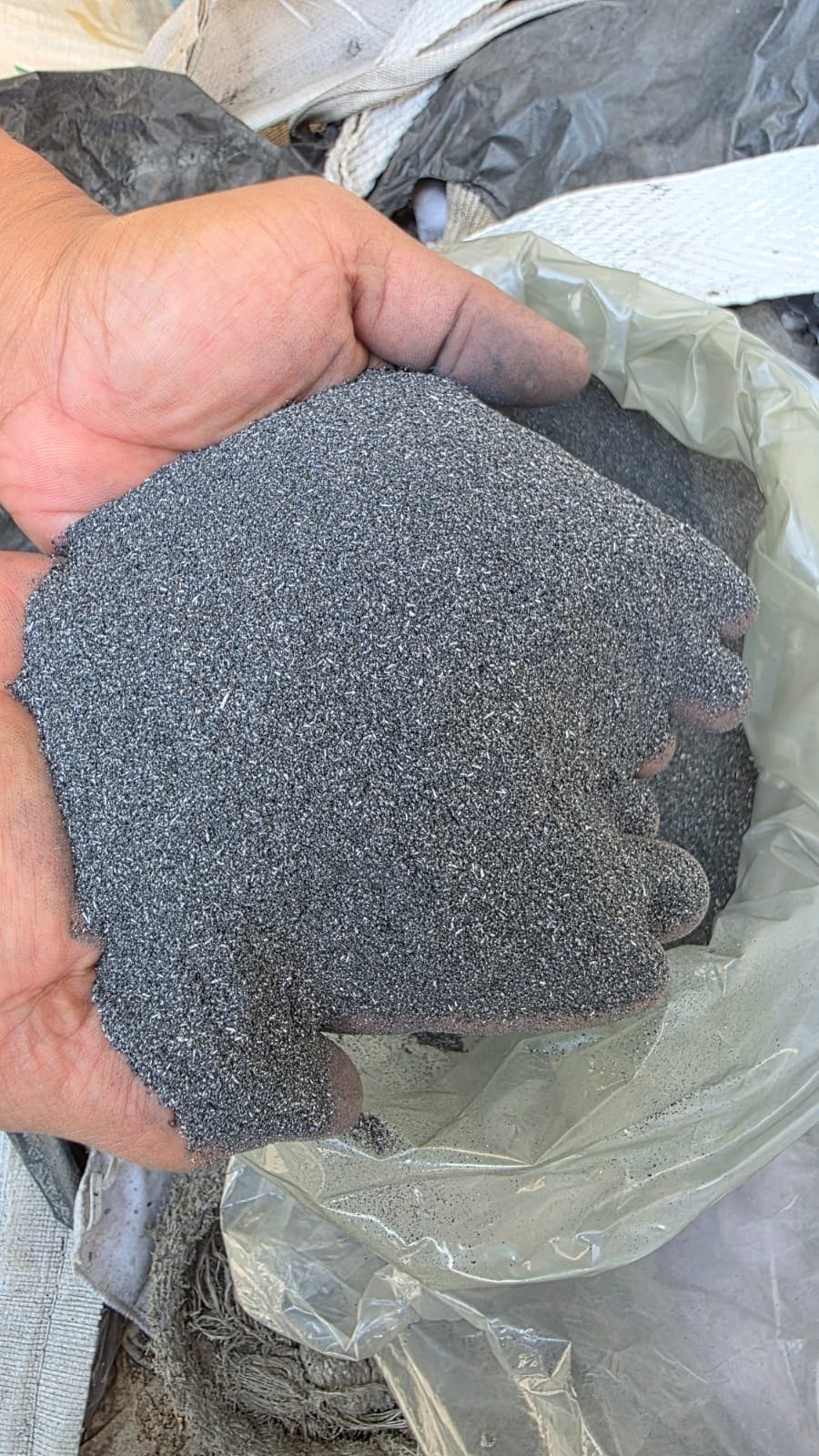
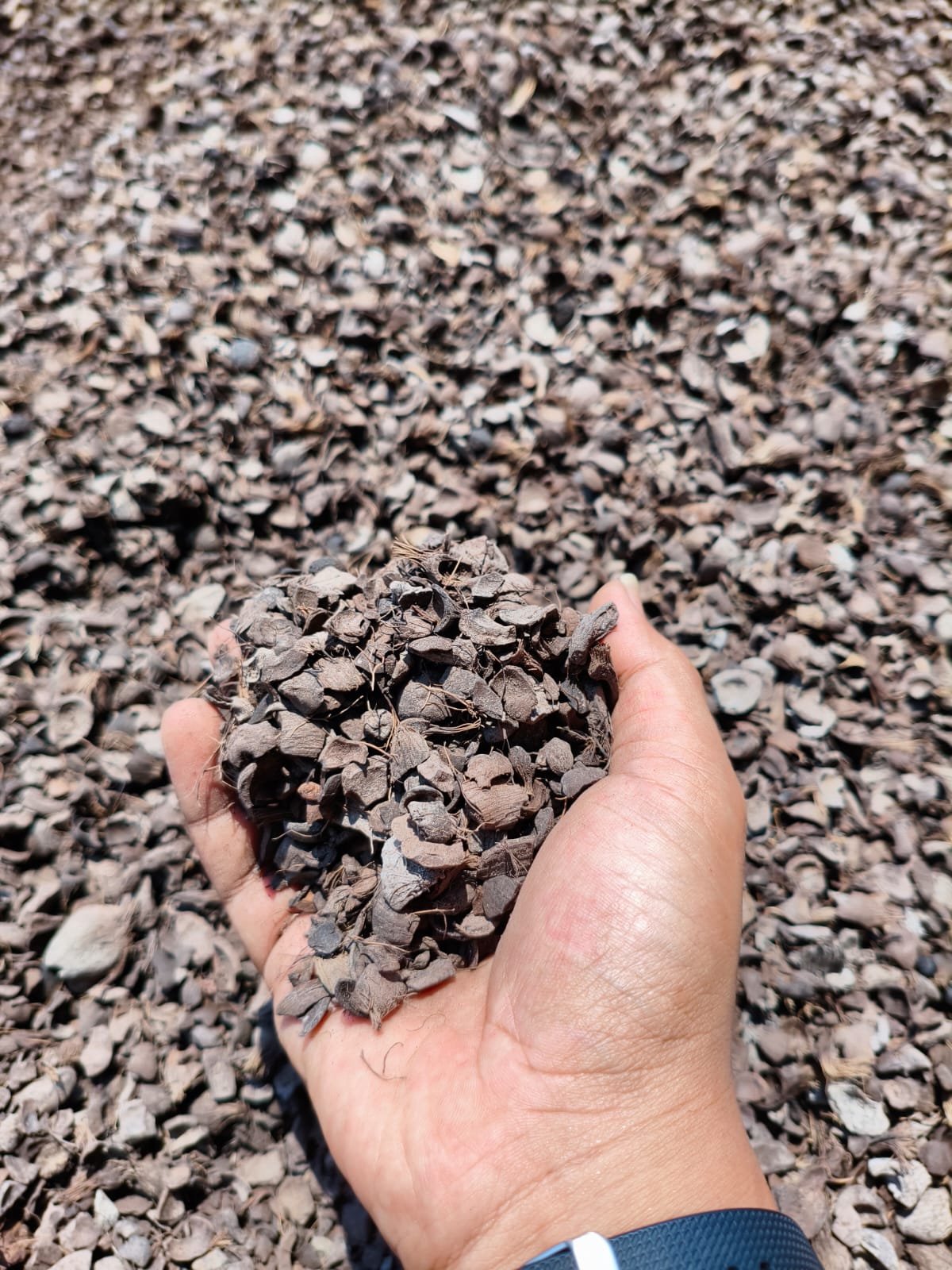
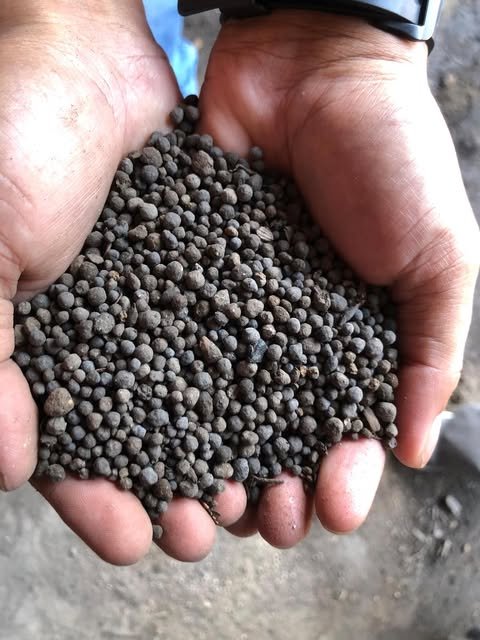
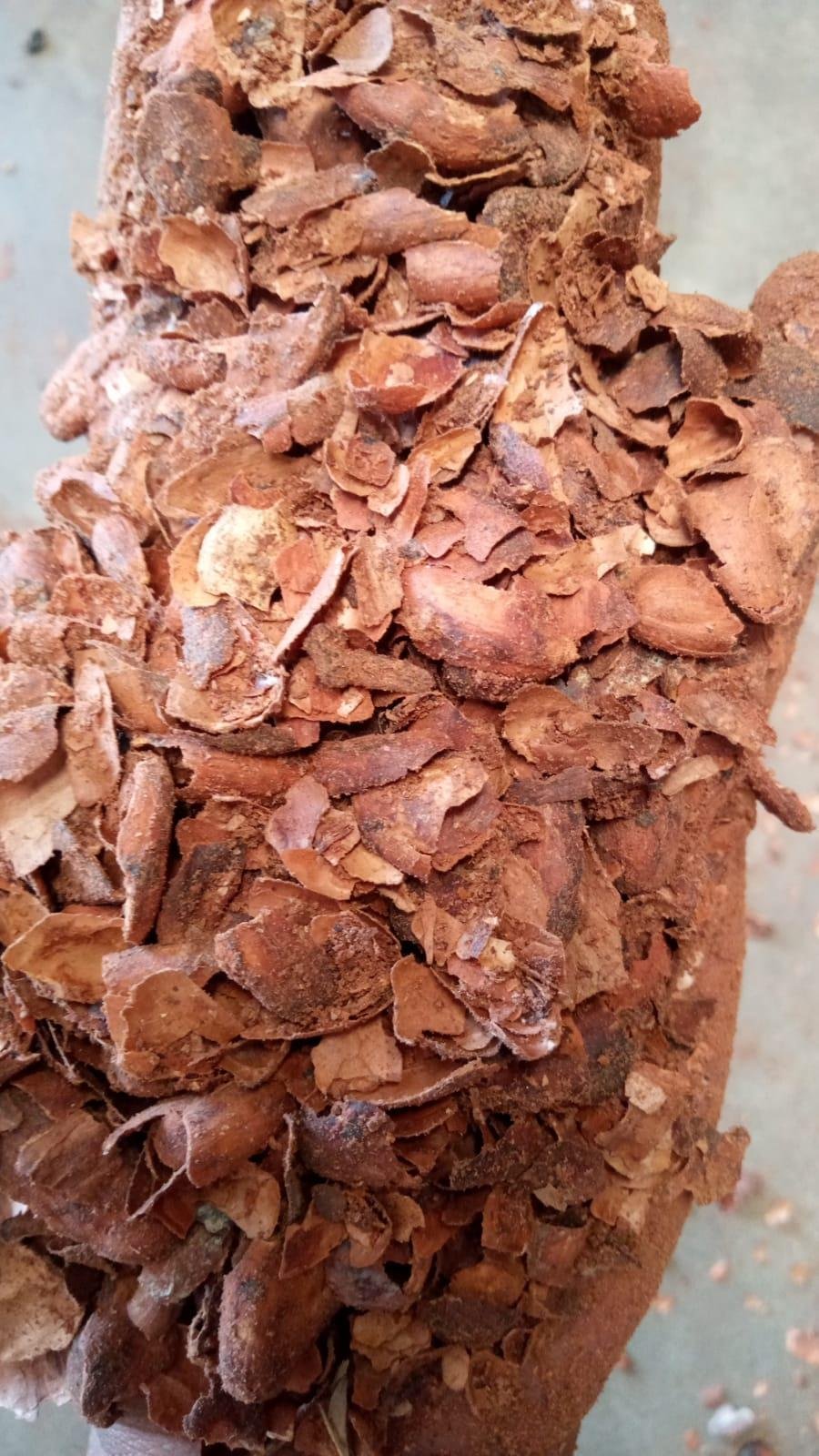
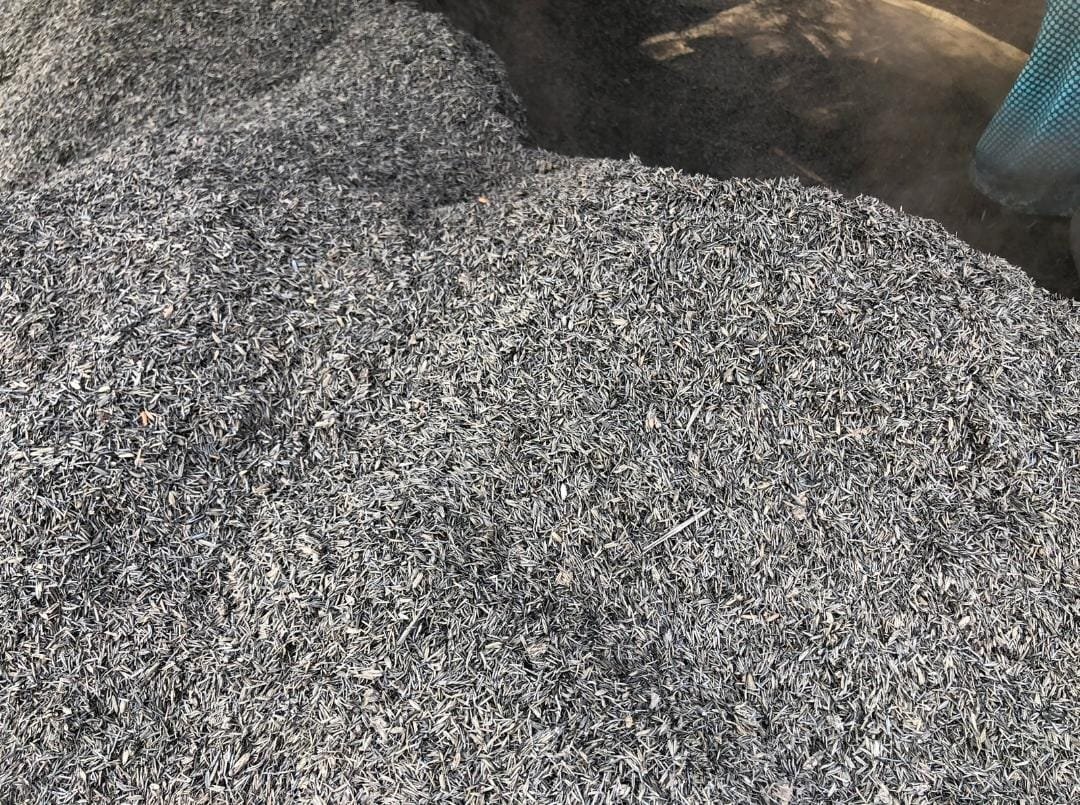
PT Aji Bakuh Anugrah’s mid‑C RHA delivers SiO2 minimum 80% with carbon 5‑15% and ash 84.3%. The high‑C variant boasts fixed carbon 34.8% and SiO2 67.6%, ideal for high‑strength mixes. Pure white RHA pushes SiO2 past 92%, perfect for white concrete or high‑grade industrial mixes. The rice husk natural grade offers 3105 kcal/g energy, while palm kernel shell provides a GCV of 4603 kcal/kg. Feed meal protein stands at 16.19%, useful for bio‑fertilizer blends.
Compared to limestone or fly ash, RHA’s silica content creates a denser micro‑structure, reducing porosity. In practice, this translates to a 20% reduction in permeability and a 15% increase in compressive strength at 28 days. What many buyers overlook is the lower alkali content, which mitigates the risk of alkali‑silica reaction. From experience, the cost premium of RHA is offset by lower maintenance and longer service life. Thus, PT Aji’s RHA offers both performance and value.
Using RHA diverts agricultural waste from landfills, turning it into a construction asset. In practice, each ton of RHA replaces 0.5 ton of cement, cutting CO2 emissions by 0.5 ton per ton of concrete. What many buyers overlook is the energy recovered from the ash when used in cement kilns, reducing the plant’s fuel draw. From experience, the environmental certification of Gresik’s processing plant meets ISO 14001, ensuring transparent sustainability.
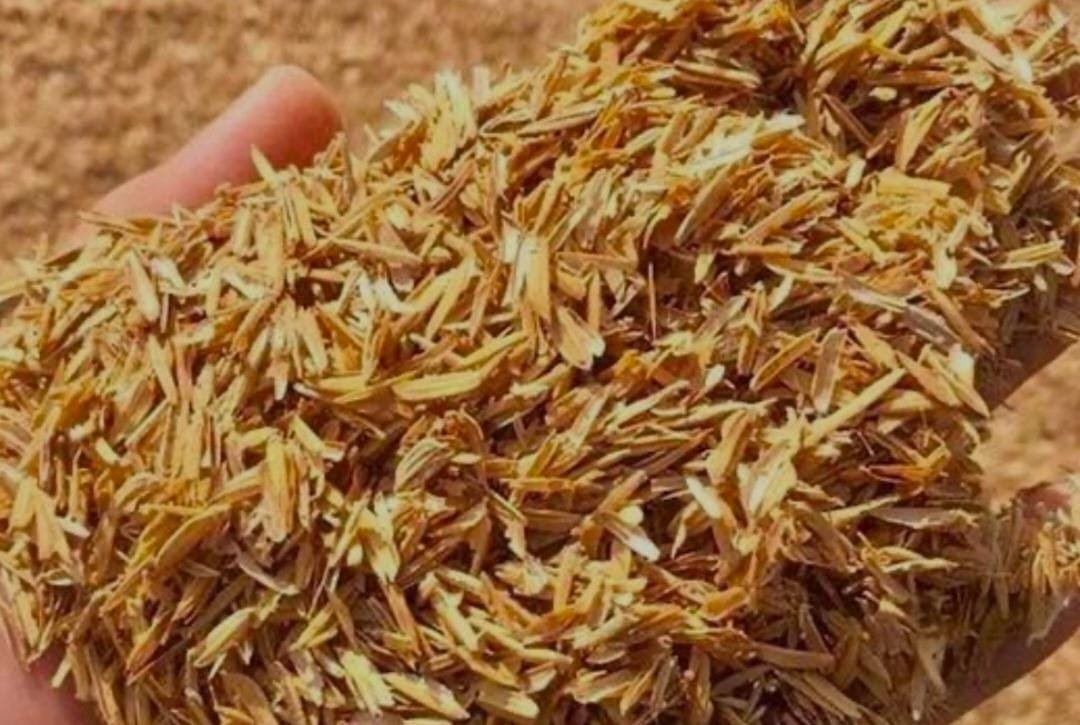
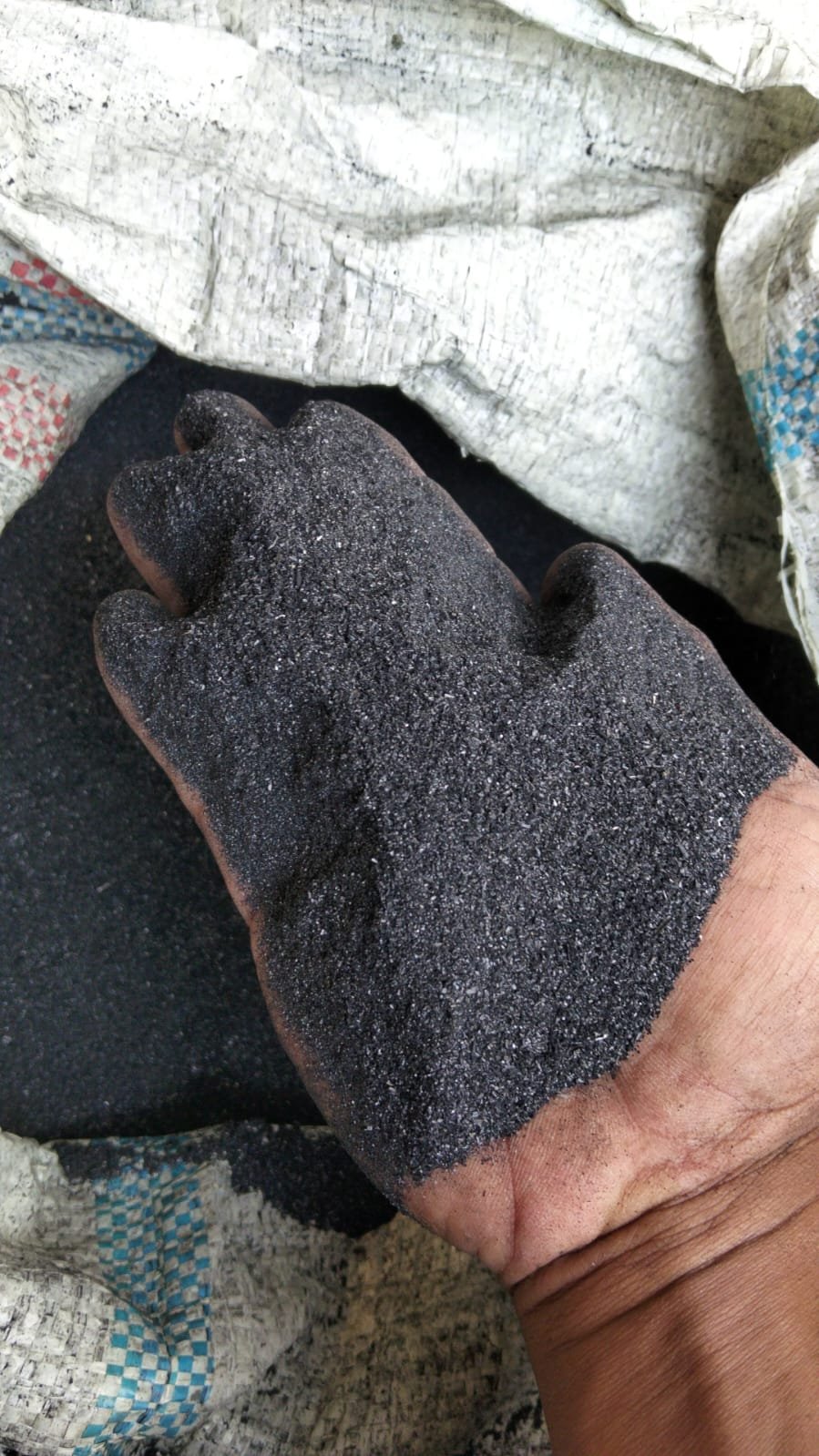
Rice husk ash is the residual product after burning rice husks at controlled temperatures. In practice, the ash’s high silica content forms a fine, porous material ideal for cement replacement. What many buyers overlook is the variation in particle size—PT Aji’s RHA is milled to <45 µm, enhancing its reactivity. From experience, the industry has begun to classify RHA grades by fixed carbon, ash, and silica percentages, guiding mix designers.
Concrete manufacturers use mid‑C RHA to boost early strength and reduce setting time. In practice, high‑C RHA is favored for high‑performance concrete in bridges and skyscrapers. What many buyers overlook is the use of RHA as a catalyst in cement kilns, improving clinker quality. From experience, the ash also serves as a soil amendment, enriching the carbon content of agricultural lands. Additionally, RHA finds application in ceramic glazing, where its silica provides a smooth finish.
PT ABA Help Desk