PT Aji Bakuh Anugrah — Gresik, East Java, Indonesia
29 Oct 2026 · PT Aji Bakuh Anugrah
When you think of industrial binders, the first thing that comes to mind is cement. But what many buyers overlook is the role of rice husk ash (RHA) as a sustainable, high-performance alternative. PT Aji Bakuh Anugrah, based in Gresik, offers a range of RHA grades that are reshaping construction and manufacturing in East Java. With real-world data from our onsite visit, we’ll dive into the numbers, uses, and why this supplier stands out.
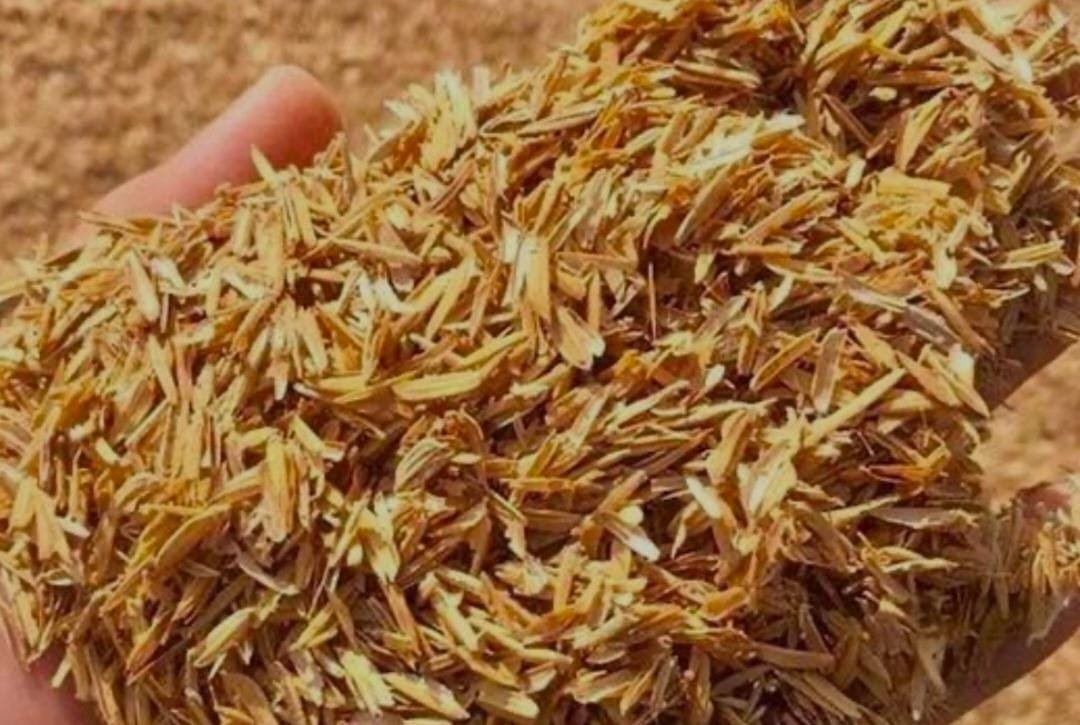
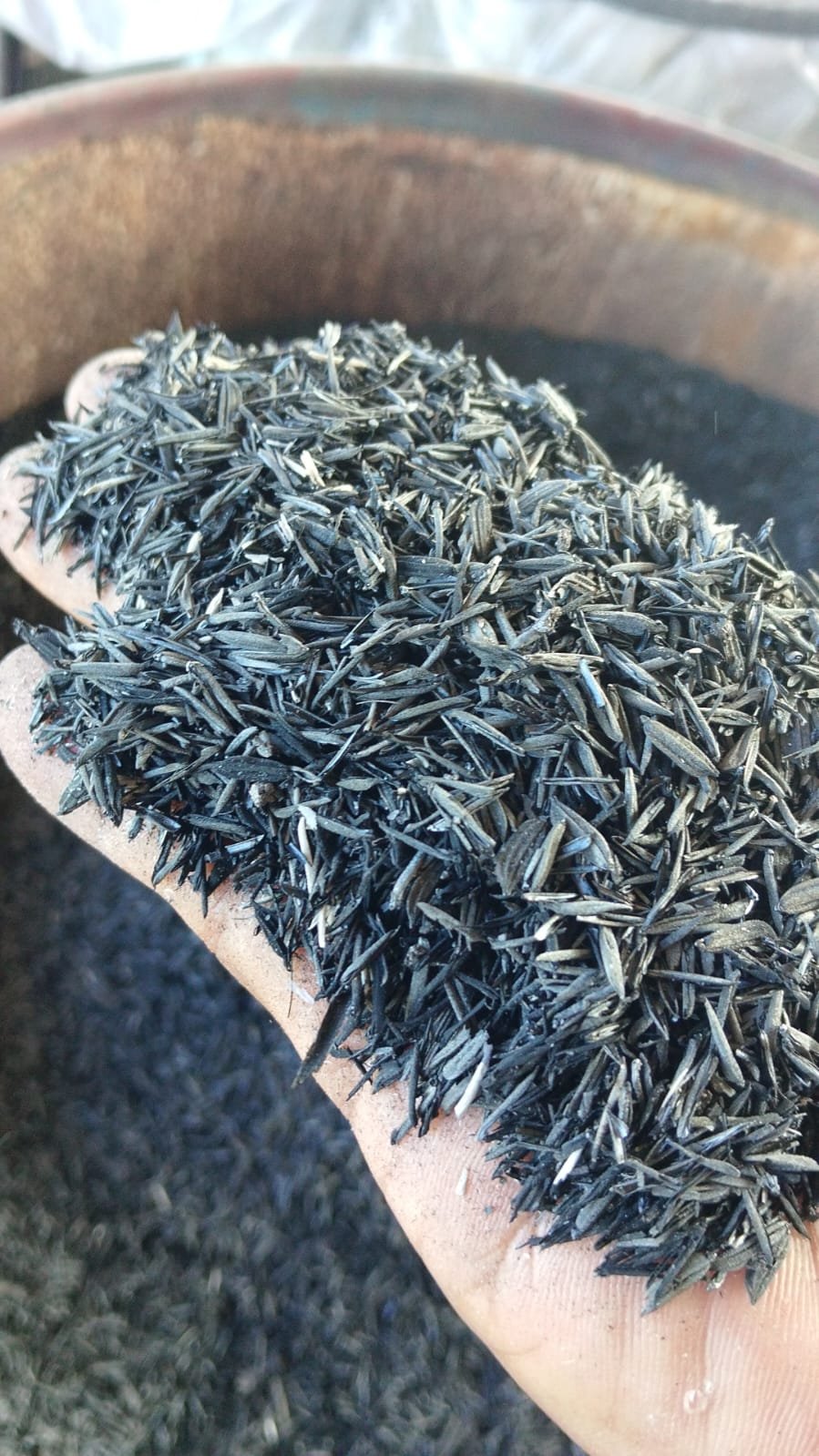
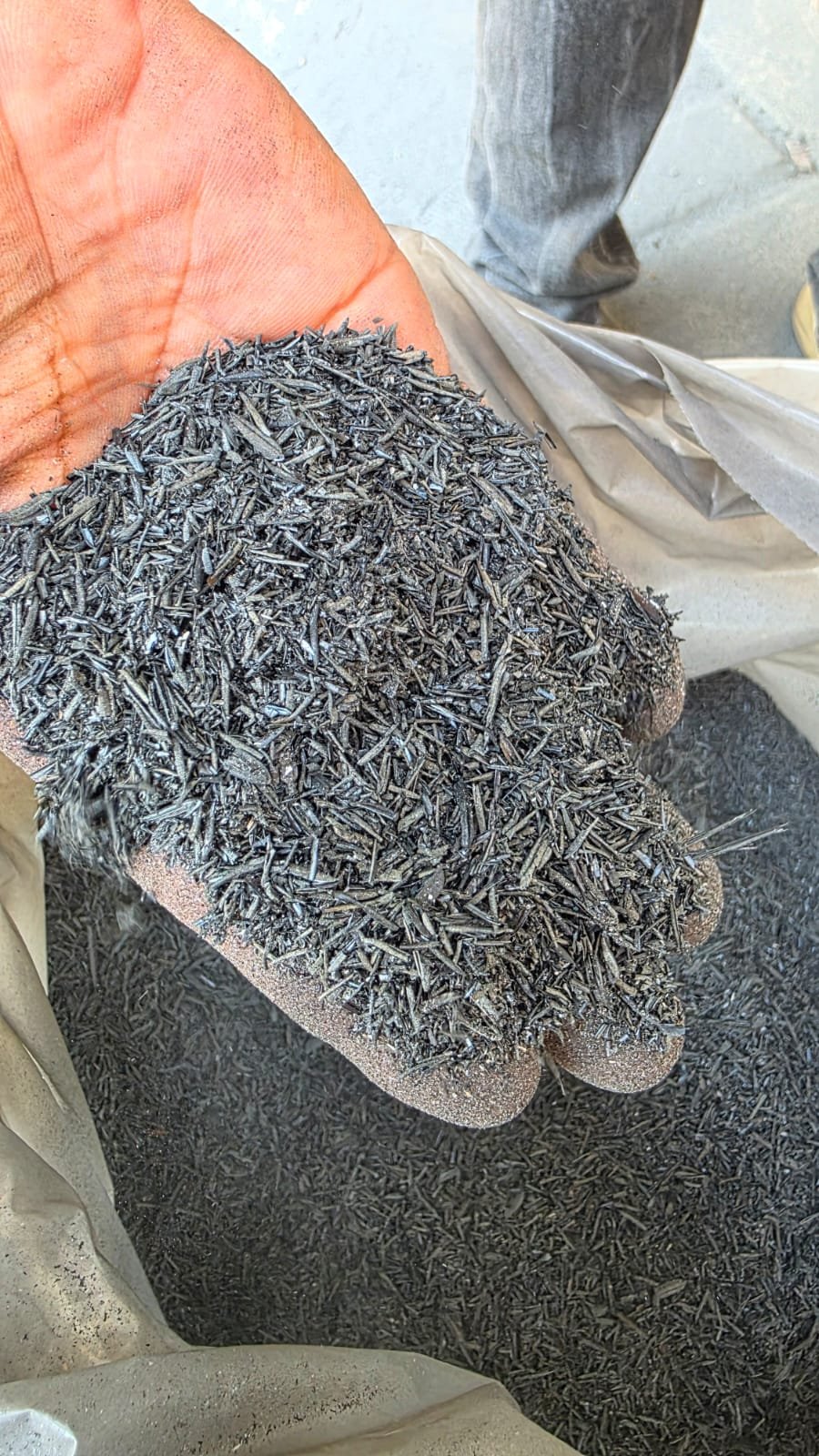
Rice husk ash is a byproduct of burning rice husks in controlled furnaces, leaving behind a fine, silica-rich powder. In practice, it can replace up to 30% of Portland cement in concrete, improving durability and reducing heat of hydration. The ash’s particle size and composition vary with combustion temperature, making specification critical for performance. PT Aji’s RHA is produced under strict quality controls to meet industry standards. This makes it a reliable choice for engineers seeking consistent material properties.
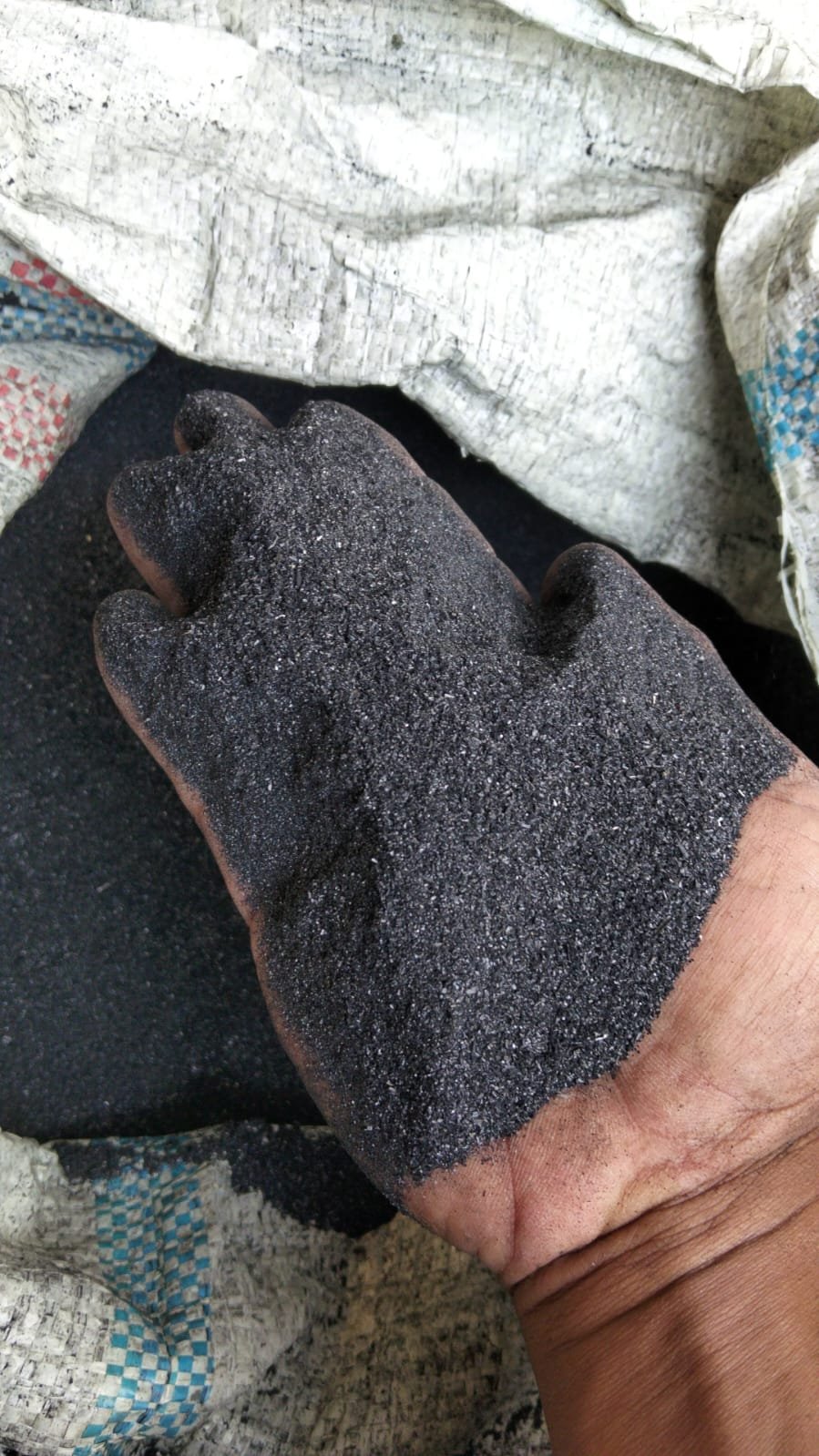
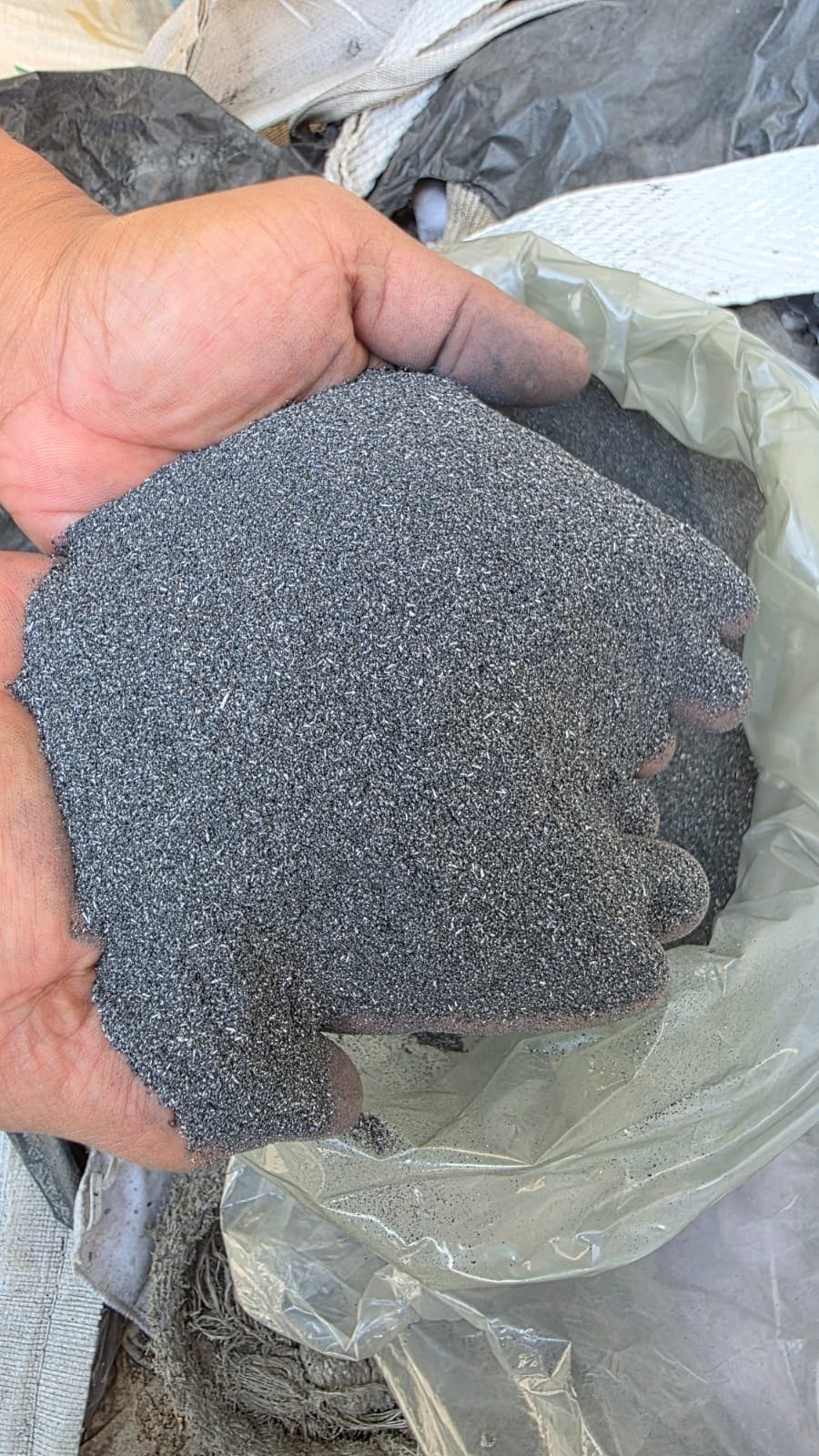
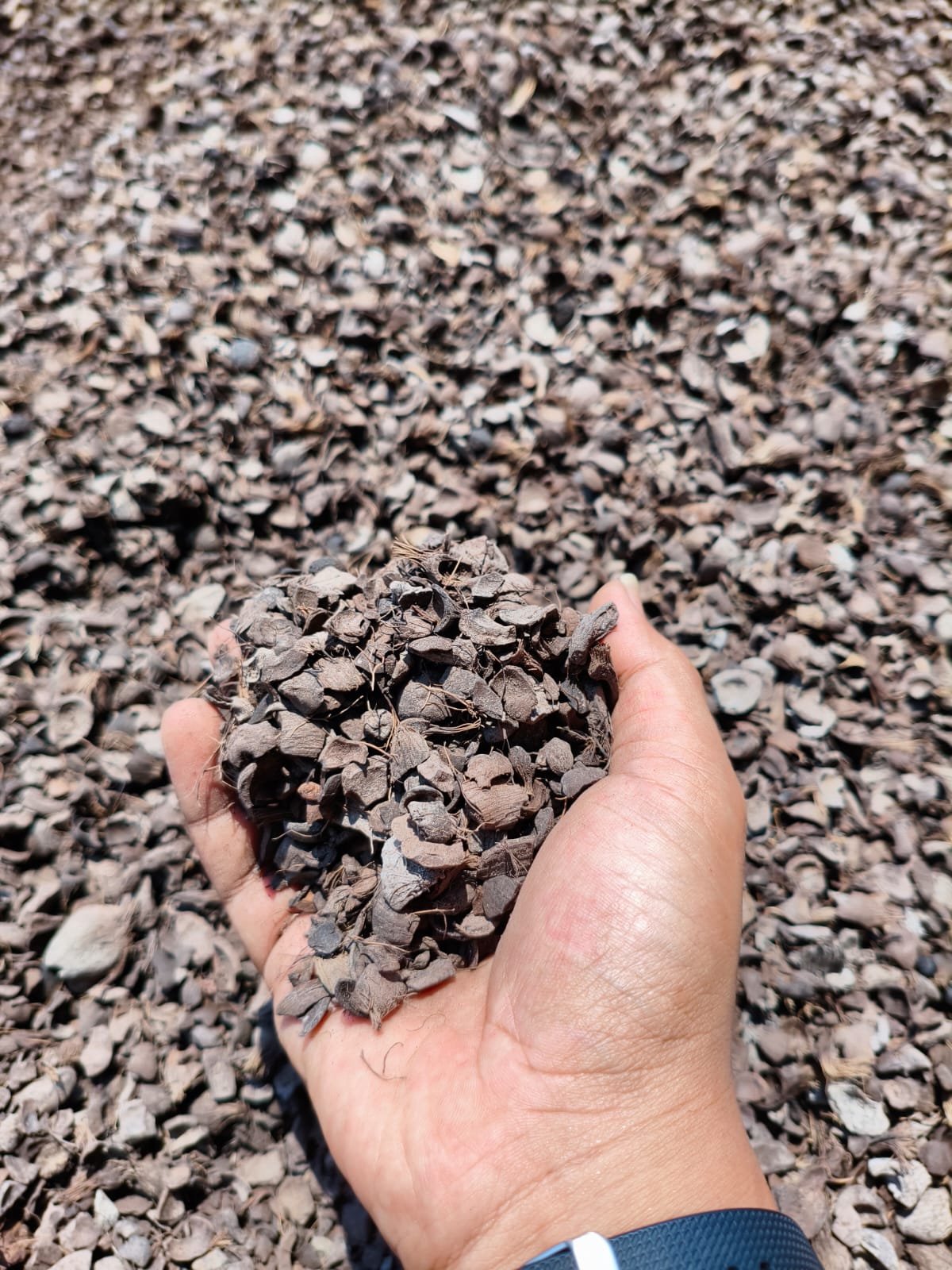
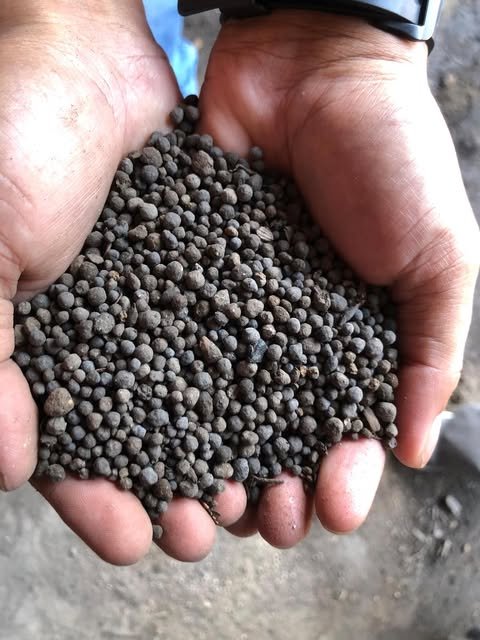
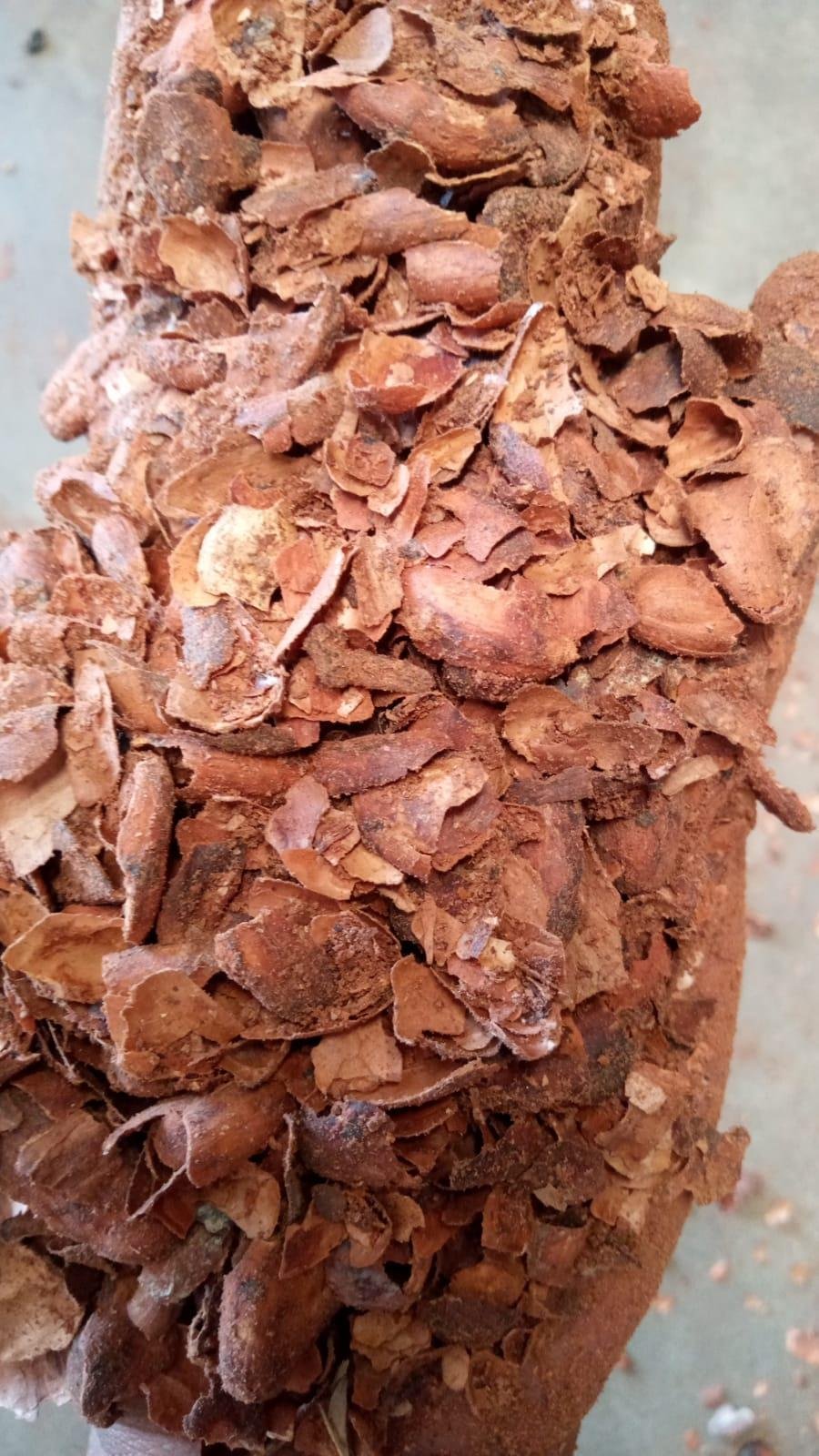
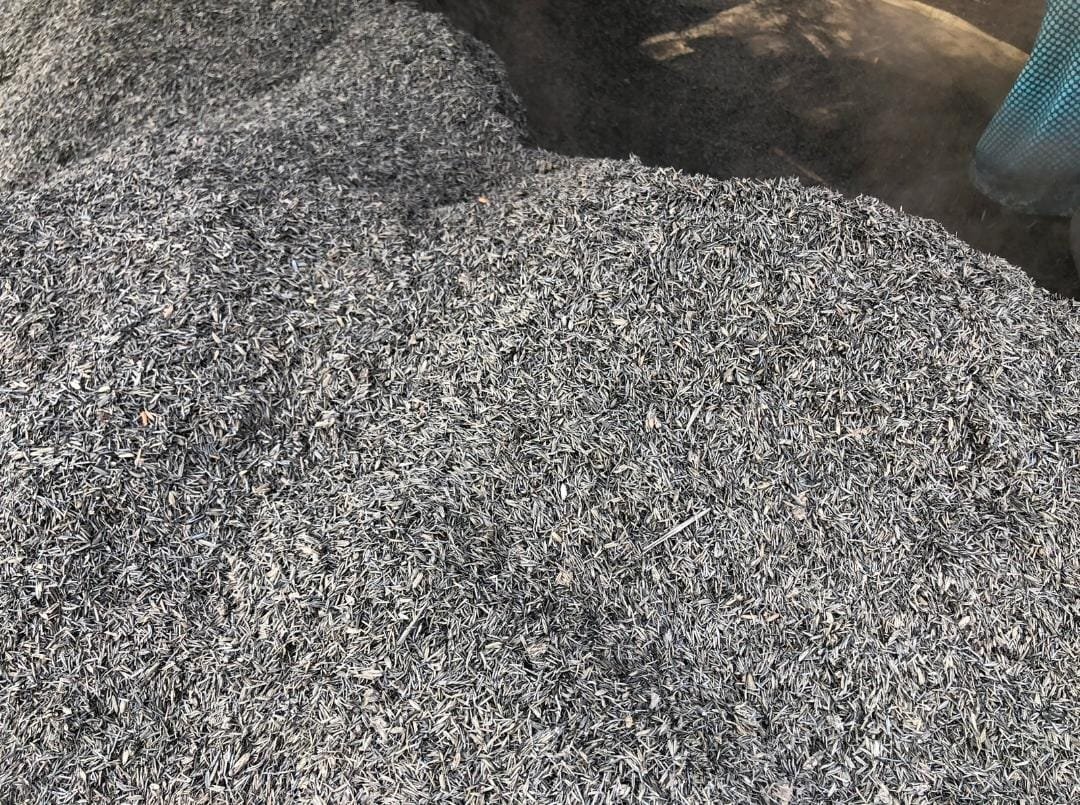
The Mid C RHA from PT Aji boasts SiO2 content of at least 80% and carbon between 5-15%, with an impressive 84.3% ash yield. The High C RHA offers fixed carbon of 34.8% and SiO2 at 67.6%, ideal for high-strength concrete. Their Pure White RHA guarantees a minimum of 92% SiO2, delivering superior pozzolanic activity. Additionally, the company provides Rice Husk Natural with 3105 kJ/g thermal value and 14.5% SiO2, and Palm Kernel Shell at 4603 kcal/kg. The Feed Meal’s protein content of 16.19% is also available for livestock feed applications.
In concrete production, RHA enhances workability and reduces shrinkage, especially in high-performance mixes for bridges and towers. The High C grade is favored in high-temperature environments where carbon content improves thermal resistance. In the ceramics industry, Pure White RHA serves as a filler, giving a smoother finish and higher firing strength. The Palm Kernel Shell’s GCV of 4603 kcal/kg is used as a biofuel for power generation within the plant. For animal nutrition, the Feed Meal’s protein content supports balanced diets for poultry and cattle.
What many buyers overlook is PT Aji’s commitment to traceability; each batch carries a digital log that tracks from field to furnace. In practice, this reduces batch variability compared to generic suppliers. The company’s on-site furnace in Gresik allows real-time adjustment of combustion parameters, yielding consistent SiO2 levels. Their customer support team provides technical data sheets and on-site consultancy, a rarity in the East Java market. These factors combine to give PT Aji a competitive edge over conventional ash suppliers.
Rice husk ash turns agricultural waste into a valuable construction material, cutting landfill volume by up to 90%. Using RHA reduces cement demand, lowering CO2 emissions by approximately 1.5 tonnes per ton of concrete. The high silica content also mitigates leaching of heavy metals in cementitious matrices. PT Aji’s combustion process is energy-efficient, utilizing excess heat for local power generation. This closed-loop system enhances the carbon footprint of both the supplier and its customers.
When purchasing RHA, check the SiO2 percentage and ash yield to match your mix design. In practice, a higher SiO2 grade means less cement replacement is required. Consider the shipping distance from Gresik to your site; bulk orders reduce per-tonne cost. Pricing varies by grade: the Pure White RHA is premium, while the Mid C RHA offers a balanced cost-performance ratio. Buyers should also account for certification and quality assurance documentation, which PT Aji provides for all products.
PT ABA Help Desk