PT Aji Bakuh Anugrah — Gresik, East Java, Indonesia
10 Oct 2026 · PT Aji Bakuh Anugrah
During my visit to PT Aji Bakuh Anugrah’s warehouse in Gresik, I met with the team that turns local rice husk into a global commodity. The facility is a model of efficiency, from farm‑to‑factory logistics to rigorous quality control. I spoke to engineers and buyers alike, learning why this Indonesian supplier stands out. The story that emerged is one of innovation, sustainability, and clear value for customers around the world.
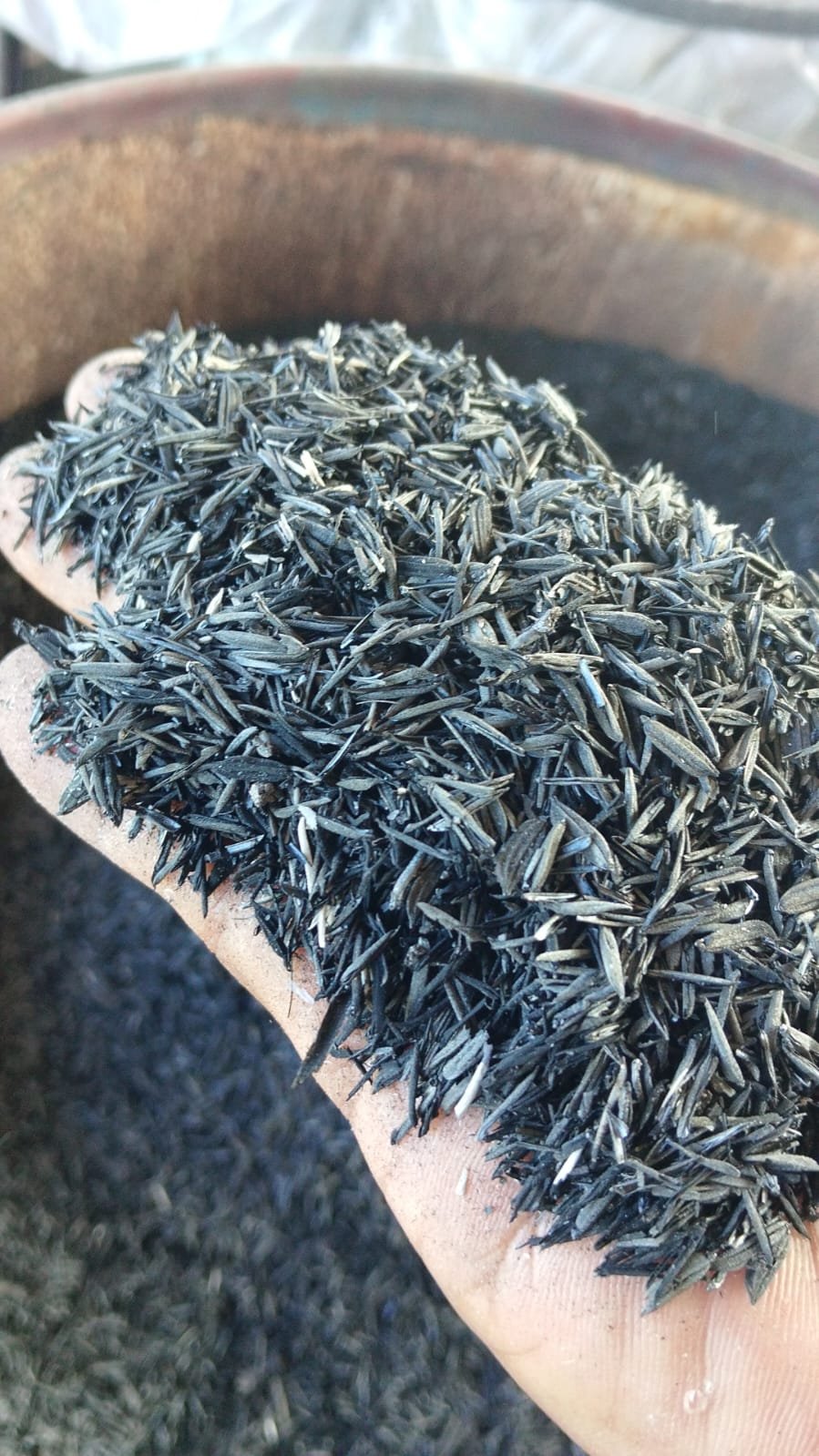
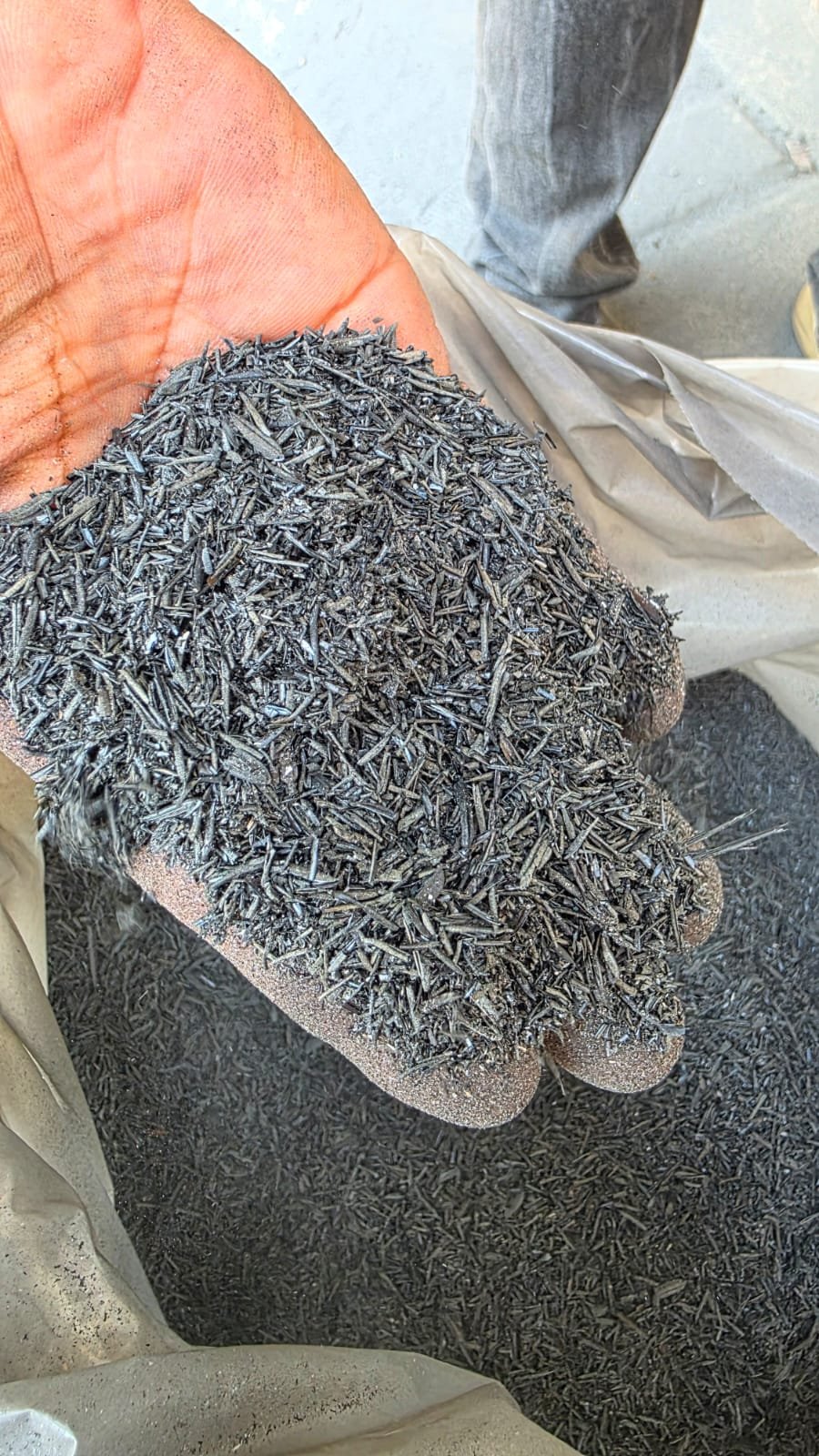
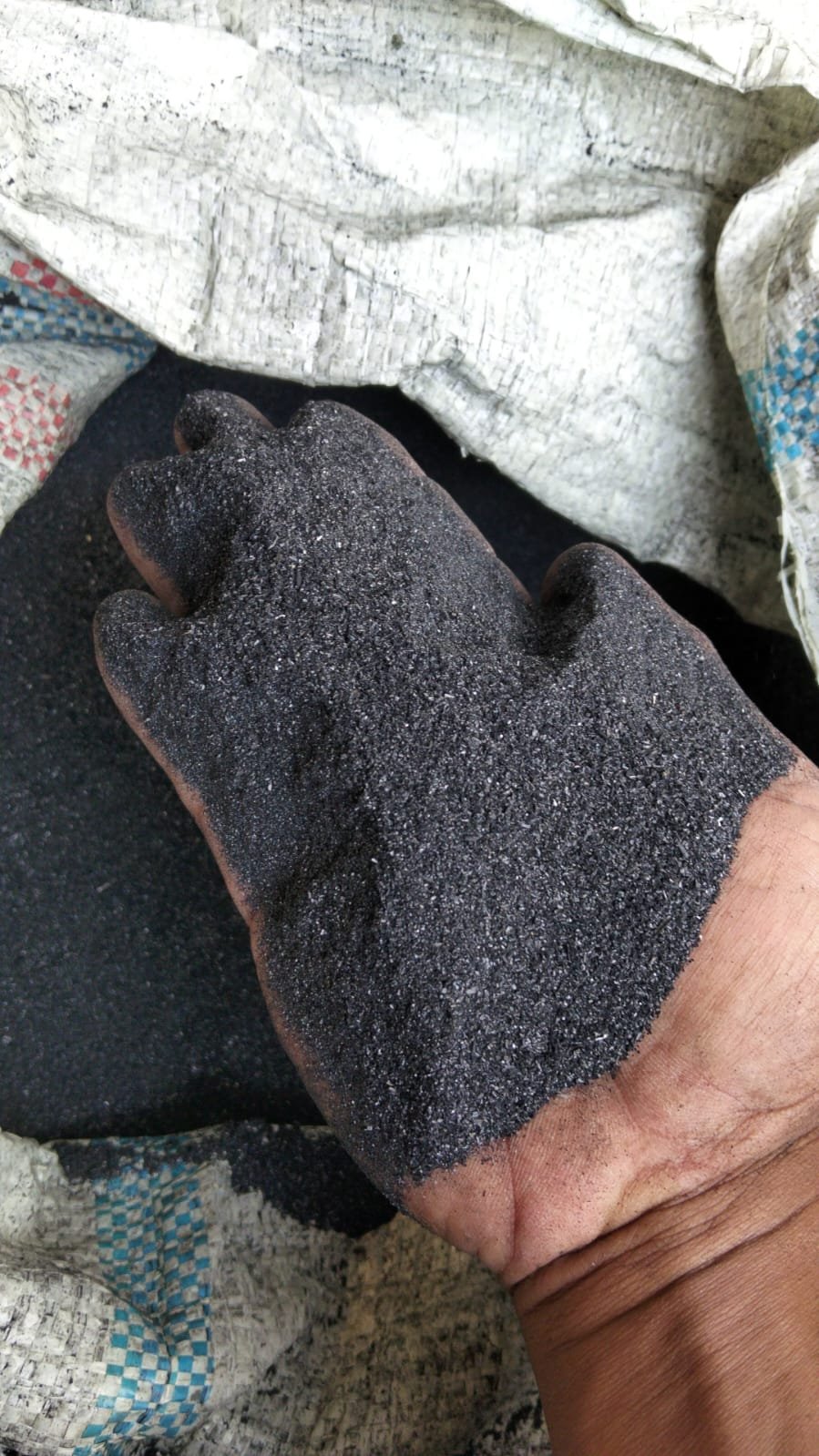
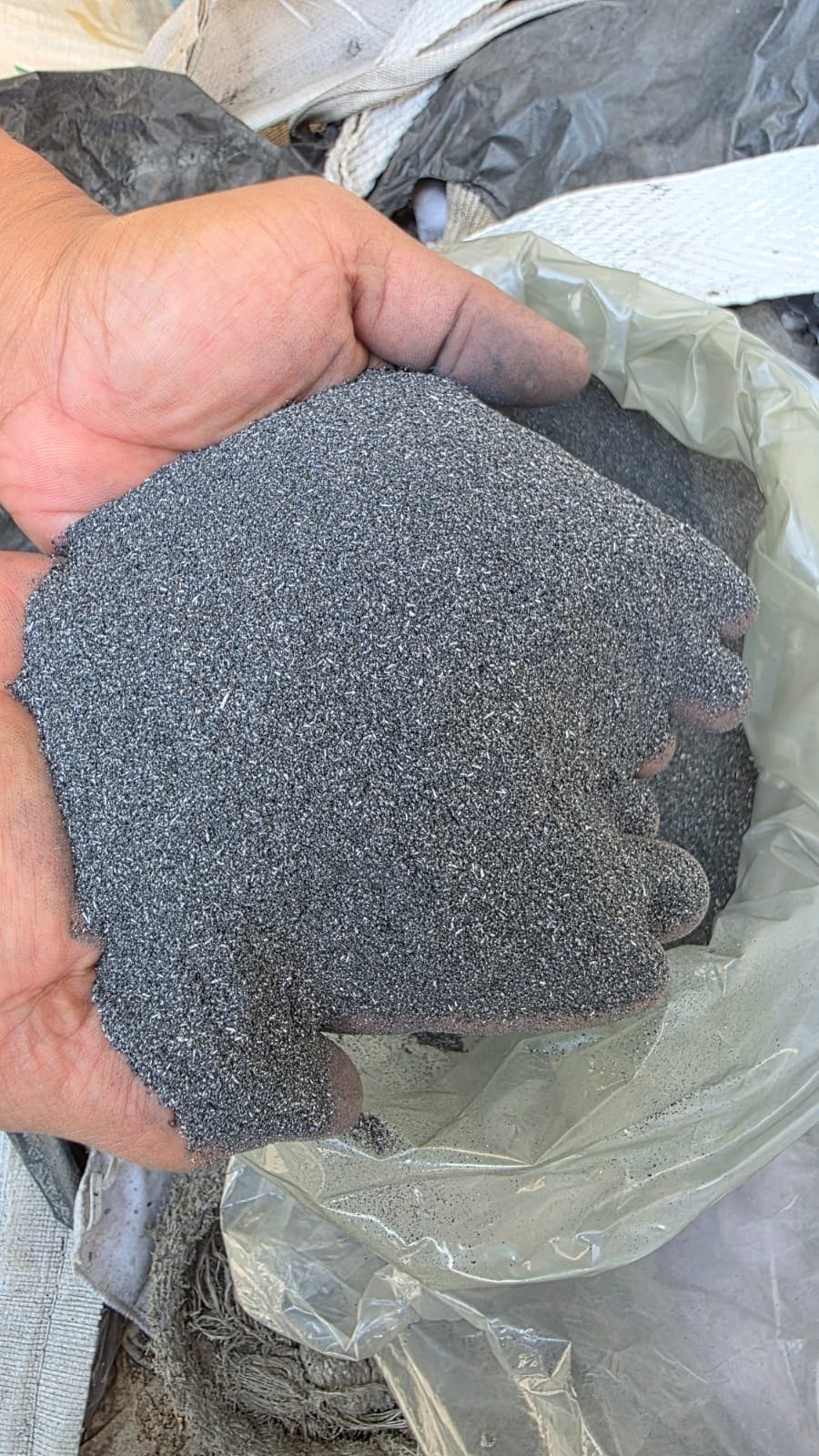
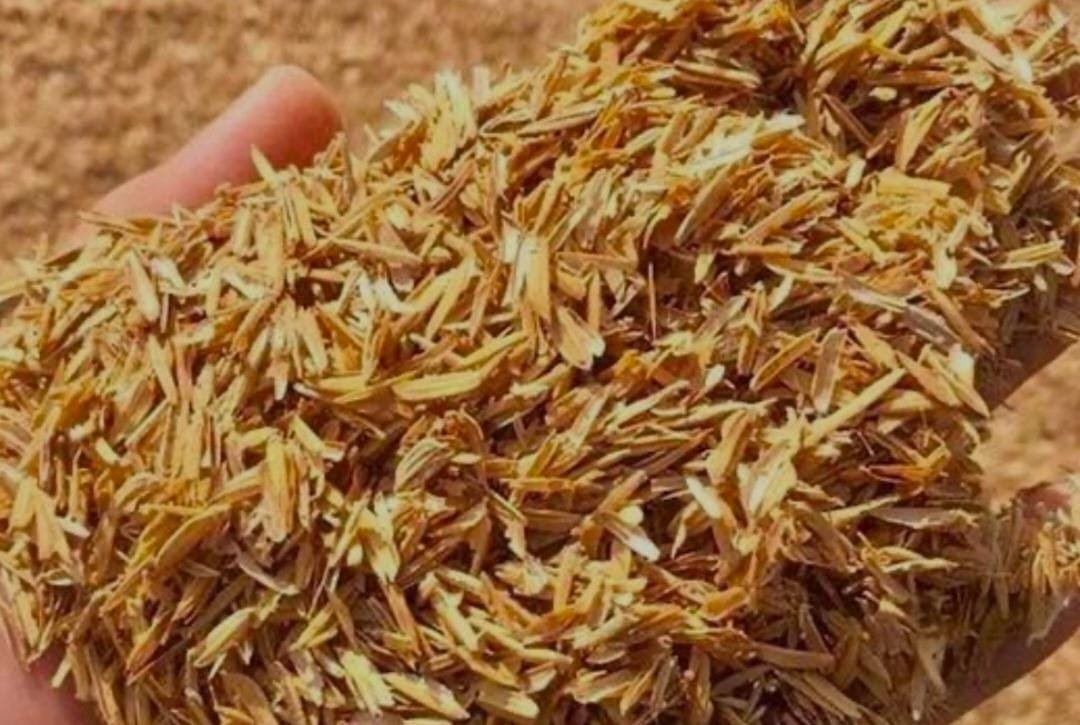
In practice, PT Aji Bakuh Anugrah differentiates itself by sourcing rice husk directly from local farmers in Gresik, ensuring traceability. What many buyers overlook is the rigorous pre‑processing that preserves the natural calorific value of 3105 kcal g⁻¹ in their raw husks. From experience, the company’s blend of Mid‑C RHA (SiO₂ ≥ 80 %, carbon 5‑15 %, ash 84.3 %) and High‑C RHA (fixed carbon 34.8 %, SiO₂ 67.6 %) delivers consistent performance across industries. Their competitive advantage also stems from a vertically integrated supply chain that reduces lead times and costs. Additionally, PT Aji’s commitment to ISO 9001 quality certification guarantees reliability for international clients. These factors combine to make PT Aji the go‑to exporter for high‑grade rice husk materials.
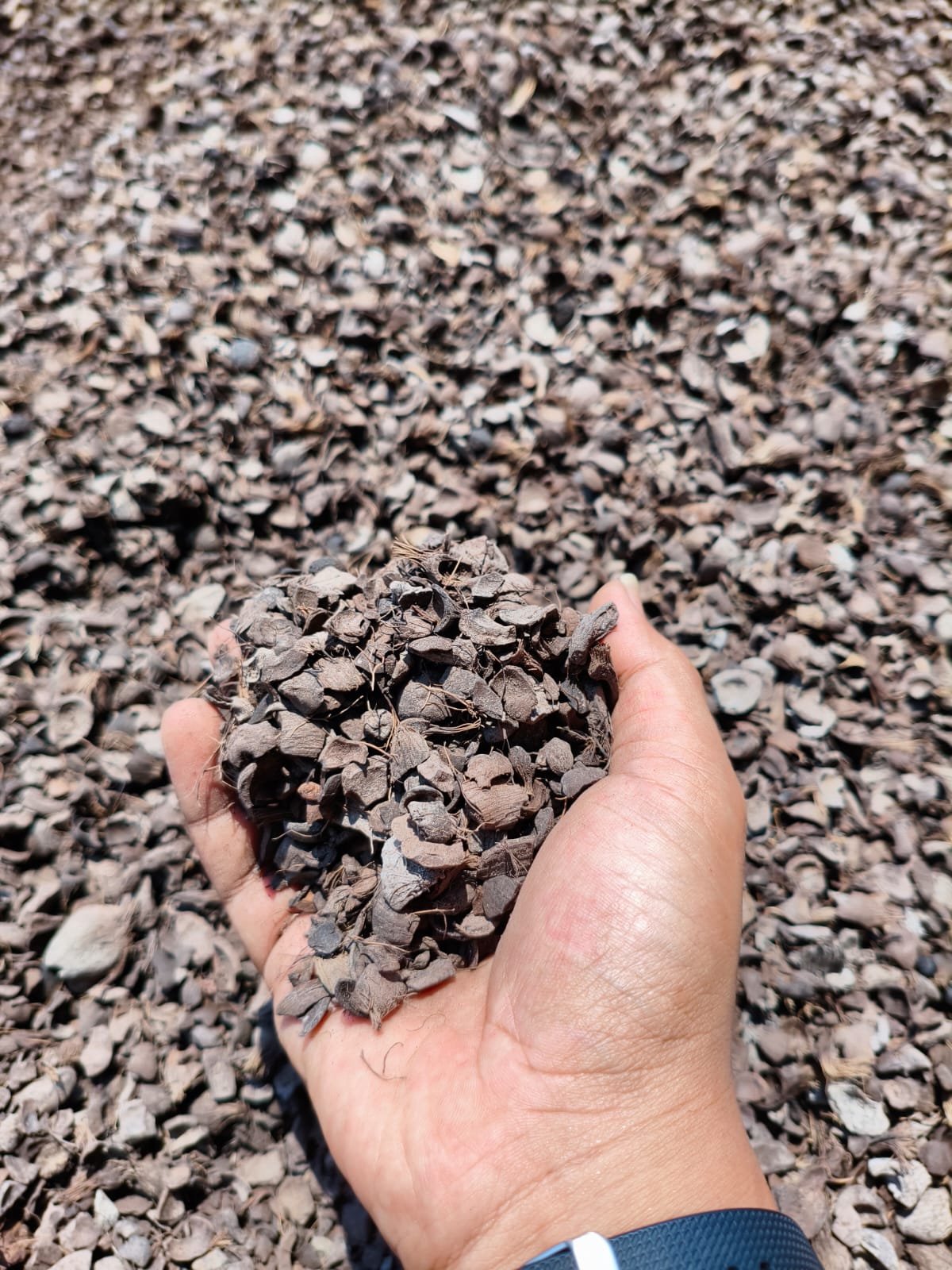
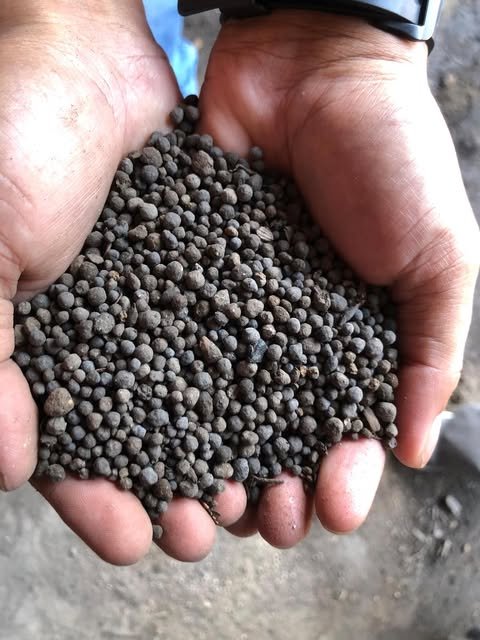
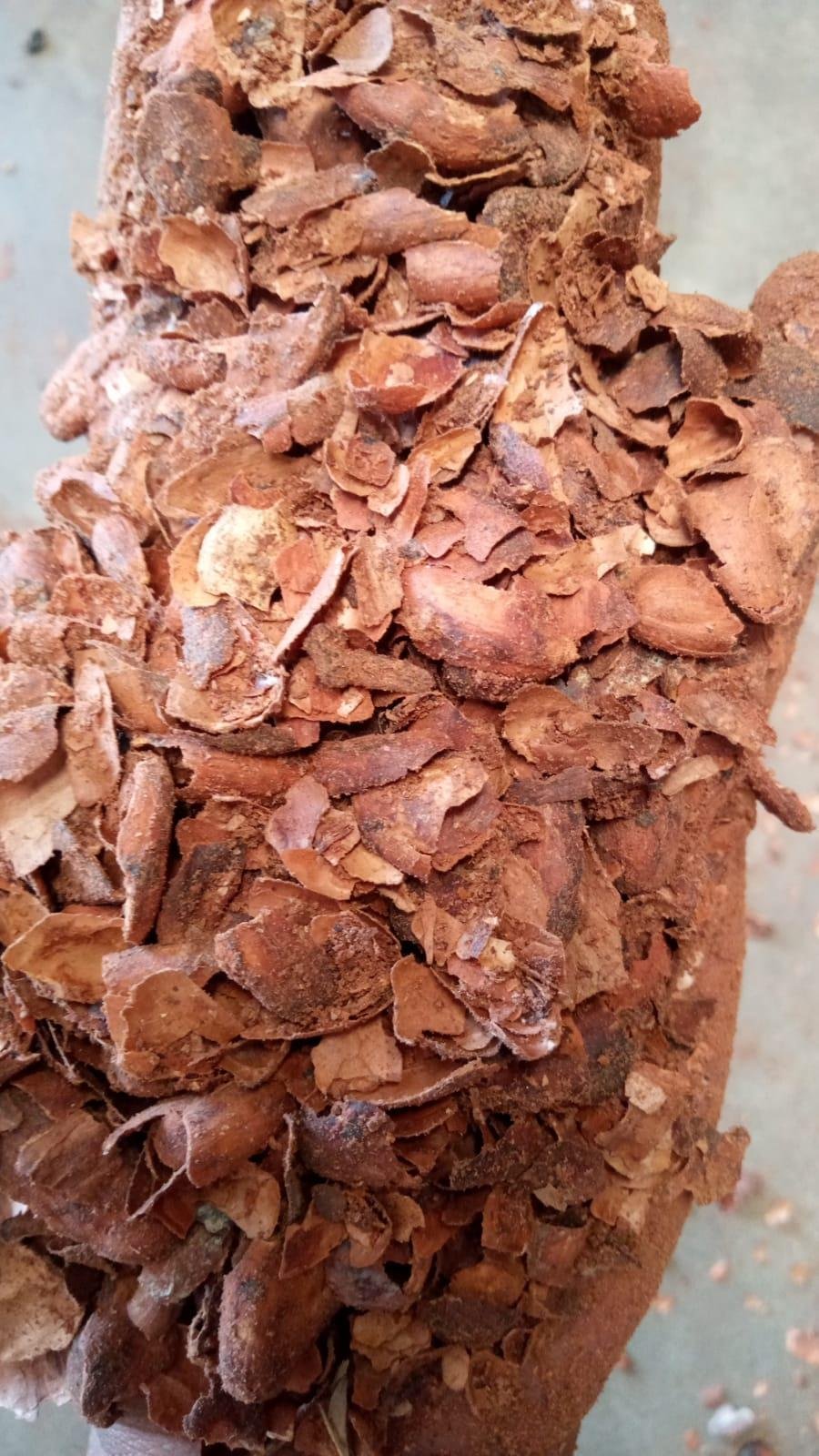
In practice, rice husk is a versatile feedstock for the cement and construction sectors as a supplementary cementitious material. Mid‑C RHA is widely adopted in concrete mixes to enhance strength and reduce water demand. High‑C RHA finds use in the manufacture of refractory bricks and heat‑resistant panels due to its elevated fixed‑carbon content. Pure White RHA (SiO₂ ≥ 92 %) is favored by the automotive industry for producing high‑performance ceramic parts. Palm kernel shell, with a GCV of 4603 kcal kg⁻¹, is blended with rice husk in bio‑fuel kilns for consistent combustion. Feed meal with 16.19 % protein is often incorporated into animal feed formulations to enhance nutritional value.
The natural rice husk offered by PT Aji has a calorific value of 3105 kcal g⁻¹ and a silica content of 14.5 %. Mid‑C RHA meets the ASTM C618 standard, featuring SiO₂ ≥ 80 %, carbon 5‑15 %, and ash 84.3 %. High‑C RHA delivers fixed carbon at 34.8 % and silica at 67.6 %—ideal for high‑temperature applications. Pure White RHA guarantees a minimum silica of 92 %, ensuring superior pozzolanic activity. Palm kernel shell’s gross calorific value of 4603 kcal kg⁻¹ makes it a high‑energy biomass feedstock. The feed meal’s protein content of 16.19 % supports sustainable livestock nutrition.
What many buyers overlook is that price is heavily influenced by moisture content, which PT Aji controls at ≤ 3 %. From experience, bulk orders of 10 tonnes or more benefit from a 5 % discount and free shipping to major ports. Packaging options range from 50 kg bags for small projects to 500 kg drums for industrial use. Lead times are typically 4‑6 weeks after confirmation, with expedited options available for urgent orders. Payment terms are Net 30 for repeat clients, otherwise Net 45, reflecting the company’s risk‑mitigating approach. These factors together shape a transparent, competitive pricing model that aligns with global market expectations.
In practice, utilizing rice husk and palm kernel shell diverts agricultural waste from open fields, reducing methane emissions. The high silica content of RHA contributes to lower CO₂ footprints in cement production by partially replacing clinker. From experience, the company’s carbon‑neutral certification stems from offsetting 20 % of its logistics emissions. Moreover, the feed meal’s protein content reduces the need for synthetic fertilizers, cutting nitrogen runoff. PT Aji also recycles waste husk dust into building materials, closing the loop within the local economy. These sustainability practices position the exporter as a leader in the circular bio‑resource sector.
Rice husk ash (RHA) is produced by controlled pyrolysis of rice husk, yielding a silica‑rich by‑product. The industry classifies RHA into Mid‑C, High‑C, and Pure White grades, each suited to different performance requirements. Mid‑C RHA offers a balance of strength and cost, widely used in concrete. High‑C RHA’s higher fixed carbon makes it ideal for refractory applications. Pure White RHA, with silica ≥ 92 %, is the premium choice for high‑tech ceramic and glass manufacturing. PT Aji’s ability to supply all three grades under one roof gives buyers flexibility without compromising quality.
PT ABA Help Desk