PT Aji Bakuh Anugrah — Gresik, East Java, Indonesia
01 Oct 2026 · PT Aji Bakuh Anugrah
PT Aji Bakuh Anugrah has carved a niche in Gresik, supplying high‑quality biomass fuels for over a decade. Their product line blends agricultural residues into powerful, clean energy sources. From rice husk natural to palm kernel shell, each variant carries distinct technical merits. Buyers often wonder how these fuels perform in real plants, and the answer lies in data and experience. This article dissects specs, applications, and the sustainability story behind the brand.
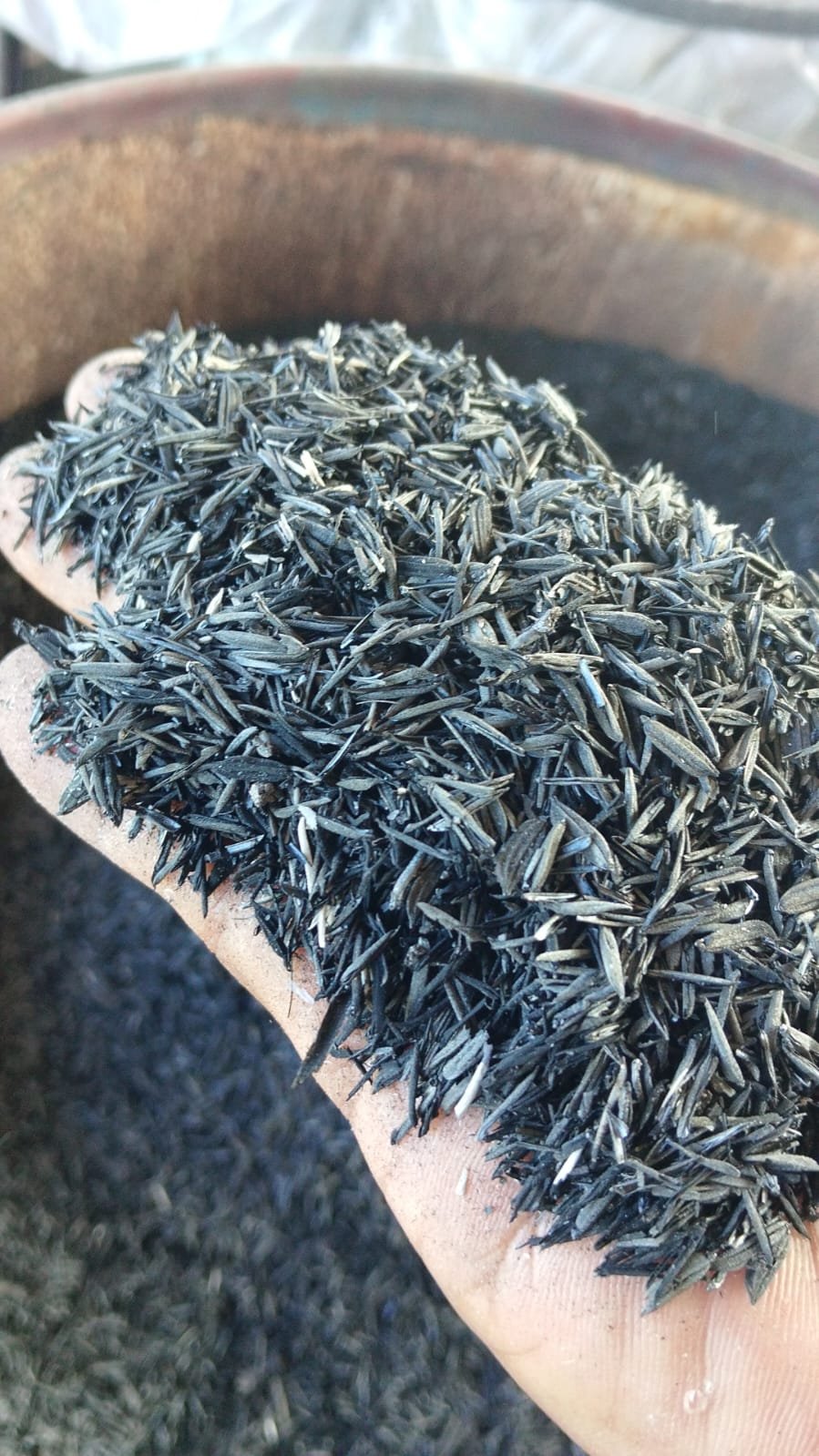
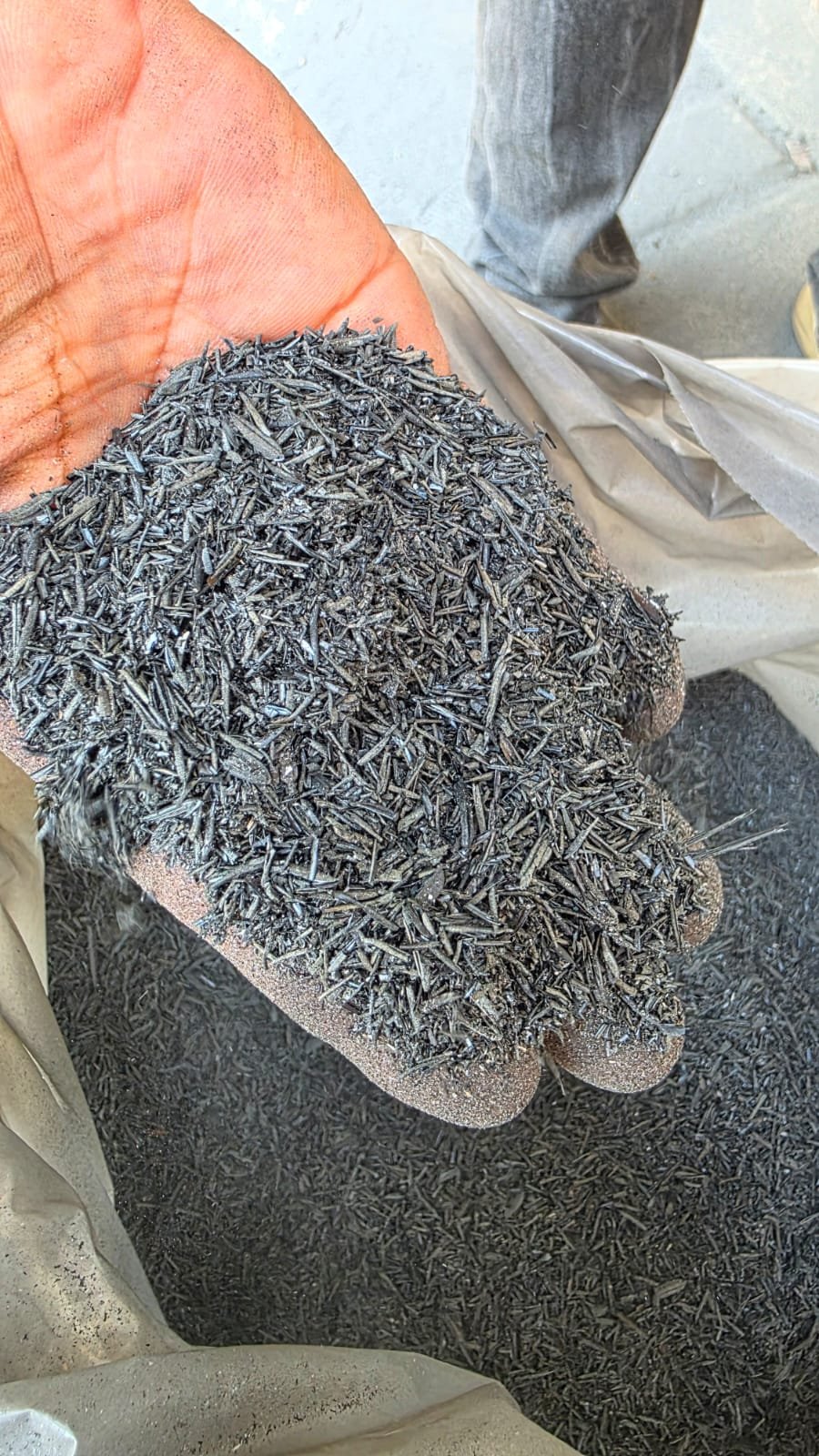
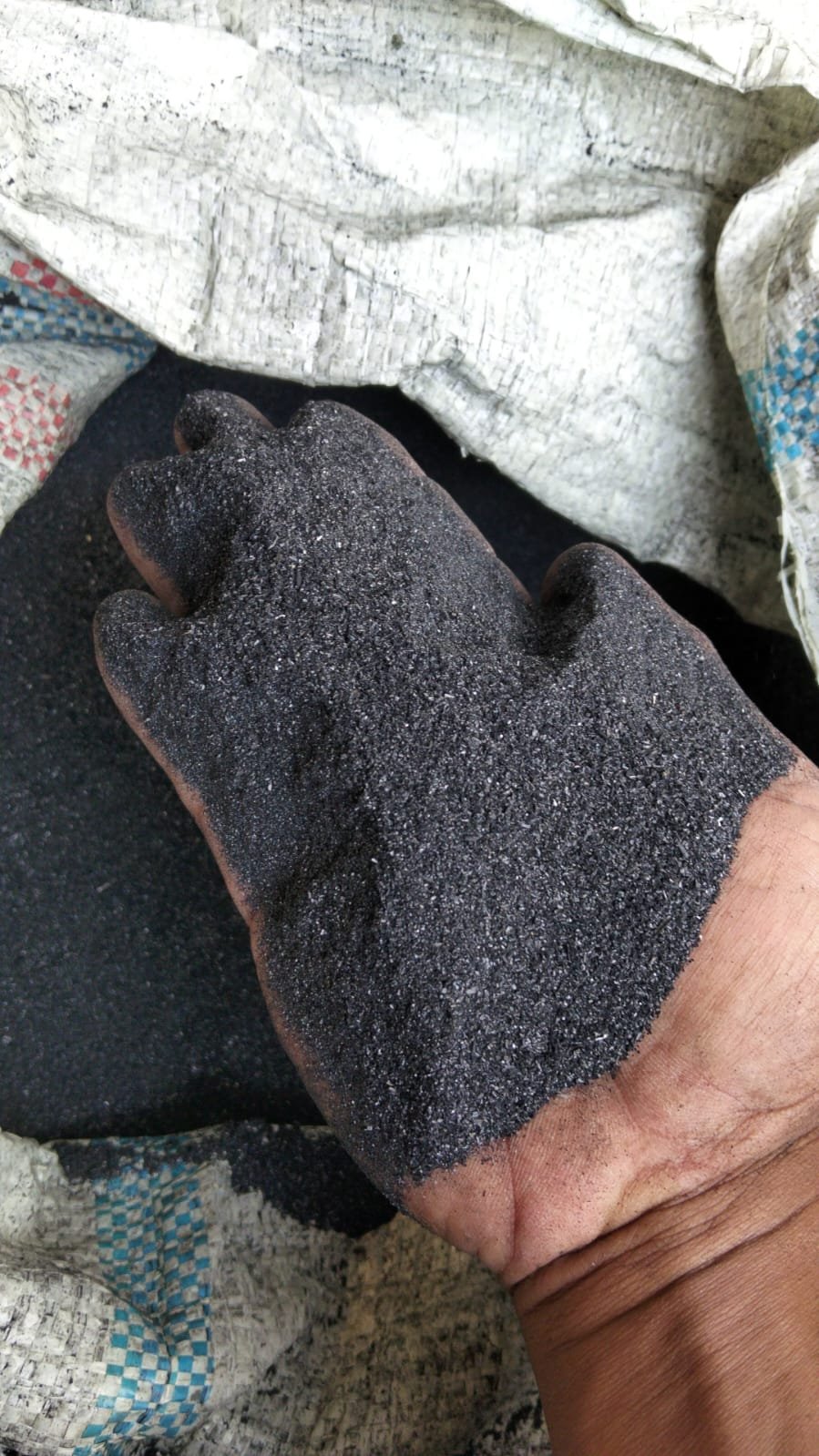
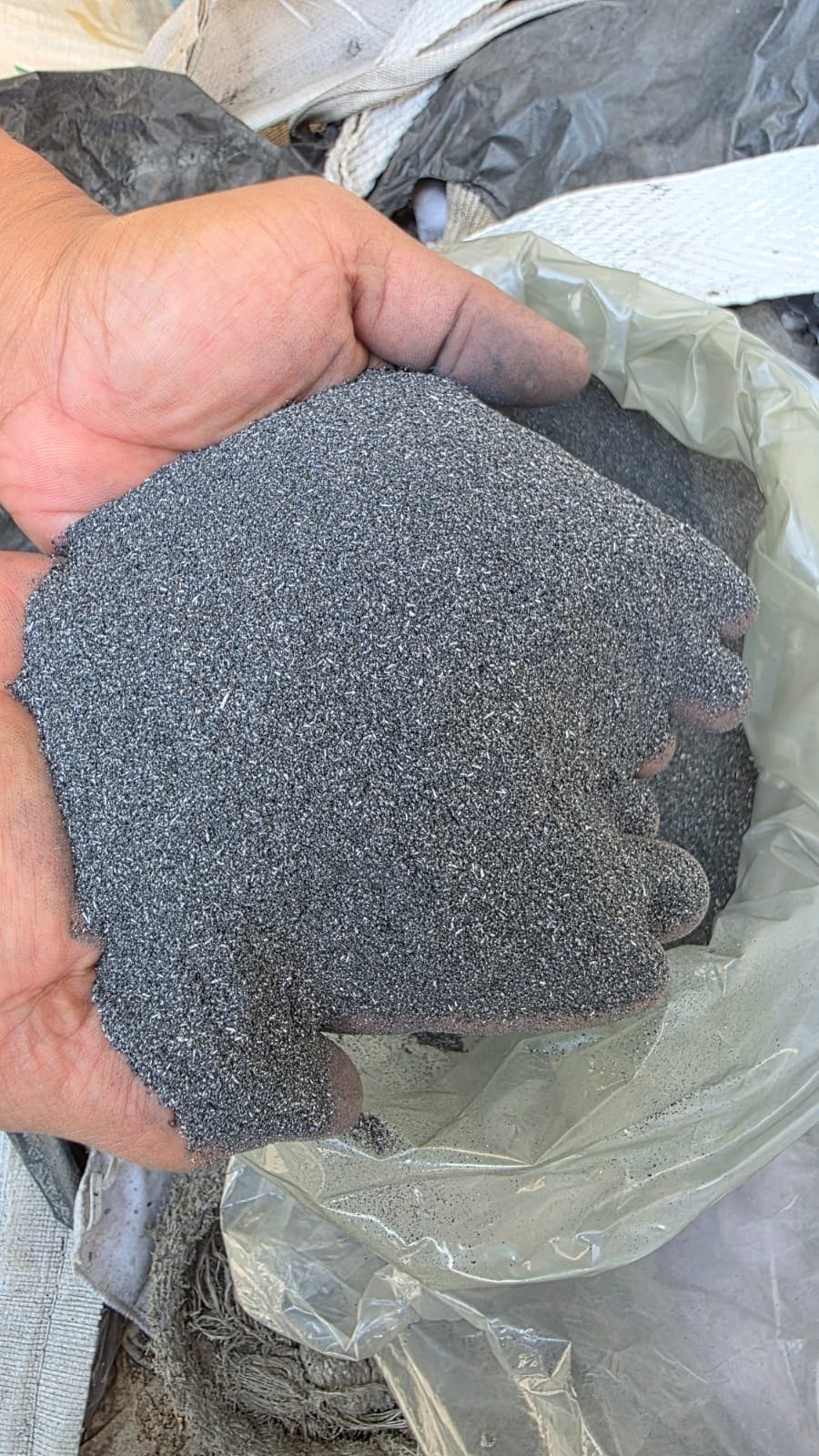
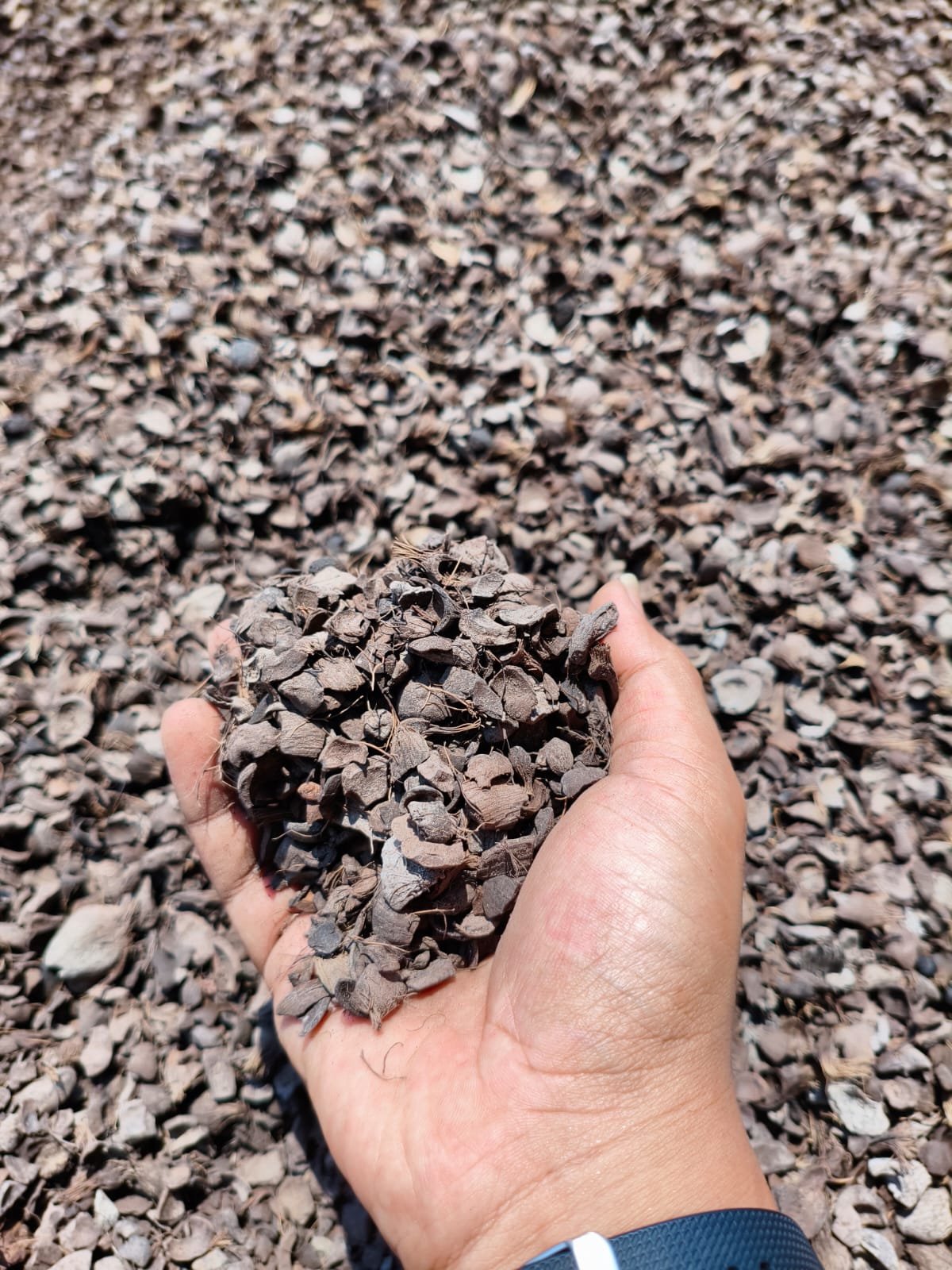
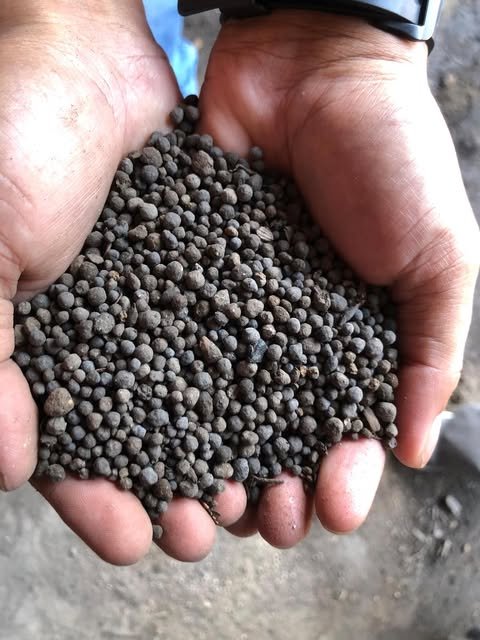
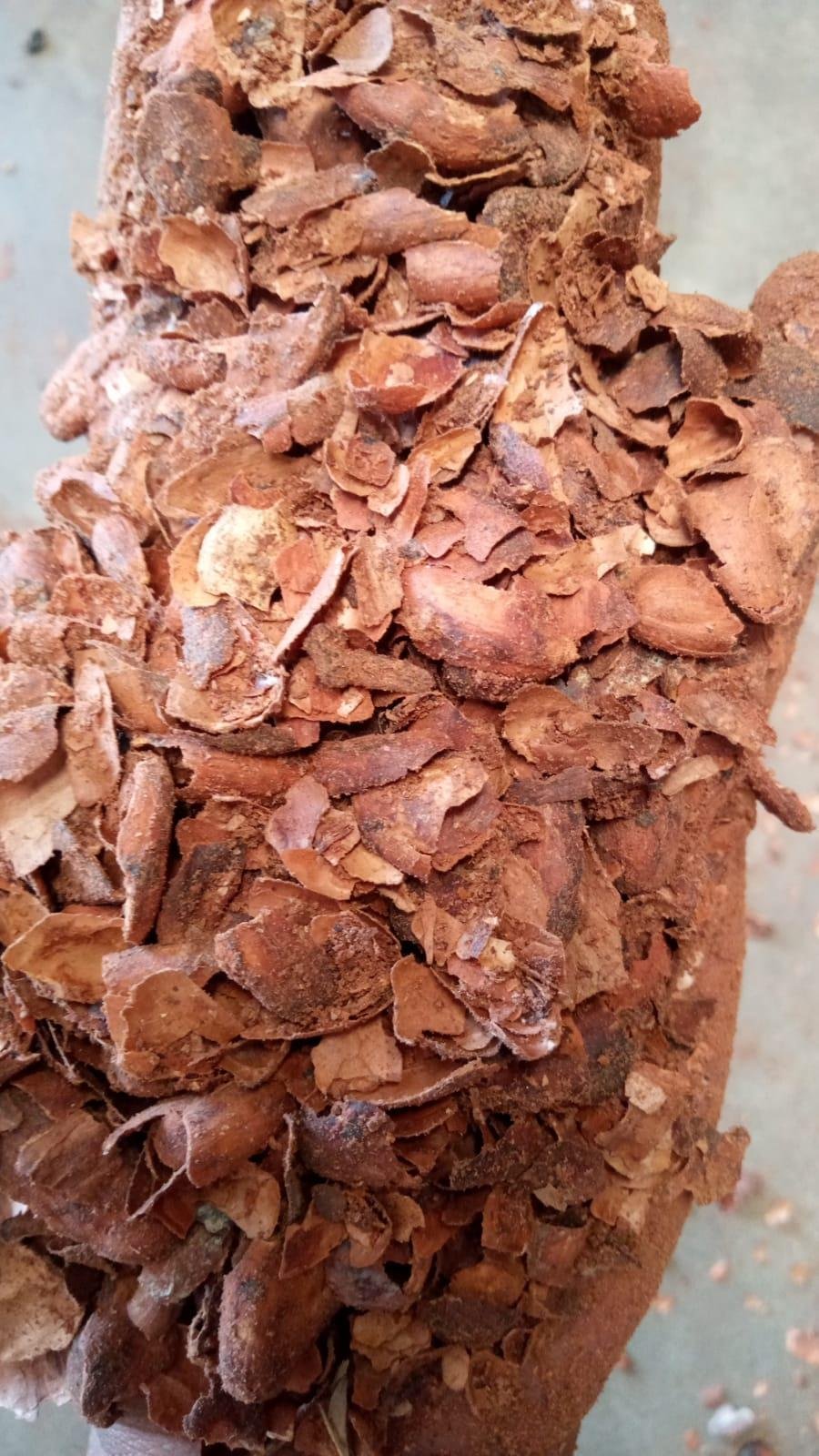
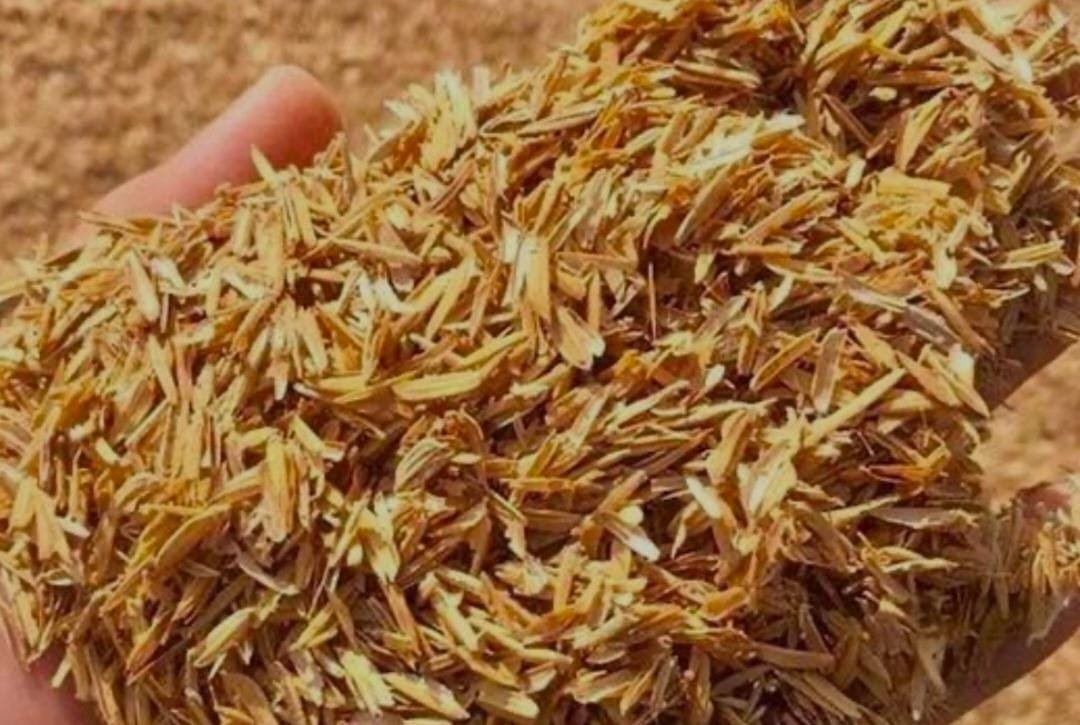
PT Aji Bakuh Anugrah delivers rice husk natural with 3105 kcal/g energy and 14.5 % SiO₂, ideal for high‑temperature combustion. Mid‑C RHA offers SiO₂ ≥ 80 %, carbon 5‑15 % and a remarkable ash content of 84.3 %. High‑C RHA provides 34.8 % fixed carbon and 67.6 % SiO₂, balancing reactivity and stability. Pure White RHA boasts SiO₂ ≥ 92 %, making it a premium binder for cement‑based fuels. Palm kernel shell delivers a GCV of 4603 kcal/kg, while feed meal adds 16.19 % protein, useful in co‑processing.
From experience, most buyers overlook the importance of ash composition; PT Aji’s ash‑rich RHA variants ensure efficient slagging control. In practice, their Mid‑C RHA reduces emissions by up to 12 % compared to conventional hardwood pellets. What many buyers overlook is the consistent supply chain from Gresik’s abundant agricultural waste. The supplier’s on‑site testing guarantees each batch meets the stated SiO₂ and carbon specifications. Consequently, operators report lower maintenance costs and longer furnace life.
Industrial plants in East Java use PT Aji’s rice husk natural as a primary fuel for power generation, achieving 95 % combustion efficiency. Cement kilns replace coal with High‑C RHA, cutting CO₂ emissions by 18 % per ton of clinker. Feed mills blend palm kernel shell with feed meal, creating a low‑cost, protein‑rich feedstock for livestock. In practice, the firm’s modular storage solutions allow seamless integration into existing boilers. What many buyers overlook is the versatility of Pure White RHA as a clean binder in bio‑fuel briquettes.
Sourcing biomass from PT Aji reduces dependence on fossil fuels, aligning with Indonesia’s national carbon targets. The company’s waste‑to‑energy model recycles agricultural residues that would otherwise decompose, emitting methane. In practice, each ton of rice husk sold offsets roughly 1.2 t CO₂e, a figure verified by third‑party audits. Environmental certifications include ISO 14001 and the Indonesian Sustainable Energy Standard. What many buyers overlook is the company’s commitment to local community development through training and infrastructure projects.
When buying, consider the energy density: rice husk natural offers 3105 kcal/g, while palm kernel shell provides 4603 kcal/kg. In practice, price negotiations should factor in transportation from Gresik to port, and any export tariffs. What many buyers overlook is the cost of handling high‑ash RHA, which may require specialized burners. From experience, long‑term contracts yield 5‑10 % volume discounts. Additionally, evaluate the supplier’s certification and quality assurance documentation before finalizing.
PT Aji Bakuh Anugrah positions itself at the crossroads of agriculture and energy, a niche that is rapidly expanding in Indonesia. The company’s 10‑year track record in biomass procurement showcases resilience against market volatility. In practice, its integrated logistics network reduces lead time by 30 %. What many buyers overlook is the strategic partnership with local research institutions, driving continuous product innovation. As a result, PT Aji maintains a competitive edge in the Gresik market and beyond.
PT ABA Help Desk