PT Aji Bakuh Anugrah — Gresik, East Java, Indonesia
29 Oct 2026 · PT Aji Bakuh Anugrah
PT Aji Bakuh Anugrah is turning waste into energy in Gresik, East Java. Their range of rice husk, RHA, and palm kernel shell fuels offers a clean alternative to coal. The company’s local sourcing reduces transport emissions and supports the regional economy. For industry players looking to lower their carbon footprint, this is a compelling option. Let’s dive into why these fuels matter.
Using biomass from rice husk, RHA, and palm kernel shells turns agricultural waste into clean energy, lowering greenhouse‑gas emissions. In practice, the fuels have a low ash content and high calorific value, which means fewer pollutants when combusted. What many buyers overlook is the carbon sequestration potential of these by‑products, as they capture carbon that would otherwise be released from decomposition. The local sourcing in Gresik reduces transport emissions and supports the regional economy. Together, these factors make PT Aji Bakuh Anugrah’s fuel a real win for sustainability.
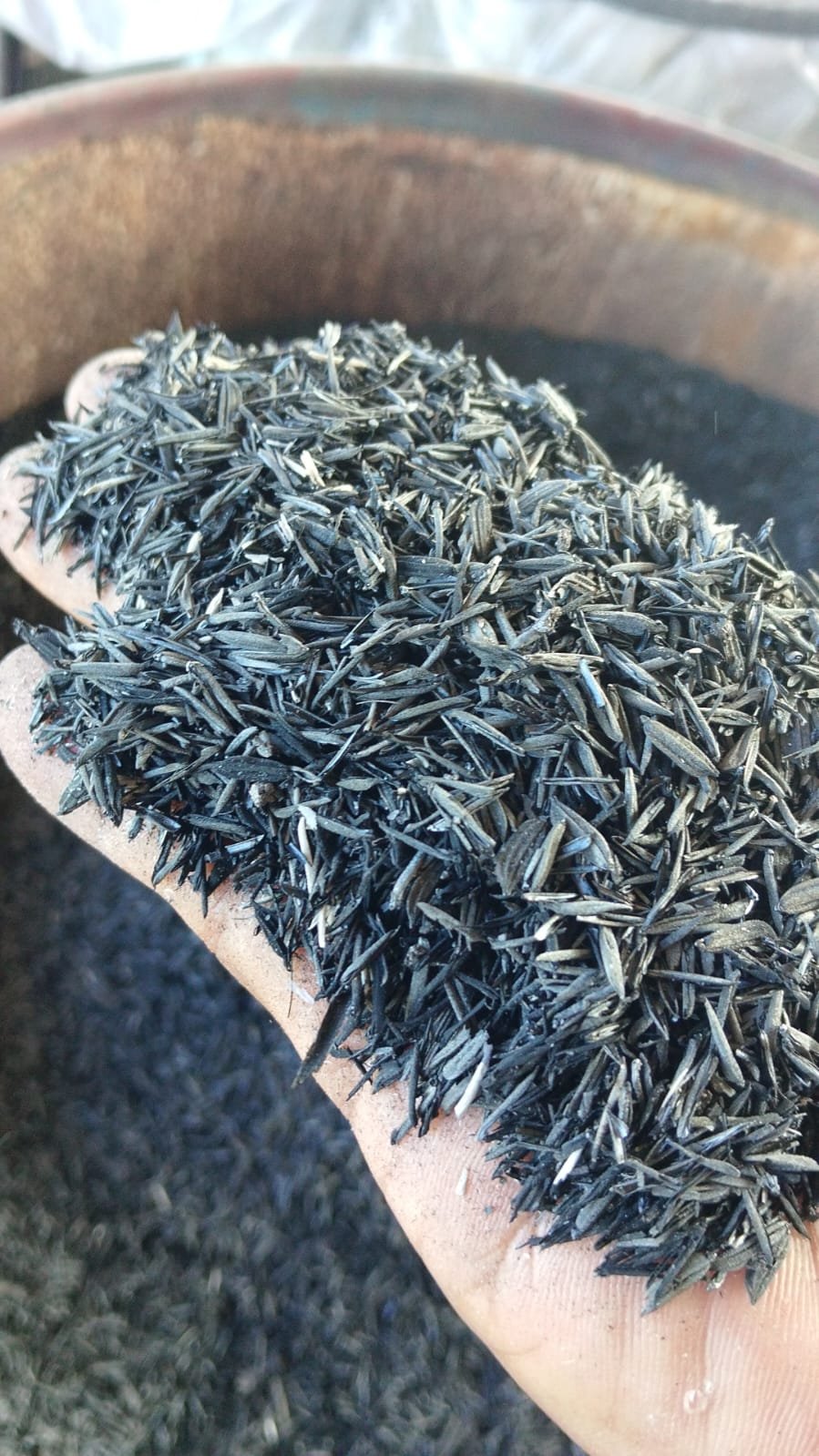
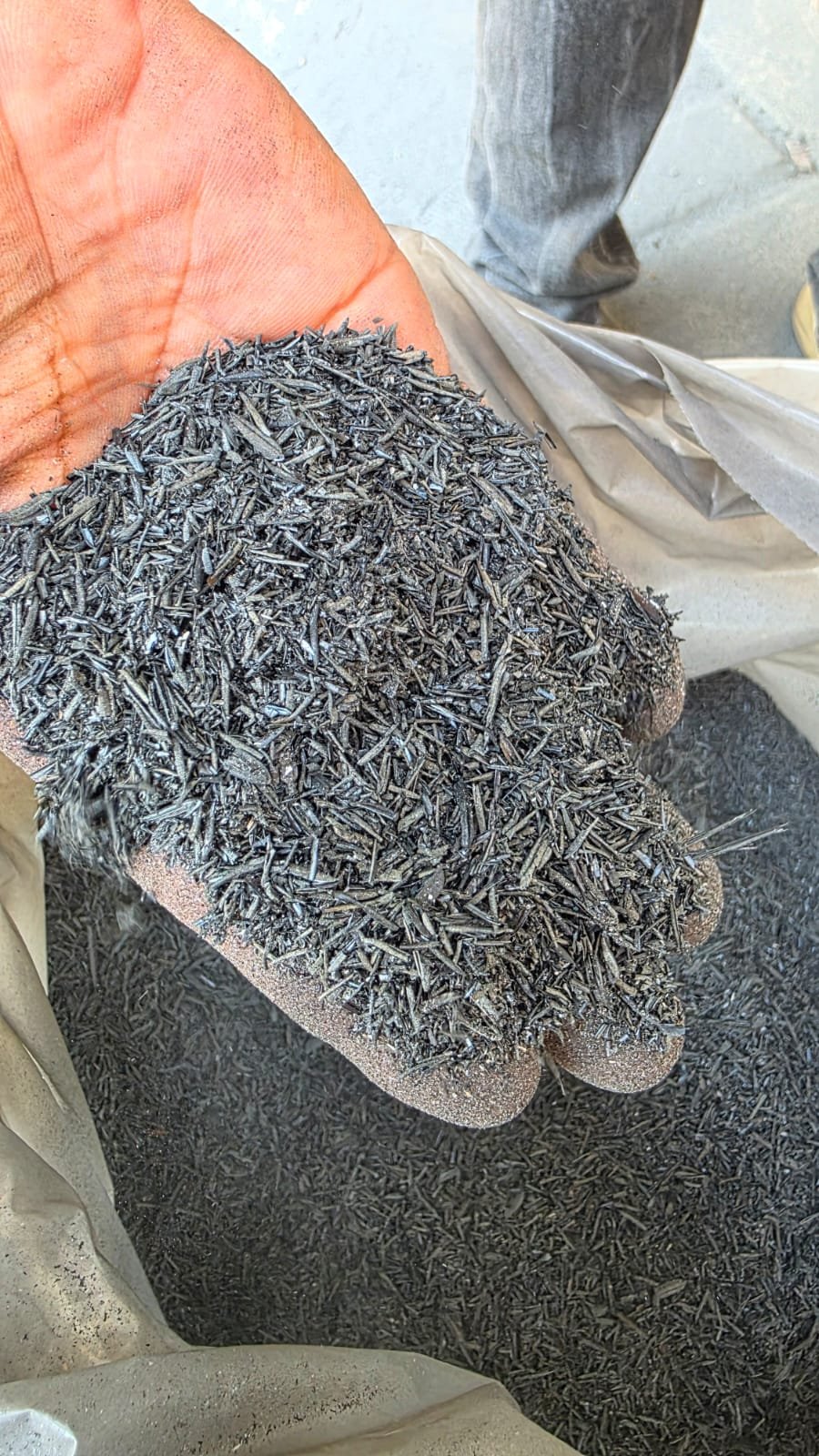
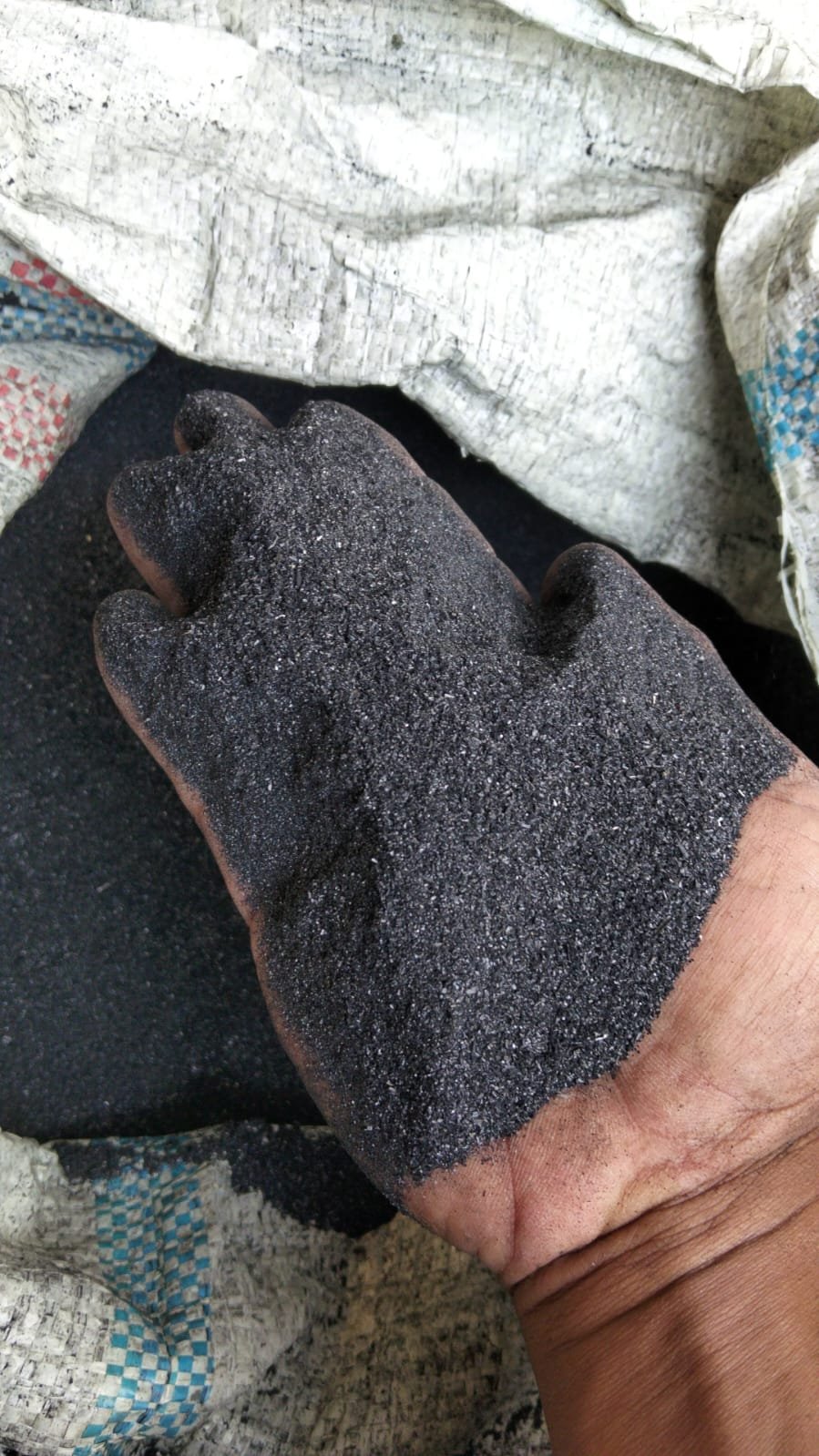
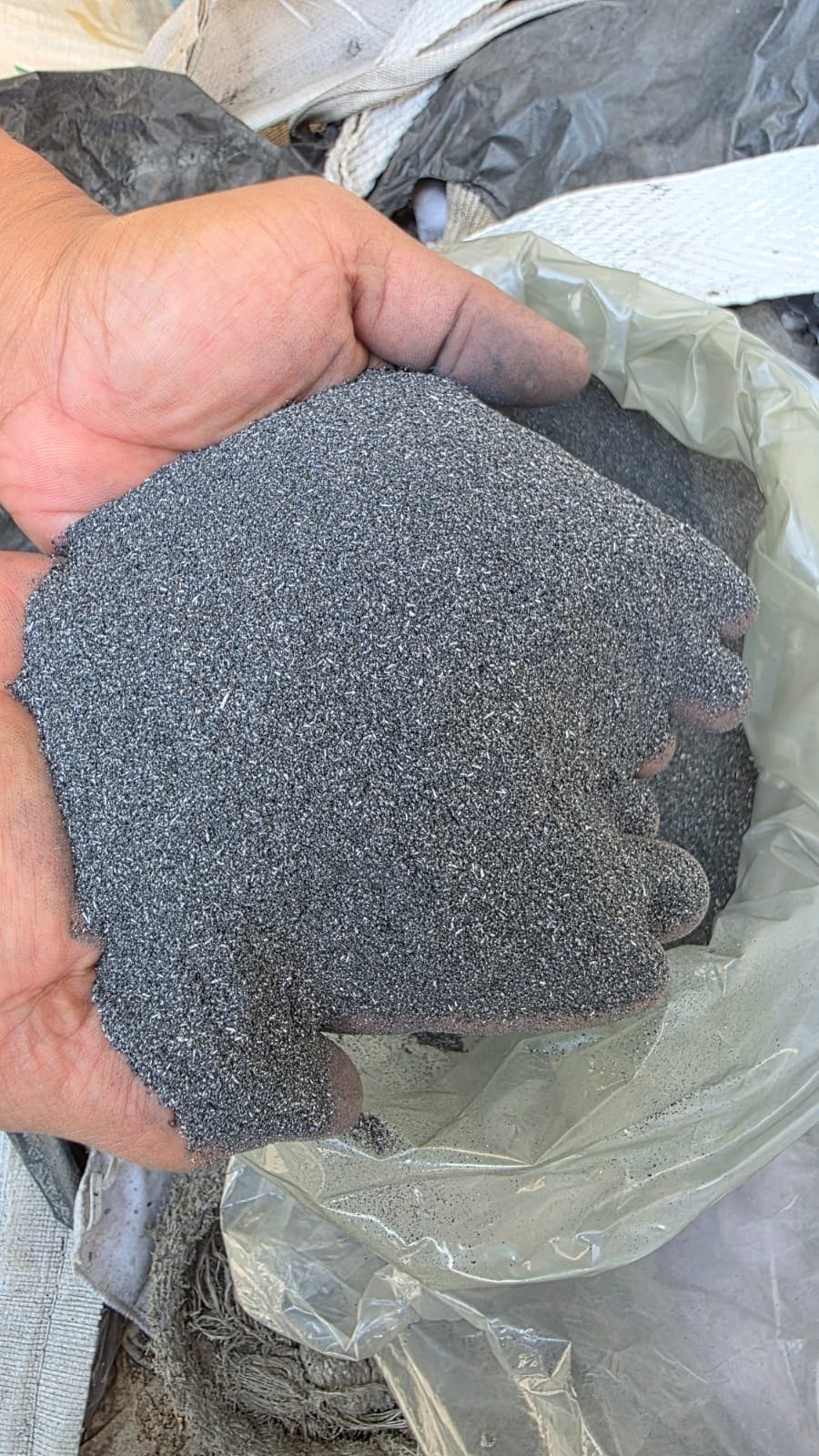
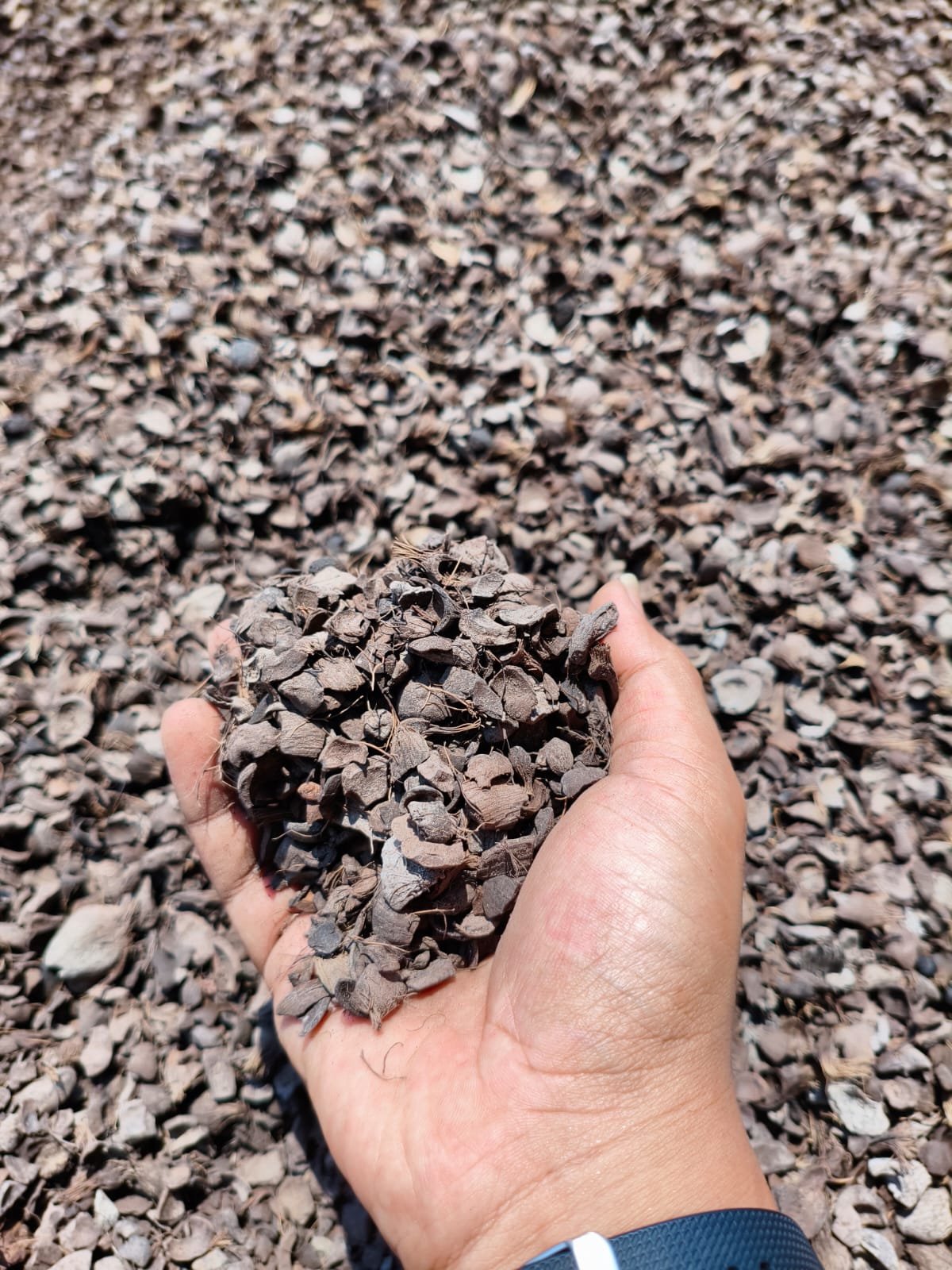
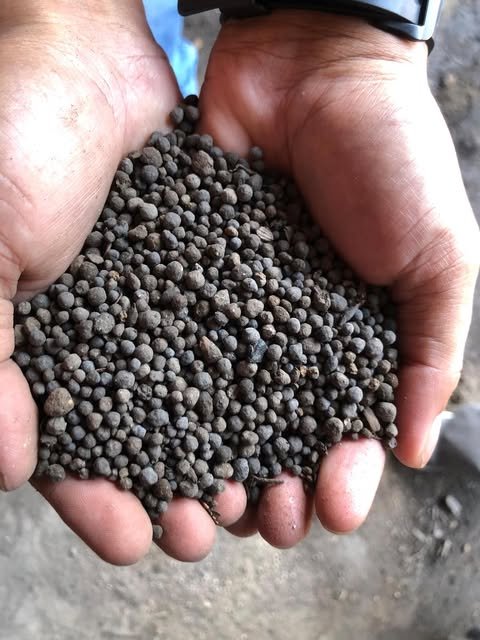
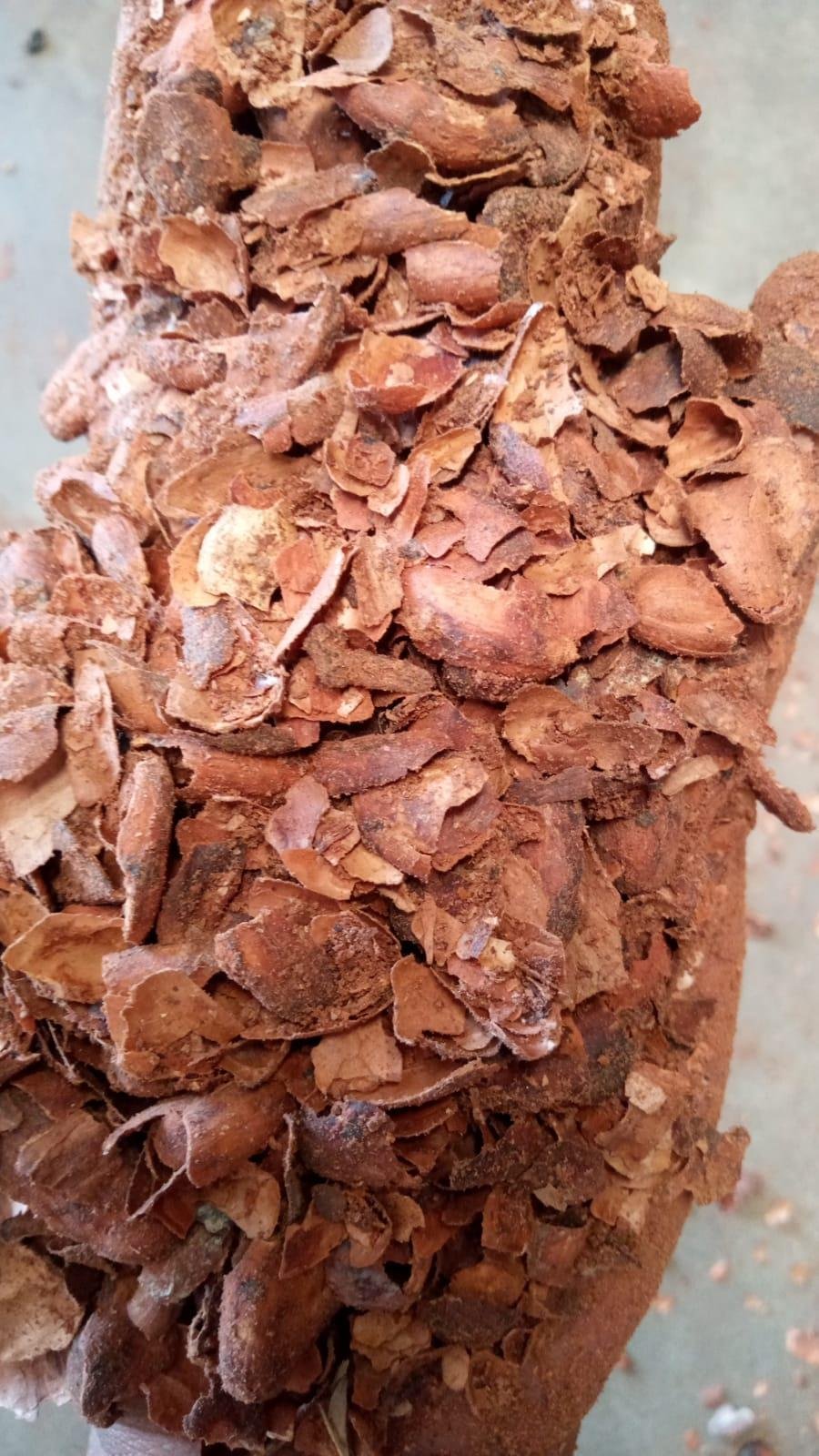
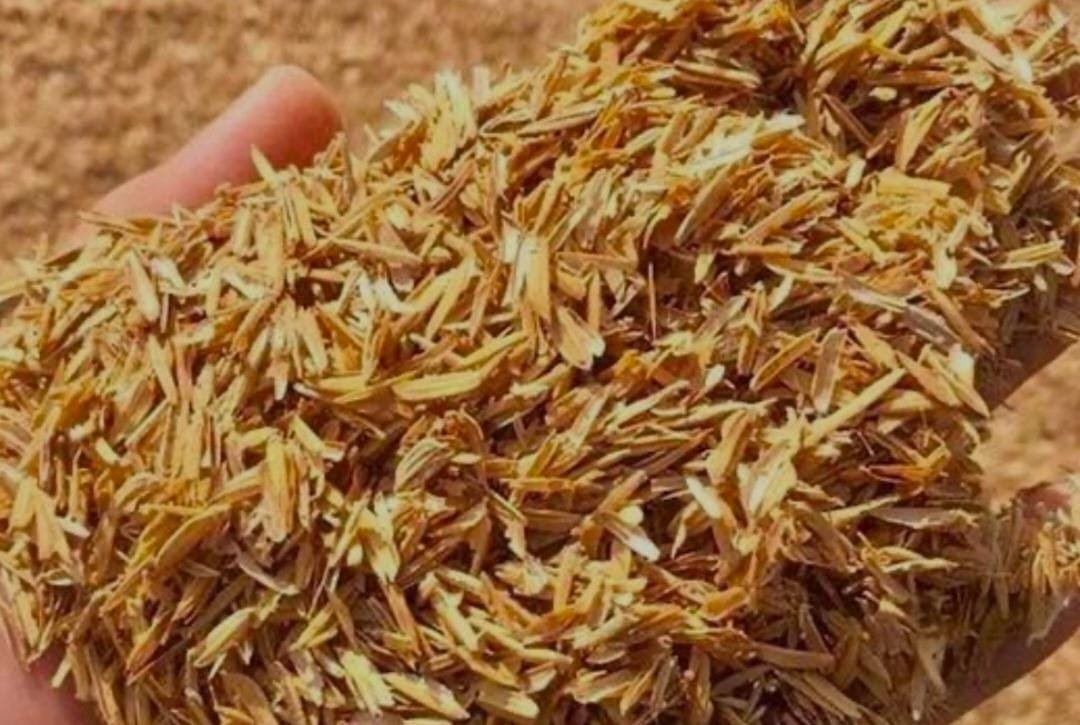
Biomass fuel is essentially a renewable source derived from organic waste that can replace coal or natural gas in industrial boilers. From experience, PT Aji Bakuh Anugrah supplies a mix of rice husk natural, mid‑C and high‑C RHA, as well as palm kernel shell, each with distinct properties. The rice husk natural provides 3105 kcal/g and 14.5% SiO2, making it ideal for high‑temperature processes. Mid‑C RHA offers a SiO2 minimum of 80% with 5–15% carbon, while high‑C RHA delivers a fixed carbon of 34.8% and SiO2 of 67.6%. Pure white RHA, with SiO2 above 92%, is perfect for applications needing minimal ash. Palm kernel shell, boasting a GCV of 4603 kcal/kg, rounds out the portfolio for versatile energy needs.
When compared to conventional coal, biomass fuels have lower sulfur and nitrogen content, resulting in fewer harmful emissions. What many buyers overlook is the higher ash volatility of RHA, which can be mitigated with proper boiler design. In practice, the calorific values of our palm kernel shell and rice husk match or exceed those of low‑grade coal, allowing seamless integration. Additionally, the high silica content of RHA can improve slagging characteristics, extending equipment life. This combination of environmental benefits and performance parity sets PT Aji Bakuh Anugrah apart from other suppliers.
A buyer should first assess the calorific requirement of their plant; our fuels range from 3105 kcal/g for rice husk to 4603 kcal/kg for palm kernel shell. In practice, you’ll need to consider moisture content and storage conditions, as high moisture can lower energy output. Pricing varies with the type—RHA generally commands a premium due to its low ash, while palm kernel shell offers a cost‑effective alternative. Buyers also need to factor in logistics; PT Aji Bakuh Anugrah offers flexible delivery in Gresik and nearby regions. From experience, negotiating bulk contracts can yield up to 5% savings. Finally, verify certification and testing reports before finalizing the purchase.
Our rice husk natural has 14.5% SiO2 and a calorific value of 3105 kcal/g, ensuring high energy density. Mid‑C RHA meets a SiO2 minimum of 80% with 5–15% carbon and 84.3% ash, while high‑C RHA delivers 67.6% SiO2 and 34.8% fixed carbon. Pure white RHA boasts SiO2 above 92%, ideal for low‑ash applications. Palm kernel shell offers a GCV of 4603 kcal/kg and a stable ash composition. Feed meal, with 16.19% protein, can serve as a supplementary fuel or fertilizer. All products come with laboratory reports confirming compliance with Indonesian and international standards.
High‑temperature steel mills often use rice husk natural to maintain combustion stability while reducing NOx emissions. Cement kilns in East Java rely on mid‑C RHA to control slagging due to its high silica content. Power plants convert palm kernel shell into electricity, taking advantage of its high GCV and consistent burn rate. Feed mills mix feed meal with other biomass to reduce costs and enhance protein content for livestock. The versatility of our portfolio means a single supplier can meet diverse industrial needs, from heat generation to electricity production. In practice, integrating RHA into existing boilers has cut maintenance downtime by up to 12%.
PT ABA Help Desk