PT Aji Bakuh Anugrah — Gresik, East Java, Indonesia
05 Oct 2026 · PT Aji Bakuh Anugrah
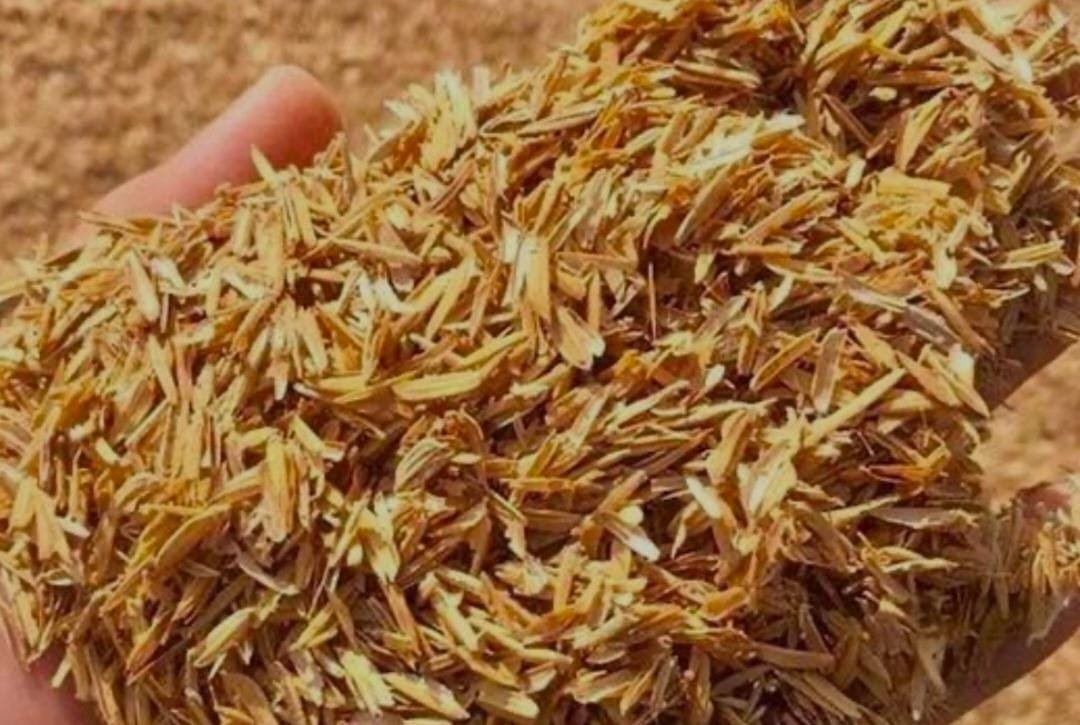
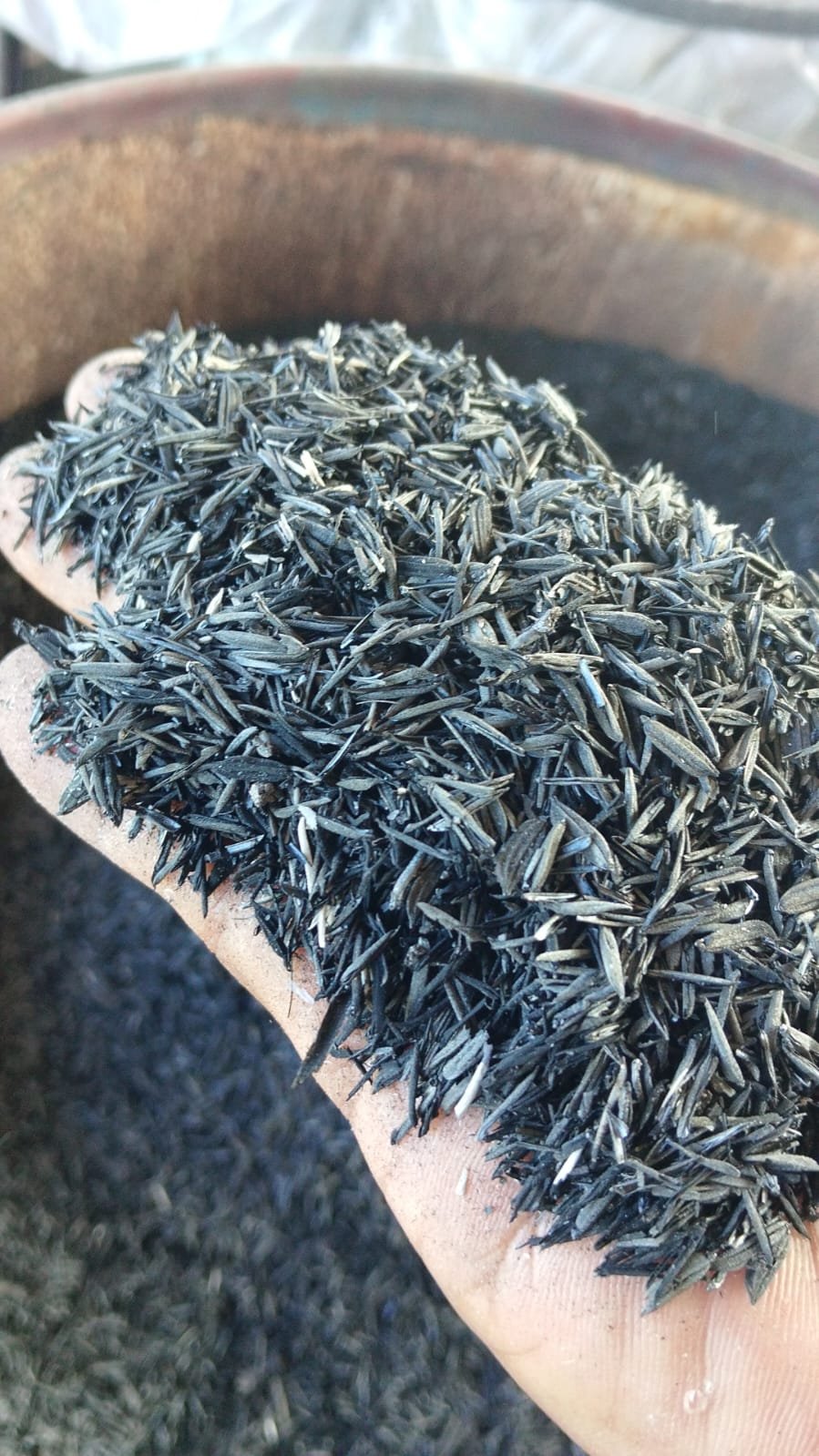
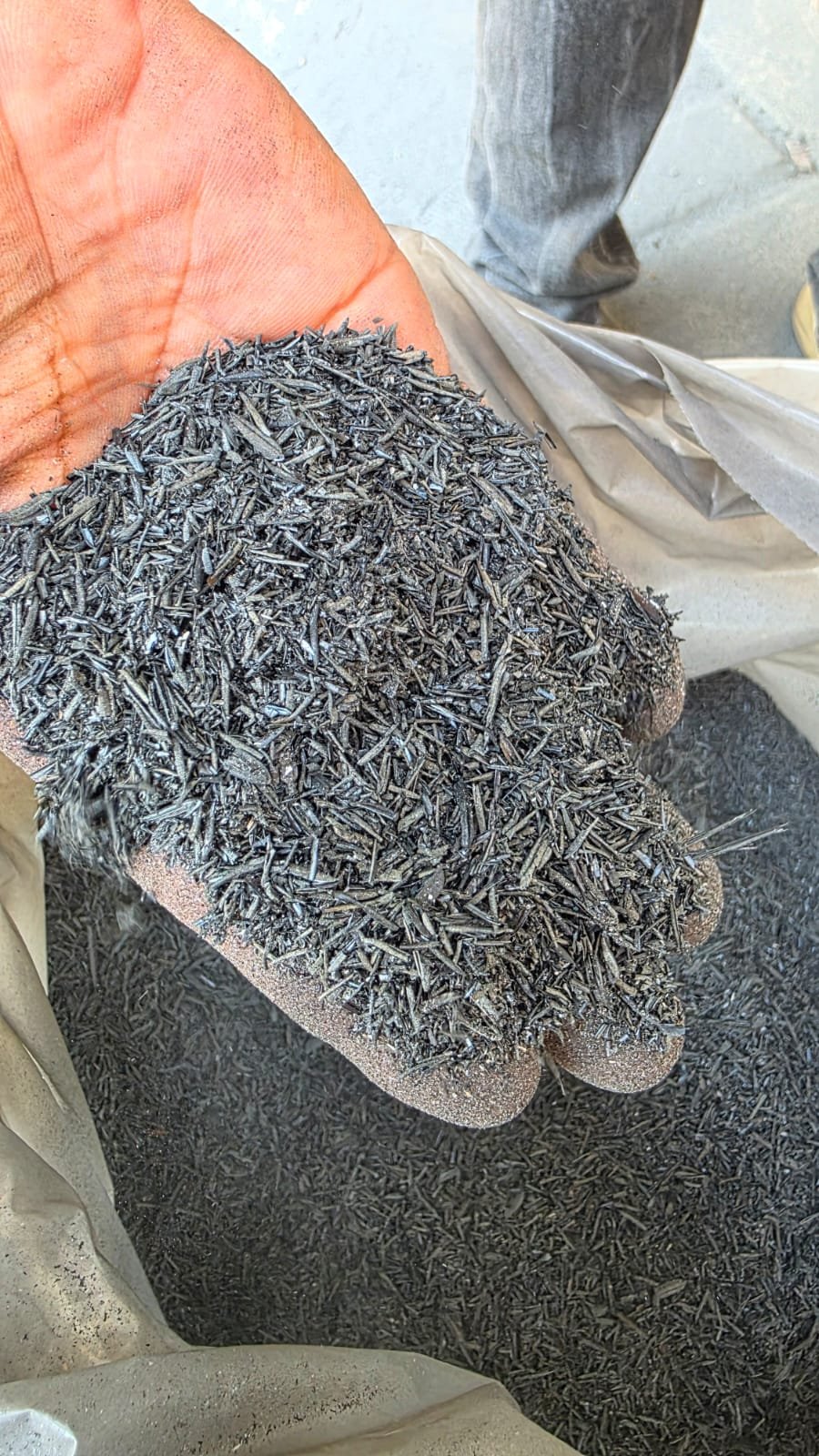
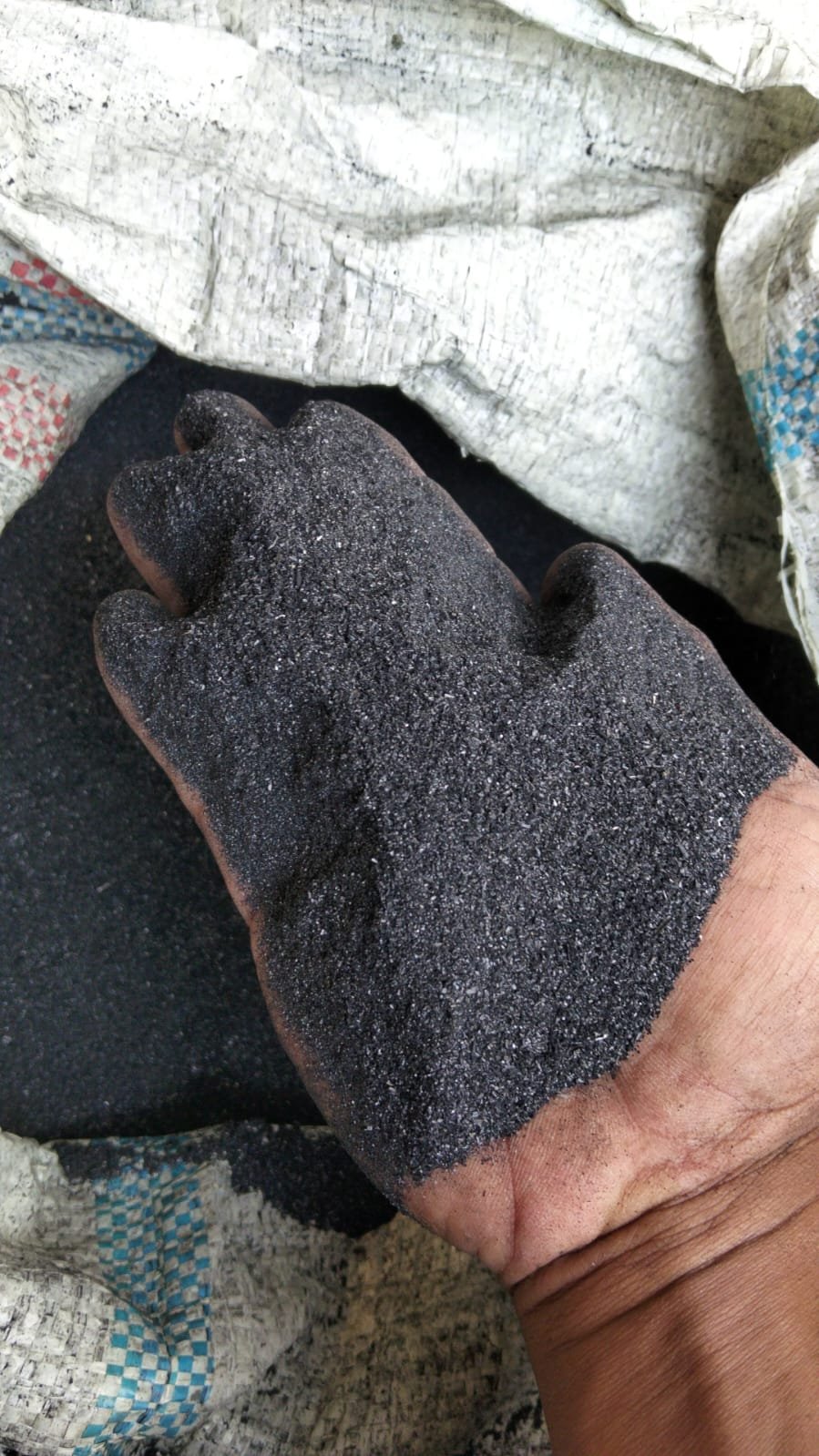
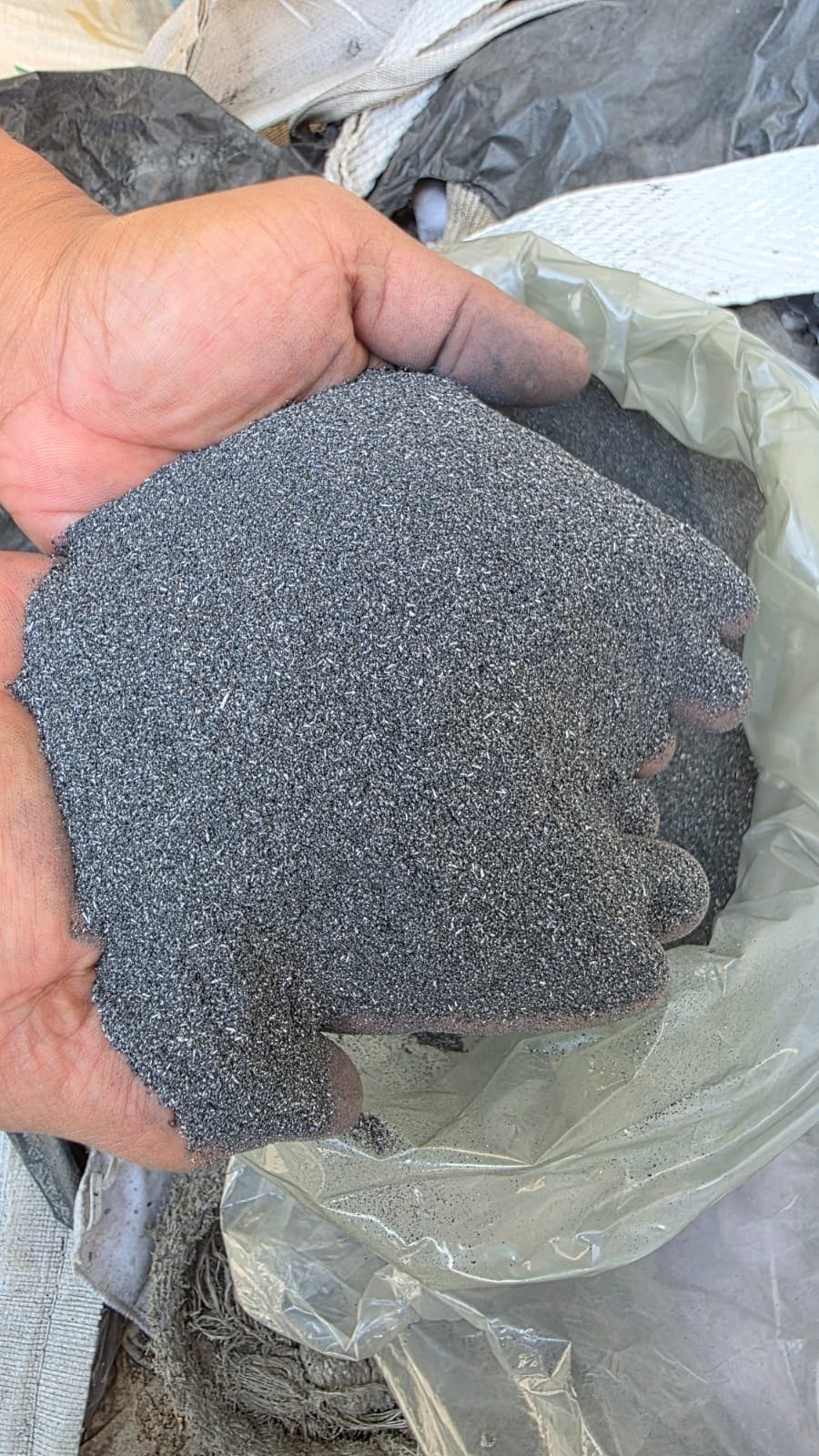
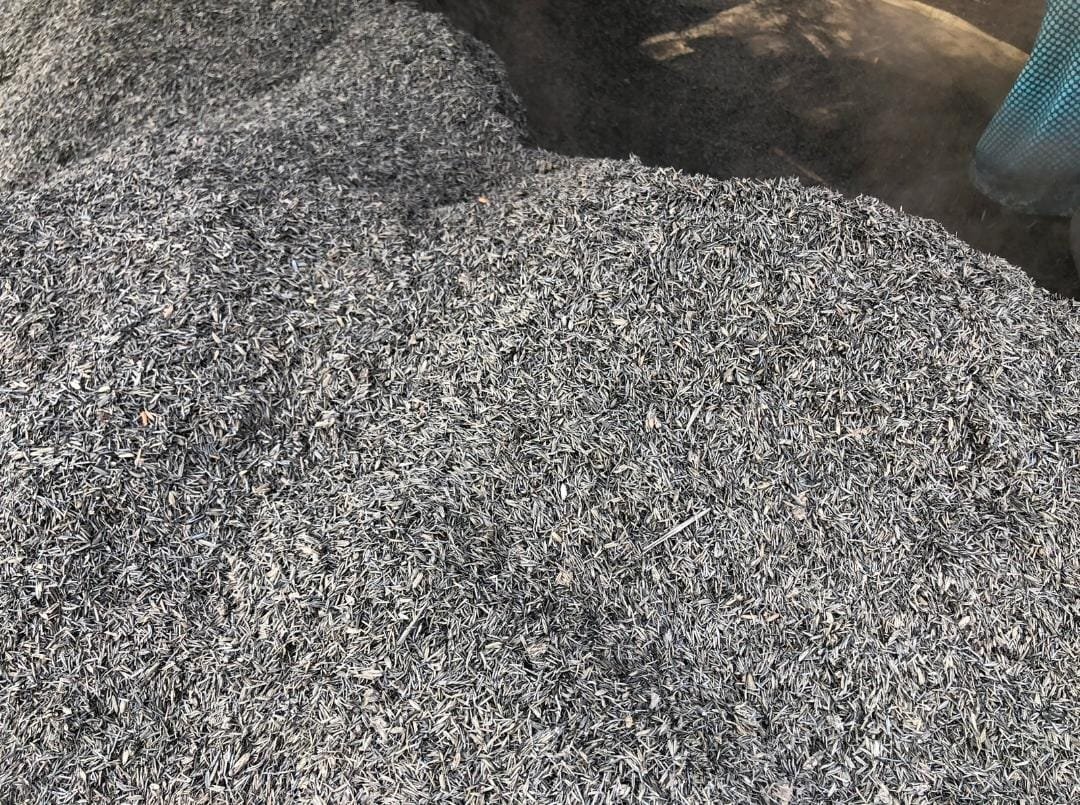
Ever wonder how a humble by‑product of rice farming can turn into a high‑performance material for steel and cement factories? At PT Aji Bakuh Anugrah's Gresik warehouse, we saw rice husk ash transformed into a premium resource. The ash carries a remarkable 67.6% silica and 34.8% fixed carbon—an ideal blend for modern manufacturing. And it’s not just about numbers; it’s about turning waste into wealth for industry and the planet.
High‑carbon rice husk ash (RHA) is already a staple in the steel industry, where its silica content strengthens ferroalloys and reduces slag volume. Cement plants use it to replace clinker, cutting CO2 emissions while enhancing compressive strength. In the activated‑carbon market, the 34.8% fixed carbon makes RHA an ideal precursor for high‑purity charcoal. Beyond these, construction composites and refractory materials are emerging niches. The versatility means a single batch of ash can serve multiple high‑tech supply chains.
By diverting rice husk waste that would otherwise decompose in landfills, high‑C RHA contributes to a circular economy. Its use in cement lowers the need for energy‑intensive clinker, cutting CO2 emissions by up to 15% per ton of cement. In steelmaking, replacing traditional fluxes with RHA reduces sulfur content, improving product quality and lowering secondary waste. The process also captures heat during calcination, improving overall energy efficiency. Quantitatively, a typical Gresik plant processes 500 tons of husk into 150 tons of ash, a 70% conversion rate that saves roughly 300 metric tons of CO2 annually.
Prospective buyers should first verify the ash’s fixed‑carbon percentage, as 30%+ ensures suitability for activated‑carbon applications. Second, inspect the moisture content; ideally it should stay below 5% to avoid handling complications. Price per tonne fluctuates with silica purity, typically ranging from IDR 4–6 million for mid‑C RHA to 8–10 million for high‑C RHA. Delivery terms from PT Aji Bakuh Anugrah are flexible—FOB Gresik or CIF Jakarta—allowing you to tailor logistics to your supply chain. Finally, consider long‑term contracts; volume discounts can shave 5–10% off the unit cost.
Rice husk ash is the calcined residue left after rice husk combustion. When processed at controlled temperatures, the ash retains high silica content and a measurable amount of fixed carbon. In practice, high‑C RHA is defined by a fixed‑carbon level above 30% and silica purity above 60%. Industries use it as a raw material for ceramics, construction, and specialty chemicals. Its real‑world impact is seen in the reduced environmental footprint of these sectors, turning agricultural waste into industrial value.
High‑C RHA from PT Aji Bakuh Anugrah boasts 34.8% fixed carbon and 67.6% SiO₂, with a bulk density of 120 kg/m³ and moisture content below 5%. The ash meets ASTM C150 and ASTM C618 standards for cement additives, ensuring compatibility with existing production lines. Its particle size distribution ranges from 45 µm to 200 µm, offering optimal surface area for chemical reactions. The material is packaged in 40‑tonne bags, sealed to preserve moisture levels. When mixed at 10% by weight in cement, the resulting mix shows a 12% increase in early compressive strength.
Compared to conventional fly ash, high‑C RHA offers higher silica content and lower calcium, making it more suitable for high‑performance concrete. Unlike pure silica sand, RHA’s inherent carbon content enhances bonding in steel alloys. In contrast to commercial activated carbon, RHA is a renewable feedstock that cuts production energy by 25%. Its lower price point—often 20% cheaper than imported silica—provides a clear cost advantage. The combination of superior material properties and environmental credentials gives RHA a distinct edge in today’s green‑manufacturing market.
PT ABA Help Desk