PT Aji Bakuh Anugrah — Gresik, East Java, Indonesia
06 Oct 2026 · PT Aji Bakuh Anugrah
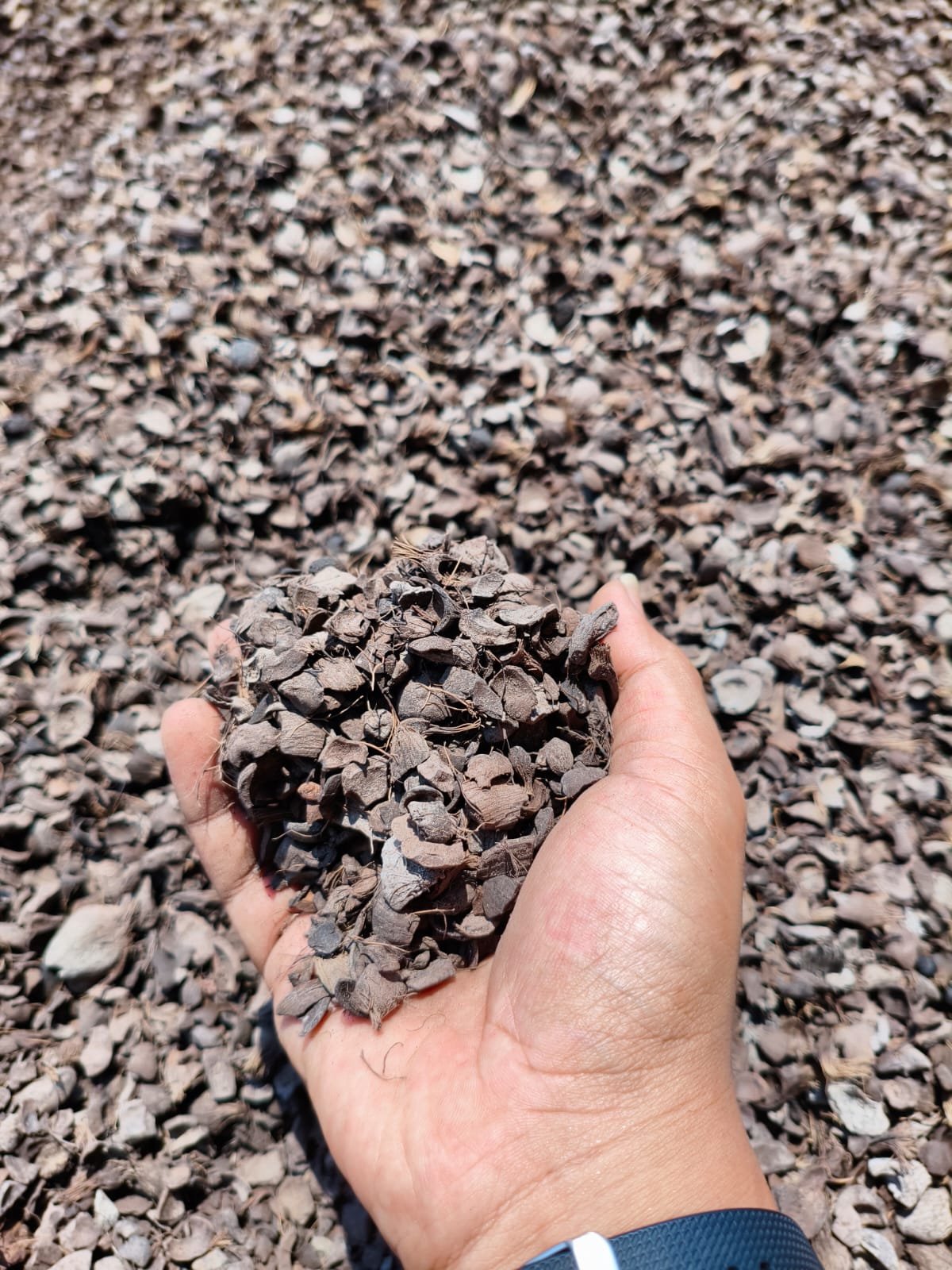
Did you know palm kernel shell is the 5th most traded biomass in the world? In practice, its high energy content makes it a favorite for co‑firing in thermal plants. From our experience in Gresik, buyers appreciate its consistent quality and low moisture. The reality is that Indonesia’s palm oil mills produce a surplus that can be turned into a profitable export commodity. This article will break down what makes the shell a standout choice for industrial users.
Palm kernel shell is a versatile feedstock for power generation, where it’s blended with coal to reduce emissions and improve combustion. In the cement sector, it’s added to kilns to lower fossil fuel consumption. Its high calorific value of 4603 kcal/kg makes it ideal for co‑firing power plants in Java and Sumatra. Moreover, the shell is used as a raw material for activated carbon production, thanks to its high fixed carbon content. Finally, its ash content helps in the production of construction materials, creating a closed‑loop supply chain.
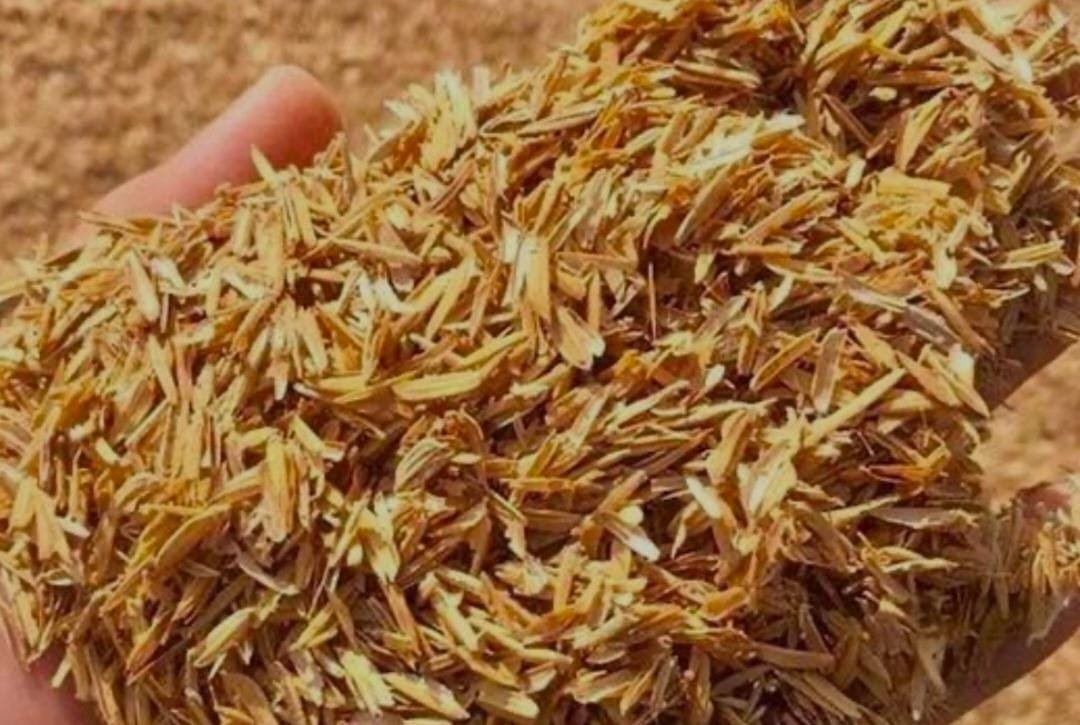
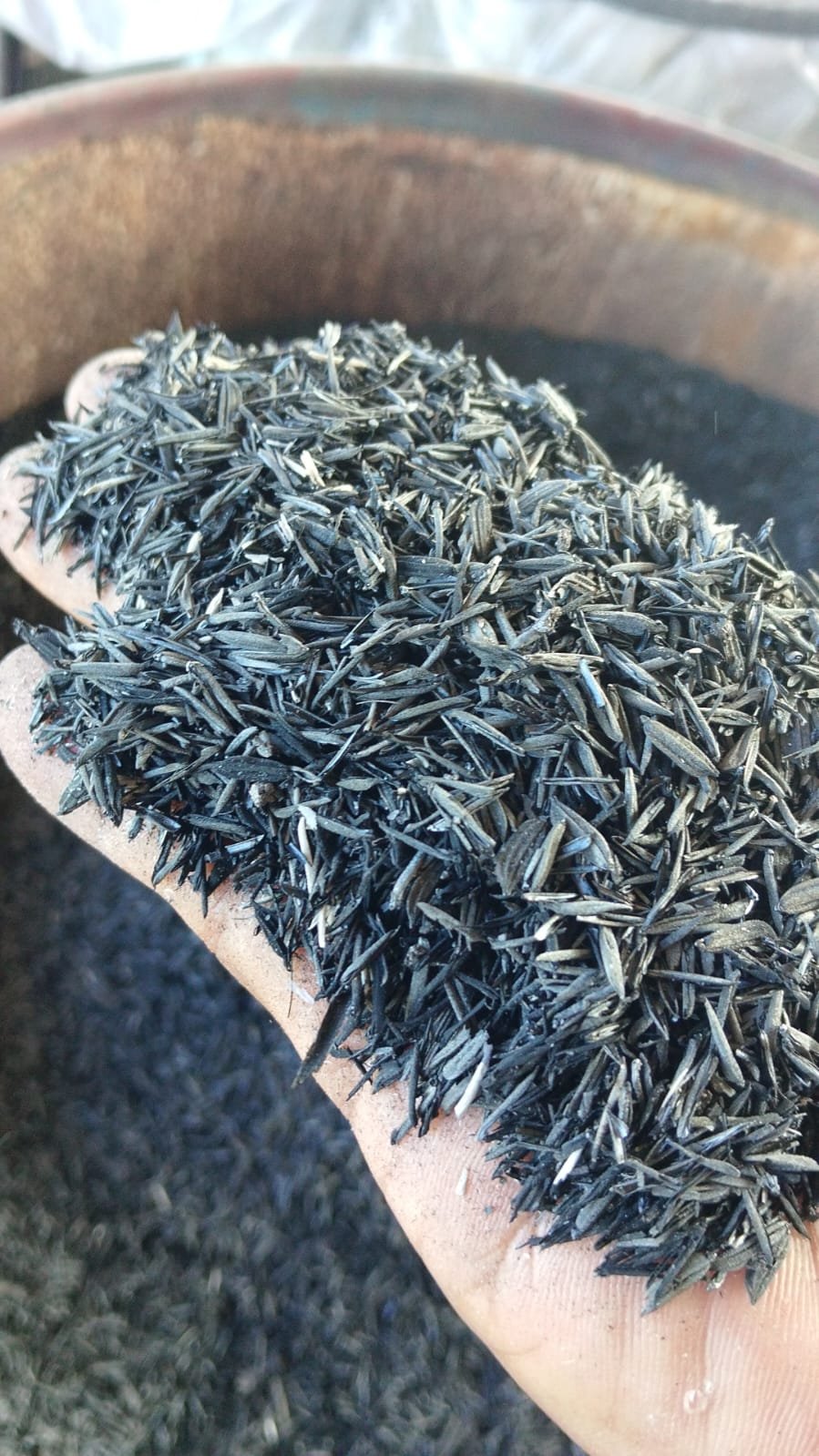
The shell’s moisture content must stay below 15% to ensure efficient combustion. Its gross calorific value of 4603 kcal/kg outperforms many other biomass options. Compared to rice husk natural, which has 3105 kcal/g, the shell offers higher energy per unit mass. SiO2 levels are moderate, making it suitable for applications requiring controlled ash behaviour. These precise figures allow engineers to design boilers that run at optimal efficiency.
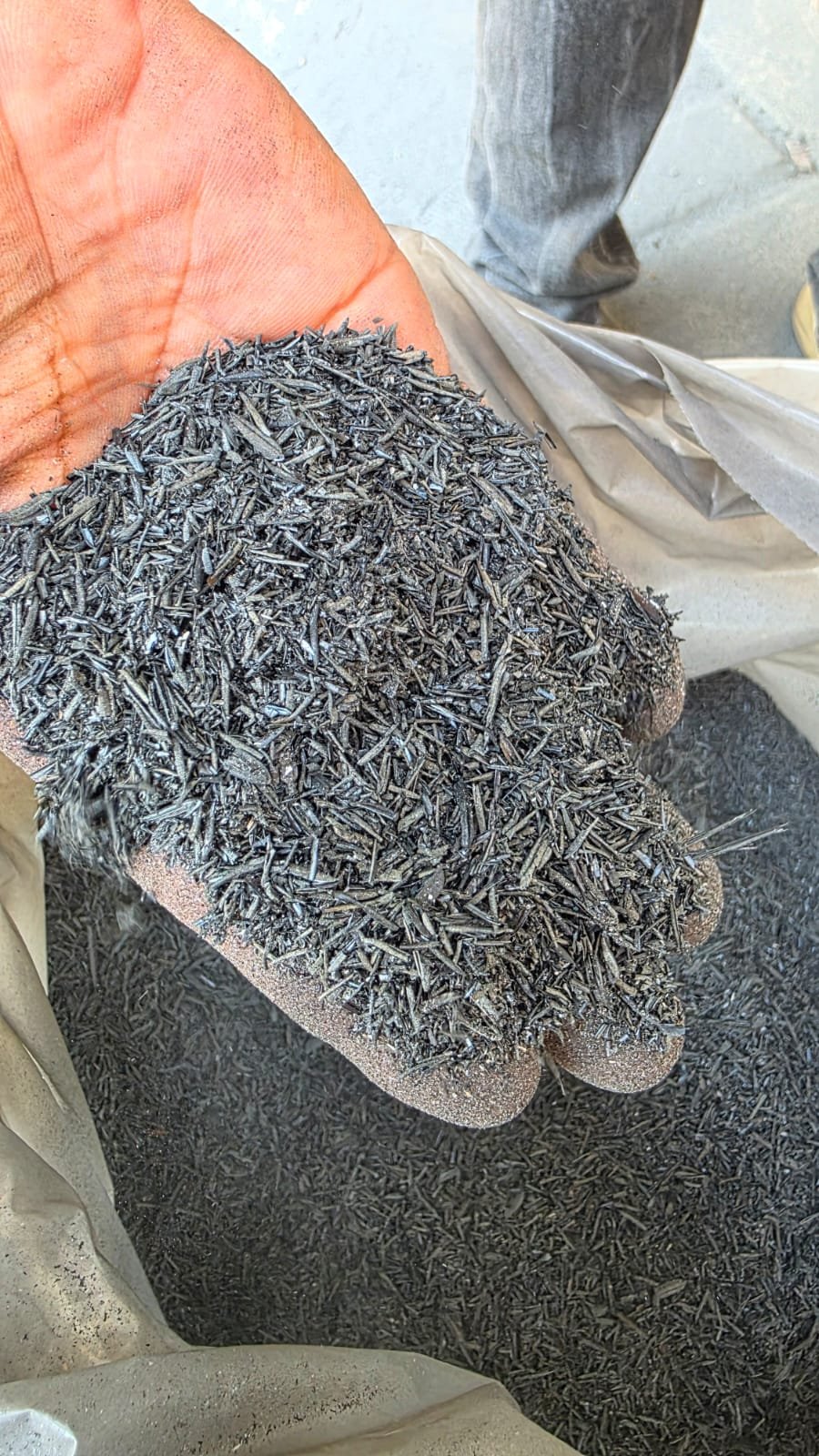
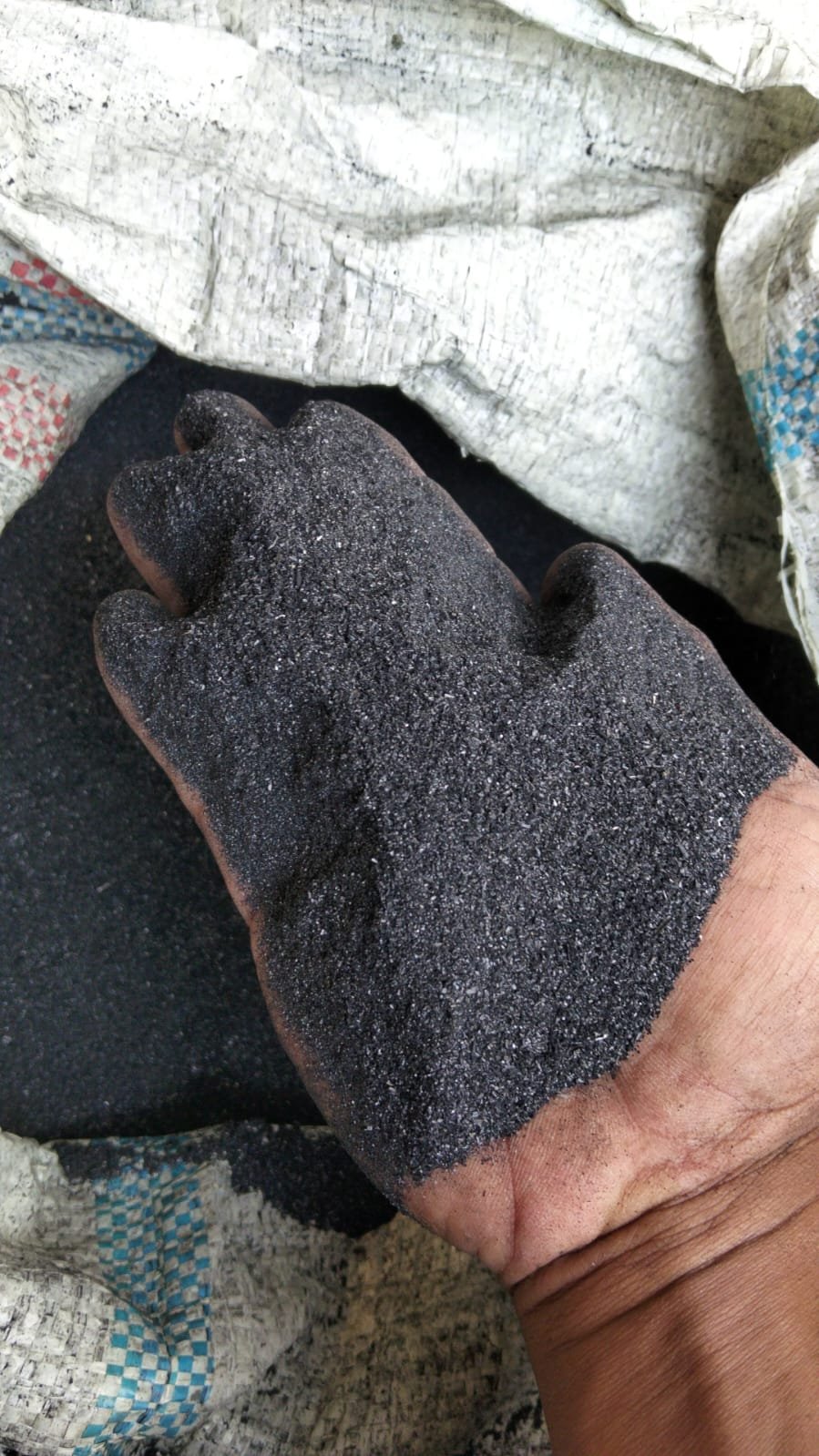
What many buyers overlook is its combined low moisture and high energy density, which reduces transport and handling costs. Unlike mid‑C RHA, which is tailored for steel and cement, palm shell is ready for immediate combustion. The shell’s ash composition is also lower in sulphur, translating into fewer emissions penalties. Its abundance in Indonesia guarantees a stable supply chain, a key advantage over imported biomass. These factors give palm shell a competitive edge in both price and performance.
Using palm kernel shell for energy reduces greenhouse gas emissions by up to 30% compared to coal alone. The residue would otherwise end up in landfills, contributing to methane production. Co‑firing the shell in power plants also lowers the carbon intensity of electricity. Furthermore, the shell can be recycled into bio‑fertilizers, closing the loop in the palm oil industry. The measurable impact is clear: a cleaner environment and a more efficient resource use.
From our experience, buyers should verify moisture content upon arrival and ensure it remains under 15%. Pricing is influenced by the shell’s calorific value and ash composition; higher GCV typically commands a premium. Importers need to consider shipping terms, especially FCL vs LCL, to optimize cost per ton. Certifications such as ISO 9001 or FSC can add value for eco‑conscious projects. Finally, negotiate volume discounts when ordering in bulk to secure a better rate.
In 2023, Indonesia exported over 3.5 million tonnes of palm kernel shell, a 12% rise from the previous year. Major buyers include Thailand, Vietnam, and Malaysia, all looking to diversify their biomass sources. The local industry, centred around Gresik and Surabaya, has upgraded its handling facilities to meet international standards. This trend reflects a broader shift toward renewable energy and circular economy practices across Southeast Asia. As demand grows, early adopters stand to benefit from stable supply and competitive pricing.
PT ABA Help Desk