PT Aji Bakuh Anugrah — Gresik, East Java, Indonesia
18 Sep 2026 · PT Aji Bakuh Anugrah
PT Aji Bakuh Anugrah, based in Gresik, East Java, specializes in supplying premium rice husk ash (RHA) to a range of industries. Leveraging Indonesia's abundant rice production, the company transforms husk waste into high‑value pozzolanic material. Their product portfolio includes multiple RHA grades tailored for specific technical requirements. Customers benefit from reliable logistics, competitive pricing, and dedicated technical support.
When selecting a rice husk ash (RHA) supplier, prioritize certifications that confirm the material meets industry standards such as ASTM or ISO. Verify that the supplier can consistently deliver the required volume, especially for large‑scale projects, and that they provide detailed technical data sheets. Evaluate logistics capabilities, including proximity to ports in Gresik and flexible shipping options to reduce lead times. PT Aji Bakuh Anugrah offers transparent pricing, on‑time delivery, and a dedicated account manager to streamline procurement.
RHA from PT Aji Bakuh Anugrah is widely used as a pozzolanic additive in cement and concrete, enhancing strength and durability while reducing clinker demand. The high silica content makes it suitable for producing lightweight bricks, ceramic tiles, and refractory materials. In the agricultural sector, RHA serves as a soil amendment that improves water retention and nutrient availability. Additionally, its fine particle size supports the manufacturing of high‑performance polymers and rubber compounds.
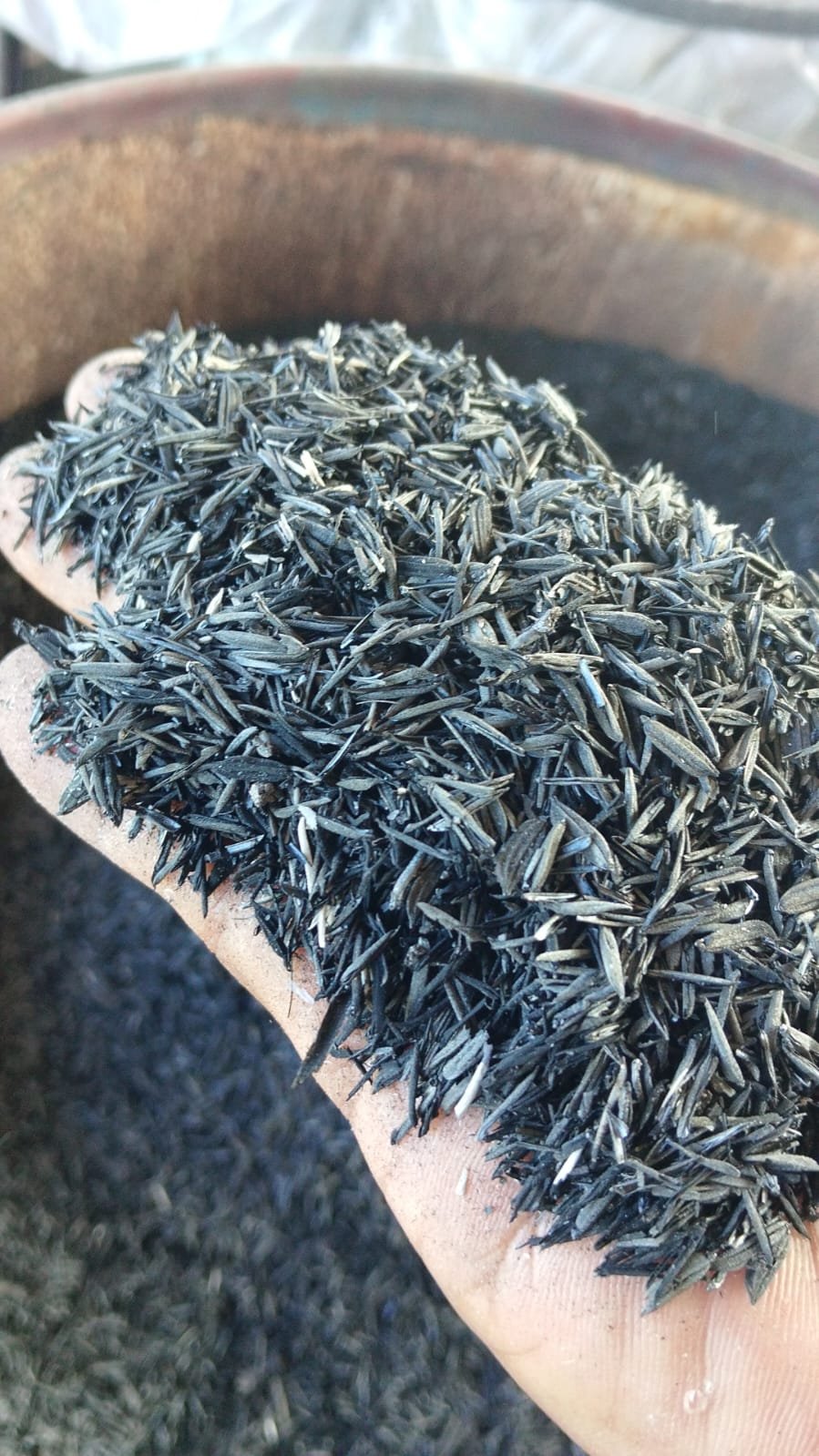
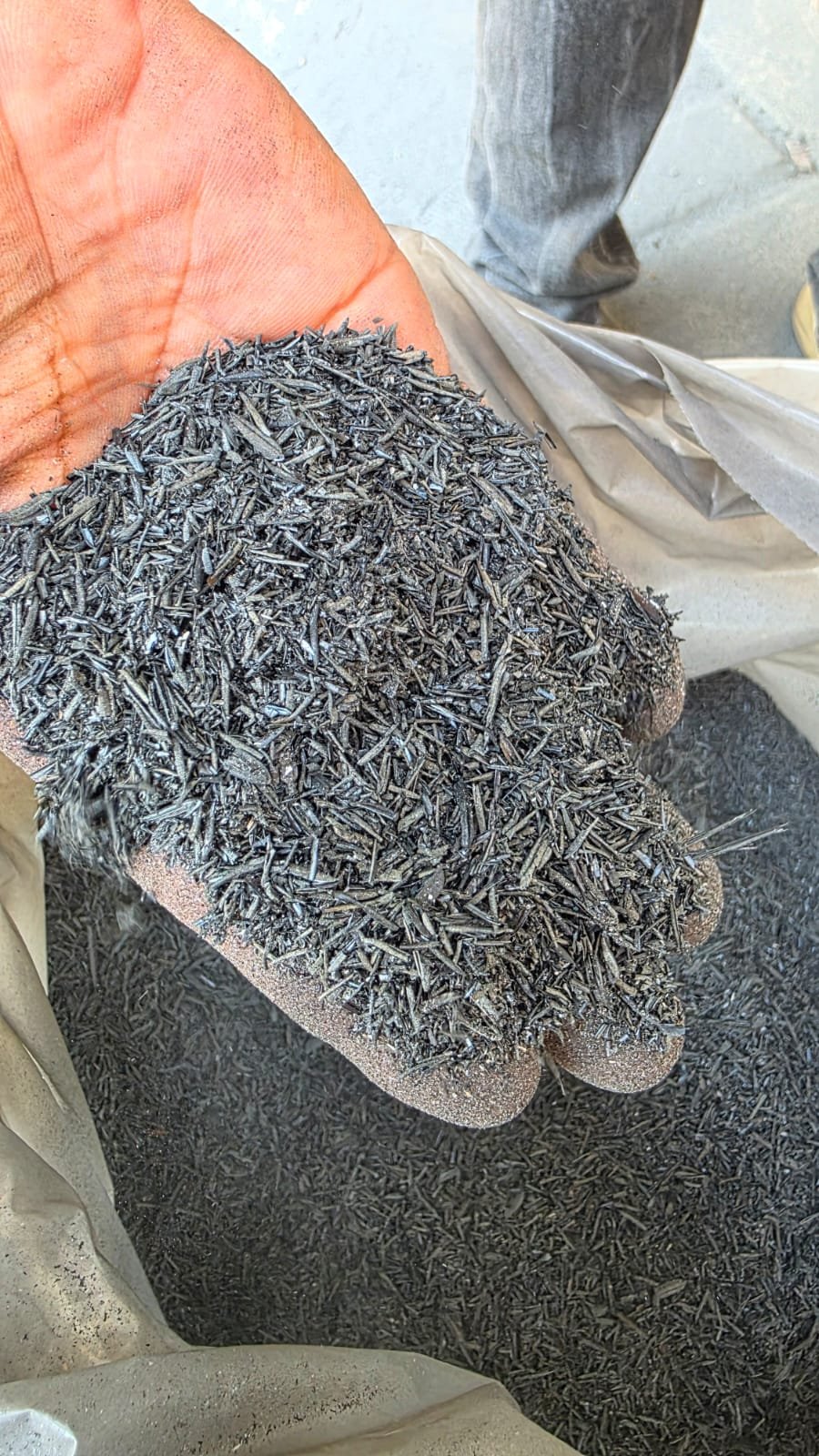
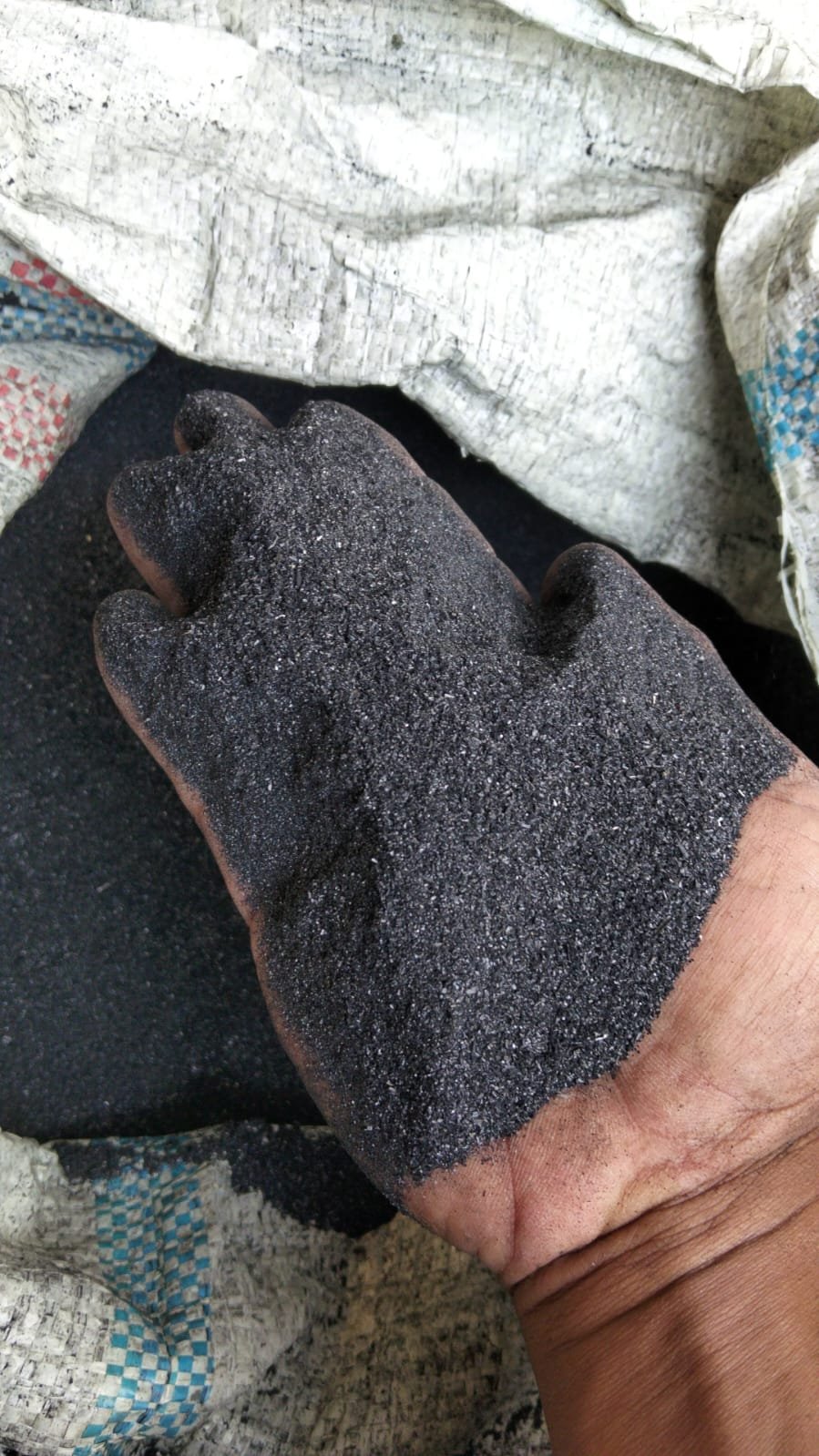
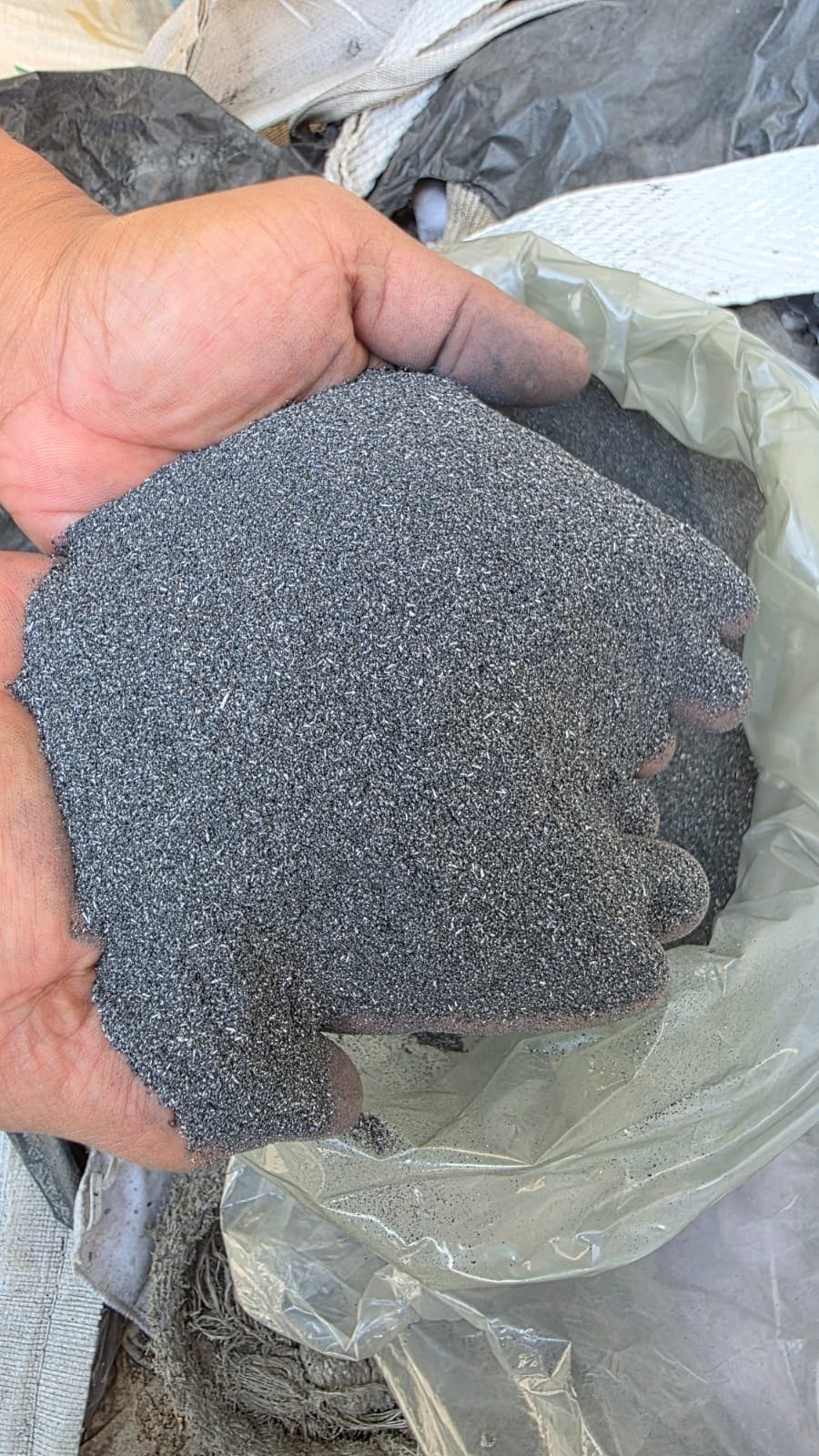
The company supplies several grades of RHA, including Mid C RHA with a minimum of 80 % SiO₂ and 5‑15 % carbon, and High C RHA containing 54.2 % carbon and 43 % SiO₂, catering to different performance needs. For applications demanding ultra‑pure silica, the Pure White RHA meets a minimum of 92 % SiO₂, ensuring low impurity levels. Technical parameters such as calorific value (e.g., Rice Husk Natural at 3105 kcal/kg) and particle size distribution are provided in the product data sheet. Consistent quality is maintained through controlled combustion processes and regular laboratory testing.
Utilizing rice husk ash transforms agricultural waste into a valuable resource, reducing open‑field burning and associated air pollution. The pozzolanic properties of RHA lower the carbon footprint of cement by substituting a portion of clinker, which accounts for significant CO₂ emissions. PT Aji Bakuh Anugrah’s sustainable sourcing aligns with circular economy principles, promoting waste valorization in East Java. Moreover, the use of RHA can improve the durability of concrete structures, extending their service life and further decreasing environmental impact.
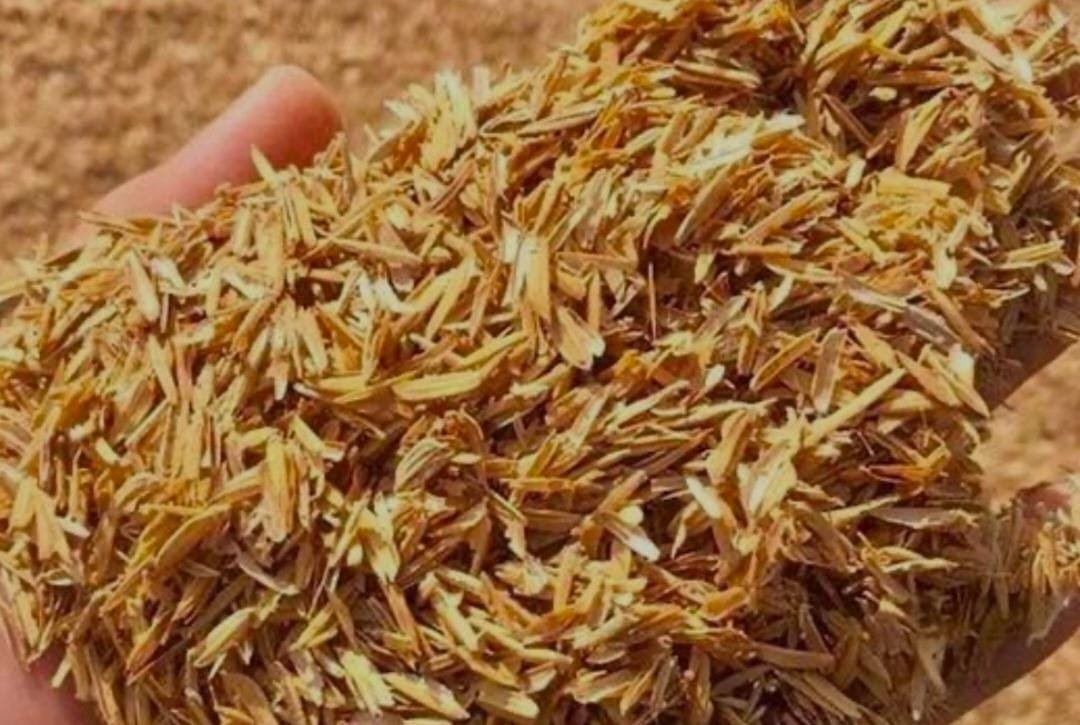
Rice husk ash is the inorganic residue obtained after the controlled combustion of rice husk, a by‑product of rice milling. In Indonesia, abundant rice production generates millions of tons of husk annually, providing a reliable feedstock for ash production. The combustion process at PT Aji Bakuh Anugrah is optimized to retain high silica content while minimizing carbon loss, resulting in grades like Mid C and Pure White RHA. This locally sourced material supports regional industries and reduces dependence on imported pozzolans.
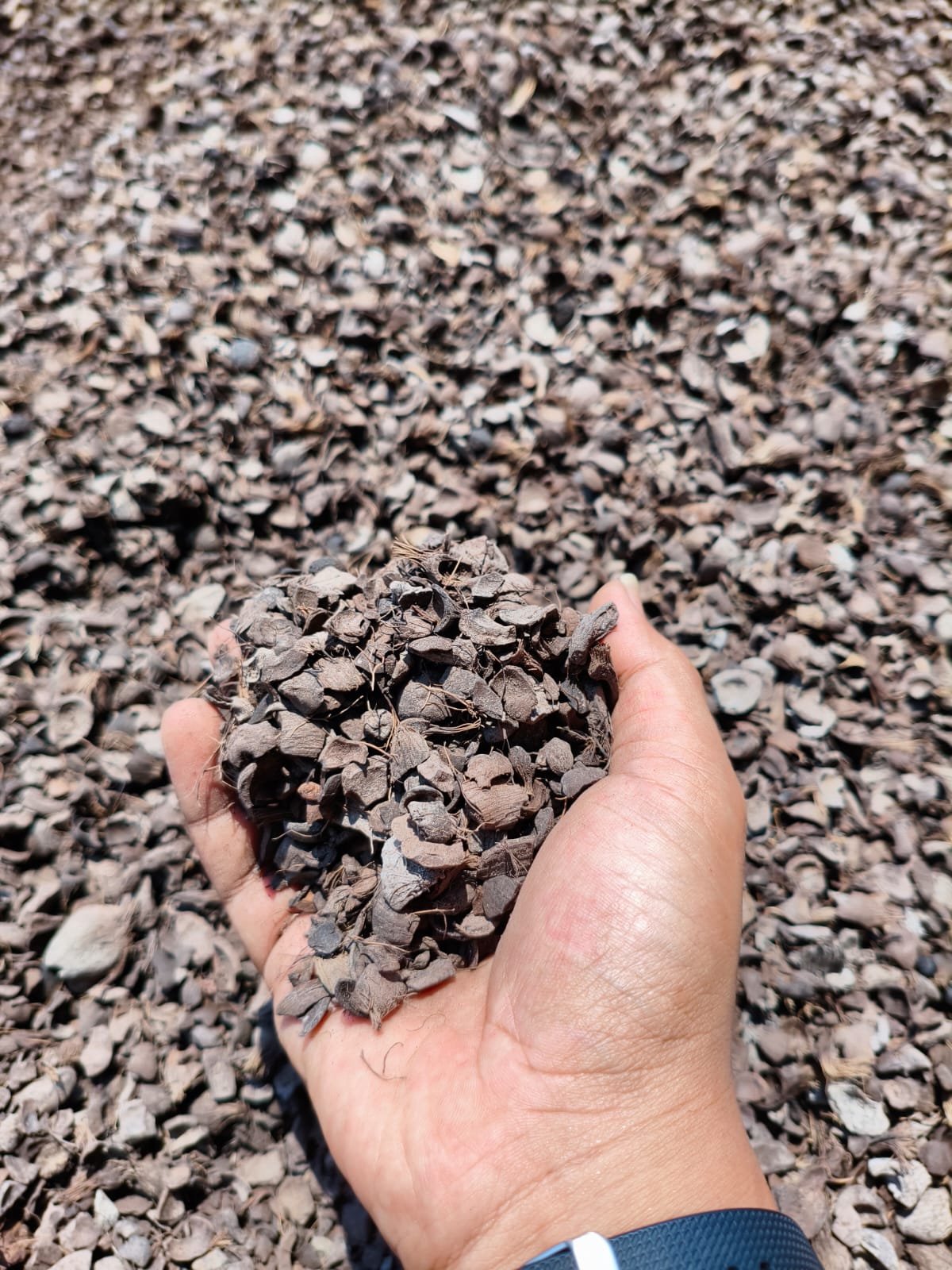
Compared to traditional fly ash, RHA offers higher silica purity, which can lead to greater strength gains in concrete at lower replacement levels. Unlike silica fume, RHA is less expensive and easier to handle due to its coarser particle size. When contrasted with palm kernel shell (GCV 4603 kcal/kg) used for bio‑energy, RHA provides functional benefits beyond fuel, such as pozzolanic activity. Additionally, feed meal with 16.19 % protein serves nutritional markets, whereas RHA targets construction and industrial sectors, highlighting its unique niche.
PT ABA Help Desk