PT Aji Bakuh Anugrah — Gresik, East Java, Indonesia
06 Oct 2026 · PT Aji Bakuh Anugrah
Did you know that a single ton of rice husk can produce a kilogram of high‑purity silica? In Gresik’s mills, that waste turns into a powerful industrial feedstock. Low‑carbon RHA offers a balanced blend of silica, carbon, and ash that suits both construction and specialty markets. It’s not just a by‑product; it’s a strategic material for forward‑thinking companies. Let’s dive into what makes it stand out.
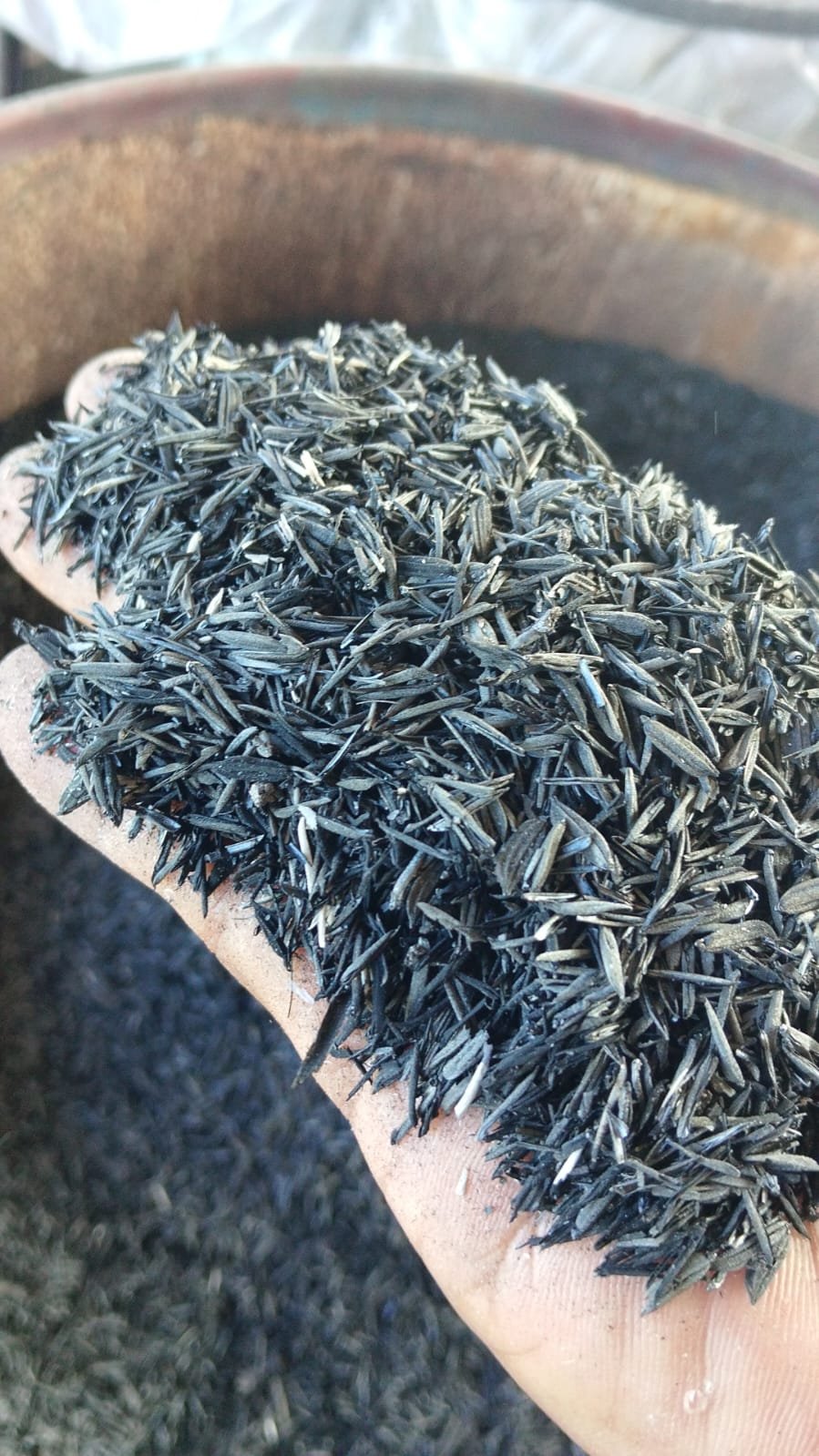
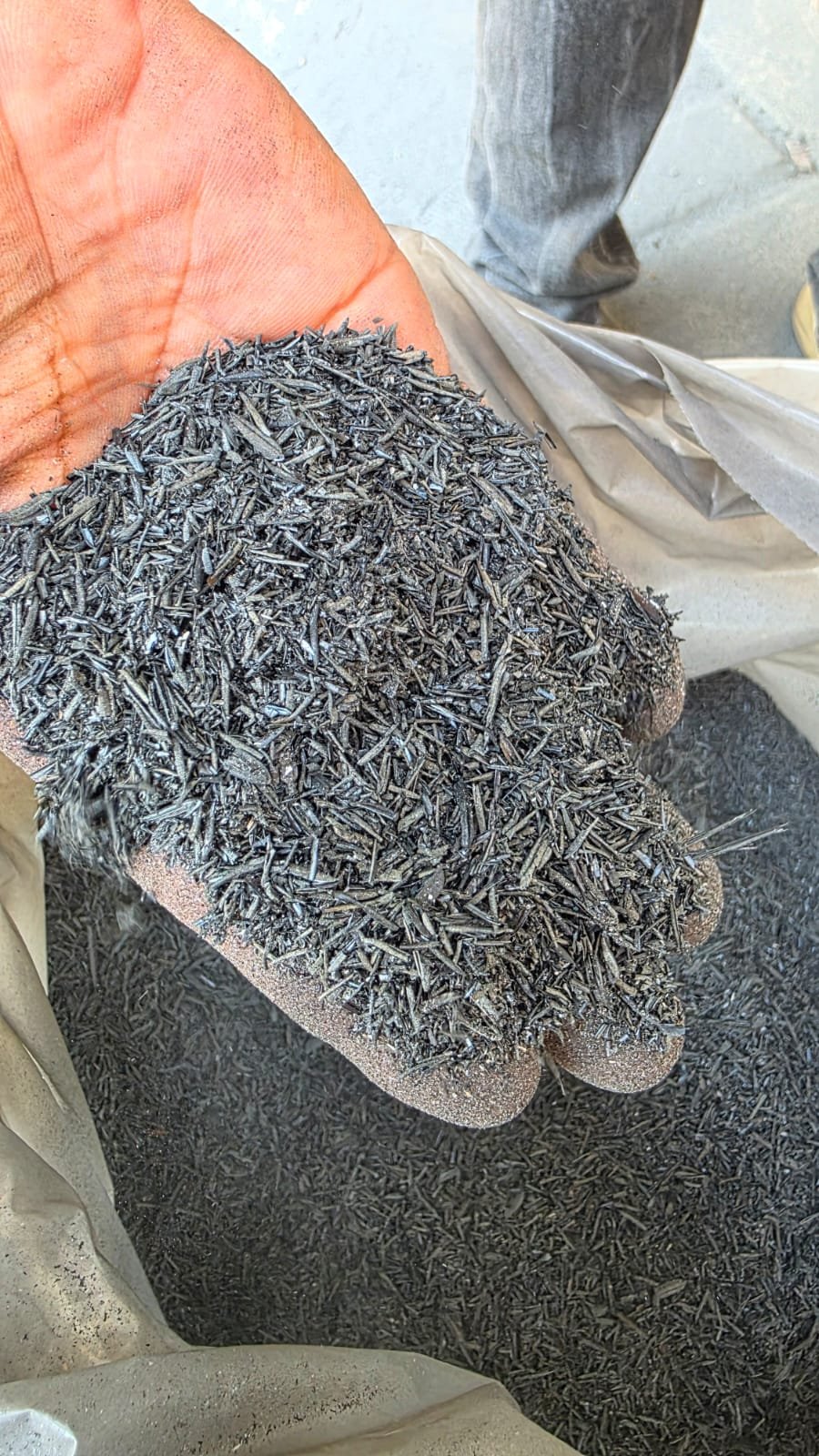
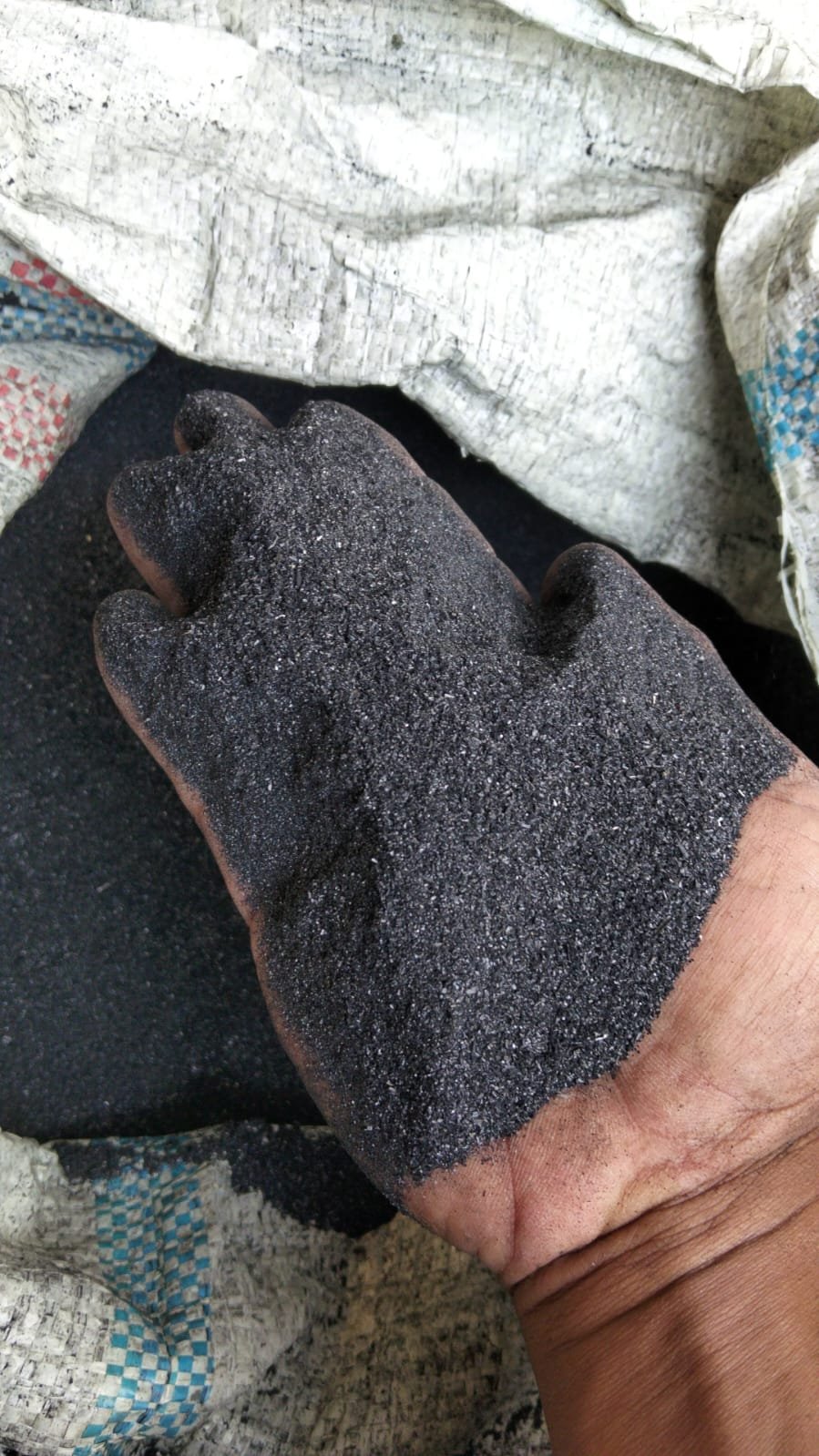
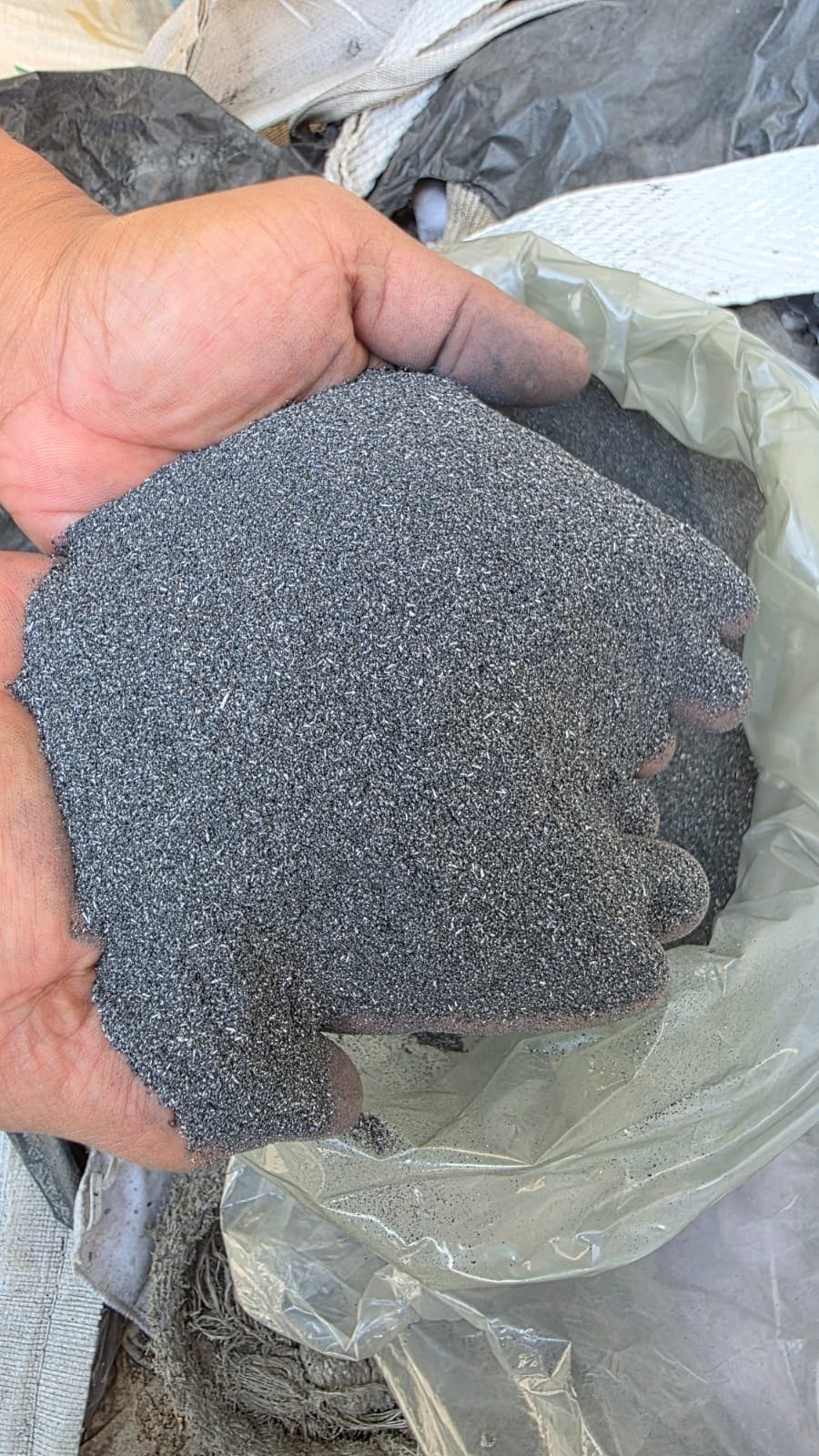
Low‑carbon RHA delivers an impressive SiO₂ content of at least 80 %, while maintaining a controlled carbon level between 5 % and 15 %. The ash content hovers around 84.3 %, and the bulk density is typically 100–120 kg/m³, making it lightweight yet potent. Compared to conventional rice husk, which has a SiO₂ of only 14.5 %, this upgrade represents a three‑fold increase in silica purity. The fixed carbon sits at 34.8 %, and SiO₂ reaches 67.6 % for high‑carbon variants, ideal for activated‑carbon manufacturing. Moisture is kept below 10 %, ensuring consistent performance across applications. These numbers reflect PT Aji Bakuh Anugrah’s rigorous quality control.
Mid‑carbon RHA, with SiO₂ minimum 80 % but carbon 5‑15 %, is good for steel and cement, yet its ash content can still be high. High‑carbon RHA pushes carbon up to 34.8 %, which is great for activated‑carbon, but its silica falls short of the 92 % purity required for high‑grade applications. Pure white RHA achieves SiO₂ over 92 %, but its cost rises sharply due to additional purification steps. Low‑carbon RHA strikes the sweet spot: it delivers 80 % SiO₂ with a moderate carbon content, keeping ash low enough for cement while remaining affordable for large‑scale use. The result is a versatile material that fits both construction and specialty markets. That balance is why many Indonesian plants prefer our low‑carbon product line.
First, verify the SiO₂ percentage and confirm it meets the 80 % threshold for your application. Check the moisture level – values above 10 % can compromise compaction and firing performance. Bulk density informs transport costs; our 100–120 kg/m³ range is optimal for bulk handling in Gresik. Pricing is influenced by source proximity, certification, and volume commitments; bulk orders over 10 t typically enjoy a 5 % discount. Remember to factor in the cost of any additional processing, such as grinding or sieving, if you need finer particle sizes. Finally, compare the total landed cost against alternative silicas to ensure long‑term value.
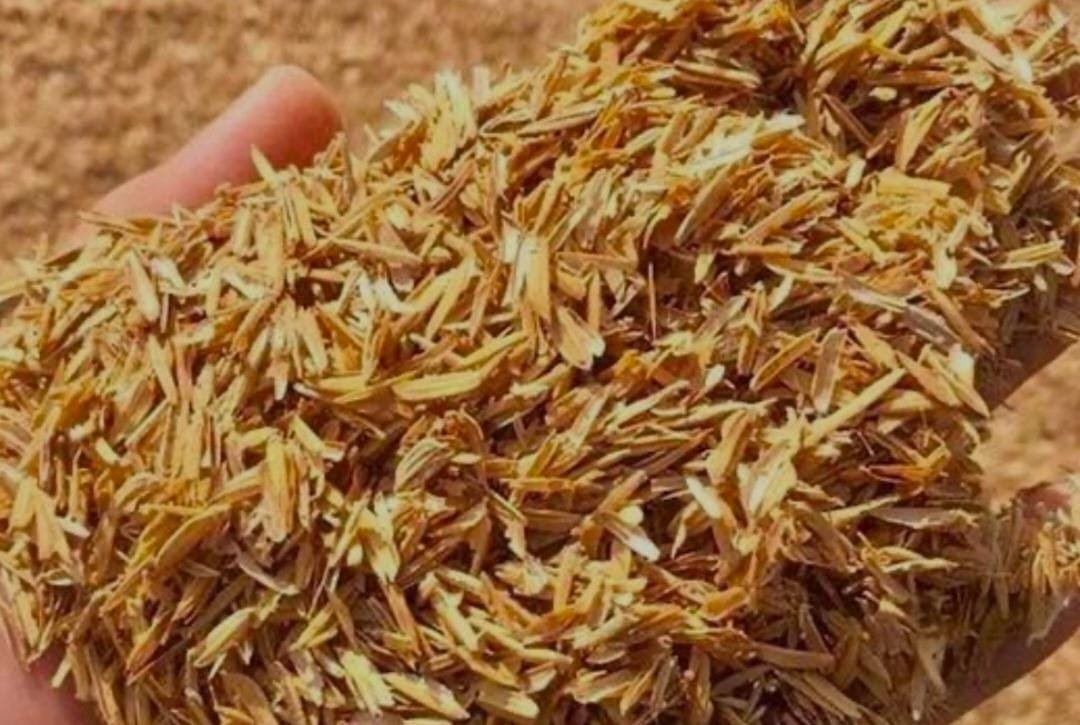
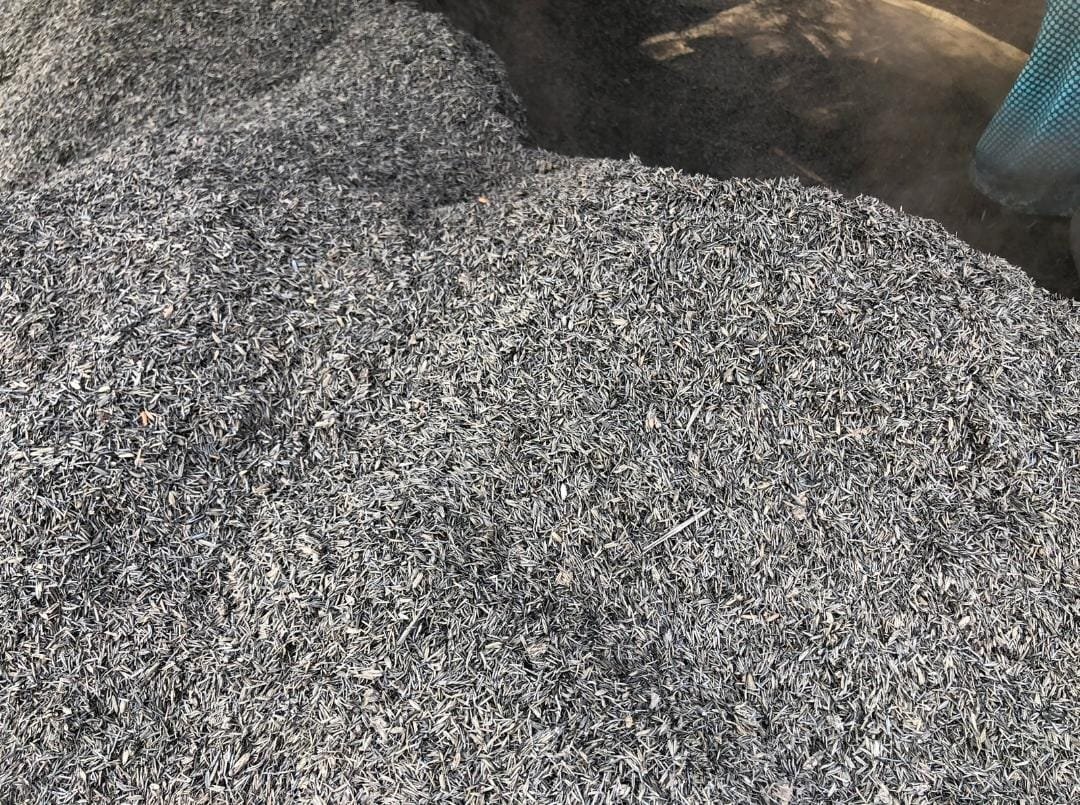
Low‑carbon RHA is rice husk ash produced by controlled combustion that retains a significant fraction of the carbon residue, yet still yields high silica content. The process starts with drying rice husks to under 10 % moisture, followed by combustion at 900 °C in a low‑oxygen environment. The resulting ash is sieved to remove oversized particles, producing a fine, light product. In Southeast Asia, this material is increasingly used in the cement industry to replace up to 20 % of clinker, reducing CO₂ emissions. The high‑purity silica also finds use in advanced composites, electronics, and even medical applications. By tapping into this waste stream, manufacturers can align production with circular‑economy principles.
Each ton of low‑carbon RHA diverts roughly 2.5 t of rice husk from landfills, mitigating methane production. The silica content reduces the need for mined quartz by up to 30 %, cutting extraction energy and associated emissions. When used in cement, it lowers clinker content, which typically accounts for 70 % of a concrete’s carbon footprint; our data shows a 5‑8 % reduction per batch. The low ash level also means fewer impurities in the final product, enhancing durability and extending concrete life, thereby saving material over decades. Overall, the lifecycle analysis indicates a net CO₂ offset of 0.8 t per ton of ash processed. These figures make low‑carbon RHA a compelling choice for companies targeting ESG targets.
In cement plants across Java, low‑carbon RHA replaces clinker, improving compressive strength while cutting costs. Steel mills in Jakarta use it as a slag additive, enhancing slag stability and reducing slag volume. The activated‑carbon sector in Surabaya sources high‑carbon RHA, but often blends it with low‑carbon ash to balance cost and purity. Electronics manufacturers in Bandung use pure white RHA as a filler in polymer composites, benefiting from its high dielectric constant. Even the packaging industry in Bali employs low‑carbon RHA to create bio‑based paper coatings that resist water penetration. These diverse applications demonstrate the material’s versatility across sectors.
PT ABA Help Desk