PT Aji Bakuh Anugrah — Gresik, East Java, Indonesia
06 Oct 2026 · PT Aji Bakuh Anugrah
Did you know that a single ton of rice husk can produce over 80% silica in a form ready for concrete? In practice, mid C RHA is transforming local industries by replacing conventional aggregates and additives. From our experience, the key is not just the silica content but how the ash is processed and blended. This article unpacks the technical specs, buying advice, and environmental perks that make RHA bubuk a game‑changer.
Mid C RHA shines in steelmaking as a fluxing agent, reducing slag viscosity and enhancing slag quality. In cement manufacturing, it replaces 15% of fly ash, cutting CO2 emissions while improving compressive strength. The high carbon variant feeds activated carbon plants, turning waste into valuable adsorbents. Farmers in Gresik use RHA powder as a silica supplement in concrete foundations, boosting durability against monsoon cycles. Even small-scale power plants in East Java co-fire RHA with coal, cutting ash residue and emissions.
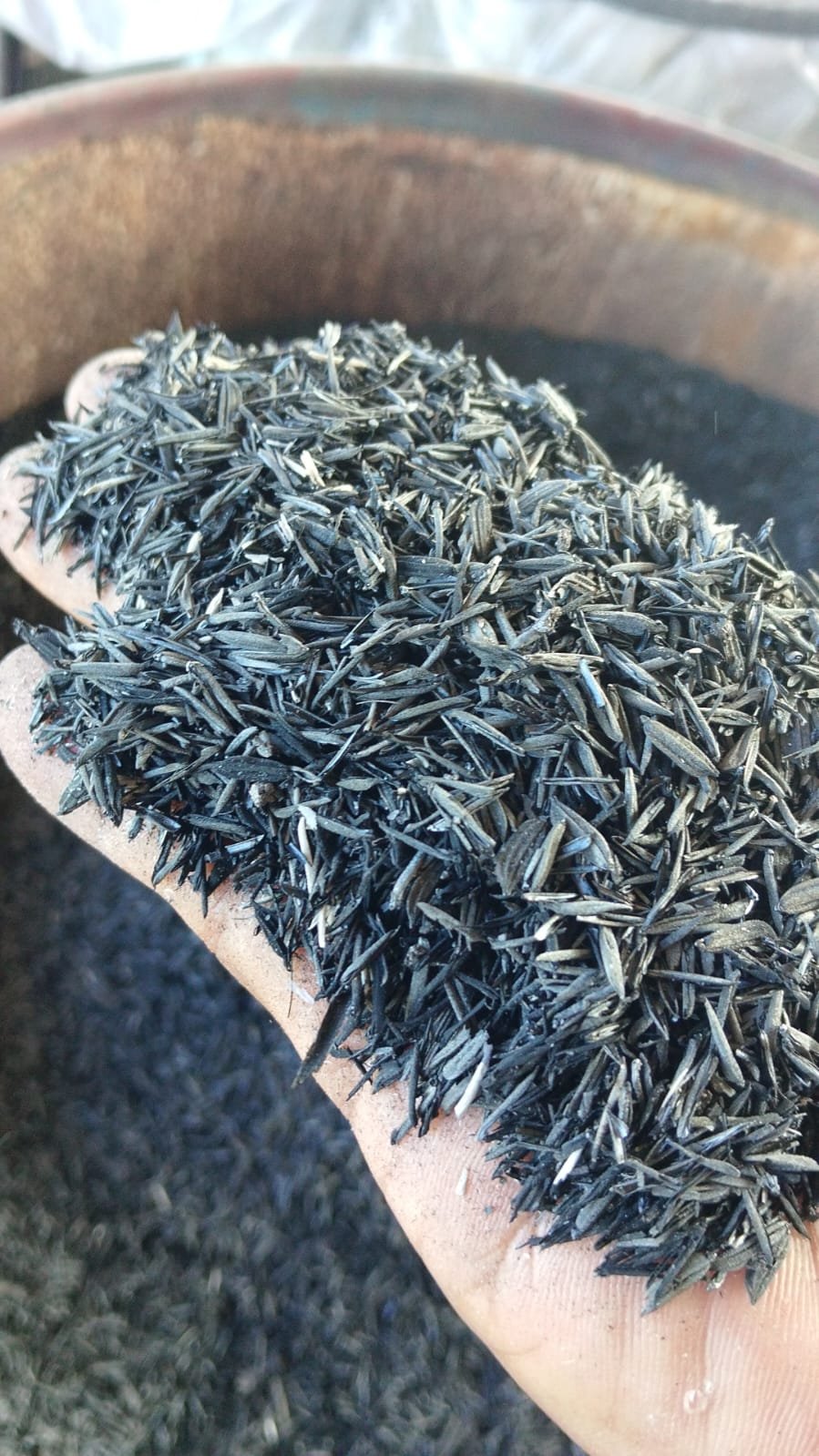
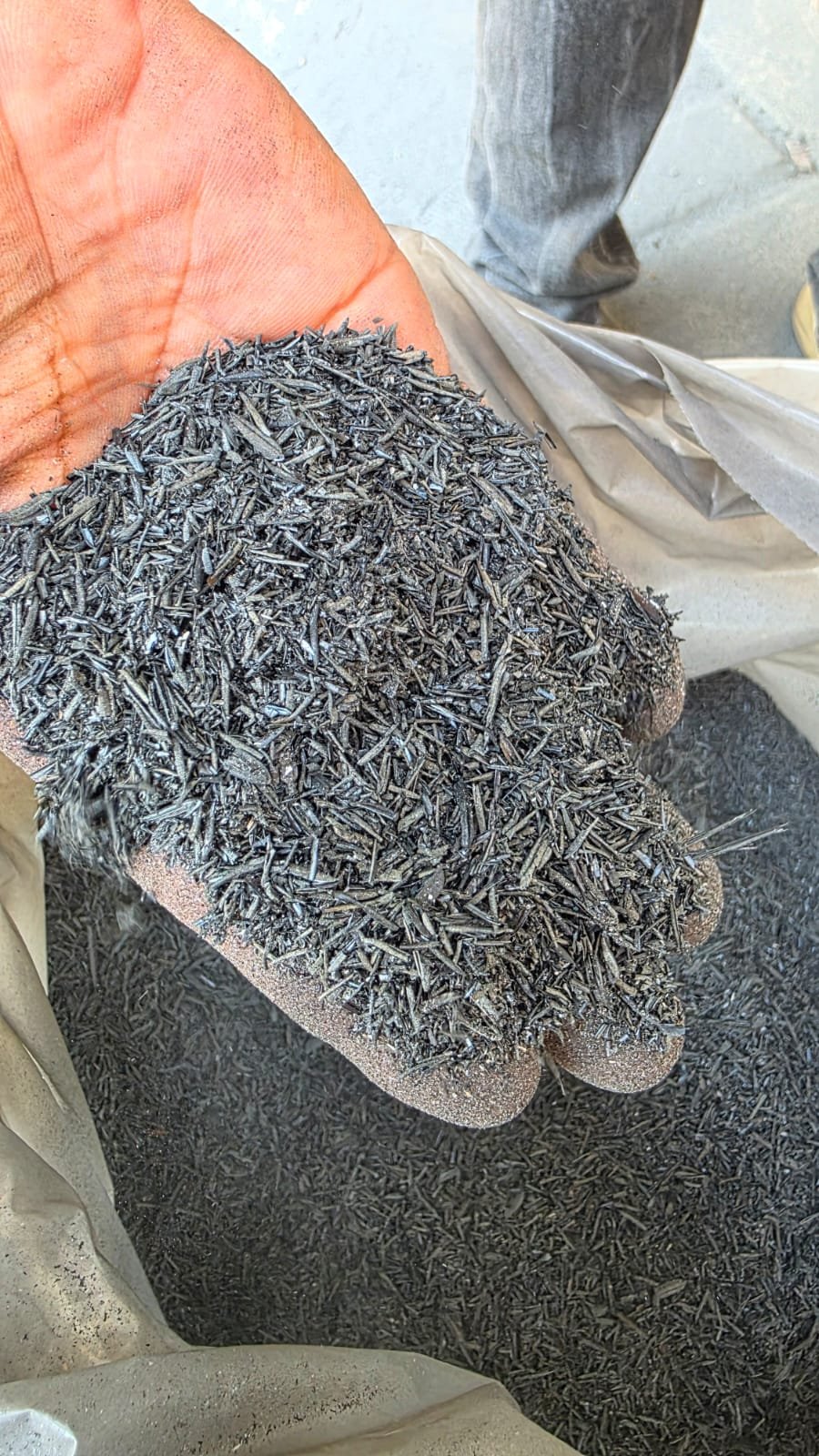
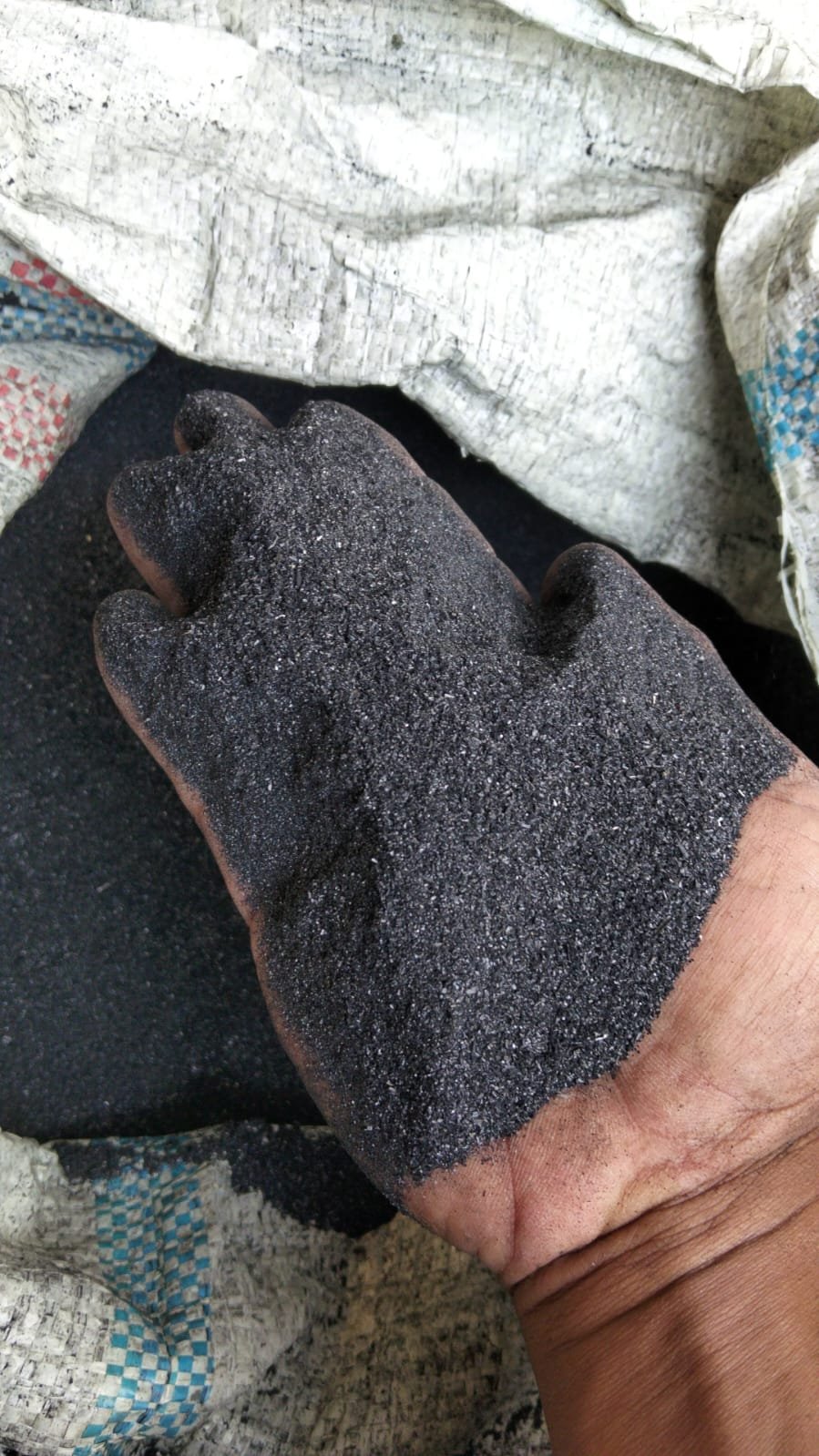
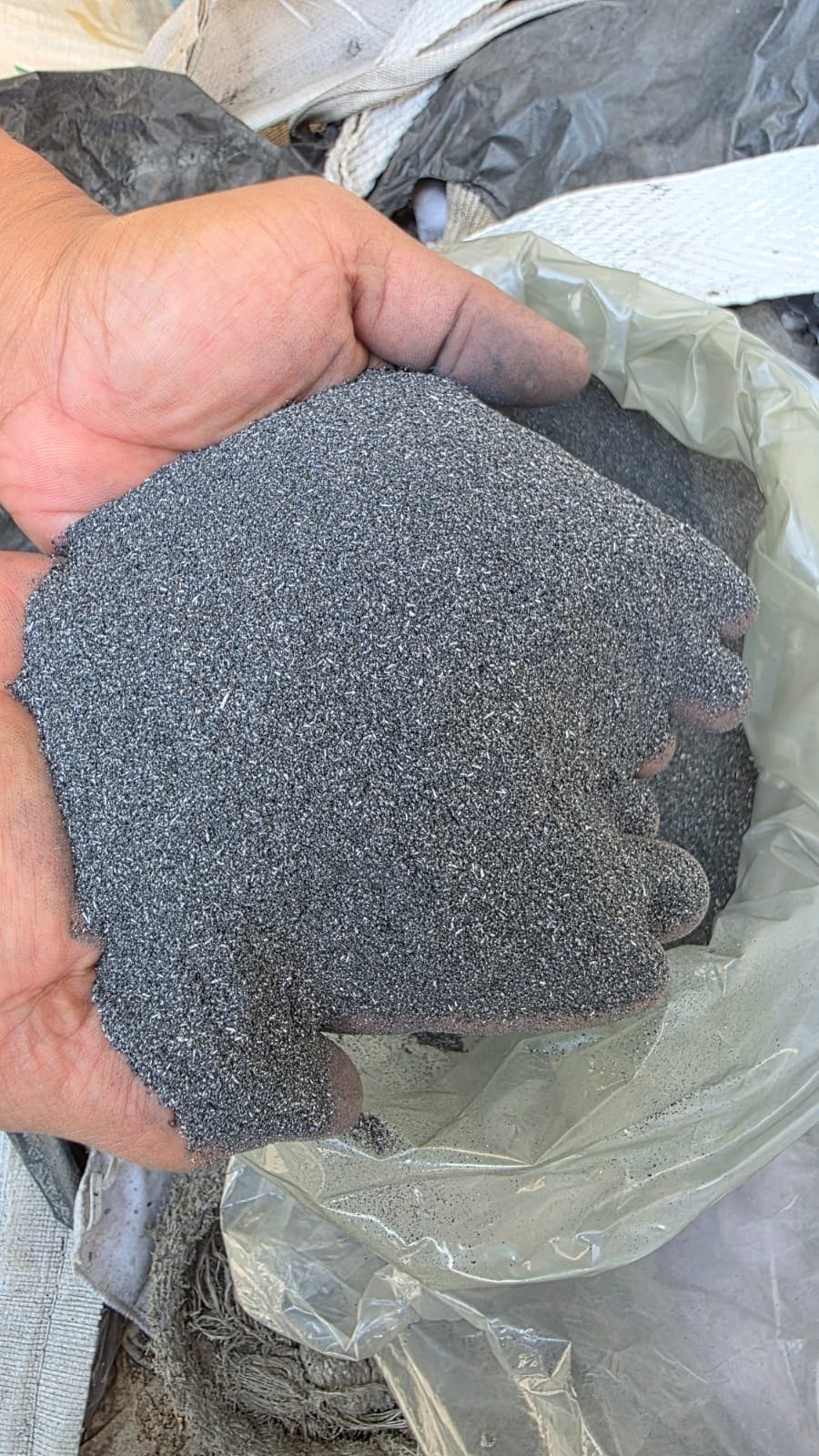
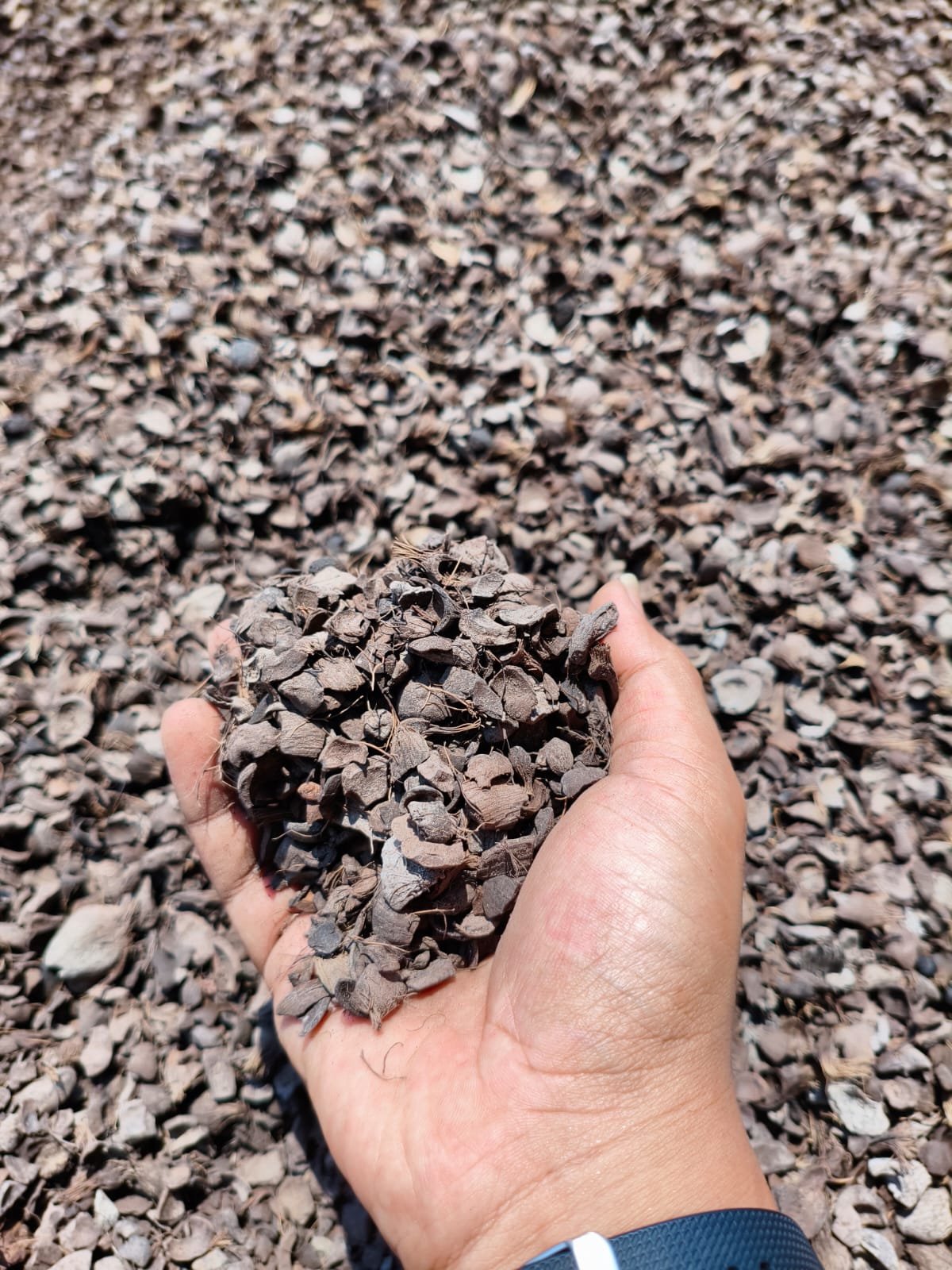
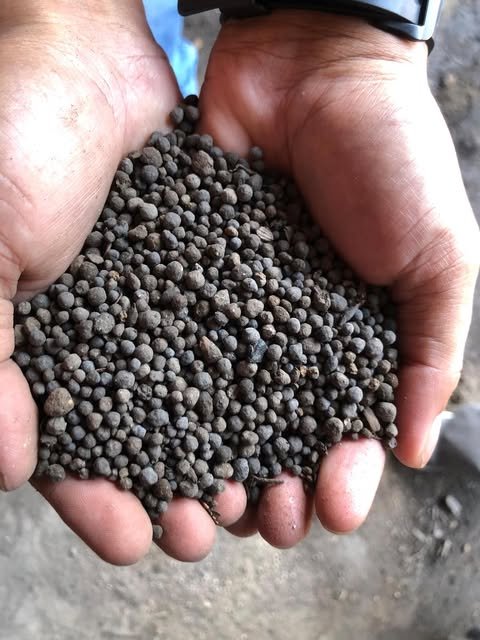
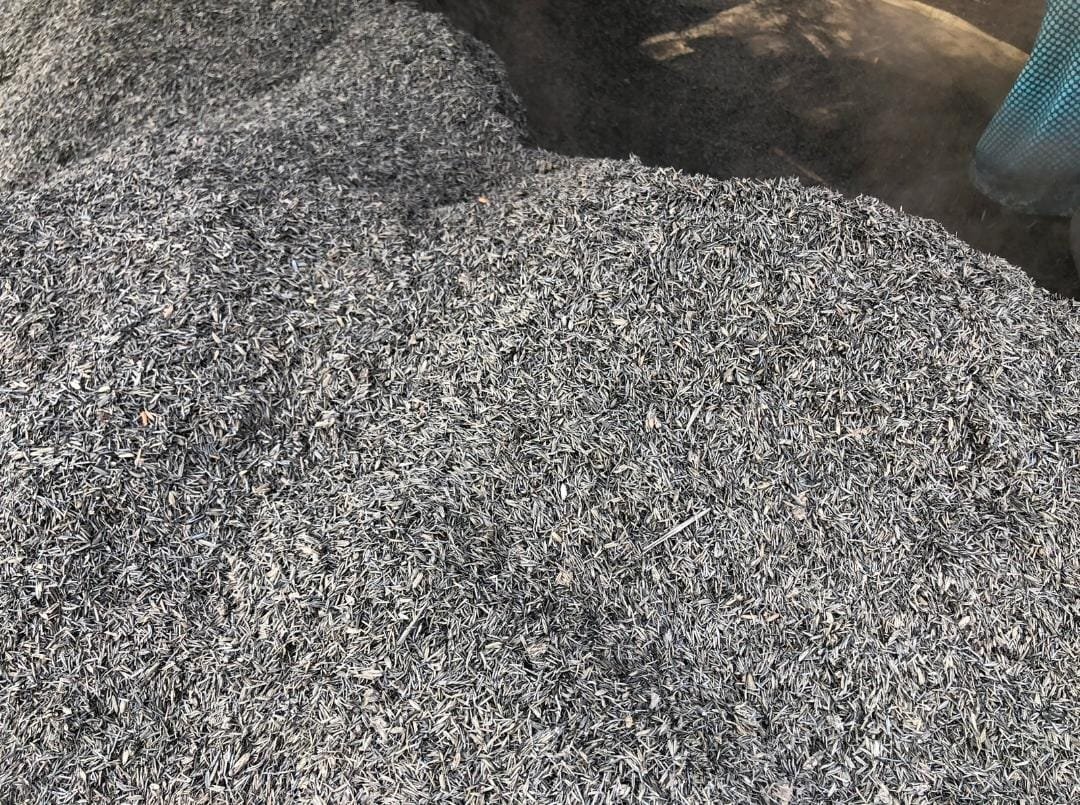
Mid C RHA boasts SiO2 min 80%, carbon 5–15% and ash 84.3%, meeting ASTM C 618 for supplementary cementitious materials. High C RHA delivers 34.8% fixed carbon and 67.6% silica, ideal for activated carbon. Pure White RHA’s 92% silica content makes it suitable for high‑grade silica glass. Moisture stays below 10%, ensuring stable handling and minimal dust. Bulk density ranges 100–120 kg/m3, easing transportation.
First, confirm the RHA grade—industrial or high carbon—and verify certificate of analysis. Second, consider local logistics; Gresik’s proximity to port reduces shipping costs. Third, ask about particle size distribution; finer powders yield better cementitious performance. Fourth, watch the carbon content; higher carbon lowers the ash’s alkalinity, affecting concrete pH. Finally, negotiate volume discounts and inspect for moisture spikes before payment.
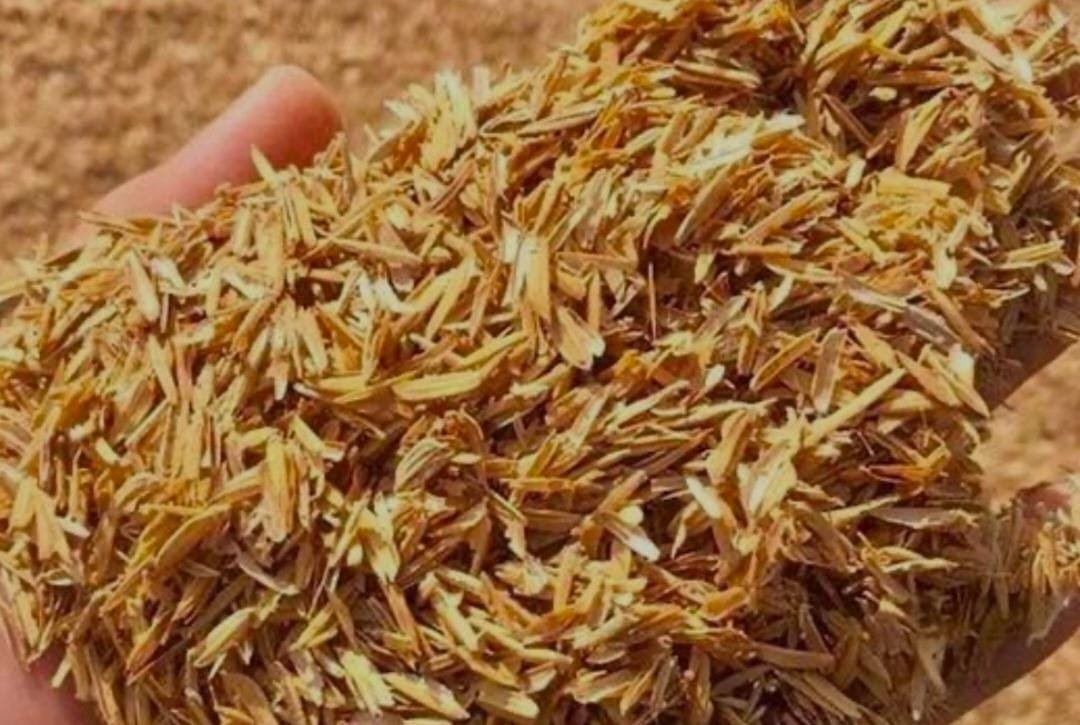
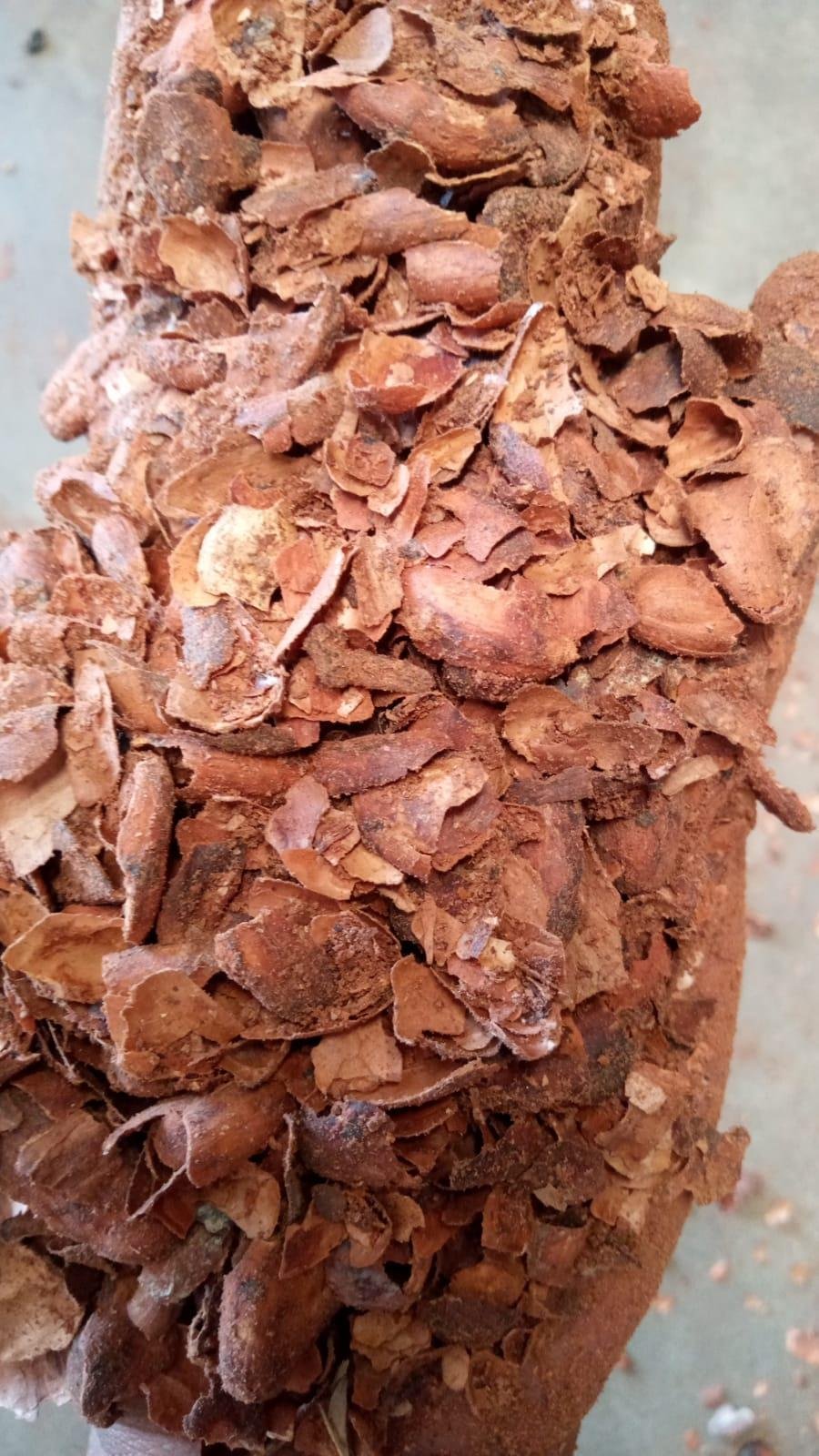
RHA, or rice husk ash, is the silica‑rich residue left after burning rice husks in a controlled atmosphere. In Southeast Asia, it’s a by‑product of rice milling, turning waste into high‑value industrial feedstock. Farmers, construction firms, and chemical plants across Java, Sumatra, and Borneo rely on RHA for concrete, cement, and activated carbon. The term “RHA bubuk” refers to its powdered form, making it easier to mix into slurries and pastes.
Compared to fly ash, RHA offers higher silica, leading to faster strength gain in concrete. Its lower alkali content reduces the risk of alkali–silica reaction, a common durability issue. Unlike calcined clay, RHA’s particle morphology ensures better packing density in cement matrices. While coal ash can be used in cement, RHA’s consistent silica makes it more predictable for quality control. Hence, RHA stands out as a cleaner, more reliable alternative.
By diverting rice husk from open burning, RHA reduces methane and CO2 emissions by up to 30% per ton of ash produced. In cement, replacing 15% fly ash with RHA cuts cement clinker usage, saving 1.5 tons of CO2 per ton of concrete. Activated carbon from high C RHA captures industrial pollutants, turning waste into a filtration medium. Overall, the lifecycle assessment shows a 20% reduction in embodied energy compared to conventional silica sources.
PT ABA Help Desk