PT Aji Bakuh Anugrah — Gresik, East Java, Indonesia
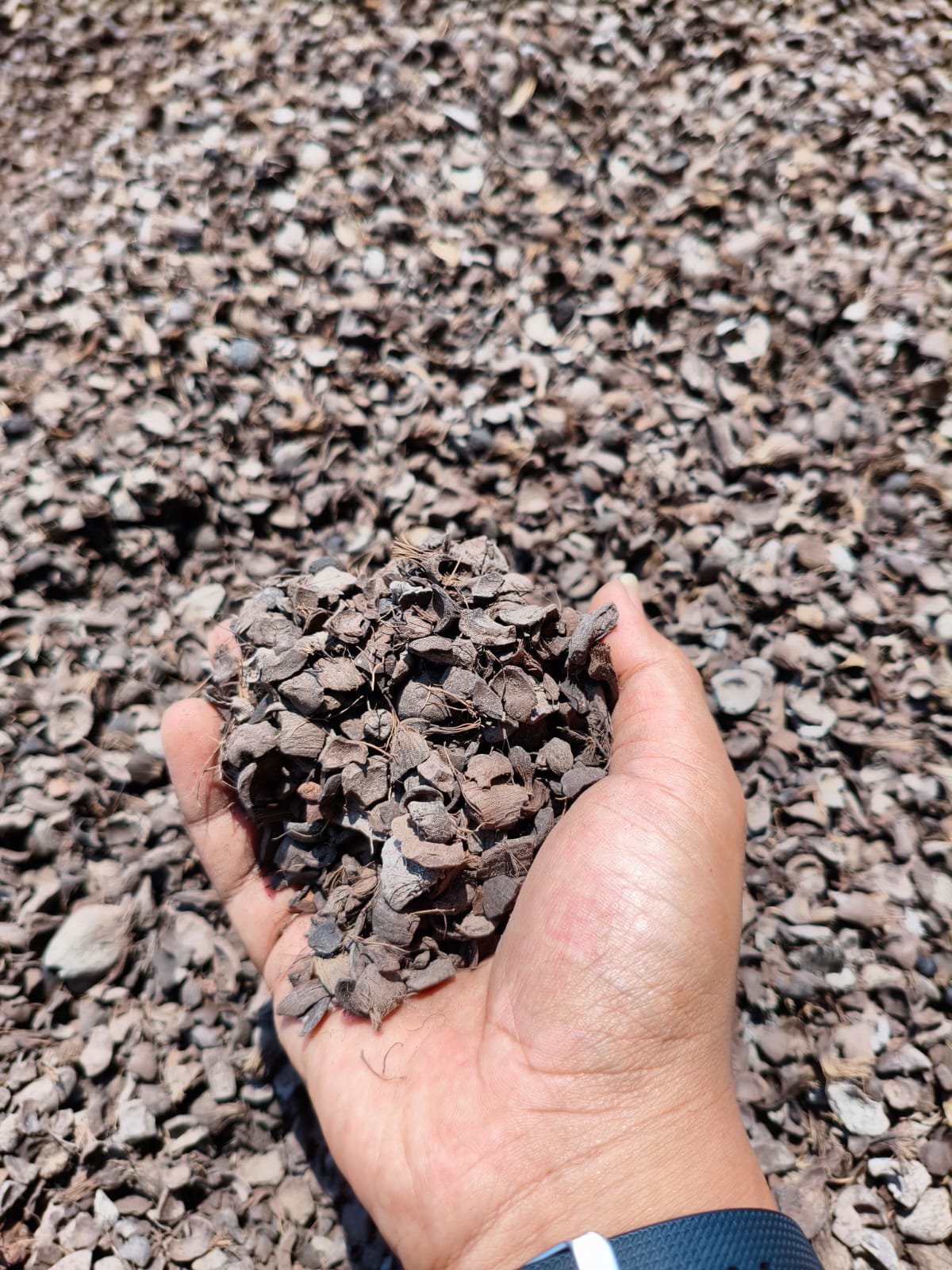
PT Aji Bakuh Anugrah, based in Gresik, East Java, is a trusted supplier of high‑quality palm kernel shells. As a by‑product of the thriving palm oil industry, these shells offer a reliable renewable energy source. This guide helps buyers understand the product, evaluate suppliers, and maximize its industrial potential. Learn why PT Aji Bakuh Anugrah stands out as a preferred partner.
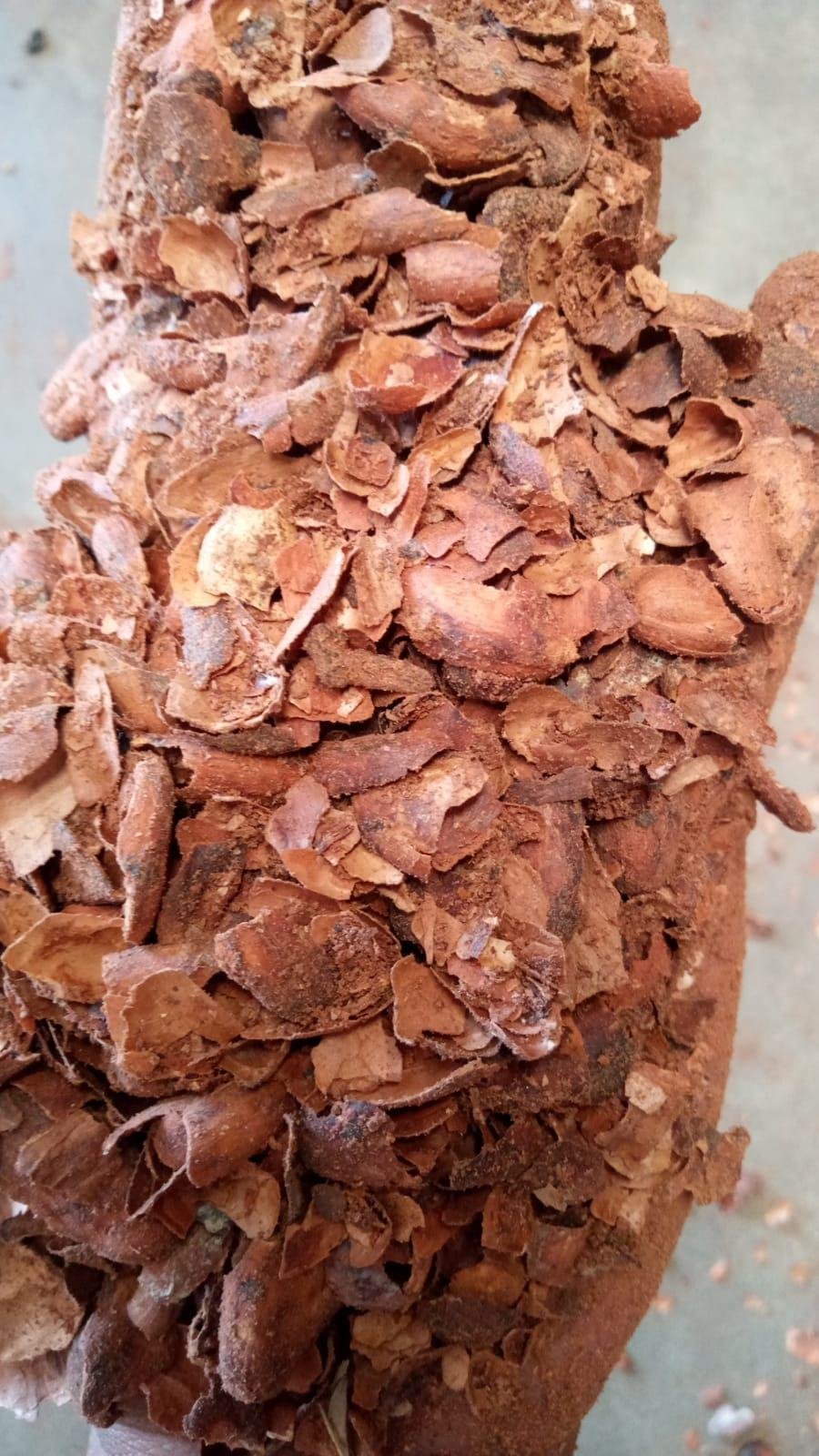
Palm kernel shell (PKS) is the hard, fibrous outer layer removed from the palm kernel during oil extraction. Originating from Indonesia's abundant palm plantations, especially in Gresik, PKS is a lightweight, high‑energy biomass material. Its natural composition provides a consistent calorific value, making it ideal for energy applications. The shells are collected, cleaned, and processed to meet international export standards.
When selecting a PKS supplier, buyers should verify the calorific value, moisture content, and logistical capabilities. Look for certifications such as ISO 9001 and sustainability audits that confirm responsible sourcing. Transparent pricing, reliable delivery schedules, and flexible shipment options are also crucial. PT Aji Bakuh Anugrah offers detailed product data sheets and a dedicated account manager to streamline the purchasing process.
Palm kernel shells contribute significantly to environmental sustainability by diverting agricultural waste from landfills. Their high GCV of 4603 kcal/kg enables efficient combustion with lower CO₂ emissions compared to fossil fuels. Using PKS reduces dependence on non‑renewable energy sources and supports Indonesia's renewable energy targets. Additionally, the shells can be integrated into circular economy models, creating value from what would otherwise be waste.
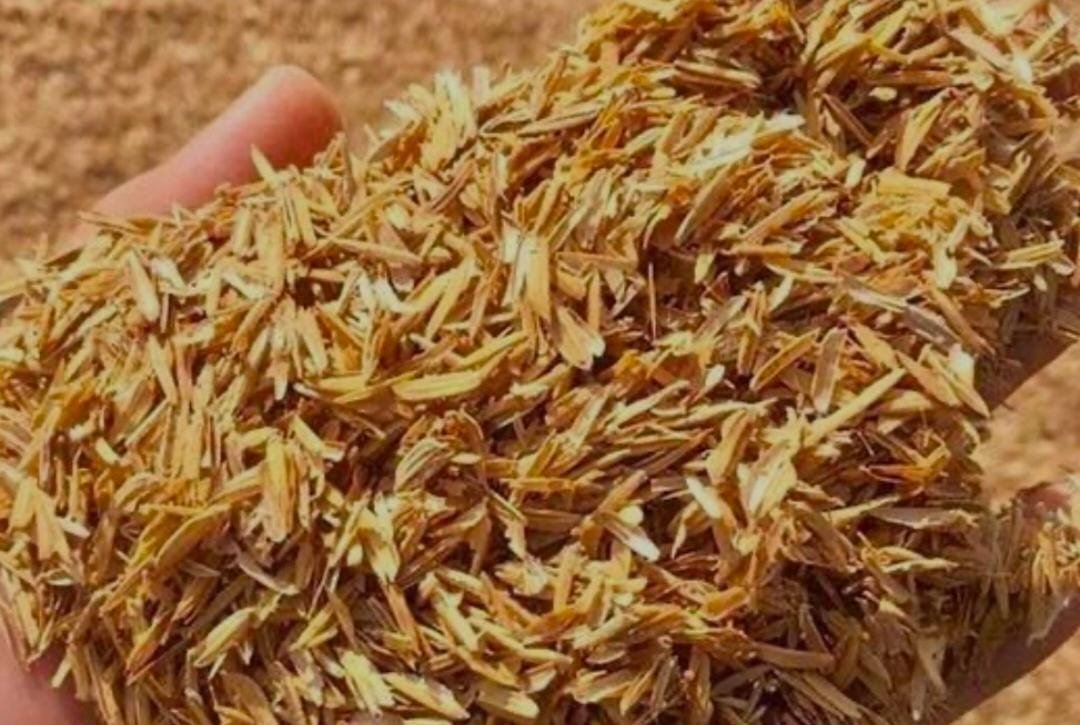
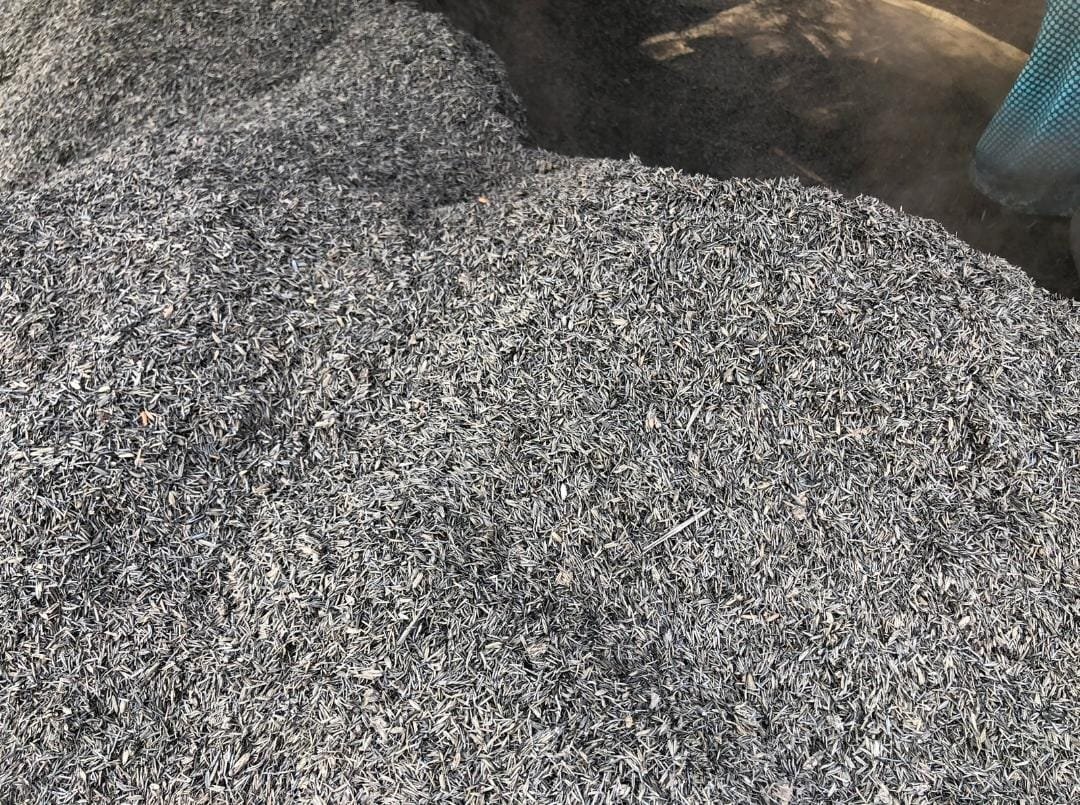
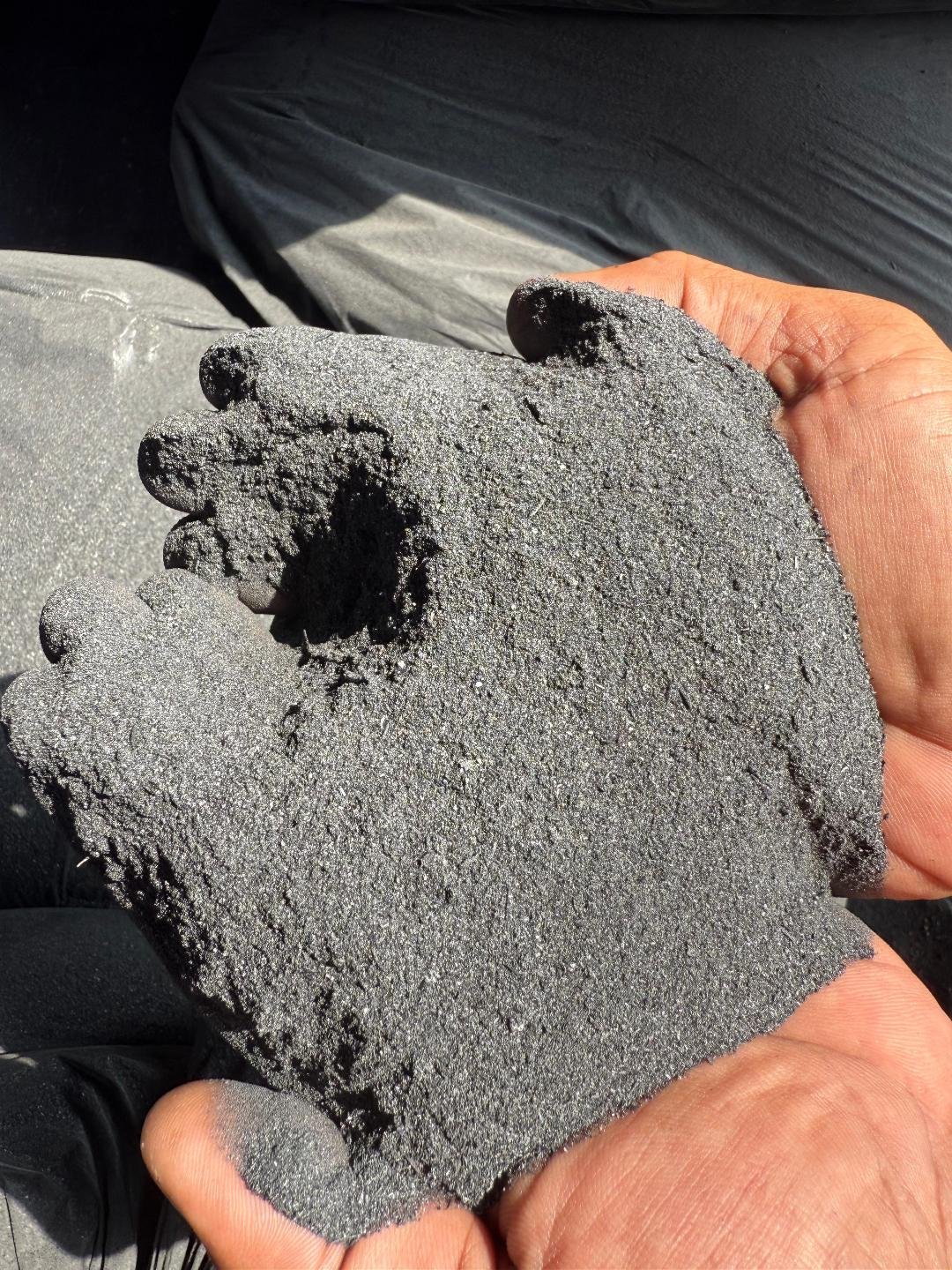
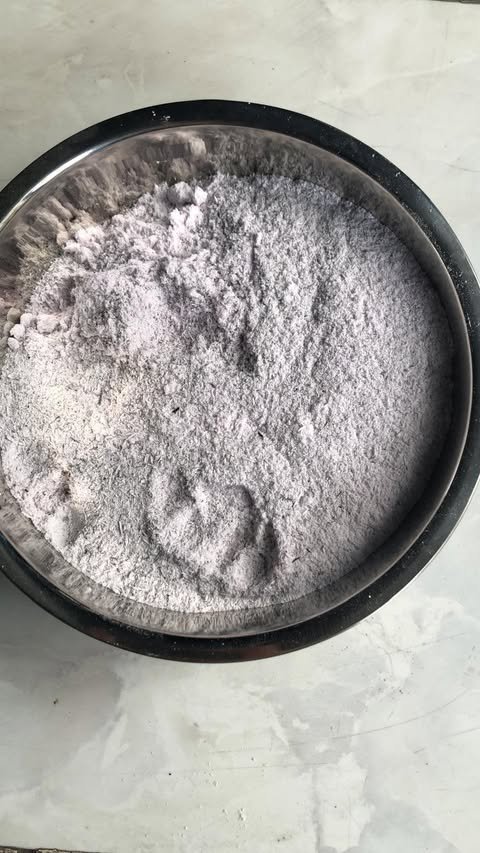
The key quality specification for PKS is its gross calorific value (GCV) of 4603 kcal/kg, indicating high energy content. Buyers should also assess ash content, typically low, and ensure moisture levels stay below 12% for optimal performance. Compared with rice husk (3105 kcal/kg, SiO₂ 14.5%) and various types of rice husk ash, PKS offers a superior energy profile. PT Aji Bakuh Anugrah conducts rigorous testing to guarantee each batch meets these parameters.
Industries worldwide use palm kernel shells for power generation, cement kilns, and as a solid fuel in boilers. Their consistent size and high energy density make them suitable for co‑firing with coal, reducing overall carbon footprints. PKS is also employed in gasification processes to produce syngas for chemical synthesis. PT Aji Bakuh Anugrah provides customized packaging to meet the specific needs of each industrial application.
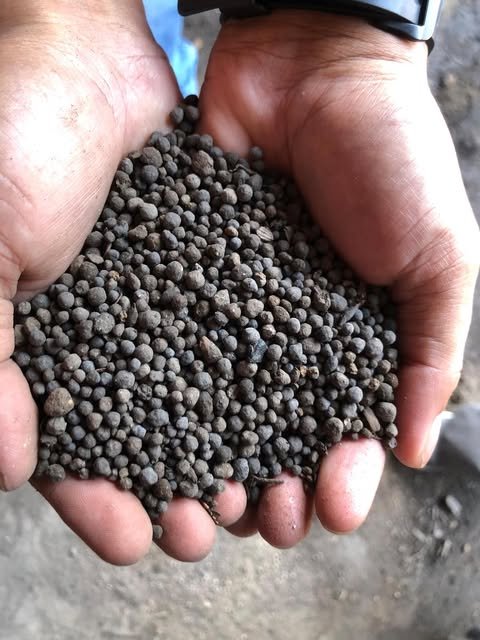
Compared with alternatives like rice husk, high‑carbon RHA, or feed meal, palm kernel shells deliver a higher calorific value and lower silica content, reducing slag formation in furnaces. Rice husk has a lower GCV (3105 kcal/kg) and higher SiO₂, which can cause operational challenges. While high‑carbon RHA offers high carbon percentages, its production cost and handling complexity are greater. Feed meal, with 16.19% protein, serves a nutritional purpose rather than an energy one, making PKS the preferred choice for fuel‑centric operations.
PT ABA Help Desk