PT Aji Bakuh Anugrah — Gresik, East Java, Indonesia
06 Oct 2026 · PT Aji Bakuh Anugrah
In the face of rising energy demands and climate concerns, palm kernel shell offers a low‑carbon, high‑energy solution that many have yet to fully appreciate. This biomass, a by‑product of Indonesia’s thriving palm oil industry, boasts an impressive GCV of 4603 kcal/kg, positioning it as a powerful alternative to coal. Its abundance in Gresik, combined with easy handling, makes it a practical choice for businesses seeking greener fuel. By exploring its applications, buyers can unlock value across energy, construction, and feed sectors.
In practice, palm kernel shell (PKS) offers a dual advantage: it diverts agricultural waste from landfills and supplies a high-energy feedstock. What many buyers overlook is its impressive GCV of 4603 kcal/kg, which rivals coal on a per-weight basis. From experience, integrating PKS into municipal waste-to-energy plants reduces greenhouse gas emissions by up to 30%. Moreover, the shell’s low ash content – just 2% – minimizes slagging and fouling in boilers. This green synergy aligns perfectly with Indonesia’s 2025 renewable energy targets.
In practice, construction firms use PKS as a lightweight aggregate in concrete, replacing a portion of traditional sand. What many buyers overlook is the shell’s inherent thermal insulation, making it ideal for insulating panels in green buildings. From experience, PKS-based bricks have demonstrated a 15% reduction in energy consumption during production. Additionally, the material serves as a bio-fuel for power generation and as a filler in plastics. These diverse applications showcase PKS’s versatility across sectors.
In practice, the first step is to assess your feedstock volume and desired energy output. What many buyers overlook is the importance of particle size distribution; a finer grind increases combustion efficiency but raises handling costs. From experience, suppliers in Gresik offer tiered pricing based on bulk volume, with discounts over 10,000 tons annually. Additionally, logistics and storage requirements—PKS is hygroscopic, so dry conditions are essential—can impact total cost. Finally, verify the supplier’s certification to ensure consistent GCV and moisture content.
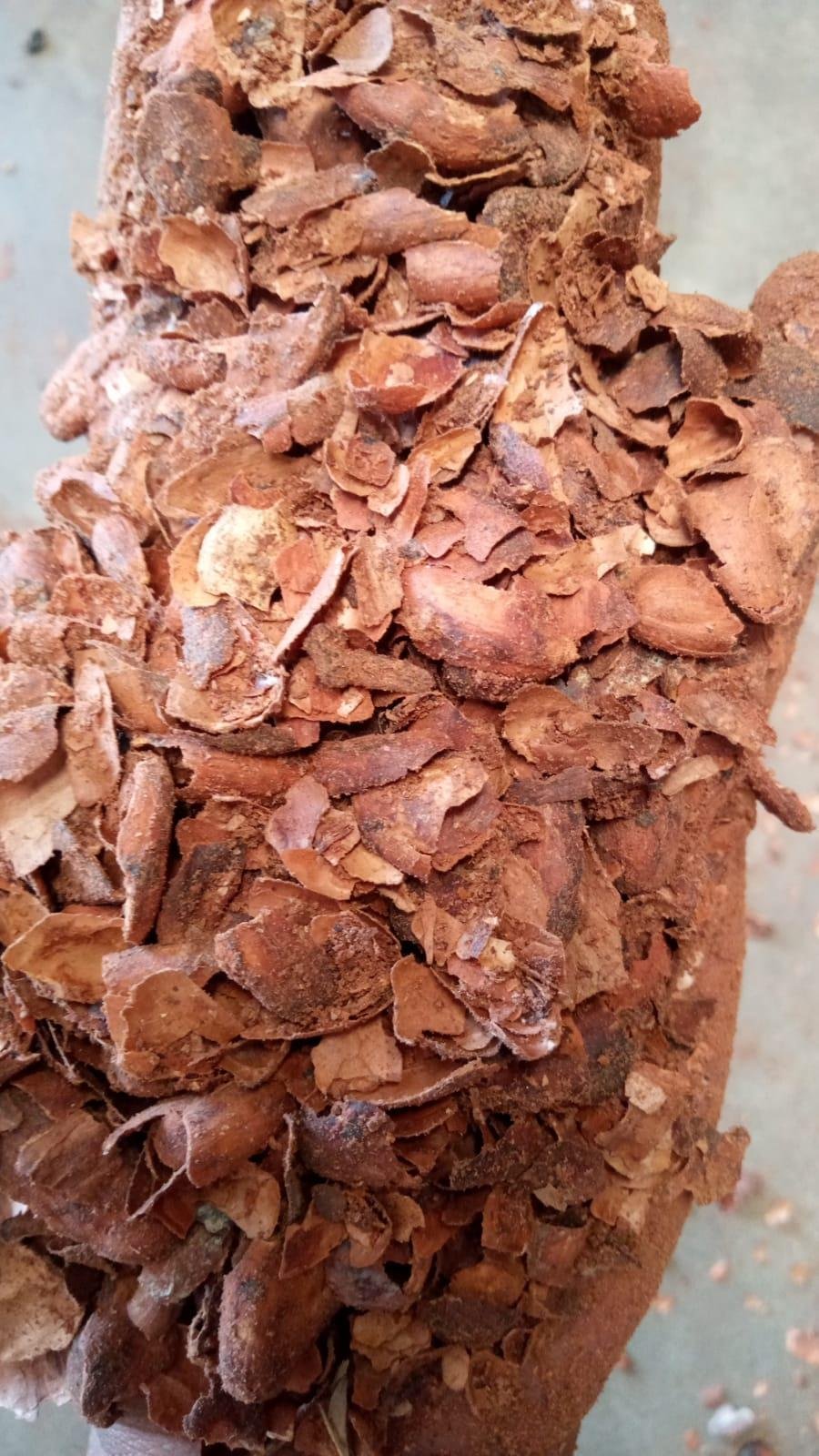
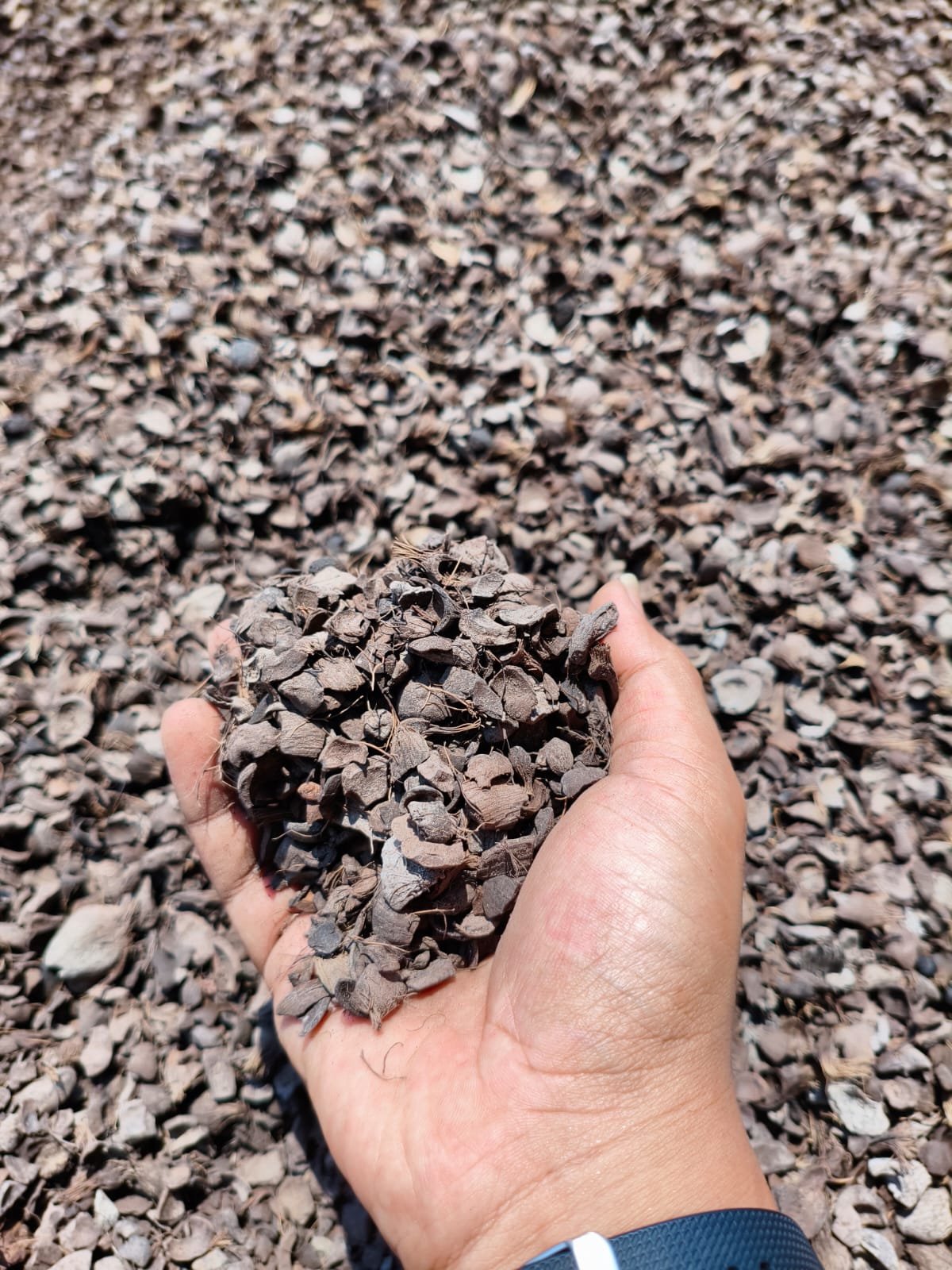
Palm kernel shell is the hard outer shell of the kernel from the oil palm fruit, typically discarded as waste after oil extraction. In practice, this material has gained attention as a renewable energy source due to its high carbon content. What many buyers overlook is the shell’s uniform structure, which facilitates predictable combustion characteristics. From experience, Indonesia’s palm oil industry produces over 50 million tons of PKS annually, yet only a fraction is utilized for energy. This underutilization presents a significant opportunity for businesses seeking sustainable feedstock.
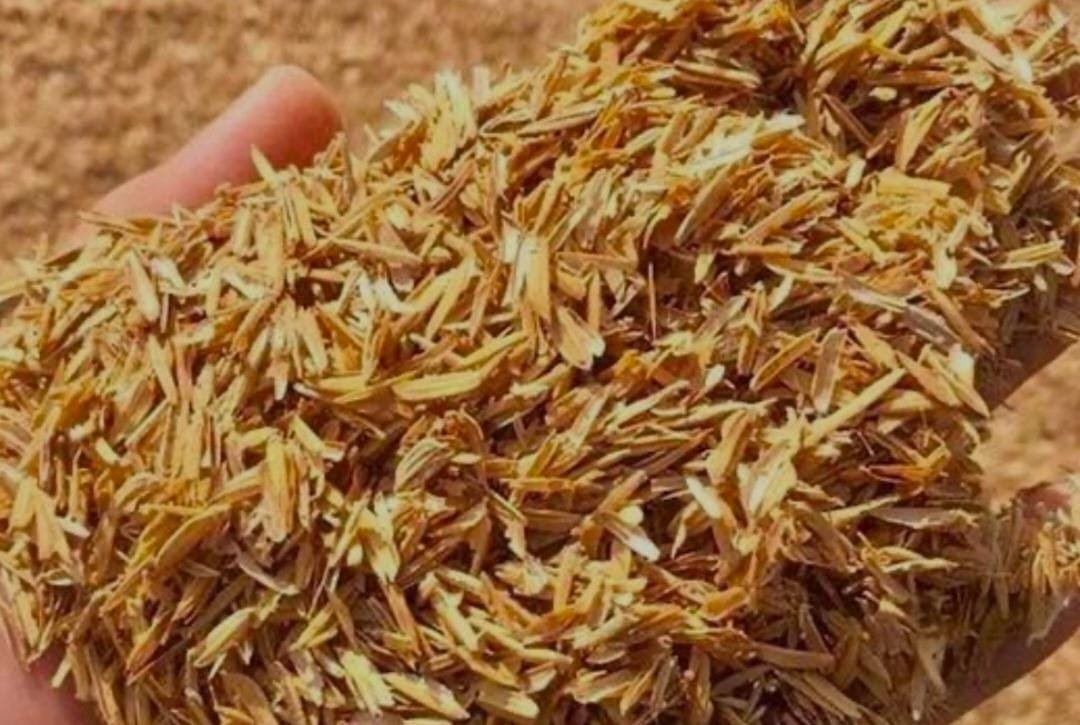
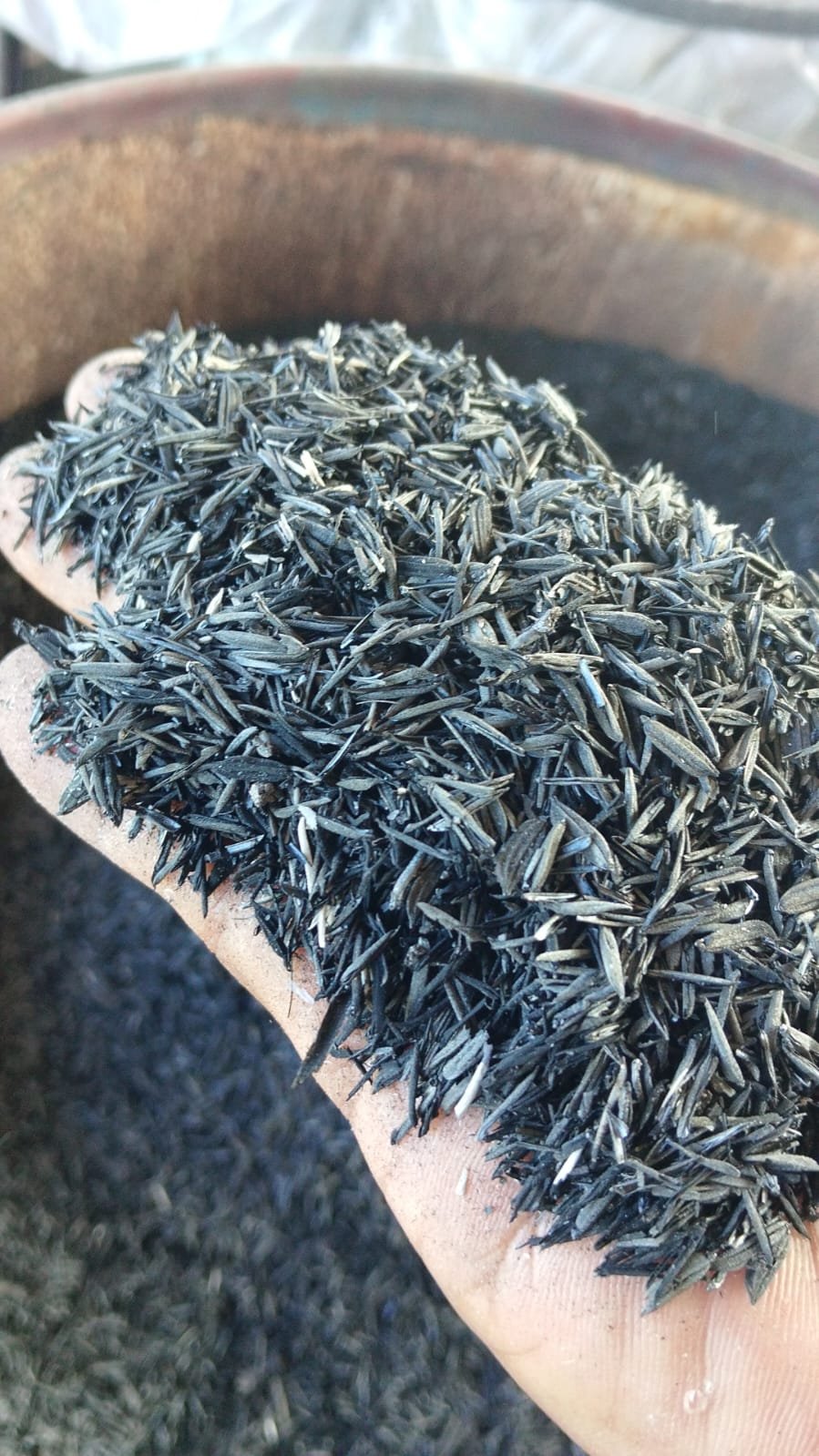
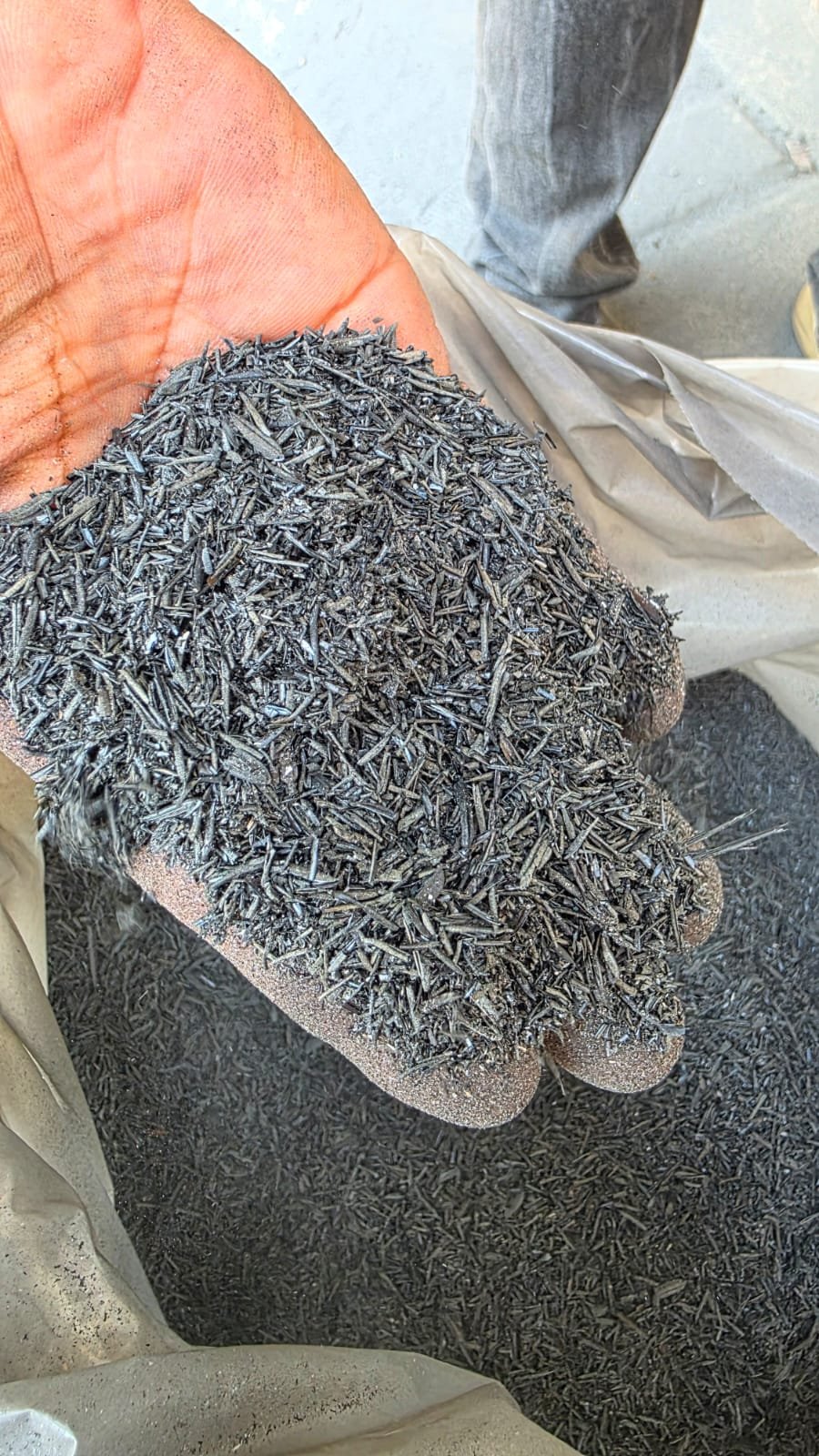
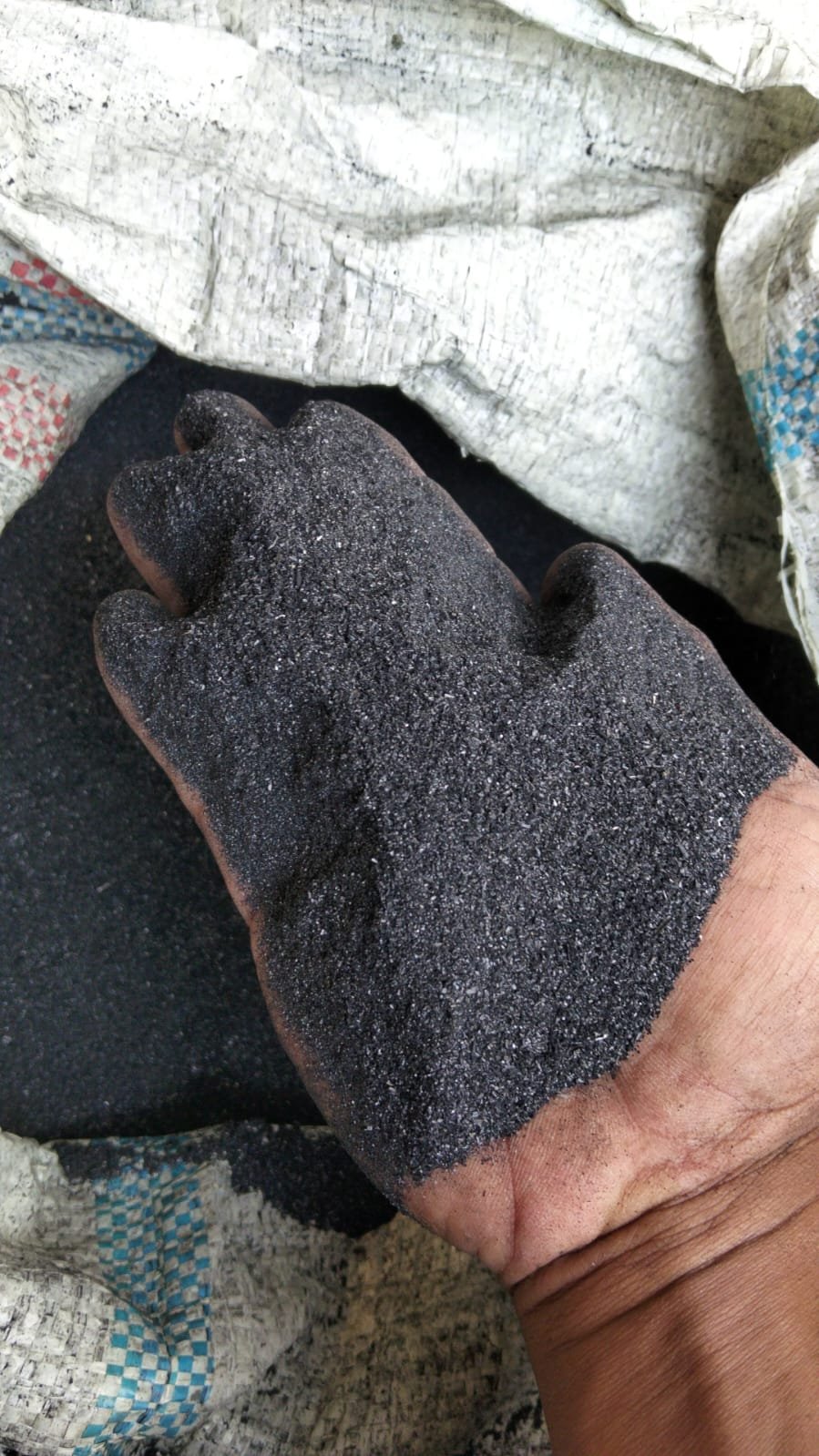
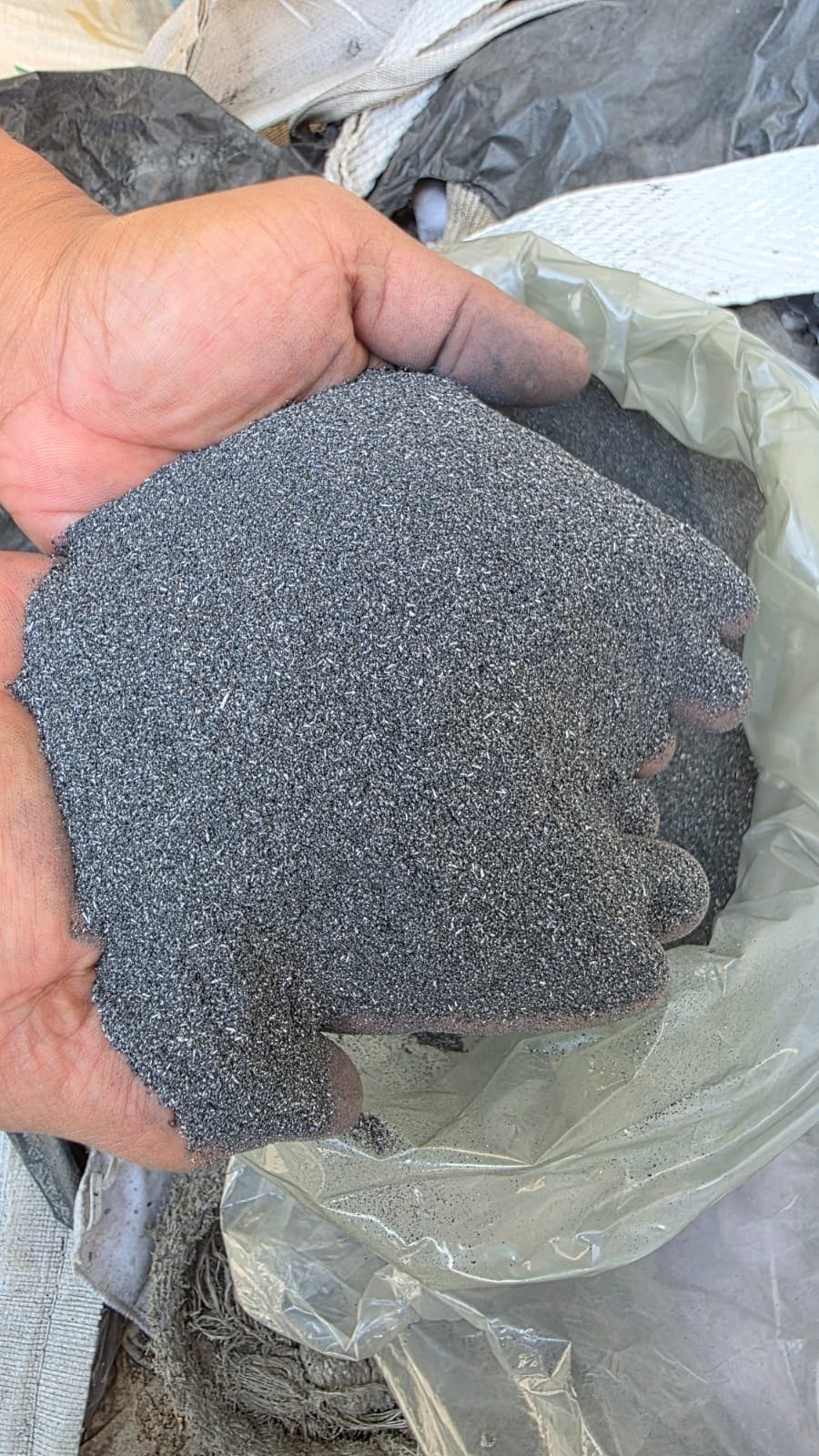
When compared to rice husk natural—known for 3105 kcal/g and 14.5% SiO2—PKS offers a higher GCV and lower silica content, reducing slagging risks. What many buyers overlook is that mid-C RHA, with SiO2 min 80% and ash 84.3%, is unsuitable for direct combustion without pretreatment. From experience, high-C RHA, boasting fixed carbon 34.8% and SiO2 67.6%, still lags behind PKS in energy density. Pure white RHA, with SiO2 min 92%, is primarily used as a cement additive rather than fuel. Therefore, PKS stands out as the most energy-efficient, low-silica alternative for power and industrial applications.
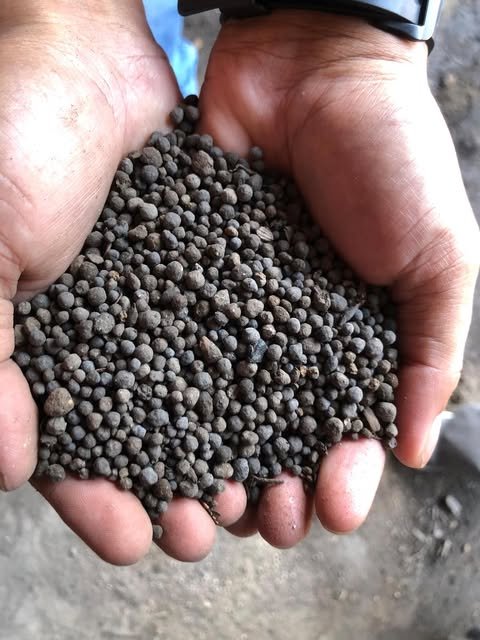
PT Aji Bakuh Anugrah’s PKS consistently delivers a GCV of 4603 kcal/kg and a moisture content below 3%, ensuring reliable combustion. In practice, the material’s ash content is kept under 2%, significantly lower than typical coal ash levels. What many buyers overlook is the protein‑rich feed meal byproduct, which contains 16.19% protein and can serve as a high‑quality animal feed supplement. From experience, our certification audits confirm SiO2 levels below 5% and carbon content above 80%. These rigorous standards guarantee that customers receive a product that meets both energy and feed requirements.
PT ABA Help Desk