PT Aji Bakuh Anugrah — Gresik, East Java, Indonesia
07 Oct 2026 · PT Aji Bakuh Anugrah
Did you know that a single bag of rice husk charcoal can transform a patch of barren land into a thriving garden? At PT Aji Bakuh Anugrah’s warehouse in Gresik, East Java, the aroma of freshly charred husks signals a promise of greener yields. Farmers in the surrounding villages already notice firmer, more porous soil that retains moisture without becoming water‑logged. The charcoal’s gentle pH adjustment creates a welcoming environment for root development. Curiosity leads to action, and that’s what this guide is all about.
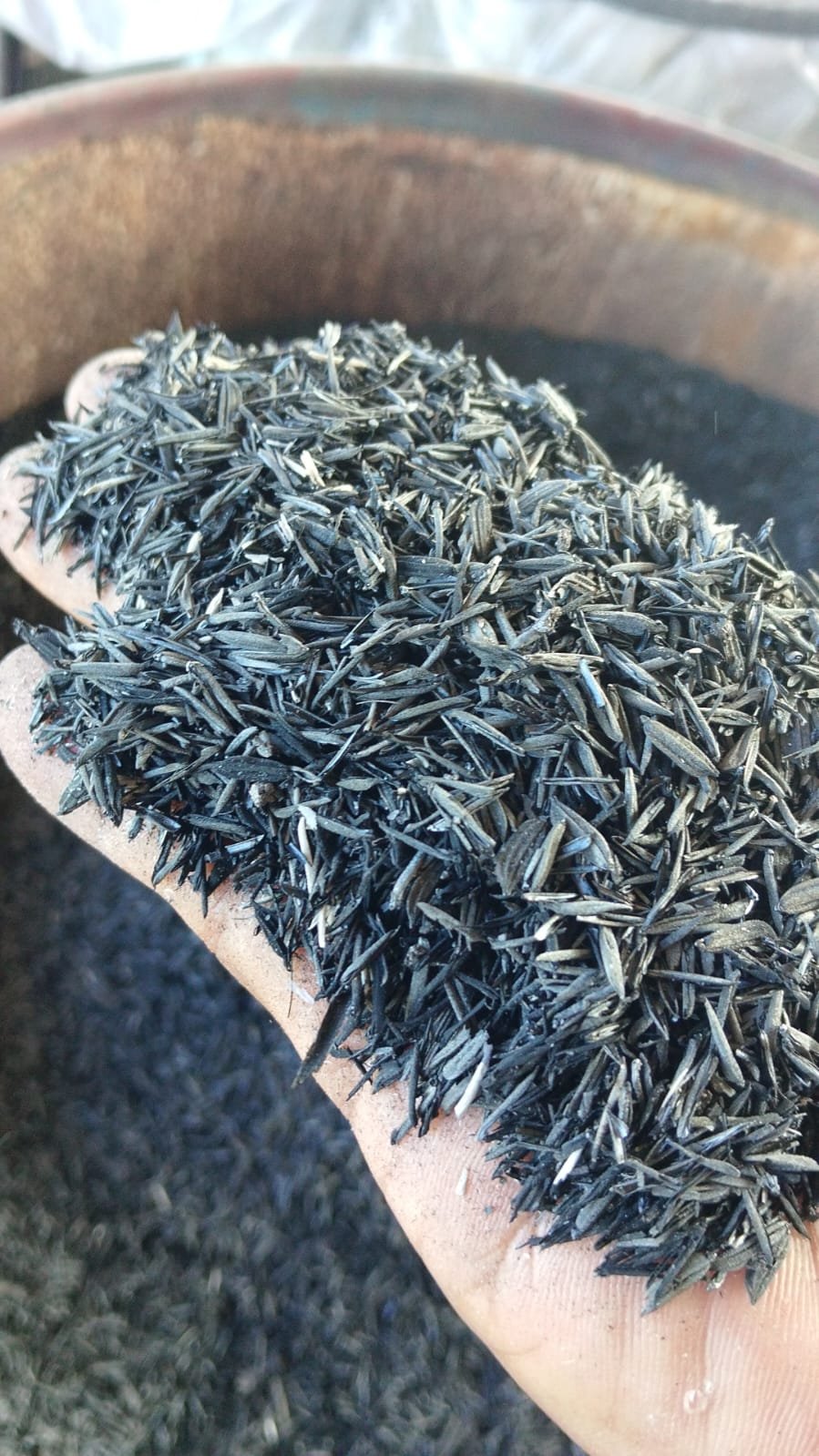
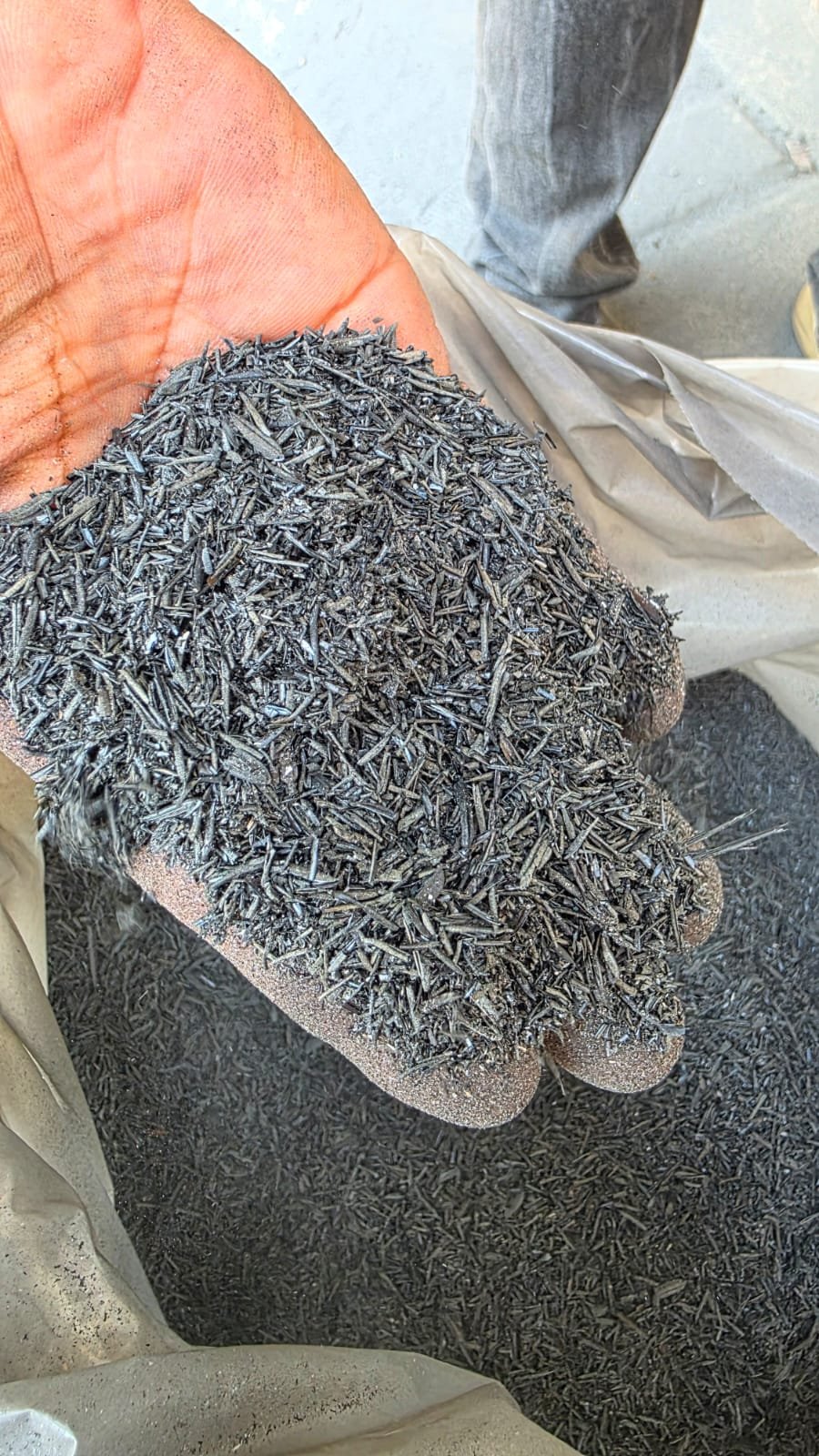
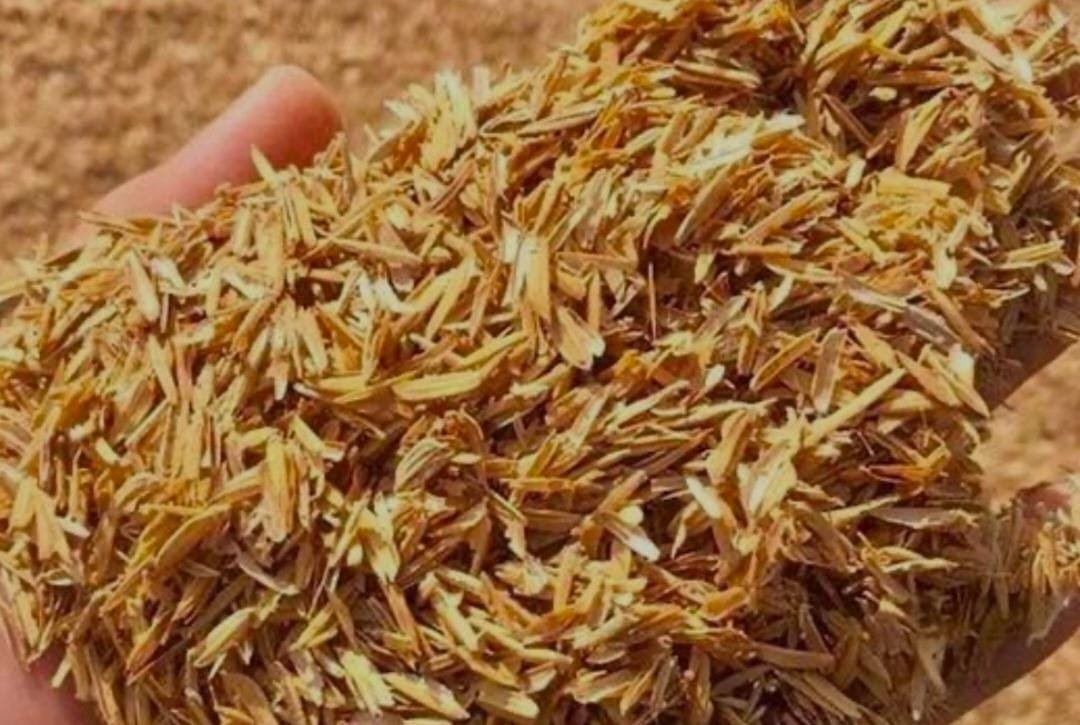
Rice husk charcoal is produced by pyrolyzing the outer shell of rice grains, a by‑product of rice milling. The process drives off moisture, leaving a lightweight, porous material rich in silica and carbon. In horticulture, it serves as a bio‑fertilizer, improving aeration, water retention, and nutrient availability. The local Gresik facility sources husks directly from nearby farms, ensuring freshness and traceability. Many growers consider it a natural counterpart to synthetic soil amendments, especially when seeking sustainable practices.
Compared to organic compost, rice husk charcoal offers a longer lasting structure, resisting decomposition and maintaining porosity for months. Conventional mulches can smother seedlings, whereas charcoal’s open network allows light and air to penetrate. Its silica content helps reduce soil acidity, a problem in many Indonesian lowlands. Unlike coconut coir, which can be expensive, charcoal is produced from surplus agricultural waste, keeping costs down. Farmers who have switched report higher root densities and lower irrigation needs.
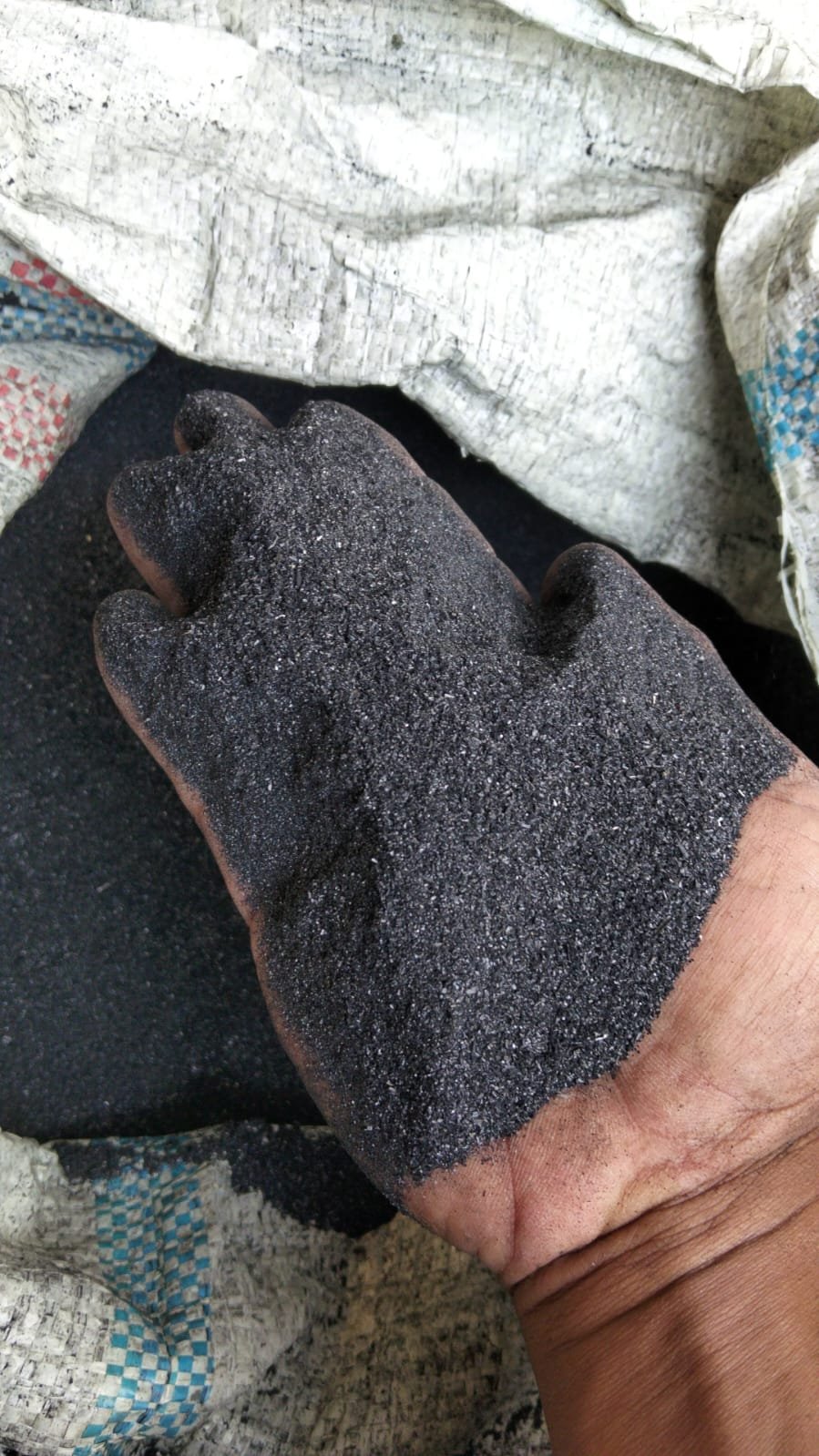
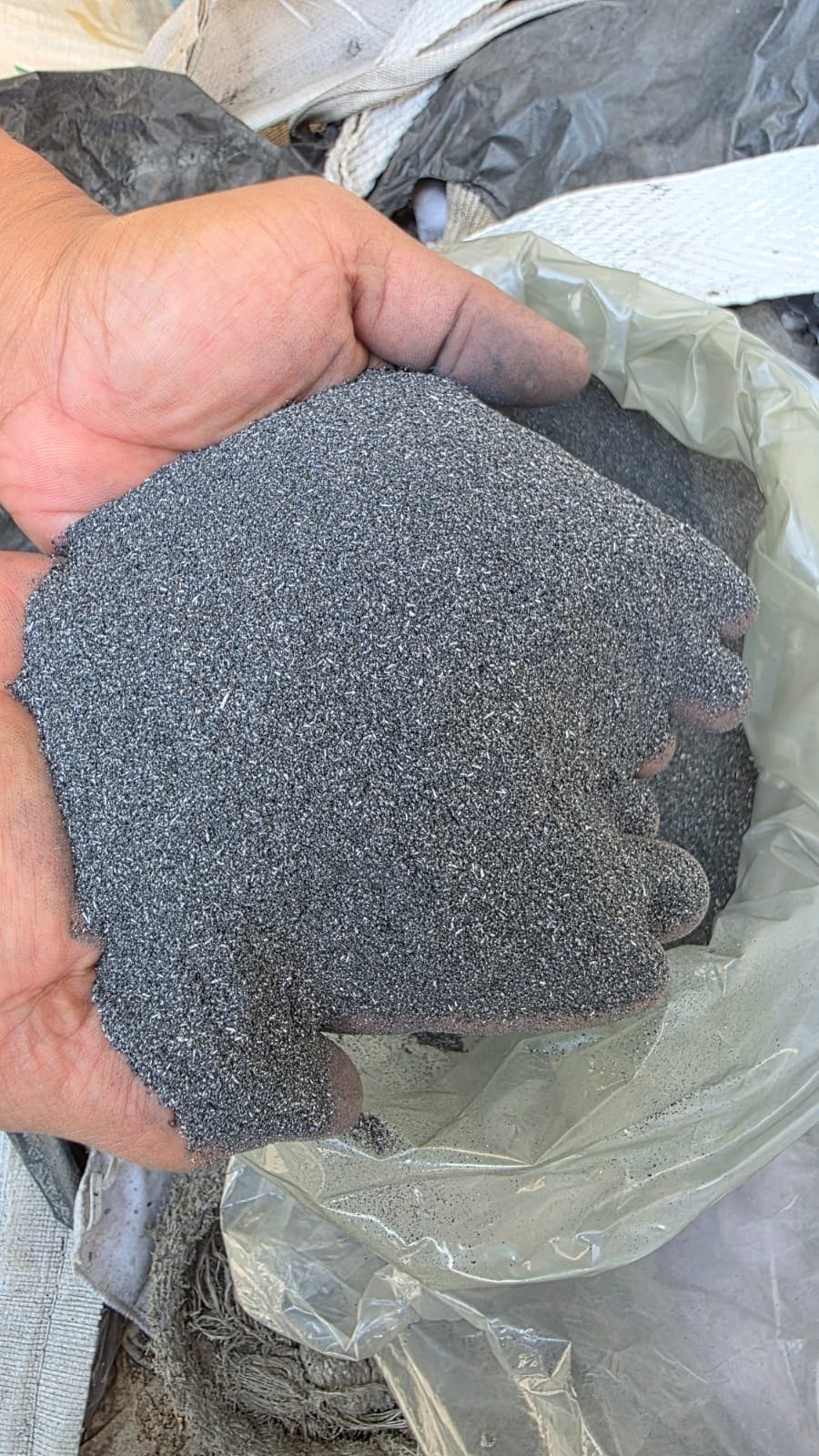
First, examine moisture content—ideally around 9.5% to prevent clumping during transport. Second, check the bulk density; a range of 100–120 kg/m³ indicates consistent particle size. Third, look for a SiO₂ value of at least 14.5%, which boosts soil structure. Fourth, verify that the calorific value aligns with the 3105 kcal/g standard; this ensures energy stability for microbial activity. Finally, confirm the product’s origin; a Gresik‑sourced batch guarantees local quality control and traceability.
In a Gresik greenhouse, growers added charcoal to potting mixes and saw a 12% increase in tomato yield within a single season. In the nearby sugarcane fields, farmers used charcoal as a soil amendment before planting, reducing erosion during the rainy season. Agroforestry plots in East Java incorporated charcoal beneath fruit trees, enhancing drip irrigation efficiency. The material also serves as a base layer in raised beds, preventing compaction under heavy machinery. Across these settings, the common thread is improved soil health without chemical additives.
Rice husk charcoal captures carbon that would otherwise release during decomposition, effectively sequestering it in the soil. The production process emits fewer greenhouse gases compared to conventional charcoal, thanks to the controlled pyrolysis at PT Aji Bakuh Anugrah. When applied to fields, the charcoal improves water retention, meaning farmers need to irrigate less, cutting water use by up to 20%. Moreover, the surplus husk waste is diverted from landfills, reducing methane emissions. This closed‑loop system exemplifies circular economy principles in practice.
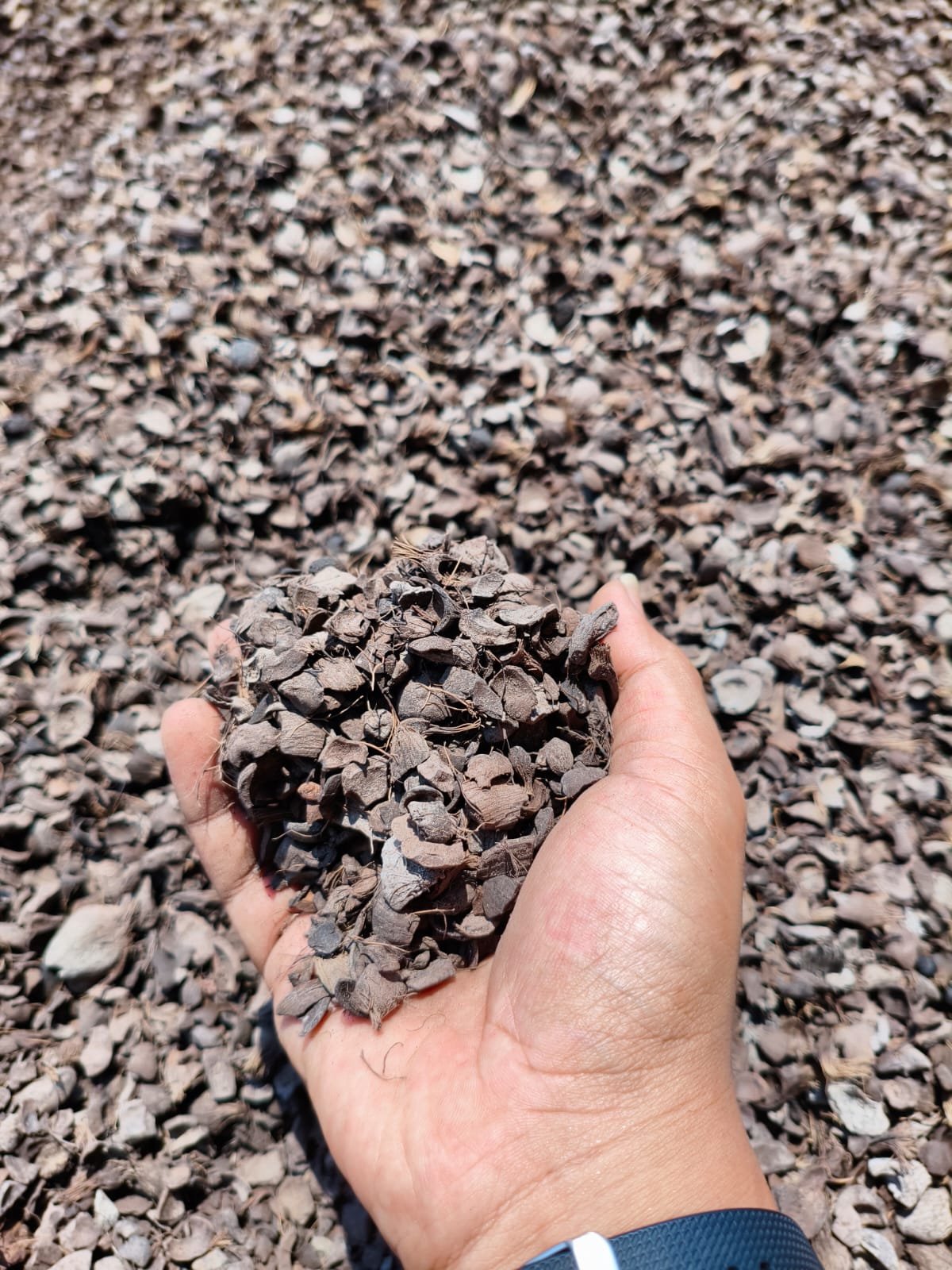
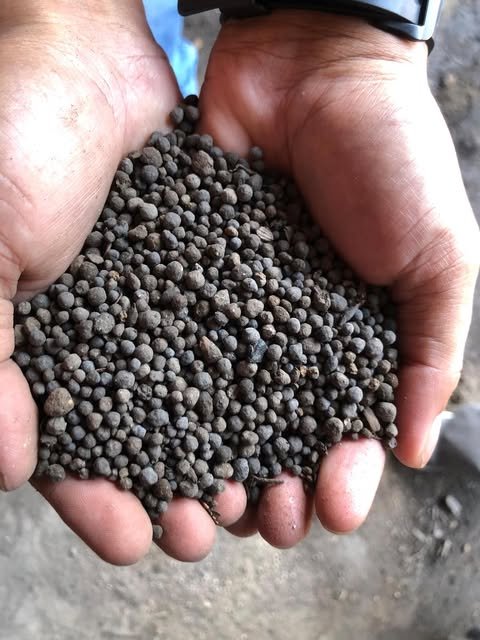
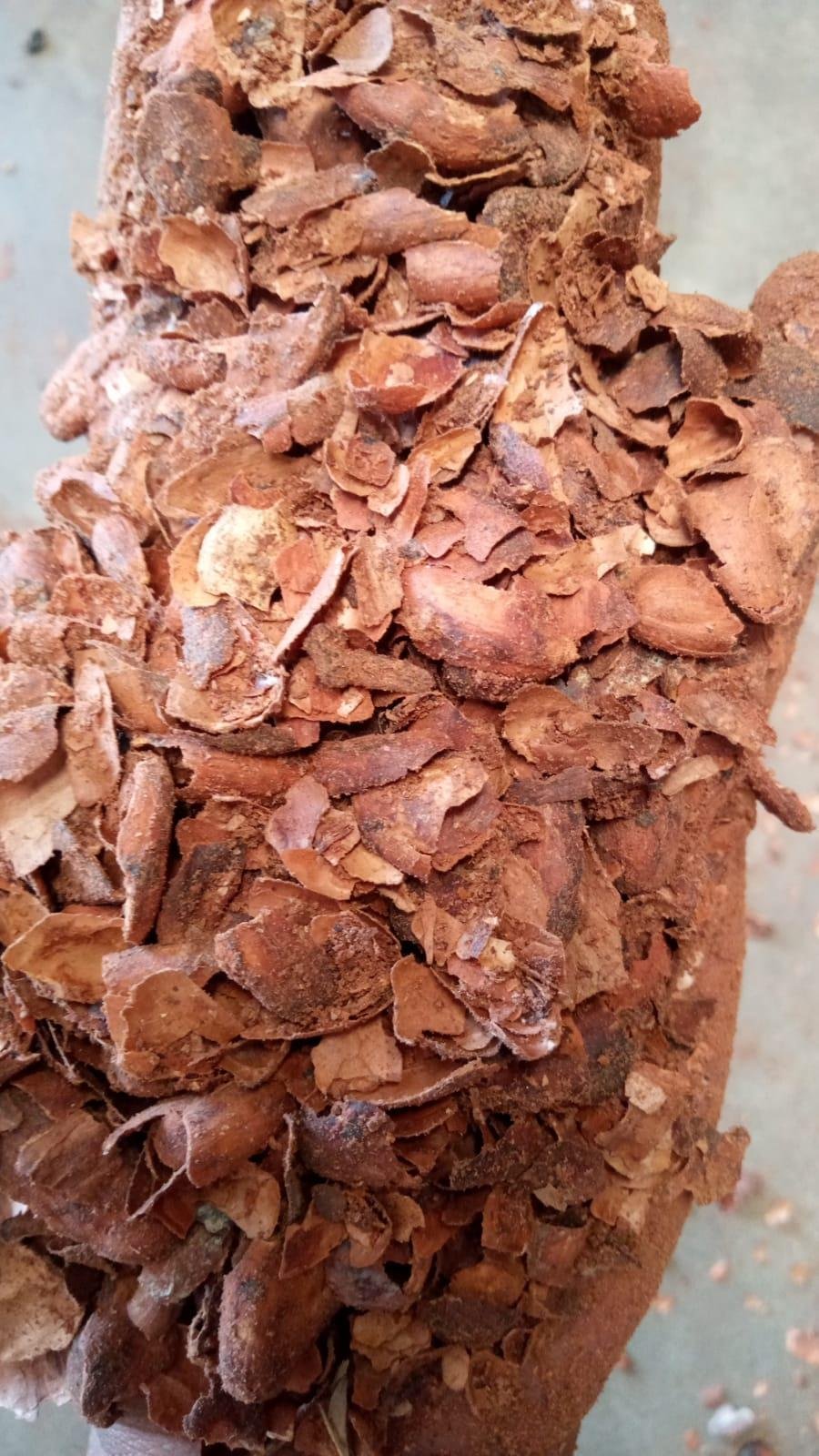
Our rice husk natural charcoal boasts a calorific value of 3105 kcal/g, moisture at 9.5%, SiO₂ at 14.5%, and bulk density between 100–120 kg/m³. For higher‑grade applications, we offer Mid C RHA with SiO₂ ≥80% and carbon 5–15%, ideal for steel and cement industries. The High C RHA variant delivers 34.8% fixed carbon and 67.6% SiO₂, perfect for activated carbon production. Pure White RHA, with SiO₂ ≥92%, is reserved for high‑grade silica uses. Additionally, our organic fertilizer derived from composted husks contains N 1.2%, P₂O₅ 0.8%, and K₂O 1.5%, while the feed meal from cocoa shell offers 16.19% protein.
PT ABA Help Desk