PT Aji Bakuh Anugrah — Gresik, East Java, Indonesia
07 Oct 2026 · PT Aji Bakuh Anugrah
Did you know that a single rice husk pellet contains enough energy to power a small household for a month? In practice, farmers in Gresik have started converting their husks into pellets, cutting waste and boosting income. This article unpacks everything you need to know—from technical specs to on‑field applications. Join us as we explore how PT Aji Bakuh Anugrah turns agricultural by‑products into high‑value energy solutions.
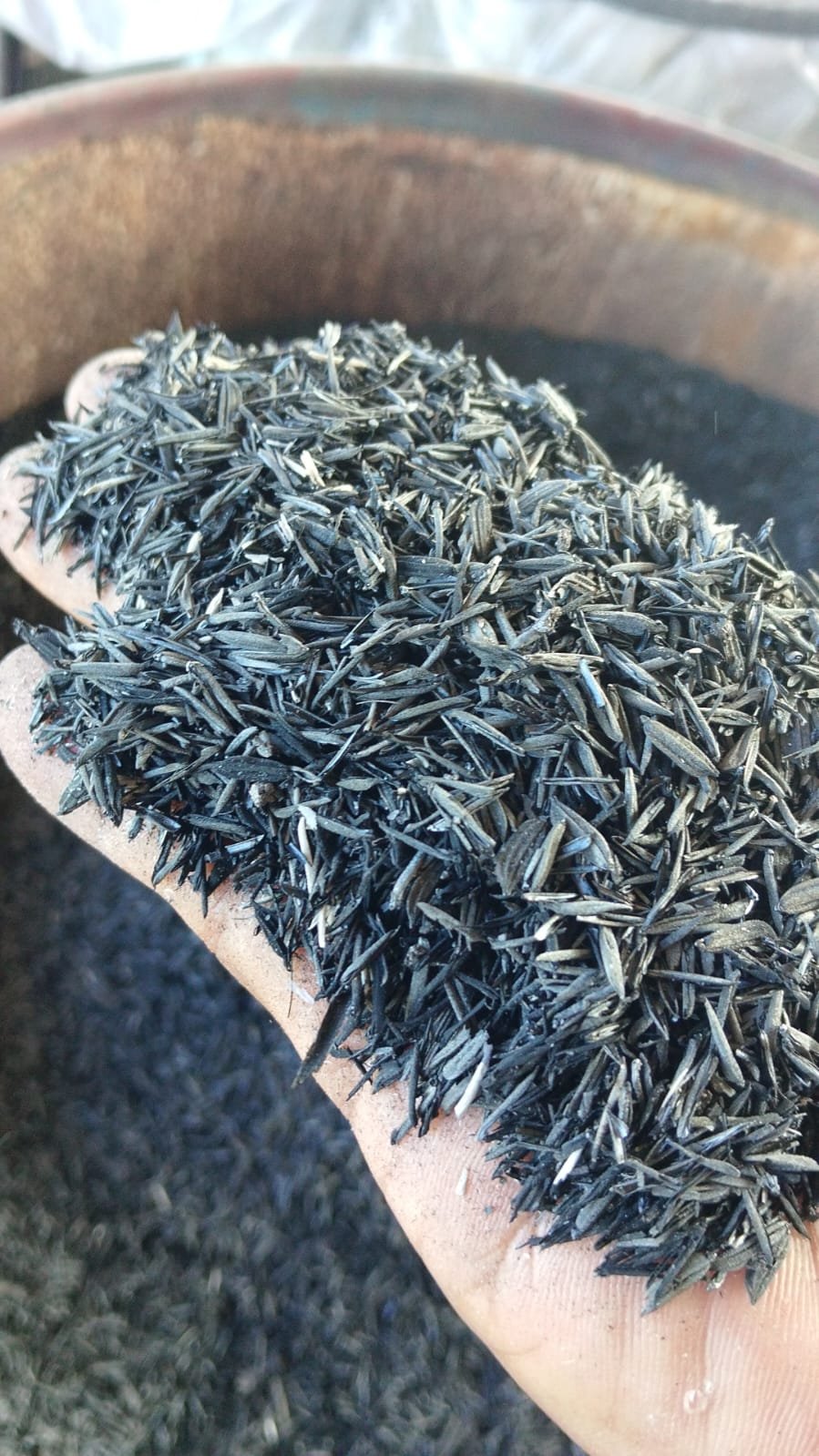
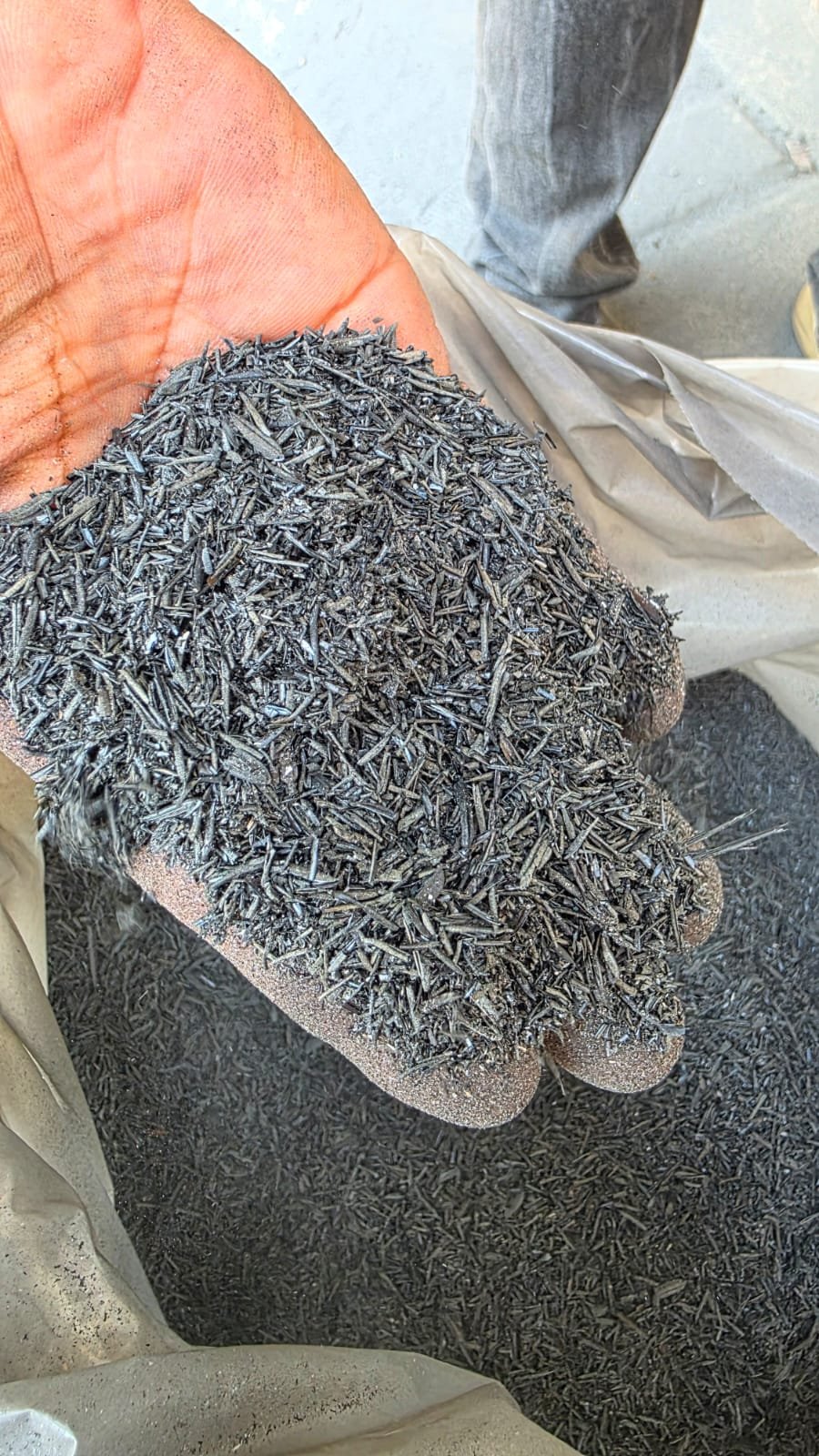
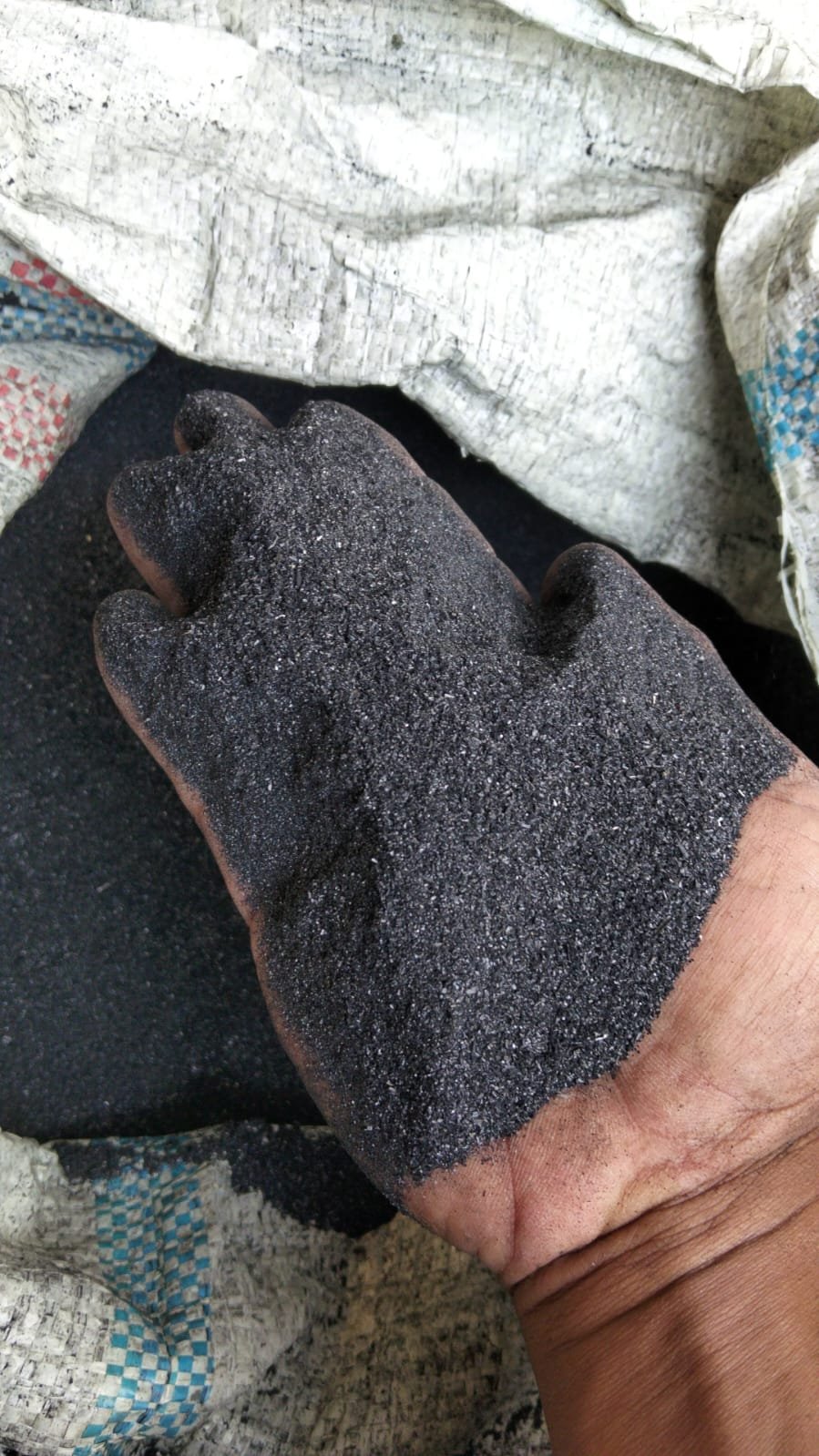
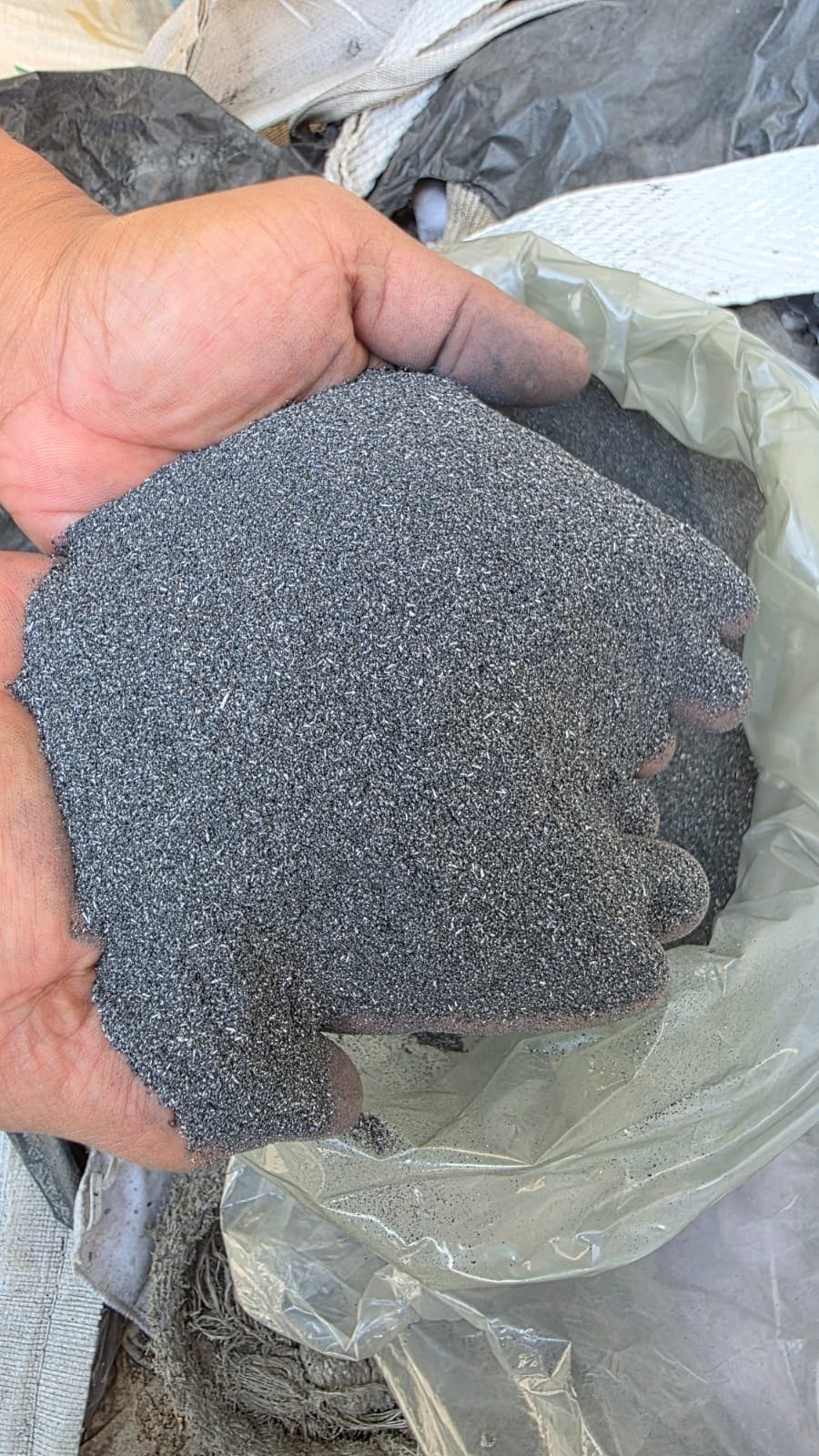
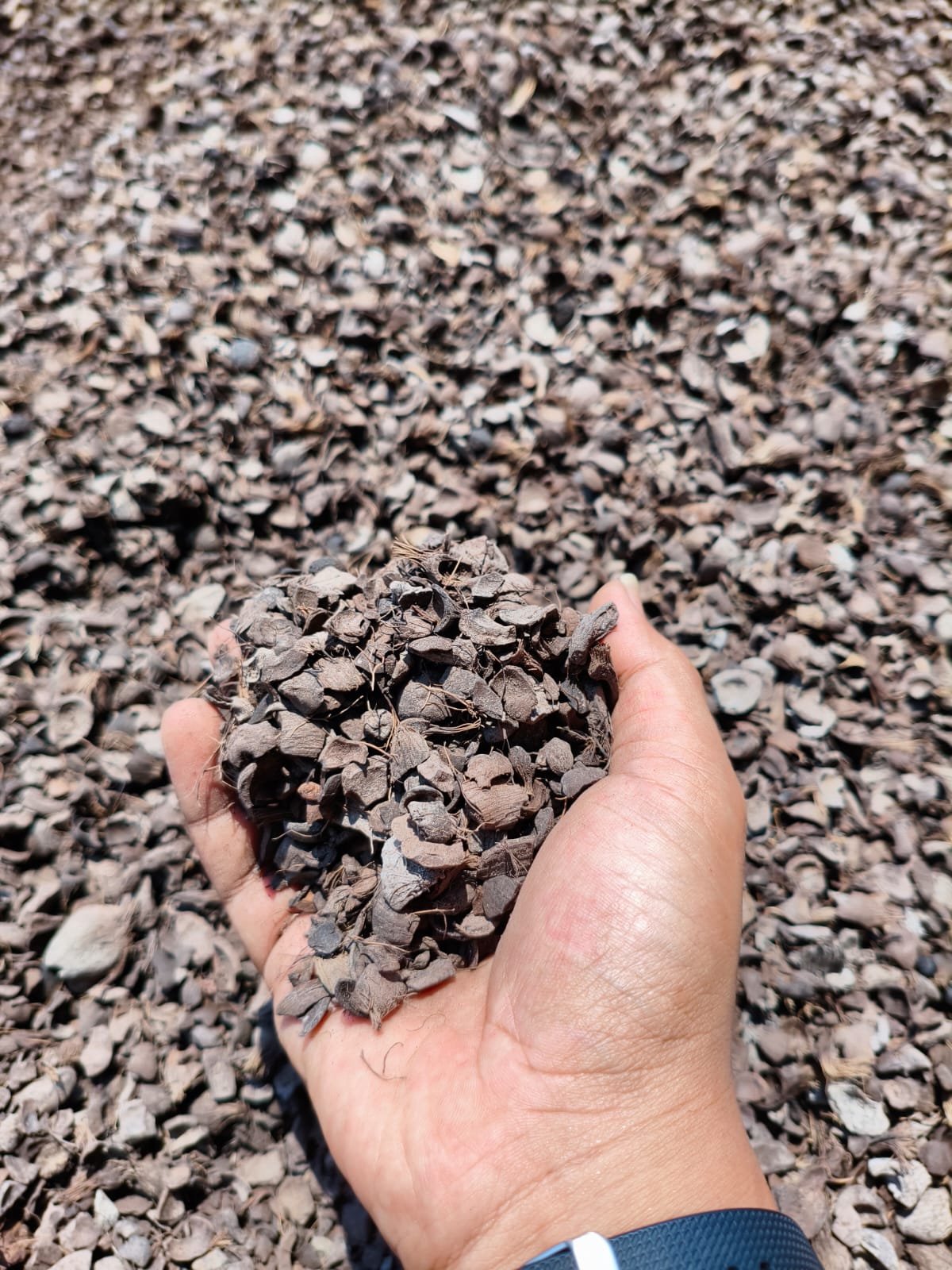
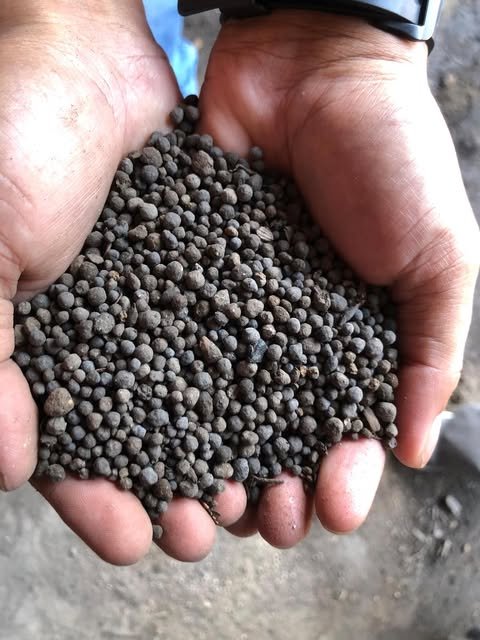
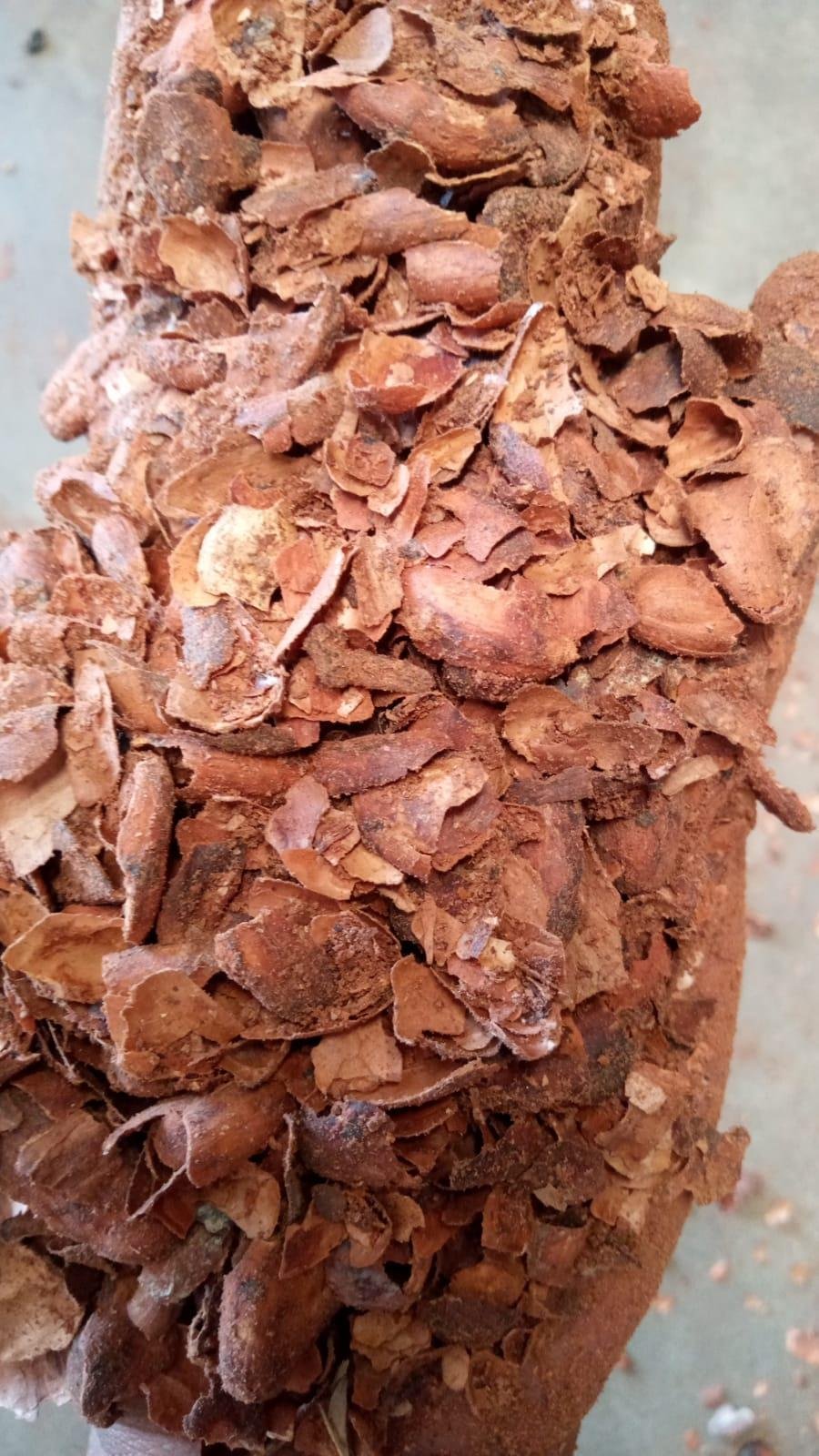
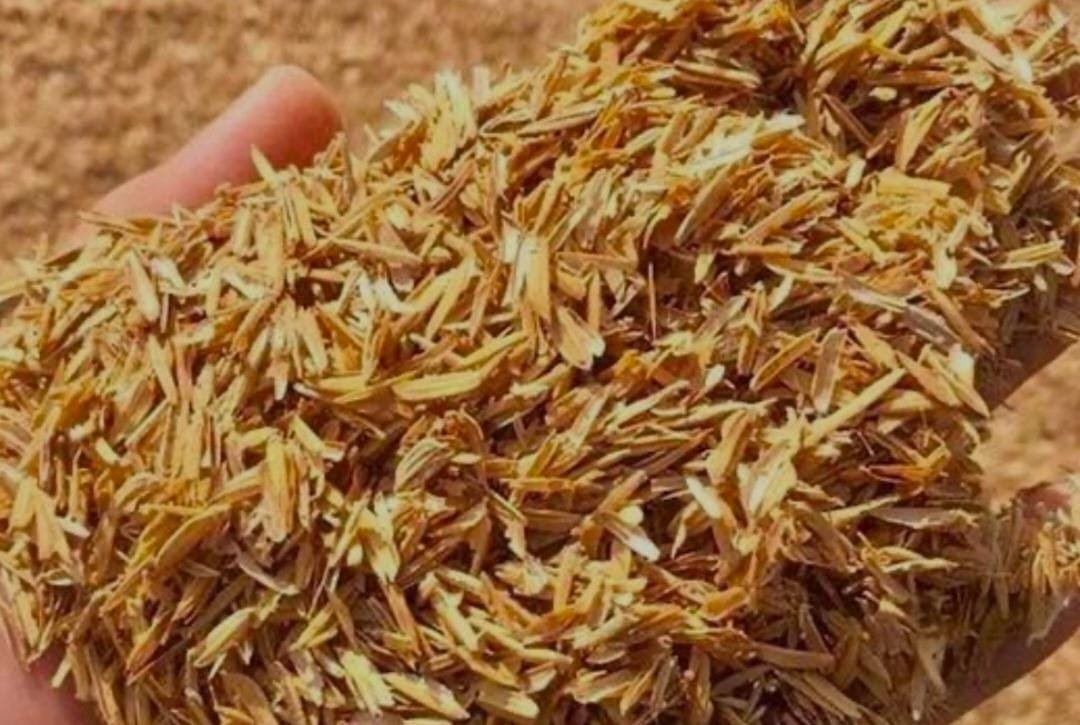
Rice Husk Natural boasts 3105 kcal per gram, with a moisture level of 9.5% that keeps combustion efficient. Its bulk density ranges from 100 to 120 kg/m³, making storage predictable across warehouses. SiO2 content sits at 14.5%, providing structural integrity during pelletization. Mid‑C RHA offers a SiO2 minimum of 80% and carbon between 5–15%, ideal for steel and cement processes. High‑C RHA presents a fixed carbon of 34.8% and SiO2 of 67.6%, perfect for activated carbon production. Pure White RHA, with SiO2 over 92%, is used in high‑grade silica applications. Palm Kernel Shell’s GCV of 4603 kcal/kg and moisture max 15% complements rice husk in co‑firing setups.
Rice husk pellets are compacted fibers derived from rice residues, shaped into uniform, high‑energy blocks. In Indonesia’s power sector, they serve as a renewable fuel for boilers and co‑generators. They also feed into the construction industry, where silica from husks enhances cement strength. Farmers often view husks as waste, yet when processed they become a valuable commodity. The pelletization process removes excess moisture and boosts calorific value. Small and large factories alike appreciate the pellet’s consistency and ease of handling. Ultimately, rice husk pellets bridge agriculture and industry in a circular economy model.
Burning rice husk pellets emits up to 50% fewer CO₂ than coal per unit energy. By diverting husks from landfills, we reduce methane emissions that would otherwise rise. In practice, using 1 tonne of pellets can offset roughly 1.2 tonnes of CO₂ from fossil fuels. The silica residue can be repurposed, closing the material loop. Moreover, pellet production consumes less water than traditional fuels, conserving a precious resource. The net energy gain from processing husks is significant, especially when combined with other biomass streams. This translates to measurable reductions in Indonesia’s overall carbon footprint.
When sourcing pellets, verify moisture content; below 10% ensures optimal combustion. In practice, check the bulk density to forecast storage needs. Pricing typically reflects feedstock cost, pelletization technology, and transport distance. Buyers should negotiate bulk discounts if they can secure a steady supply from local farms. From our experience, suppliers that offer third‑party lab testing provide more reliable quality assurance. Consider the pellet’s calorific value, as higher numbers often translate to lower fuel bills. Finally, factor in the environmental incentives that may apply to renewable fuel purchases.
Compared to coal, rice husk pellets produce less ash, simplifying ash disposal. What many buyers overlook is the dual benefit of silica extraction after combustion, generating additional revenue. In practice, palm kernel shell pellets have a similar energy content but lack the high‑carbon options like High‑C RHA. Pure White RHA offers superior purity for advanced silica markets, a niche coal cannot match. The pellet’s consistent size leads to fewer maintenance issues in boilers. From our experience, the overall lifecycle cost of rice husk pellets is lower than traditional fuels. This combination of economic and environmental advantages makes them a standout choice.
In Gresik’s power plants, co‑firing rice husk pellets with coal cuts fuel costs by 15%. Steel mills in Surabaya use Mid‑C RHA to refine blast furnace slag, improving product quality. Cement factories in Malang blend High‑C RHA to enhance compressive strength while reducing clinker content. Food processors in Jakarta recycle the ash as a nutrient‑rich fertilizer, boosting crop yields. Small‑scale artisans in Banyuwangi use pellets to power kilns for ceramic glazing. In the packaging sector, silica extracted from husks forms the basis for eco‑friendly paper coatings. Across these sectors, rice husk pellets prove versatile, reliable, and sustainable.
PT ABA Help Desk