PT Aji Bakuh Anugrah — Gresik, East Java, Indonesia
28 Oct 2026 · PT Aji Bakuh Anugrah
Did you know a single ton of rice husk can release over 3,100 kilocalories? In practice, capturing that energy as ash turns waste into a high‑value construction material. For manufacturers in East Java, RHA offers both performance and sustainability. PT Aji Bakuh Anugrah delivers bulk ash that meets strict industrial specs. Let’s explore what makes our RHA the preferred choice for forward‑thinking buyers.
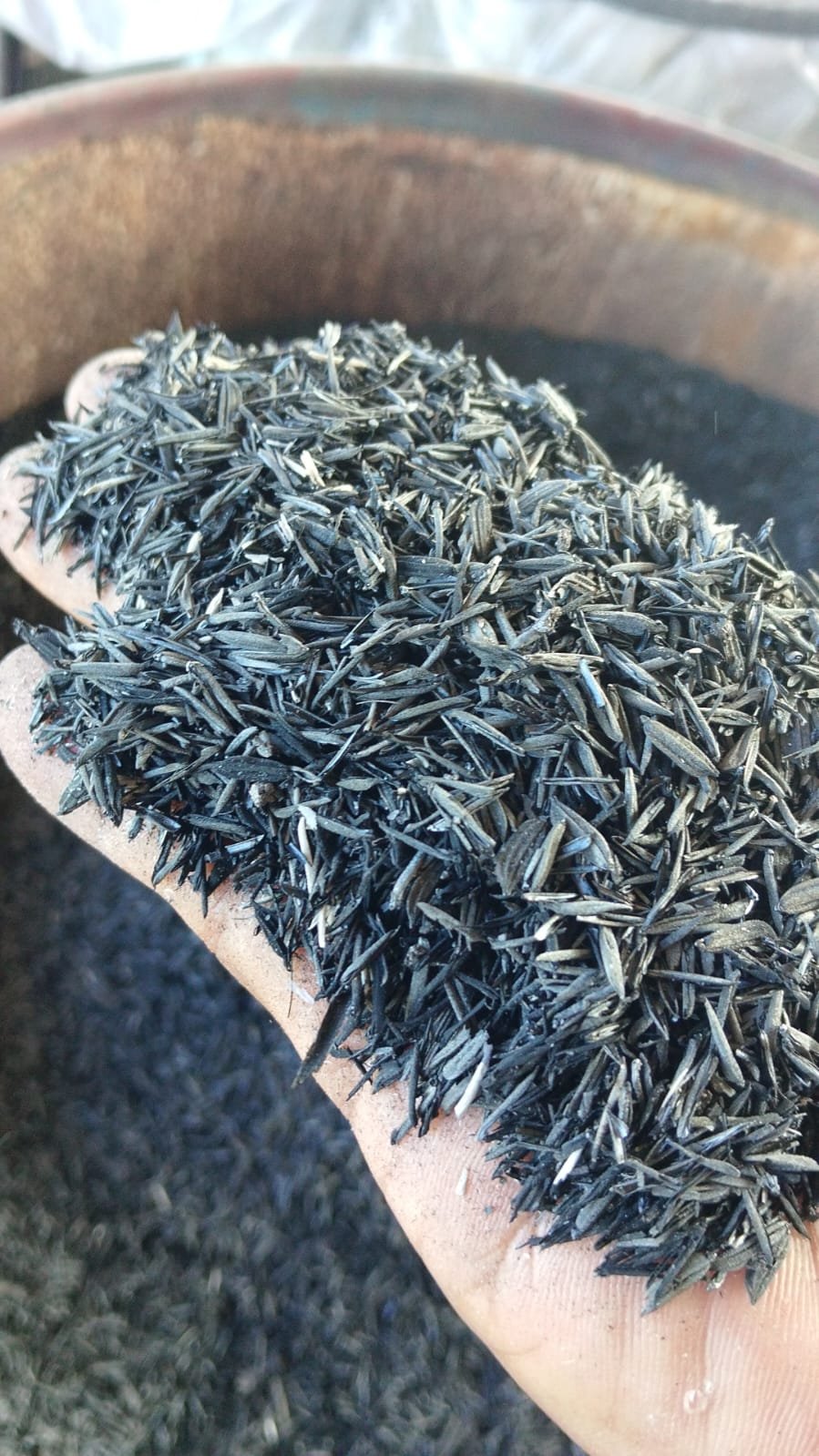
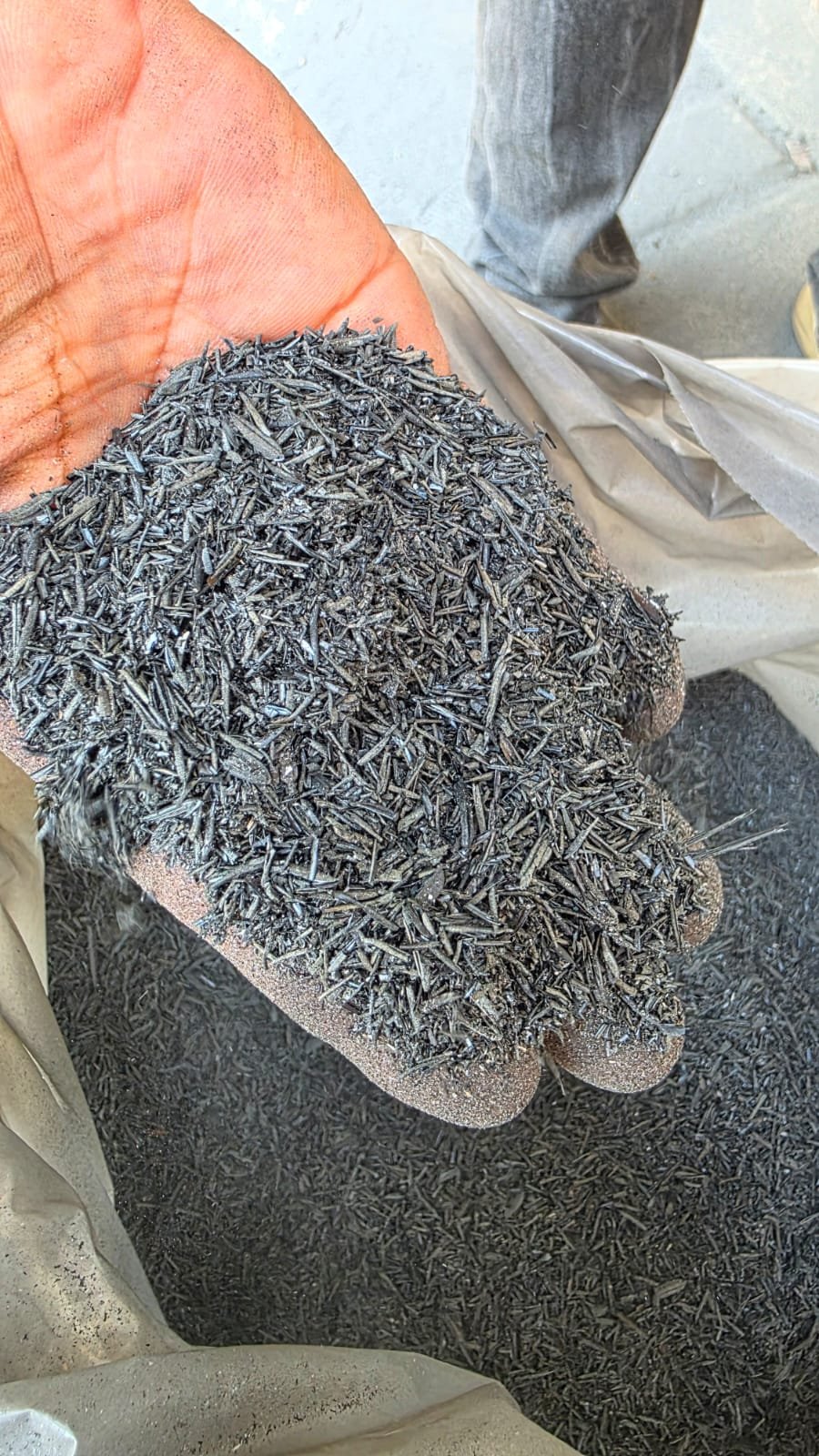
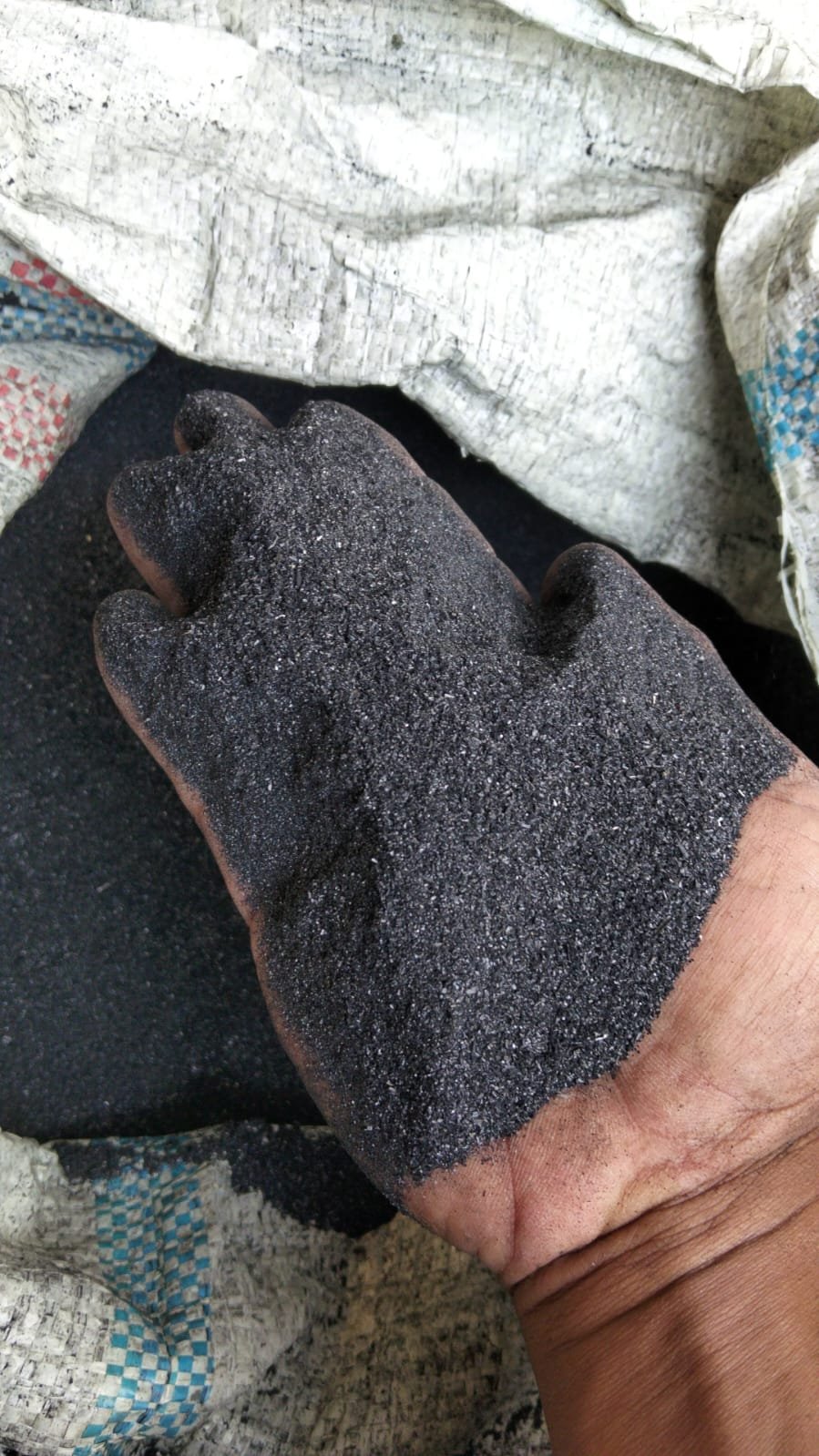
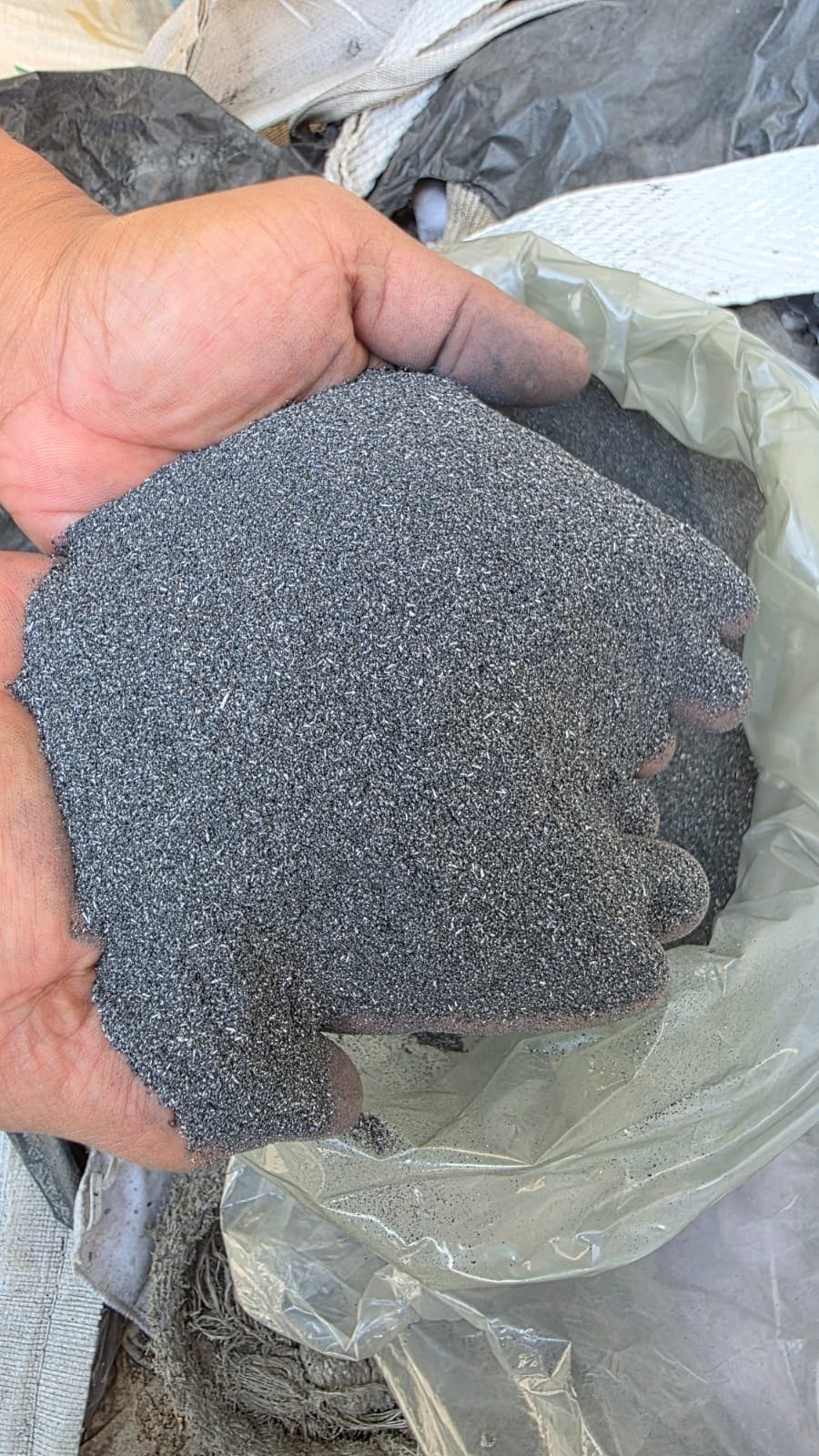
Compared to conventional fly ash, rice husk ash contains over 80% silica and minimal metal contaminants, making it ideal for cement and steel reinforcement. Its low carbon content—just 5‑15%—reduces the greenhouse impact during firing. Unlike limestone, RHA’s higher bulk density (100‑120 kg/m³) translates to less transport volume for the same volume of silica. In practice, the clean surface finish of RHA improves concrete durability, cutting maintenance costs over the product life cycle. Moreover, our ash is sourced from certified farms in Gresik, ensuring traceability from field to factory.
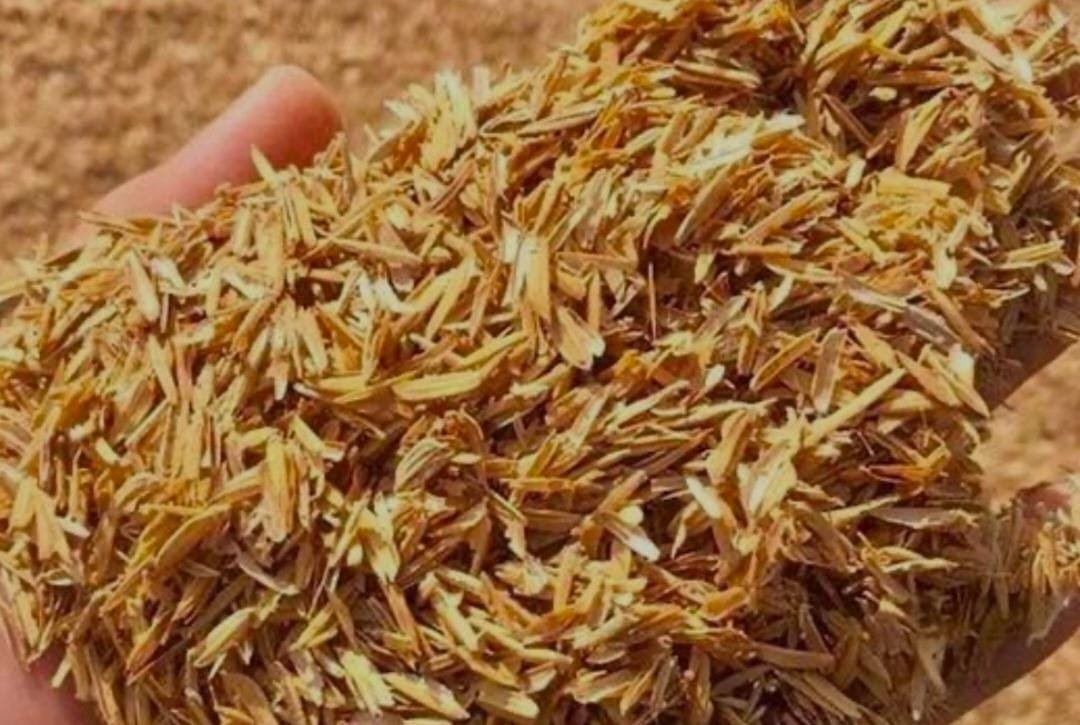
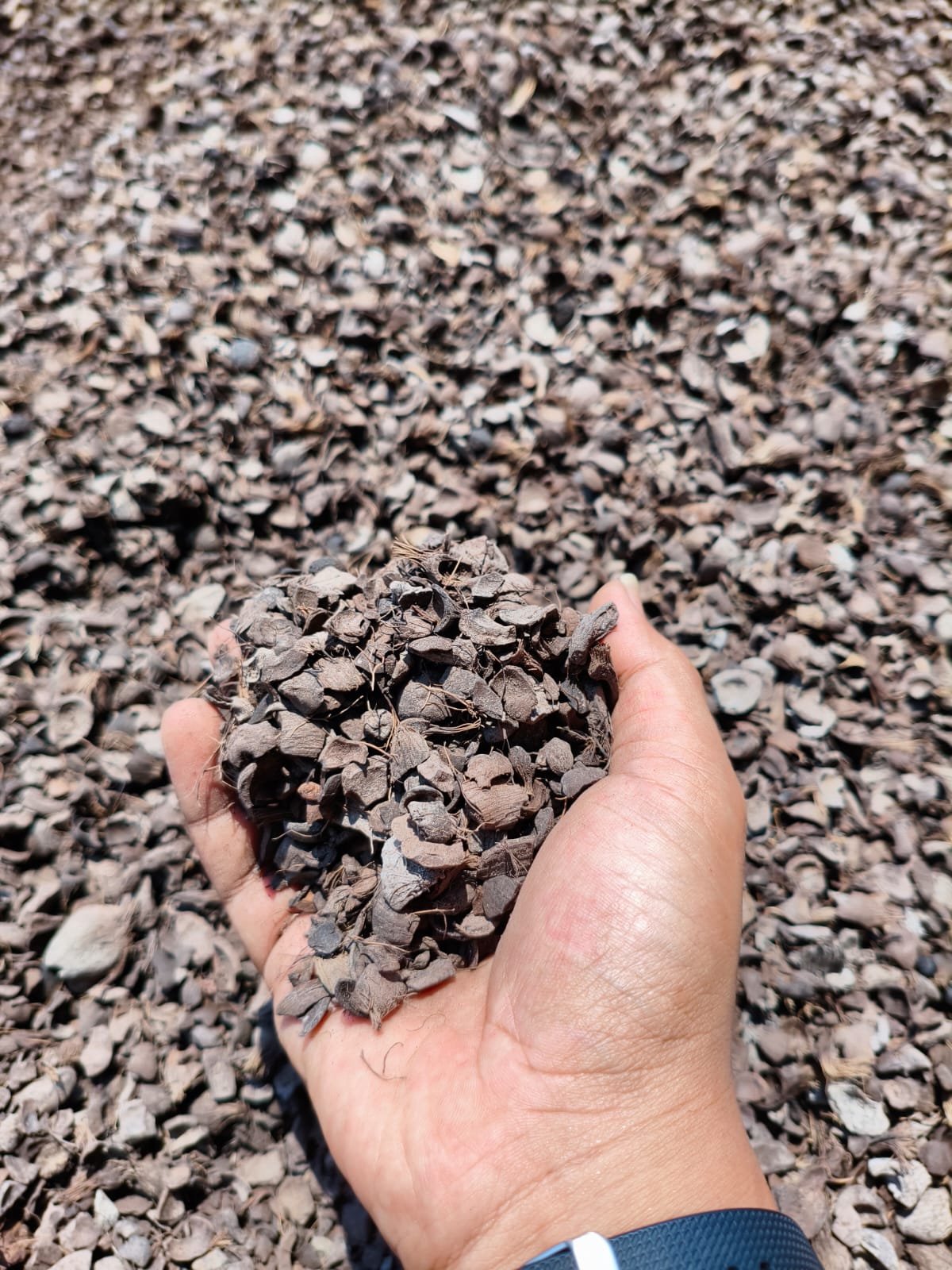
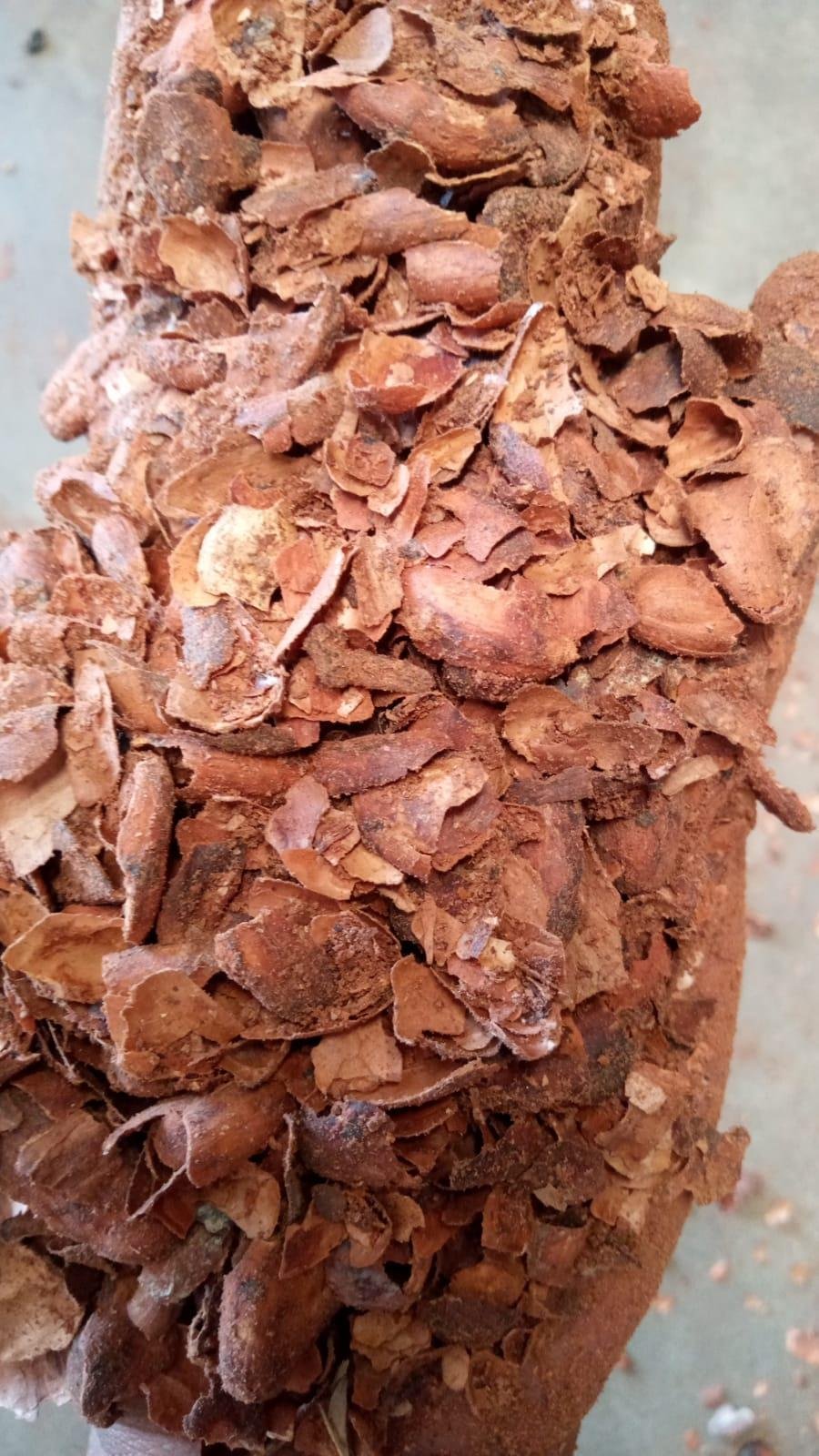
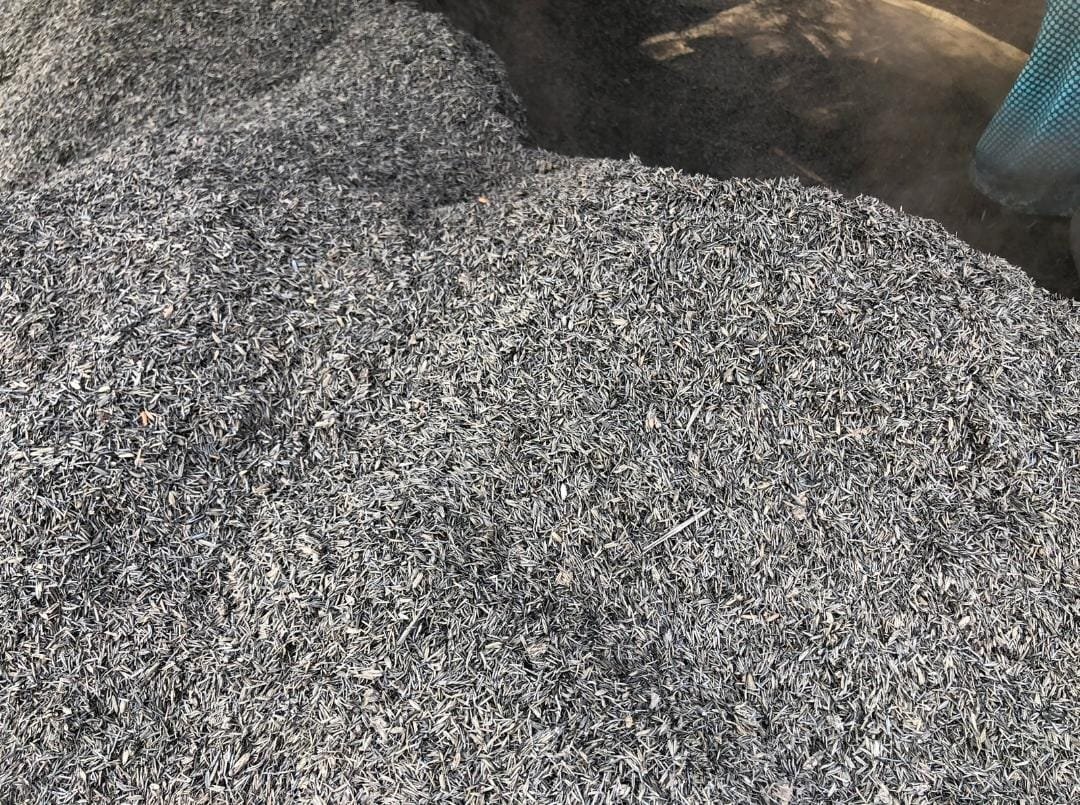
Rice husk ash is the residue left after burning rice husks, the fibrous by‑product of milling. In Indonesia, this material is abundant, especially in Gresik where rice production is a staple. The ash retains the silica content of the husk, typically 14.5% in raw husk and up to 92% in our Pure White RHA variant. Because it is a by‑product, it is inexpensive compared to mined silica. When processed properly, the ash’s particle size can be controlled to match the needs of concrete or cement manufacturers. This real‑world availability makes RHA a reliable raw material for large‑scale operations.
Using rice husk ash diverts waste from landfills, reducing methane emissions that would otherwise arise from decomposition. Each tonne of RHA replaces about 200 kg of limestone, cutting CO₂ emissions by roughly 1.5 tonnes per 1,000 kg of concrete. The low moisture content (around 9.5%) means less energy is needed for drying, saving fuel for transport. From a life‑cycle perspective, the ash’s high silica content improves the strength of concrete, allowing for thinner sections and thus lower material use. In practice, many of our clients have reported a 10‑15% reduction in their overall carbon footprint by switching to RHA.
Steel mills across East Java use Mid‑C RHA as a partial substitute for blast‑furnace slag, benefiting from its high silica and low carbon. Cement plants integrate High‑C RHA to boost the hydraulic activity of clinker, reducing the need for supplementary cementitious materials. Construction firms in Jakarta are now adopting Pure White RHA to produce high‑strength, low‑permeability concrete for commercial towers. Even the renewable energy sector uses RHA in activated carbon production for water treatment, leveraging its high fixed carbon content of 34.8%. In practice, these diverse applications underscore the versatility of RHA across sectors.
When purchasing bulk RHA, consider the moisture level; 9.5% is optimal for transport without clumping. Pricing varies with silica content: Mid‑C RHA averages IDR 3.5 million per tonne, while Pure White RHA can reach up to IDR 5 million. Shipping from Gresik to Surabaya typically takes 3‑4 days via rail or truck. From our experience, buyers often overlook the importance of certification; we provide third‑party lab reports for every shipment. Bulk contracts also benefit from volume discounts, so negotiate for long‑term supply if you plan large‑scale use.
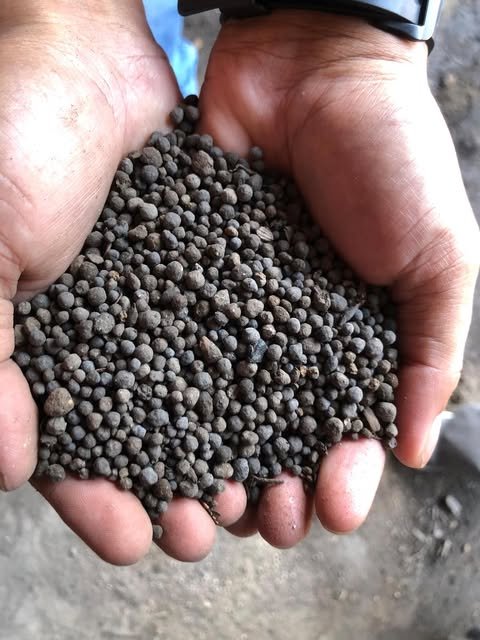
Rice Husk Natural: 3,105 kcal/g, moisture 9.5%, SiO₂ 14.5%, bulk density 100‑120 kg/m³. Mid‑C RHA: SiO₂ ≥80%, carbon 5‑15%, ash 84.3%. High‑C RHA: fixed carbon 34.8%, SiO₂ 67.6%. Pure White RHA: SiO₂ ≥92%. For fertiliser use, our composted rice husk delivers N 1.2%, P₂O₅ 0.8%, K₂O 1.5%. Each batch is tested for heavy metals, ensuring compliance with Indonesian regulations.
PT ABA Help Desk