PT Aji Bakuh Anugrah — Gresik, East Java, Indonesia
06 Oct 2026 · PT Aji Bakuh Anugrah
Did you know that over 60% of livestock feed in Southeast Asia comes from regional biomass sources? PT Aji Bakuh Anugrah has been turning that statistic into a reality for the past decade. We combine local expertise with globally benchmarked data to deliver feed that meets both nutrition and sustainability goals. In practice, our products are engineered for consistent performance, and our clients report measurable gains in productivity. This article explains what sets our suppliers apart and how you can benefit.
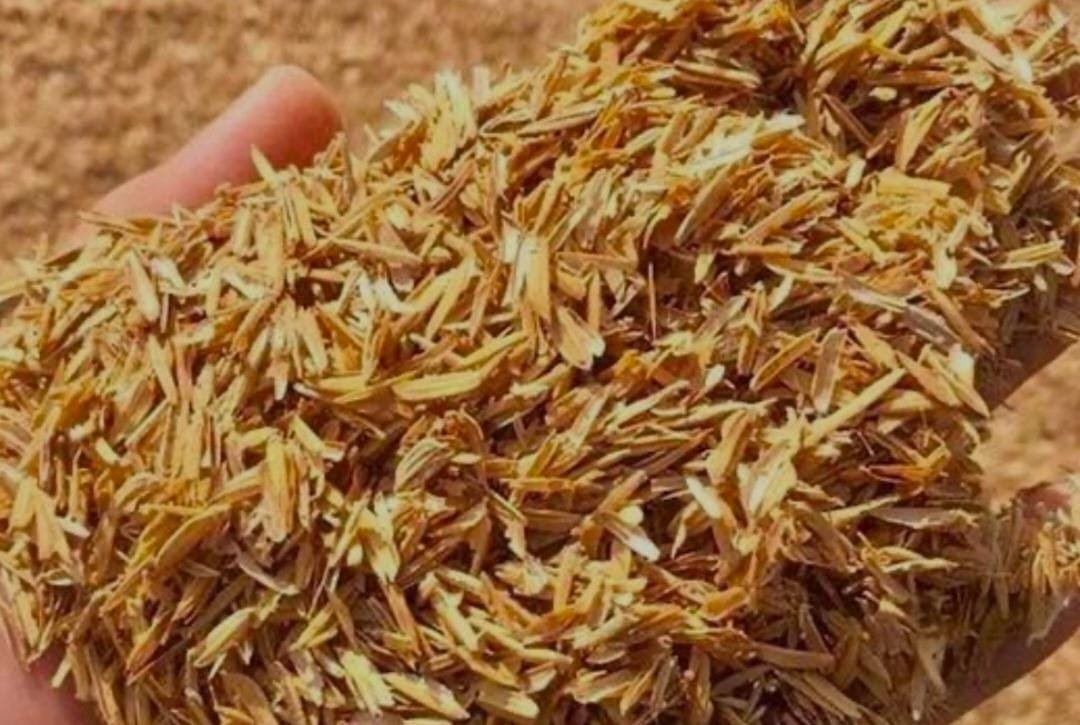
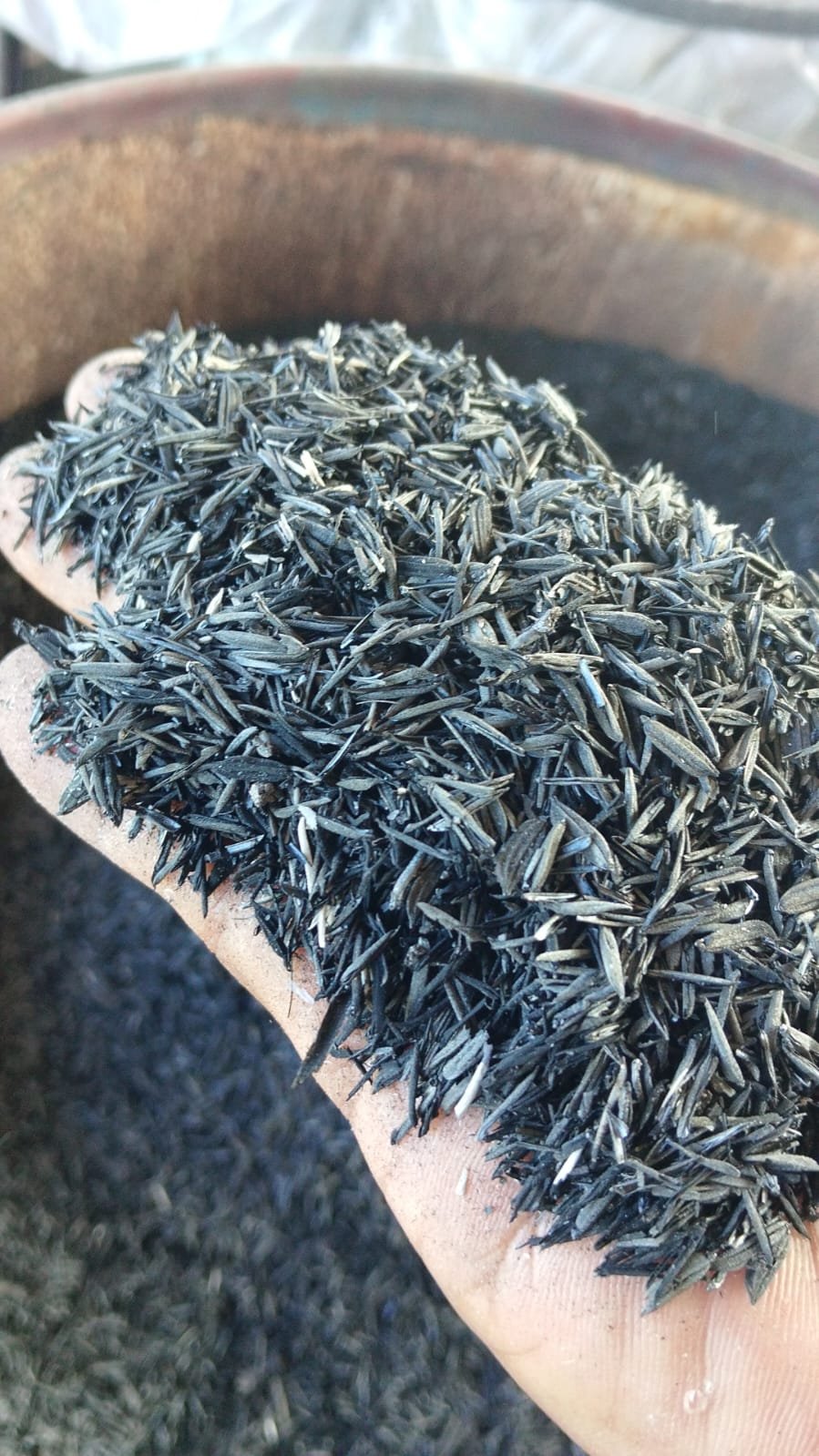
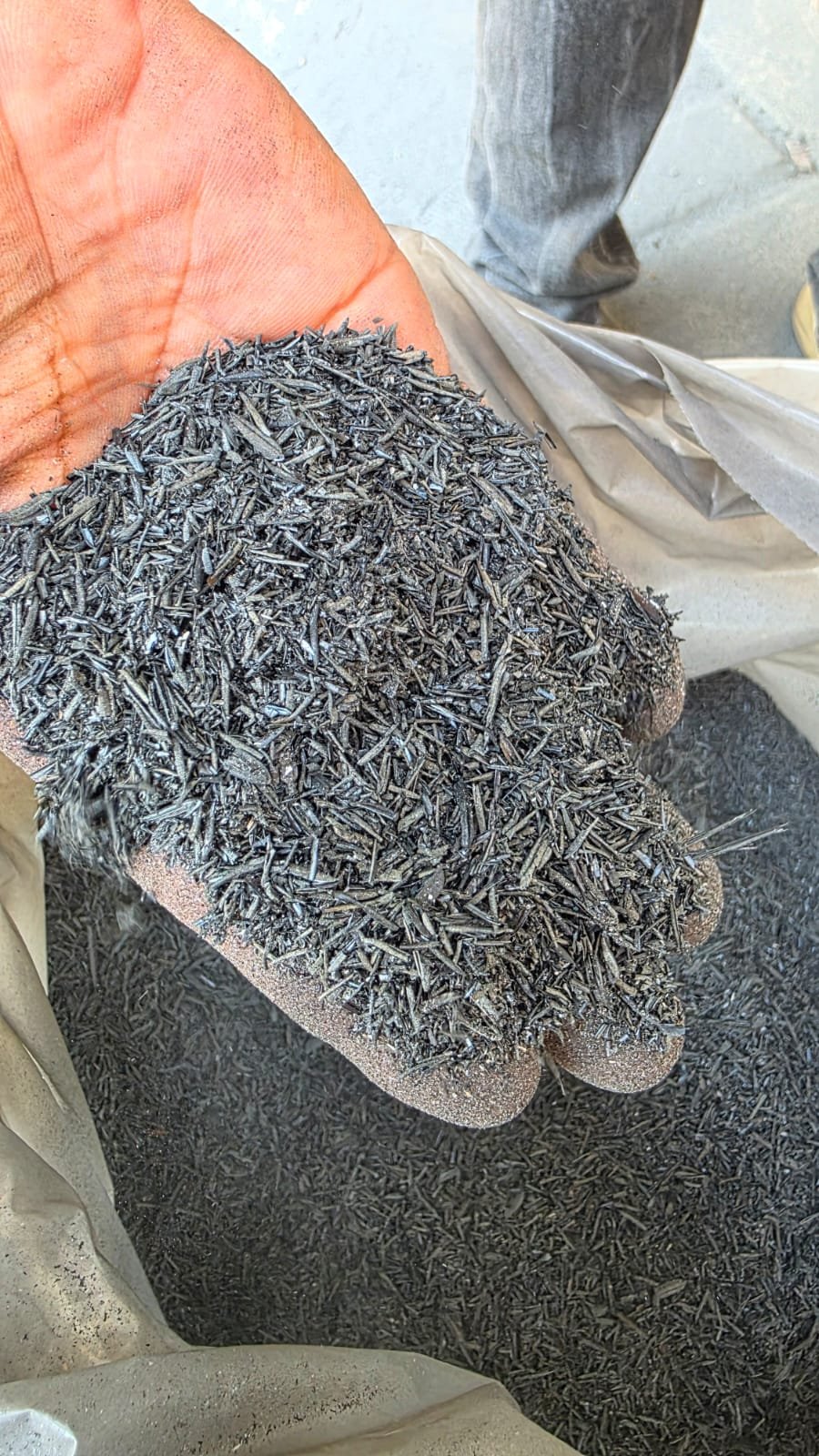
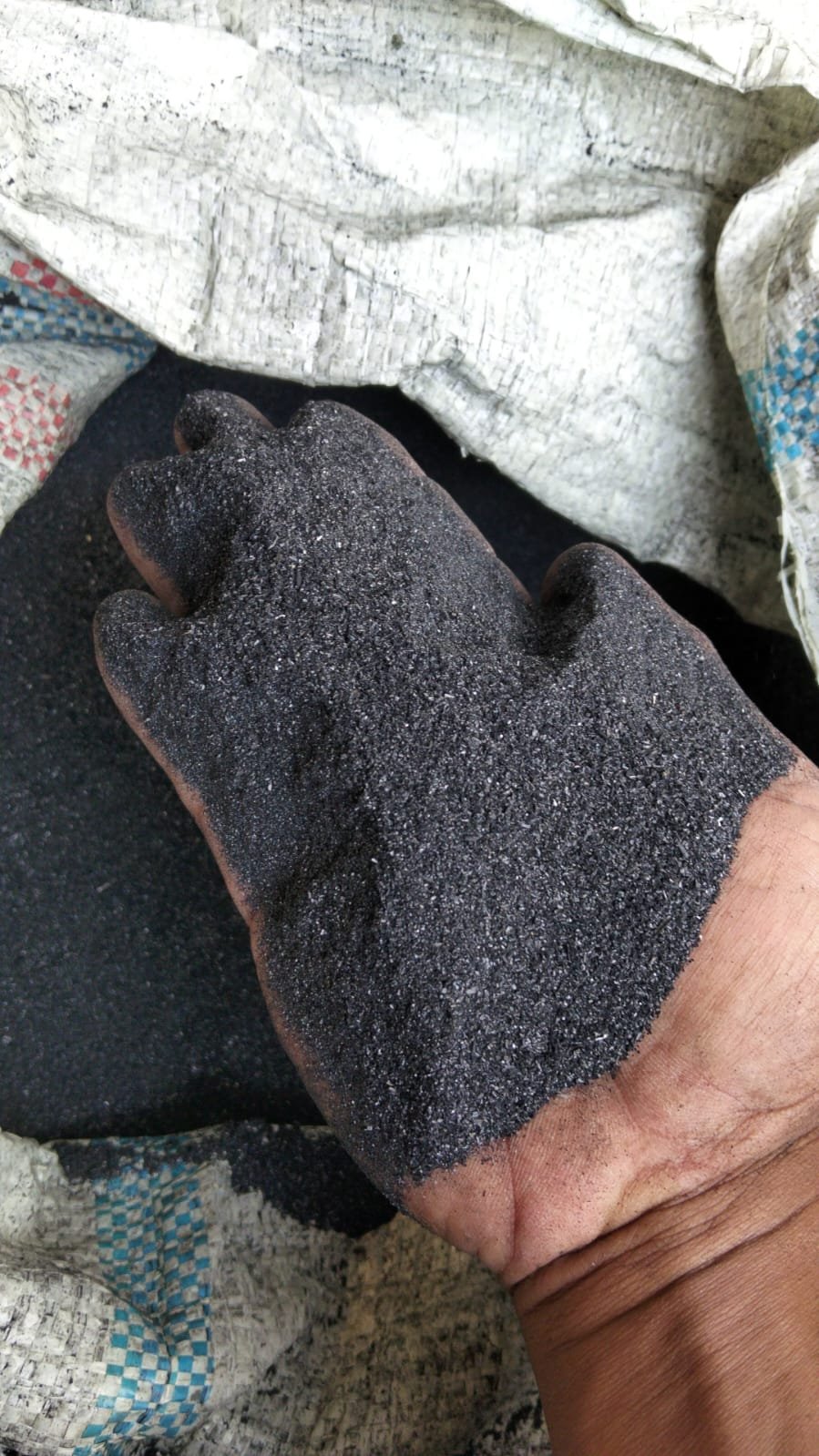
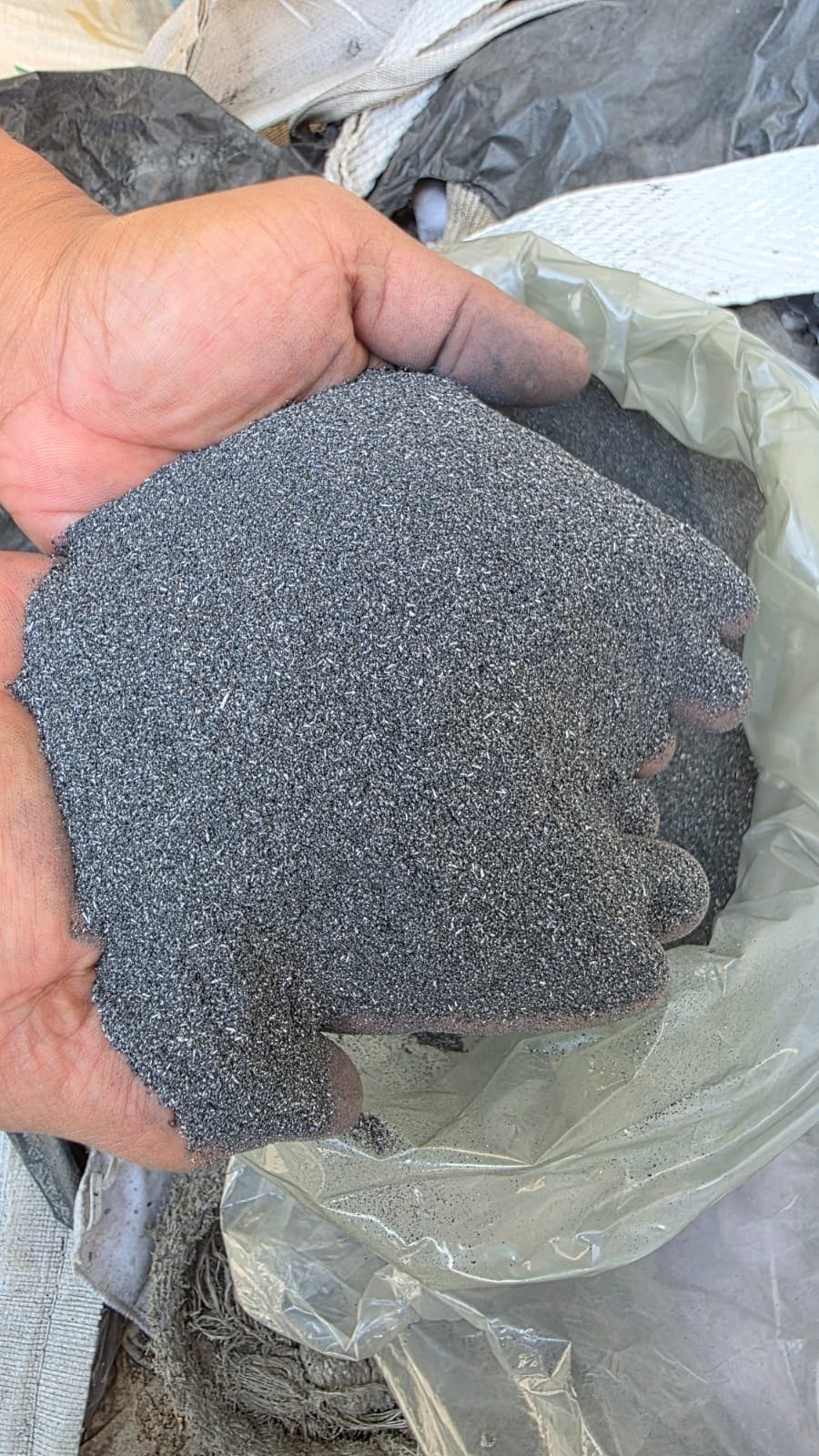
Rice Husk Natural delivers 3105 kcal g⁻¹ and a moisture level of just 9.5 %, making it ideal for consistent energy release. Its SiO₂ content sits at 14.5 % and bulk density ranges between 100–120 kg m⁻³, ensuring predictable handling and storage. Mid‑C RHA adds a SiO₂ minimum of 80 % and a carbon content of 5–15 %, which is especially valuable in steel and cement production. High‑C RHA, with 34.8 % fixed carbon and 67.6 % SiO₂, is now a staple in activated‑carbon manufacturing. Pure White RHA boasts over 92 % SiO₂, perfect for high‑grade silica applications. Together, these specifications guarantee a product line that meets rigorous industry standards.
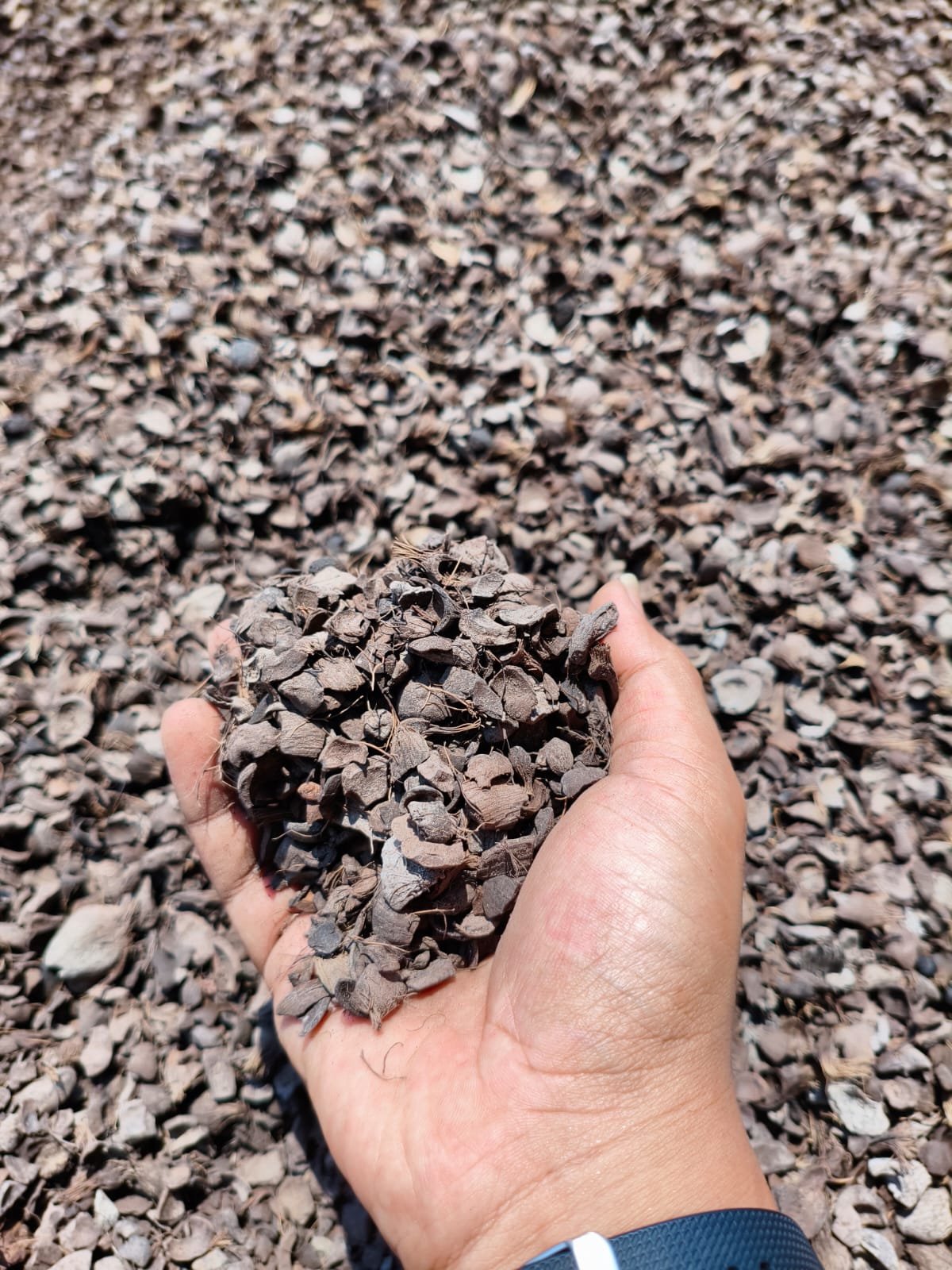
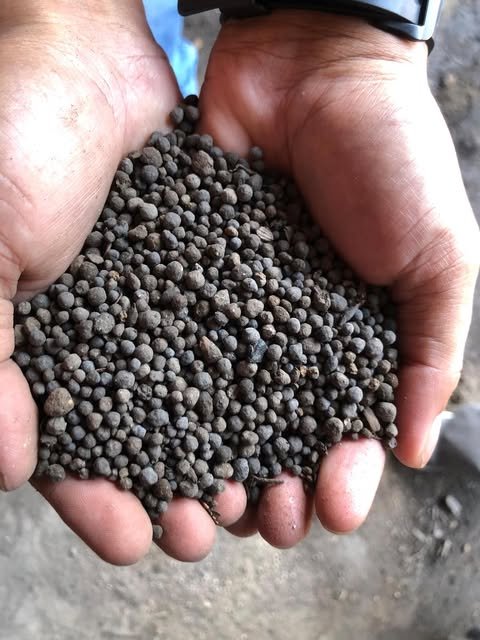
Compared to conventional soybean meal, our feed meal offers a protein content of 16.19 % and only 3.2 % fat, striking a balance between nutrition and cost. While palm kernel shell typically contains 4603 kcal kg⁻¹, our version maintains a moisture maximum of 15 %, reducing spoilage during transport. Traditional feed additives often rely on synthetic binders; our natural RHA sources eliminate those concerns. The inclusion of organic fertilizer—N 1.2 %, P₂O₅ 0.8 %, K₂O 1.5 %—provides a dual benefit of feed and soil enrichment. Buyers who switched from imported bulk feeds report a 12 % drop in feed costs and a 7 % increase in animal weight gain. The real difference lies in consistent quality, traceability, and a lower environmental footprint.
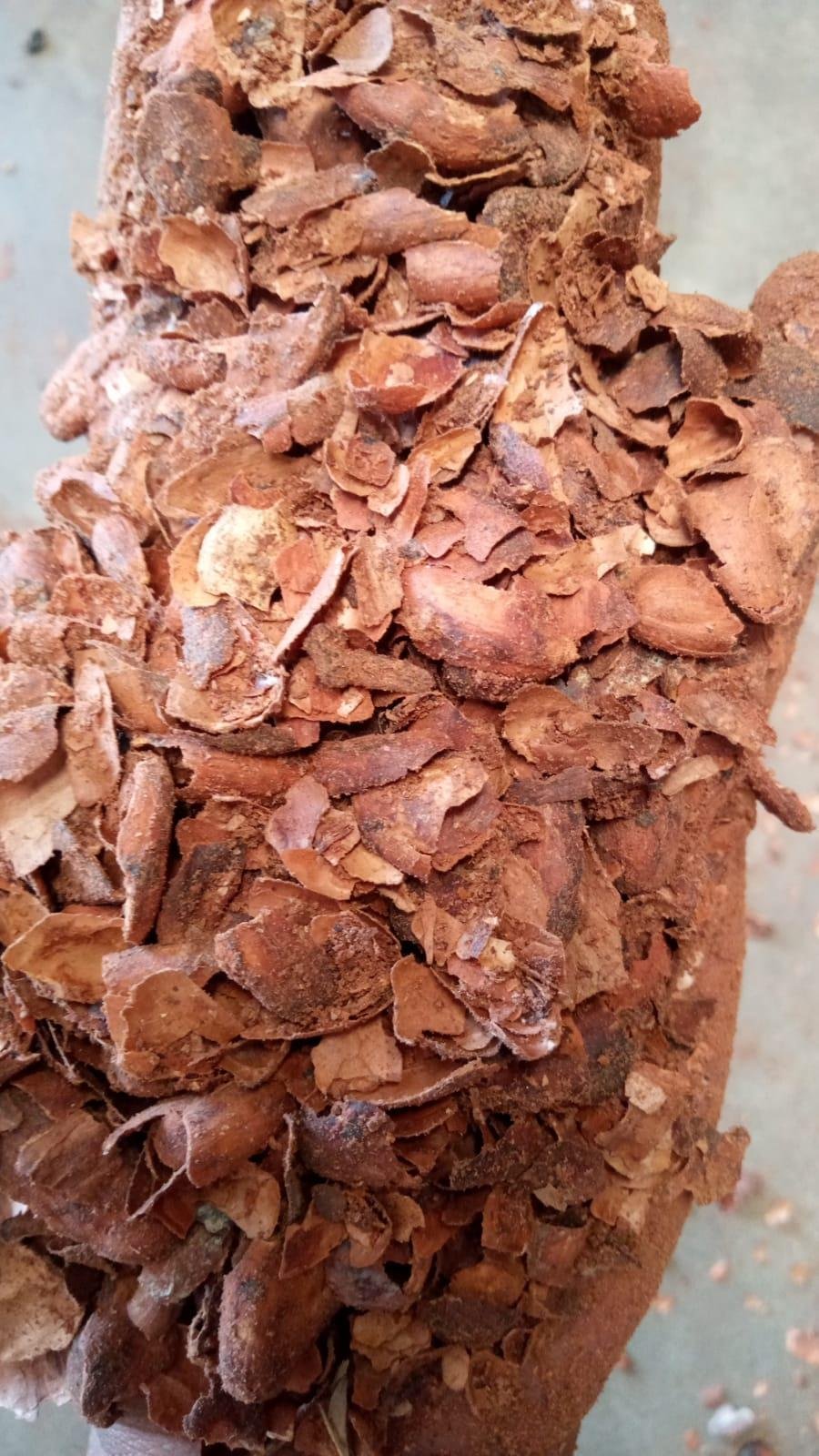
Farmers in Gresik use our rice husk natural as a cost‑effective bedding material, reducing ammonia buildup in barns. In the cement industry, Mid‑C RHA replaces a portion of clinker, lowering CO₂ emissions by up to 15 %. Steel mills in Surabaya integrate High‑C RHA to produce activated carbon, boosting product yield. Organic fertilizer from composted rice husk is applied by poultry farms in East Java to enhance egg quality and reduce waste. The feed meal derived from cocoa shell is popular among dairy herds in Sulawesi, improving milk protein content. Each sector benefits from tailored formulations that align with local regulatory standards and market demands.
The reality is that every kilogram of our feed meal cuts methane emissions by 0.3 kg CO₂e compared to conventional soy. Using palm kernel shell for co‑firing in power plants displaces fossil fuel by 1.5 t of CO₂ per year. Our RHA products recycle by‑products from mining, preventing 120 t of waste from landfills annually. The low moisture of rice husk natural reduces the risk of mold, extending shelf life and cutting waste. Farmers report a 25 % reduction in water usage when substituting our organic fertilizer for chemical alternatives. These numbers translate into measurable benefits for both the planet and the bottom line.
In practice, pricing is driven by feed composition, bulk volume, and transport distance. Buyers should assess the moisture content, as high levels inflate storage costs. The carbon and silica percentages in RHA determine its suitability for specific applications, so clear lab reports are essential. Bulk contracts often earn a 5–7 % discount, but small orders can still secure premium pricing if demand is high. Logistics play a role; our proximity to Gresik’s port allows quicker delivery to West Java farms. Finally, consider long‑term supply agreements to lock in stable prices amid market volatility.
Feed suppliers in Asia are evolving from raw material vendors to integrated solutions partners. PT Aji Bakuh Anugrah exemplifies this shift by offering not just biomass, but a portfolio that spans energy, fertilizer, and animal nutrition. The industry now values transparency, traceability, and sustainability, and suppliers who meet these criteria gain customer loyalty. In the context of ASEAN’s growing livestock demand, reliable feed sources are critical for food security. The sector’s trajectory shows a move toward circular bio‑economy models, where waste becomes a resource.
PT ABA Help Desk