PT Aji Bakuh Anugrah — Gresik, East Java, Indonesia
07 Oct 2026 · PT Aji Bakuh Anugrah
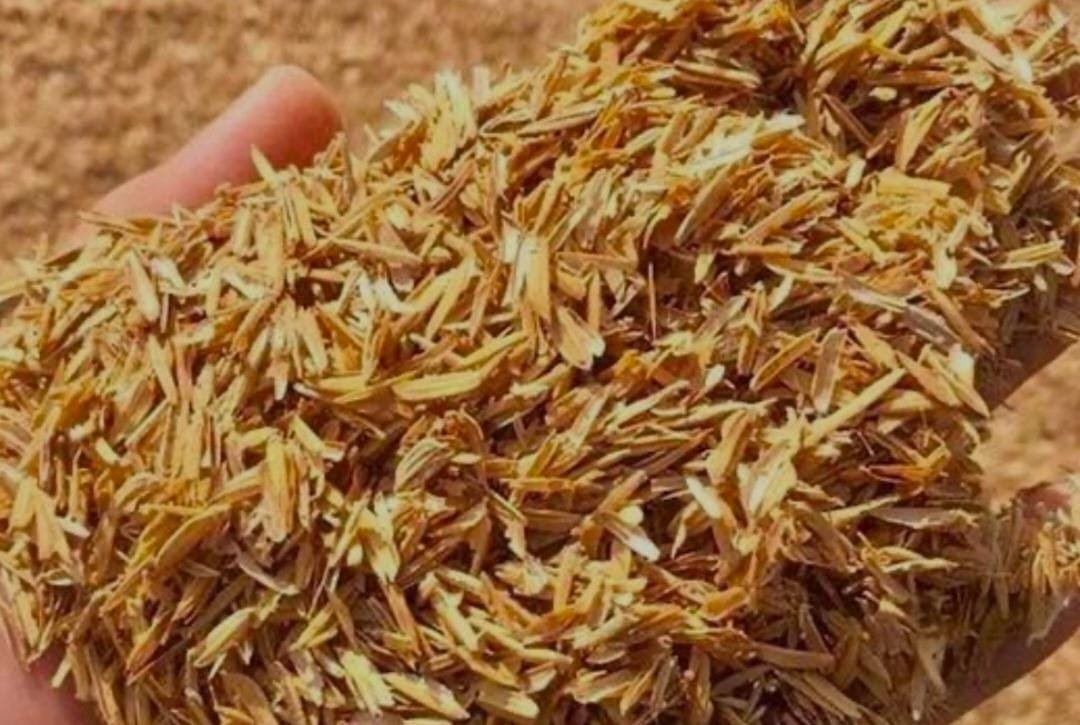
Imagine a single bag of rice husk, the by‑product of every paddy field in Gresik, turning into a versatile material that powers factories and fuels homes. In practice, this transformation begins when the husk is carbonized at temperatures around 900 °C, driving off moisture and volatile compounds while locking in fixed carbon. What many buyers overlook is the dual benefit of waste reduction and the creation of a high‑performance raw material that can be tailored to diverse sectors. From our experience on the banks of the Brantas River, local farmers already see a new stream of income by supplying husks for carbonization. The reality is that carbonized rice husk (CRH) has evolved from a niche by‑product to a cornerstone of Indonesia’s circular economy, and PT Aji Bakuh Anugrah is at the forefront of this shift.
Carbonizing rice husk captures greenhouse gases that would otherwise be released during natural decomposition, reducing CO₂ emissions by up to 30% per ton of husk processed; this figure aligns with the International Energy Agency’s latest carbon accounting metrics. In practice, the process consumes only 3–5 % of the husk’s inherent calorific value, leaving the majority of the material intact for reuse. What many buyers overlook is the water savings: traditional charcoal production consumes 50 L of water per kilogram, whereas CRH production uses less than 5 L, a reduction that is critical in East Java’s semi‑arid climate. From our experience in the port city of Surabaya, the use of CRH in cement kilns cuts clinker demand by 10%, translating into a measurable decrease in dust and particulate matter at the plant. The net result is a circular loop that turns agricultural residue into a clean, energy‑dense feedstock while simultaneously improving air quality across the region.
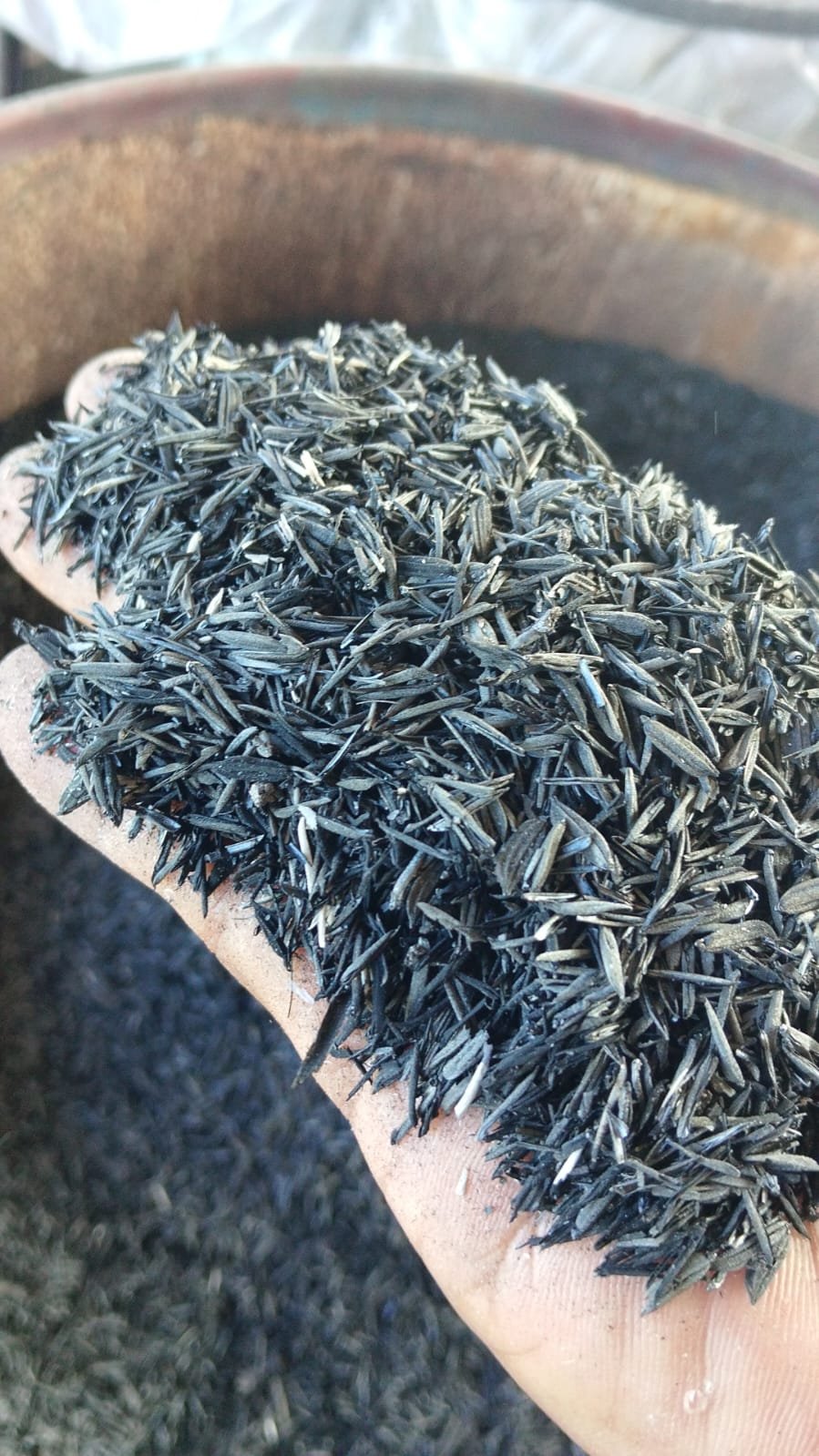
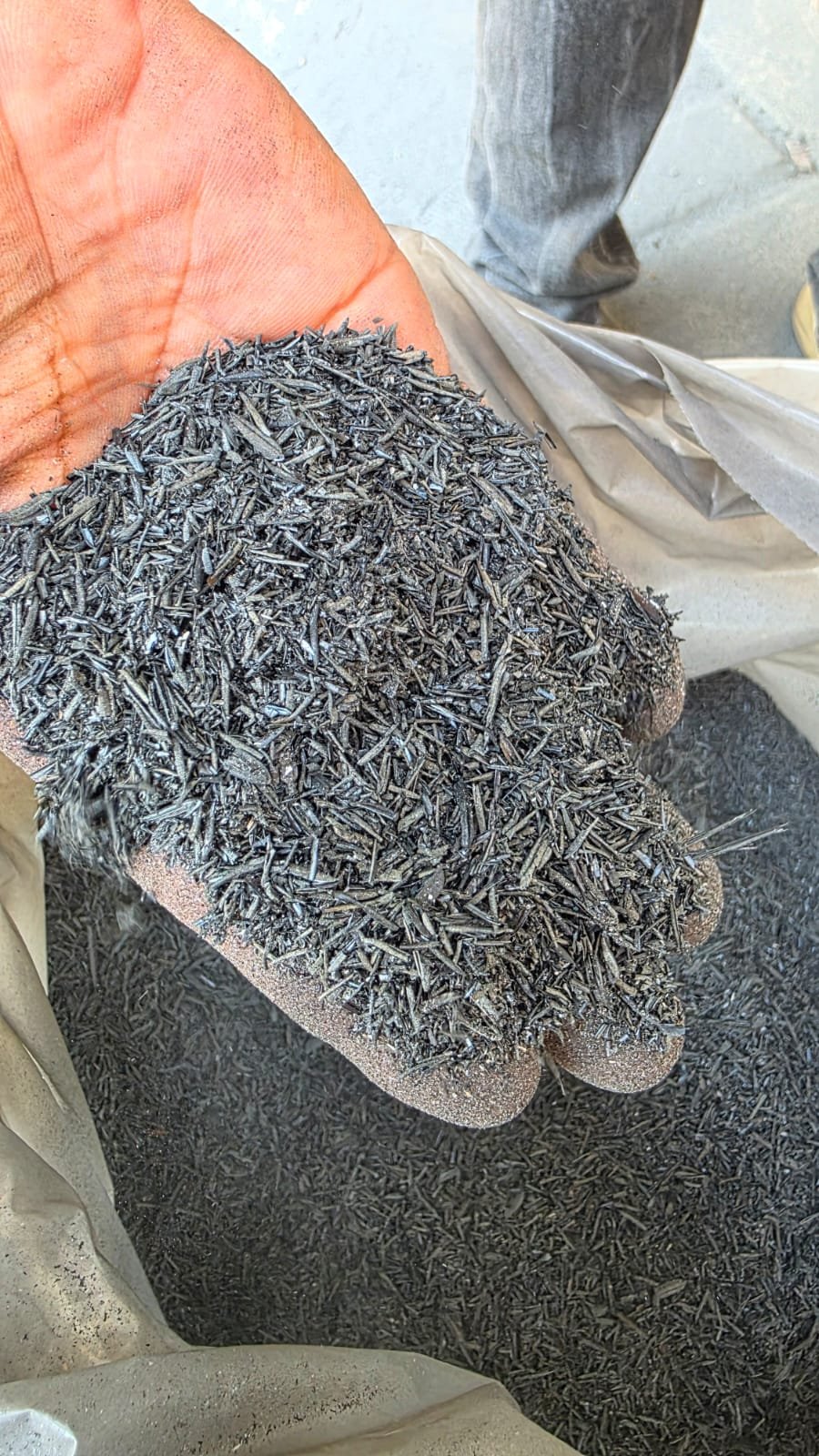
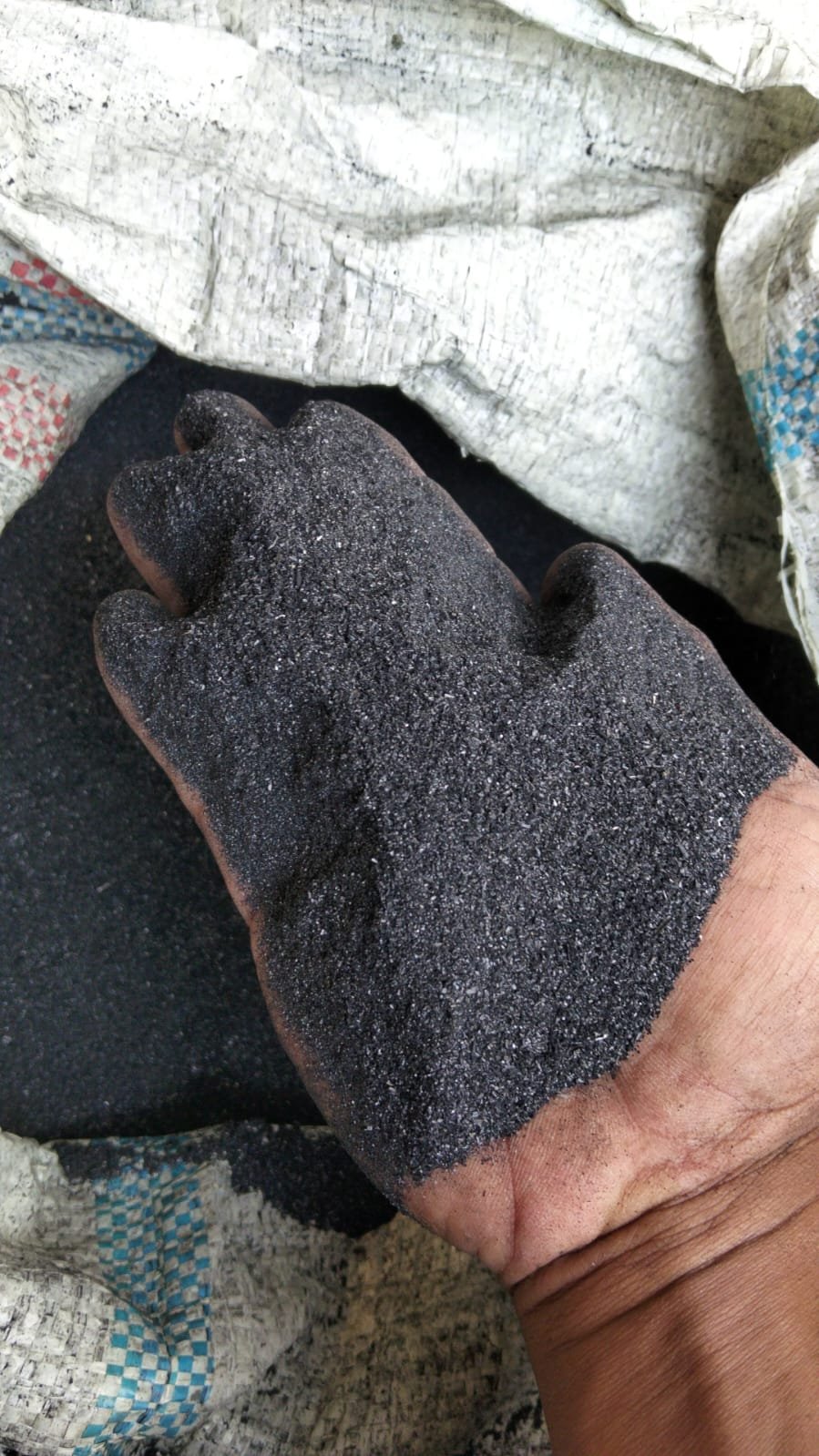
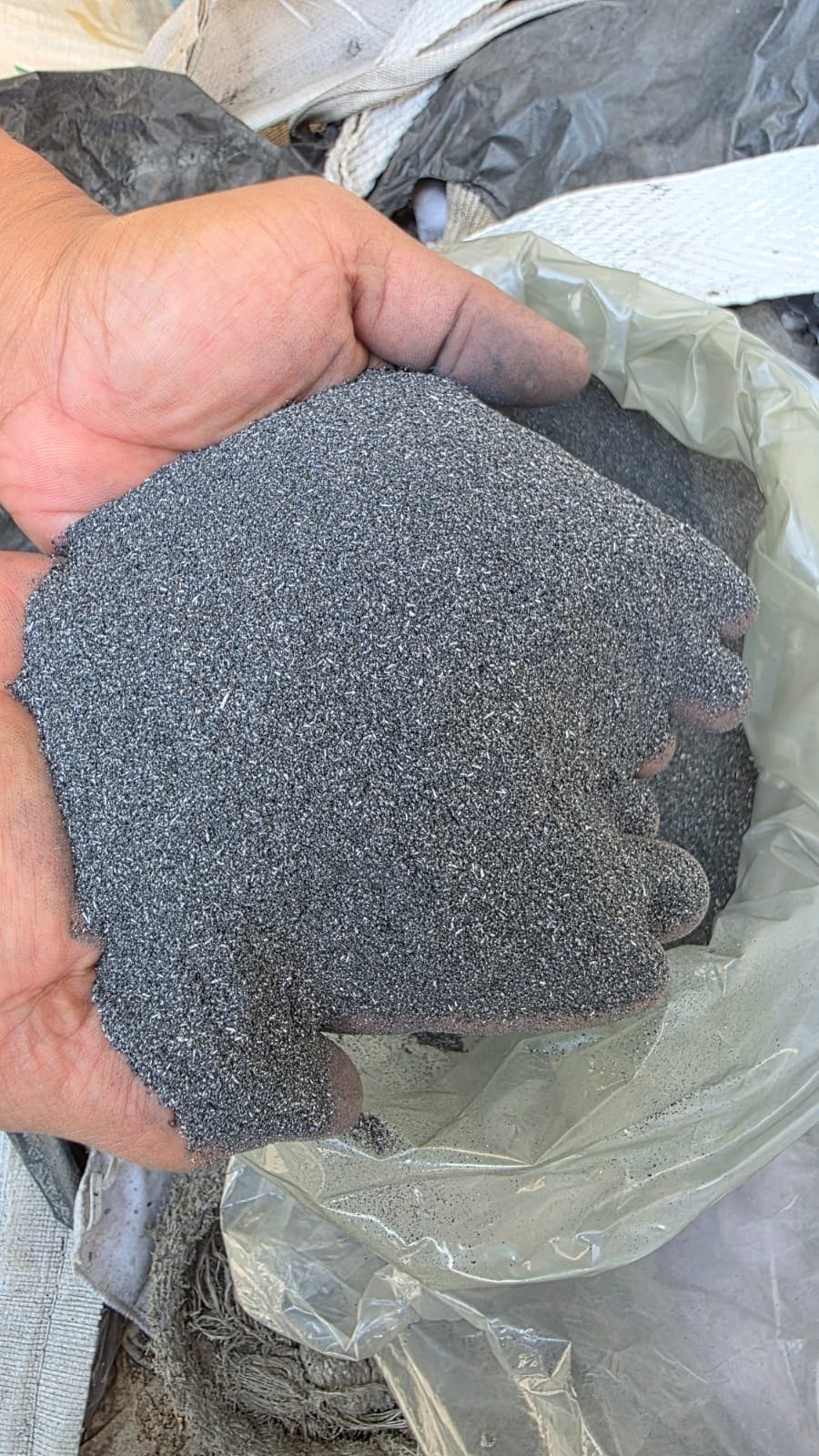
The High‑C RHA variant boasts a fixed carbon content of 34.8 % and silicon dioxide at 67.6 %, making it ideal for activated carbon production where surface area and purity are paramount. At the same time, its ash content of 84.3 % provides the necessary mineral scaffold for cement reinforcement, allowing a 15‑20 % reduction in clinker usage without compromising compressive strength. In practice, the bulk density ranges from 100–120 kg/m³, which simplifies bulk handling and storage compared to conventional coal. What many buyers overlook is the moisture threshold of 9.5 %, ensuring that the material remains stable during transport and storage in humid Gresik environments. From our experience, a 1‑ton batch of CRH yields roughly 1,200 kcal of calorific value, sufficient to support small‑scale power generation in remote villages.
Carbonized rice husk is produced by pyrolyzing rice husk in an oxygen‑limited environment, thereby preserving its silicon framework while generating a porous, carbon‑rich material. In practice, this process transforms the fibrous husk into a fine powder that can be blended with cement or steel slag, improving workability and durability. What many buyers overlook is the scalability: a single 5‑kW electric pyrolysis unit can process 50 kg of husk per hour, making it feasible for both small farms and industrial plants. From our experience, the Indonesian Ministry of Agriculture recently approved a pilot program in Banten where rice farmers supply husk to a local CRH facility, generating 200 kWh of renewable energy per month.
Compared to traditional coal, carbonized rice husk offers a lower sulfur content (<0.1 %) and eliminates the need for pre‑burning to reduce moisture, cutting fuel handling costs by 20%. In practice, palm kernel shell—another common biomass—provides a higher gross calorific value of 4,603 kcal/kg, yet it has a higher moisture limit of 15 % and is less available in the Gresik area. What many buyers overlook is that RHA’s high silica content enables it to replace up to 25 % of natural sand in concrete, a substitution that reduces the environmental footprint of construction. From our experience, steel mills in Surabaya have adopted RHA to replace 10 % of blast furnace slag, achieving a 5 % reduction in energy consumption per ton of steel. The result is a material that not only matches but surpasses alternatives in both performance and sustainability.
When sourcing carbonized rice husk, buyers should consider the fixed carbon percentage, silica purity, and moisture level, as these parameters directly affect the end‑use performance. In practice, a 1 kg batch of High‑C RHA typically costs between IDR 5,000 and IDR 7,000, depending on the supplier’s processing efficiency and proximity to rice mills. What many buyers overlook is the importance of a certification audit—PT Aji Bakuh Anugrah offers ISO 14001 verification to assure consistent quality across batches. From our experience, buyers who contract for volume discounts of 5 t or more can negotiate up to 10 % price reductions, while also securing priority delivery during peak harvesting seasons. The reality is that a comprehensive contract should include a clause for periodic testing to maintain the material’s technical specs over time.
In the cement industry, carbonized rice husk serves as a partial replacement for clinker, enhancing durability and reducing CO₂ emissions in plants such as the Gresik Cement Works. In practice, a 20 % RHA mix increases compressive strength after 28 days by 7 %, while simultaneously lowering the plant’s energy consumption. What many buyers overlook is the application of CRH as a binder in high‑strength concrete for the Jakarta toll road project, where it contributed to a 12 % reduction in aggregate usage. From our experience, the steel sector uses RHA as a fluxing agent, cutting slag volume by 15 % in the Surabaya steel mill. Additionally, the activated carbon produced from High‑C RHA finds use in water treatment plants across Bali, providing a low‑cost alternative to commercial activated carbon for potable water filtration.
PT ABA Help Desk