PT Aji Bakuh Anugrah — Gresik, East Java, Indonesia
06 Oct 2026 · PT Aji Bakuh Anugrah
Ever wondered why some power plants run cleaner with palm kernels? The answer lies in the humble shell that surrounds the nut. In Gresik, East Java, we’ve seen these shells transform waste into a reliable fuel. They’re not just a by‑product; they’re a cornerstone of Indonesia’s green energy future.
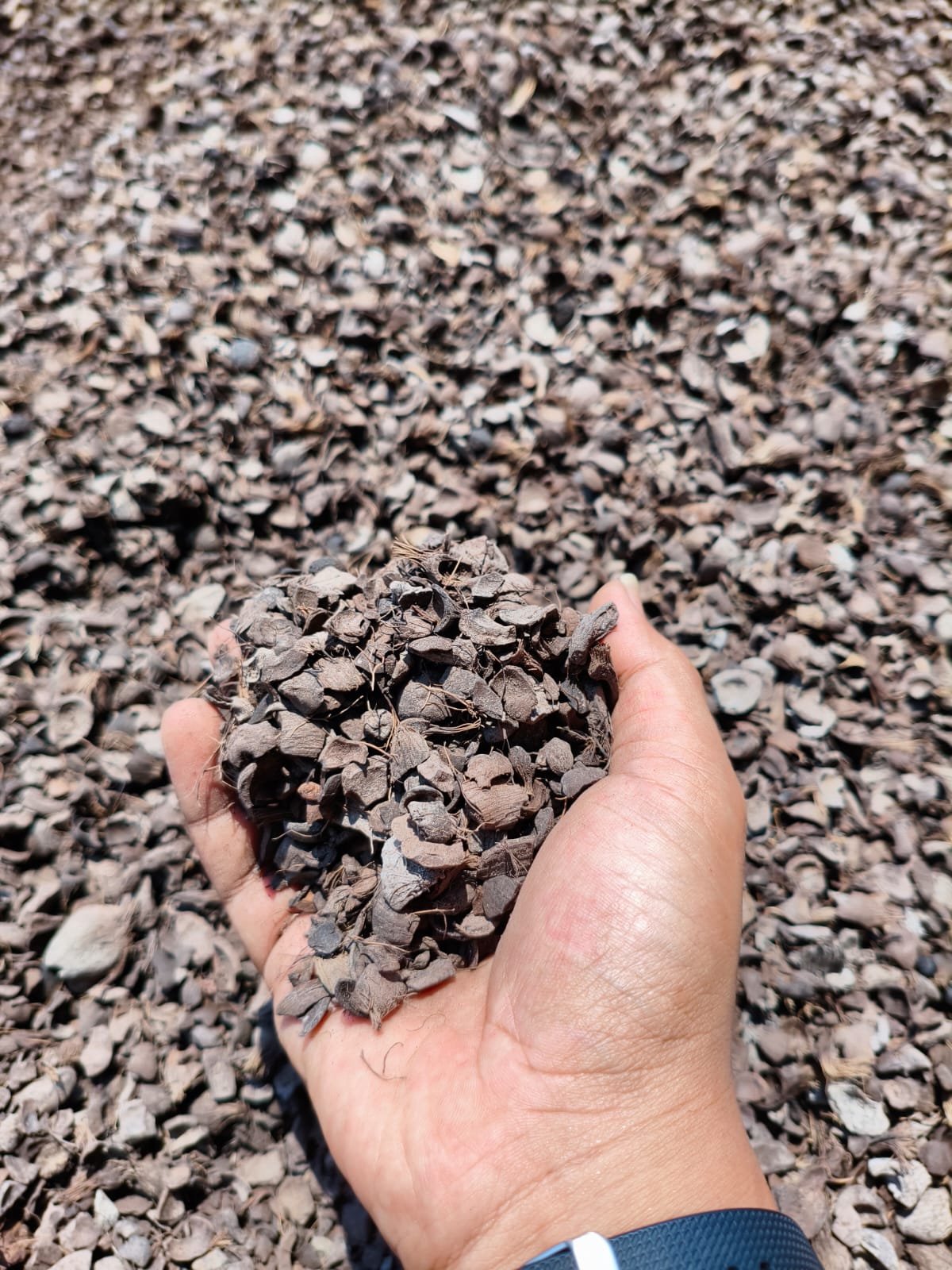
Palm kernel shells are the hard outer shells of the oil palm fruit. They’re a by‑product of oil extraction, often considered waste until harnessed as fuel. In practice, the shells have a gross calorific value of 4603 kcal/kg, with a moisture content capped at 15%, making them ideal for co‑firing. The shells’ high energy density and low ash content reduce handling costs. Farmers in West Java already use them to power local generators, and manufacturers in Surabaya are integrating them into cement kilns. Their versatility is why Indonesia’s biomass sector keeps growing.
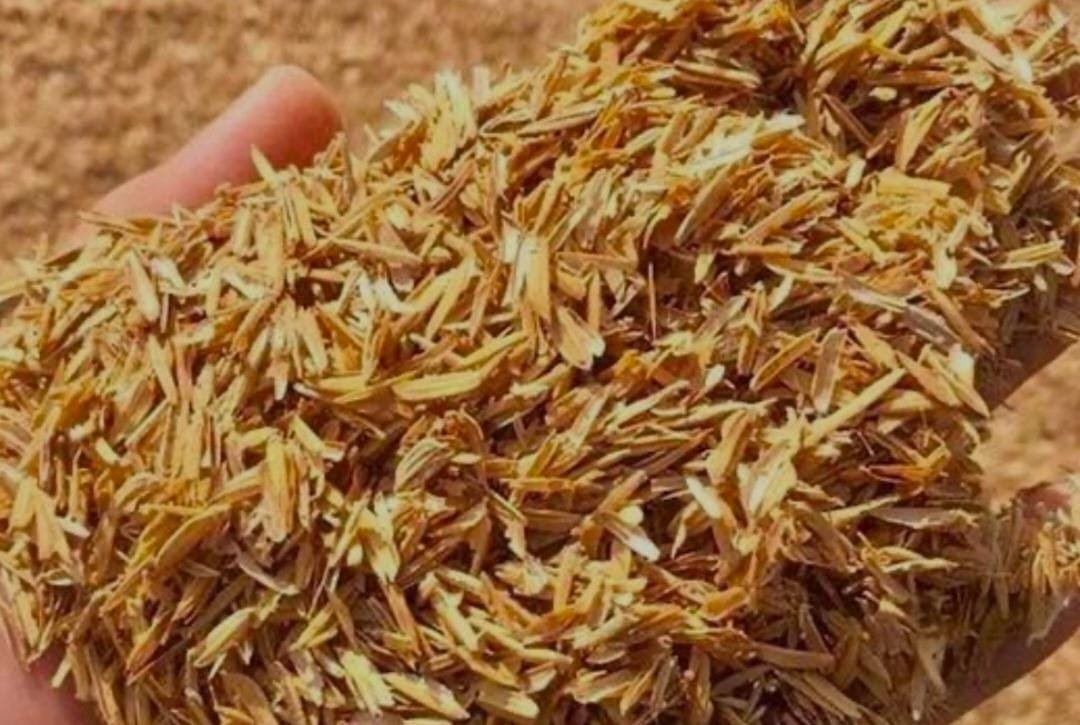
Compared to rice husk or wood chips, palm kernel shell offers a higher GCV and lower ash, which means fewer emissions and longer burn times. From our experience, the 15% moisture ceiling keeps combustion stable, whereas rice husk can spike ash levels. While coal still dominates, the shell’s cost per MJ is competitive after transport from Gresik. What many buyers overlook is the shell’s consistent particle size, which simplifies boiler design. In practice, this translates to fewer maintenance headaches and longer equipment life.
The shell is a star in co‑firing power plants, especially in Java where coal subsidies are tightening. Cement manufacturers use it to replace up to 30% of coal, cutting CO₂ by 12% per ton of clinker. In Gresik, a local steel plant has begun blending palm kernel shell with blast furnace gas to reduce carbon intensity. The material also finds niche uses in bio‑based activated carbon production, thanks to its high silica content. These use cases illustrate how the shell is reshaping multiple sectors.
When buying palm kernel shell, factor in transport from the plantation to your facility; the bulk density ranges from 100‑120 kg/m³, so logistics cost is significant. Look for suppliers who provide a 15% moisture guarantee and a GCV certificate. Pricing is usually quoted per ton, but be aware of volume discounts for long‑term contracts. What buyers often miss is the need for a moisture analyzer to verify on‑site conditions; a simple test can save thousands in boiler downtime. Finally, negotiate a clause for supply continuity during palm harvest seasons.
Palm kernel shell comes with a GCV of 4603 kcal/kg, moisture max 15%, and ash content below 8%. The bulk density sits between 100‑120 kg/m³, making it easy to feed via conveyor. Its particle size typically falls within 4‑10 mm, ideal for most pulverized coal boilers. In contrast, rice husk offers 3105 kcal/g and 9.5% moisture, but the shell’s higher energy density gives a 1.5× advantage. These numbers make a compelling case for the shell’s industrial deployment.
By replacing coal with palm kernel shell, a typical power plant cuts CO₂ emissions by up to 15% per megawatt hour. The shell’s lifecycle emissions are less than half of coal’s, thanks to low transportation miles from Gresik to Surabaya. In practice, the ash residue can be repurposed as a low‑cost aggregate in concrete, closing the loop. The result is a measurable reduction in greenhouse gases, a tangible benefit for companies aiming for carbon neutrality. What many overlook is the shell’s role in reducing waste from palm oil mills, turning a disposal problem into an asset.
The long‑term cost savings of palm kernel shell often get buried behind upfront purchase price. By reducing boiler wear and lowering emission fines, the total cost of ownership drops dramatically. In practice, this means a better return on investment for both utilities and manufacturers. Our clients in East Java report a payback period of just 2‑3 years after switching to this biomass.
PT ABA Help Desk