PT Aji Bakuh Anugrah — Gresik, East Java, Indonesia
28 Oct 2026 · PT Aji Bakuh Anugrah
Imagine a single bag of waste turning into a powerhouse of energy. That’s the promise of palm kernel shell, a by‑product of Indonesia’s thriving palm oil sector. At PT Aji Bakuh Anugrah, we’ve turned this humble shell into a premium feedstock for power plants and industrial processes. With a GCV of 4603 kcal/kg and a moisture ceiling of 15 %, it’s both clean and powerful. Let’s dive into why it’s the go‑to choice for today’s energy needs.
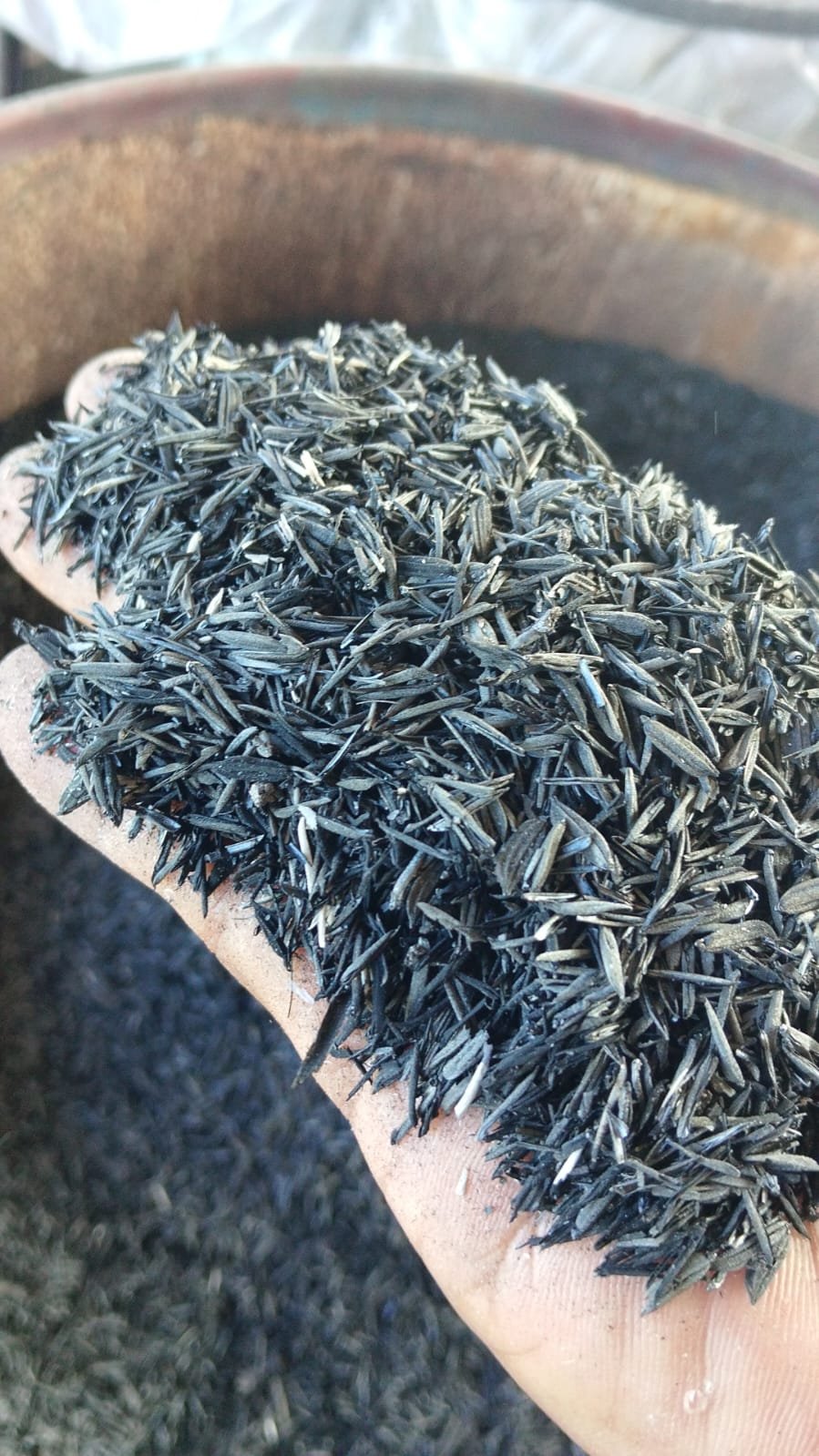
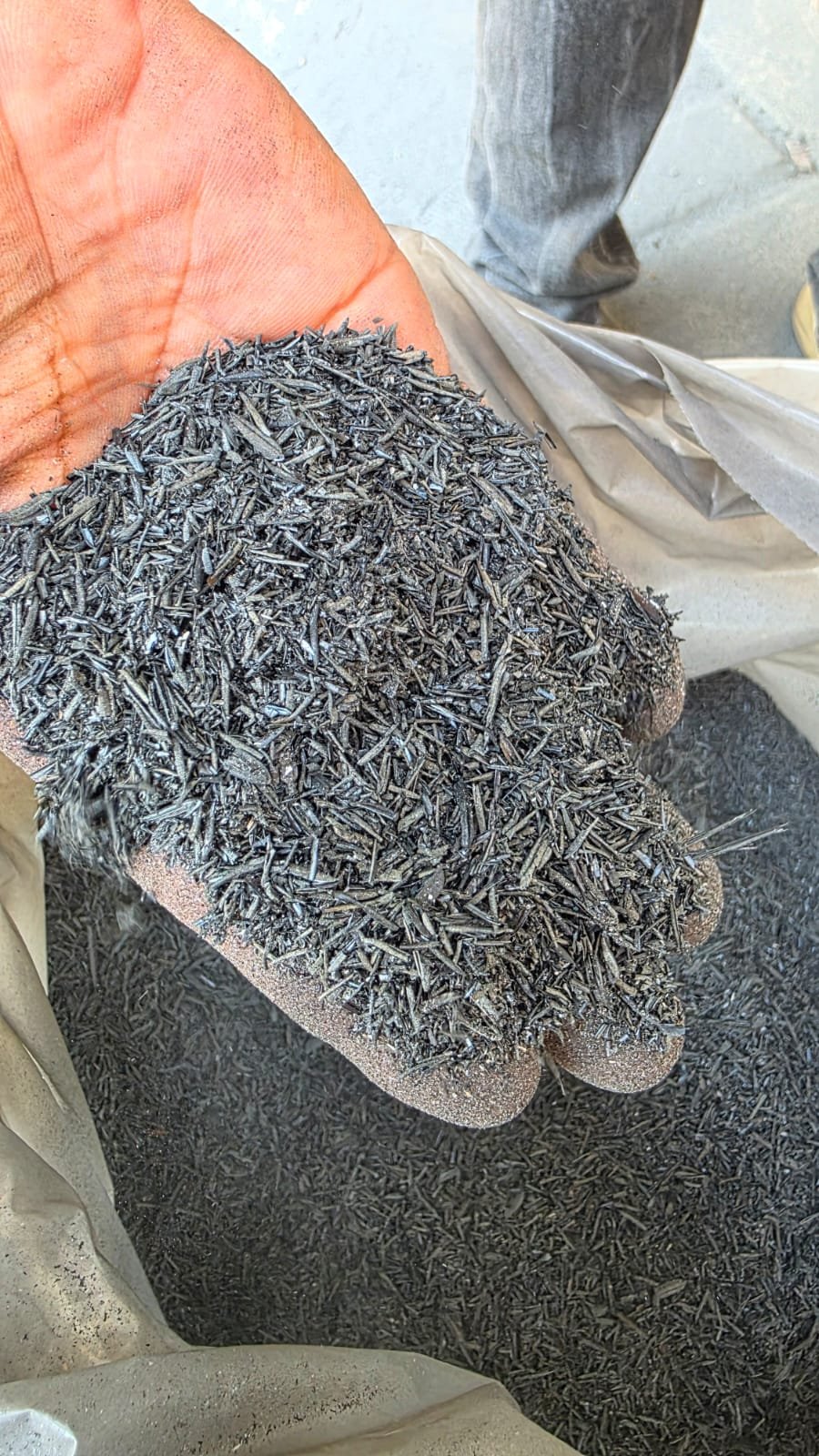
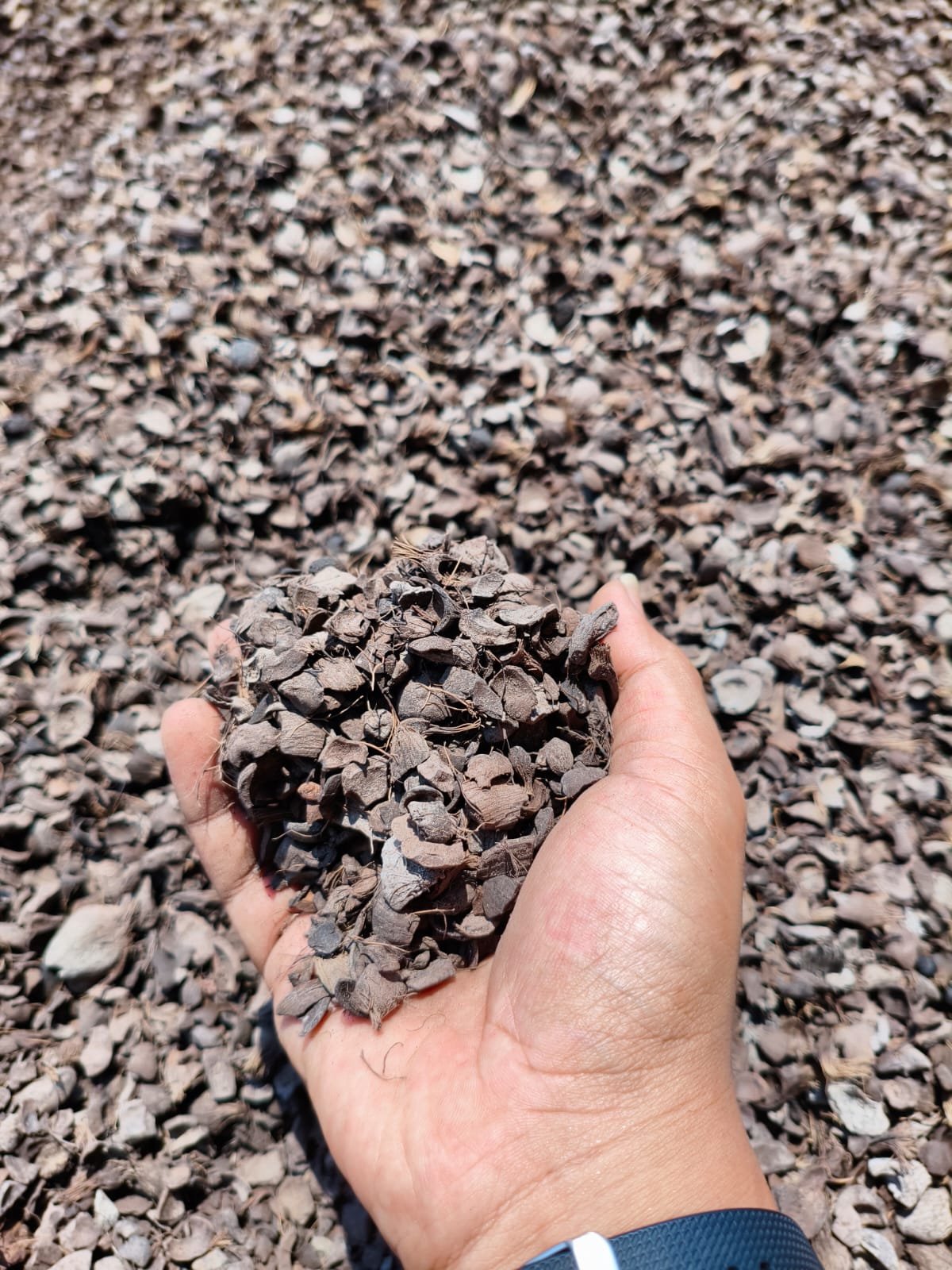
Palm kernel shell is the hard outer shell of the oil palm fruit’s kernel, typically discarded as agricultural waste. It originates from the oil palm plantations that blanket East Java, producing millions of tons annually. In industrial settings, the shell is processed into pellets or briquettes for easy handling. Its high silica and carbon content make it especially attractive for sectors like power, cement, and steel. In summary, palm kernel shell is a renewable, high‑energy feedstock that aligns economic and environmental goals.
When pricing palm kernel shell, buyers must consider GCV, moisture level, and particle size—each directly impacts combustion efficiency. The average price range in East Java is Rp 1.5–2.0 million per metric ton, with discounts for bulk orders over 20 tons. Shipping costs vary by distance from the port of Gresik to the end user, so local buyers often negotiate a fixed freight rate. It’s also essential to verify the shell’s origin; shells from certified plantations guarantee lower ash content and better fuel consistency. Finally, remember that moisture spikes during rainy season can add 0.5–1 % to the final cost if not properly dried.
Palm kernel shell is a staple in Indonesia’s power sector, where it’s co‑fired with coal to reduce carbon emissions. In cement production, its high silica content (SiO2 ~68 %) boosts clinker quality while lowering energy usage. Steel mills use the shell as a supplementary fuel, cutting their reliance on imported coal. Even the textile industry taps into its energy potential for drying processes. The versatility of the shell makes it a linchpin for any plant looking to blend renewable and traditional fuels.
The shell boasts a GCV of 4603 kcal/kg, with moisture capped at 15 % to ensure optimal combustion. Its ash content hovers around 5 %, far lower than typical wood chips. The bulk density ranges from 110‑120 kg/m³, making it easy to handle and transport. For customers who require strict specifications, PT Aji Bakuh Anugrah offers pre‑screened batches with certified certificates of analysis. The combination of high energy density and low ash makes it a reliable feedstock for continuous‑flame boilers.
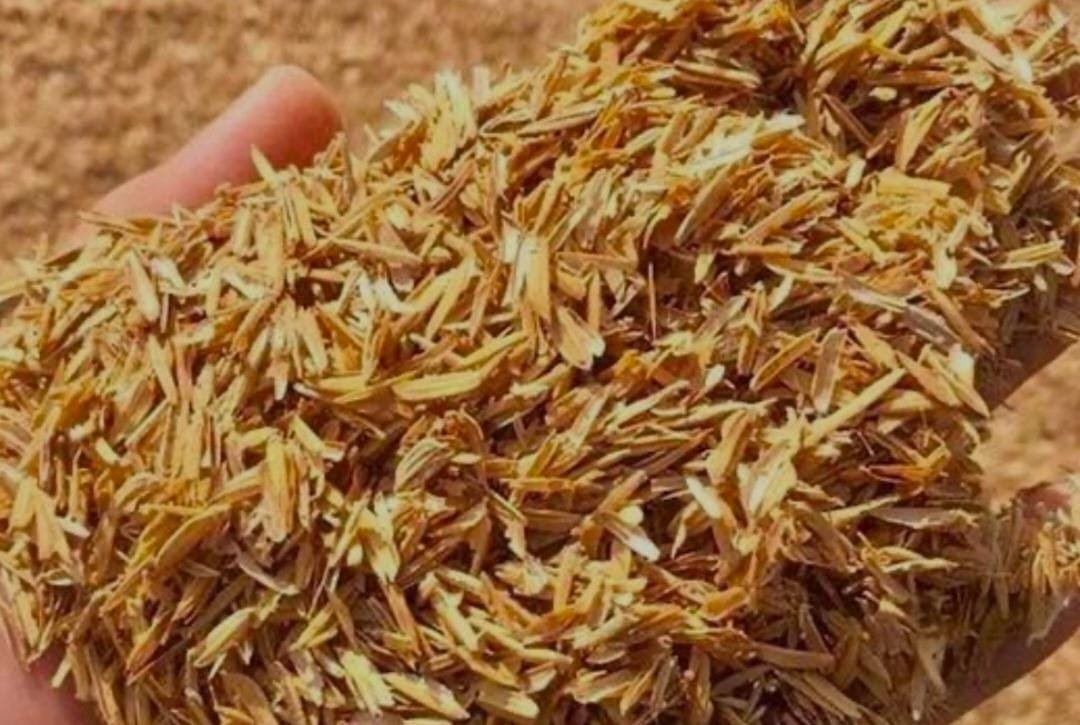
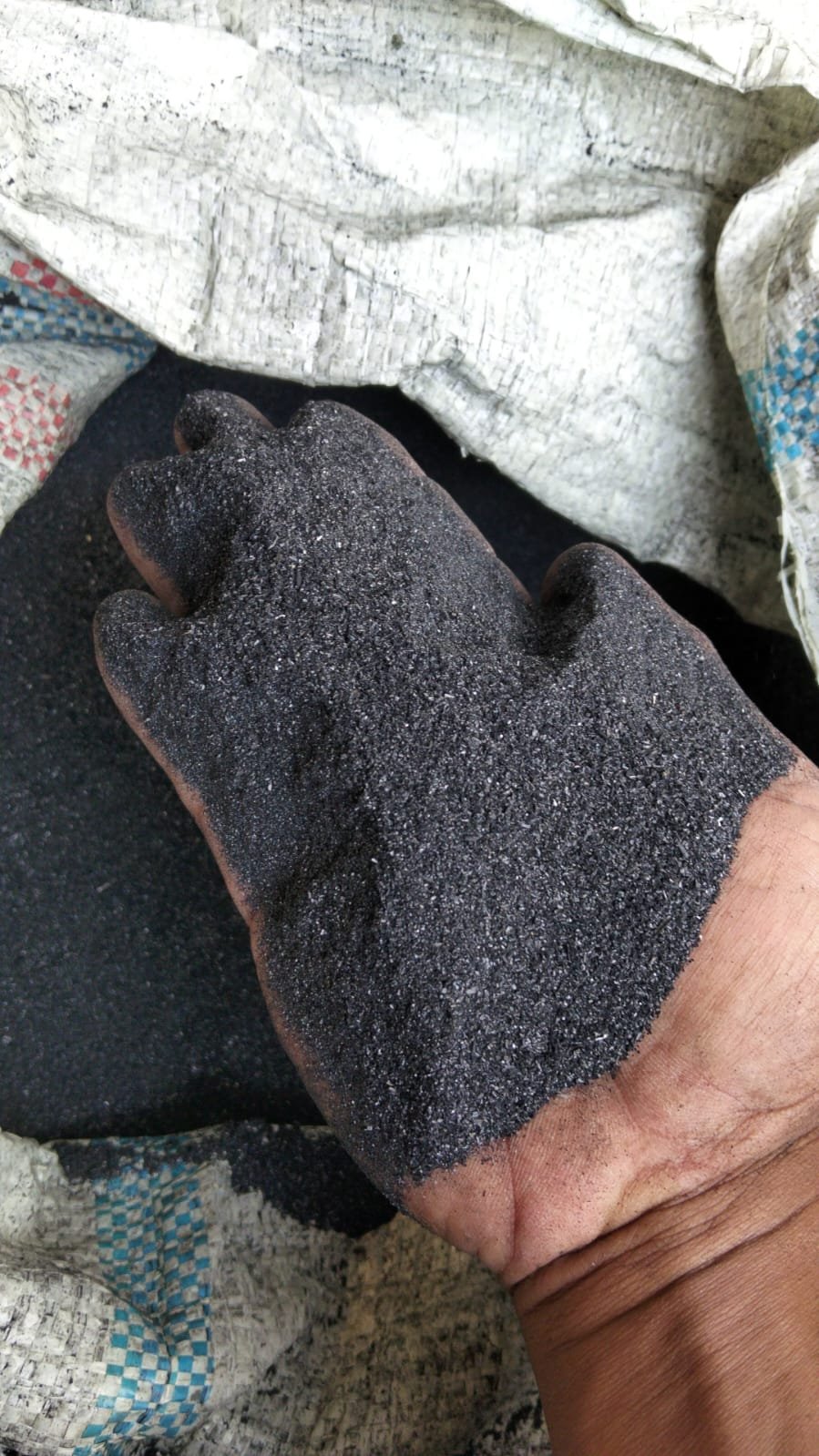
Unlike rice husk, which has a GCV of 3105 kcal/kg, palm kernel shell delivers 1.5 kcal/kg more energy per kilogram. Compared to wood chips, the shell’s moisture content is consistently lower, reducing the need for drying and cutting operating costs. While Mid C RHA is prized for steel, it contains 84 % ash, making it less efficient as a fuel. Palm kernel shell’s 15 % ash content and high fixed carbon content give it a clear edge for power generation.
Using palm kernel shell turns waste into clean energy, cutting greenhouse gas emissions by up to 30 % compared to coal alone. The shell’s high GCV means fewer kilns and boilers are needed, translating to less fuel consumption. Additionally, the residue after combustion is low‑ash ash, ideal for use in cement as a supplementary cementitious material, further closing the loop. In practice, a single power plant can reduce its carbon footprint by 5,000 tCO₂e per year by integrating shell into its fuel mix.
Palm kernel shell is the hard outer shell of the oil palm fruit’s kernel, typically discarded as agricultural waste. It originates from the oil palm plantations that blanket East Java, producing millions of tons annually. In industrial settings, the shell is processed into pellets or briquettes for easy handling. Its high silica and carbon content make it especially attractive for sectors like power, cement, and steel. In summary, palm kernel shell is a renewable, high‑energy feedstock that aligns economic and environmental goals.
PT ABA Help Desk