PT Aji Bakuh Anugrah — Gresik, East Java, Indonesia
06 Oct 2026 · PT Aji Bakuh Anugrah
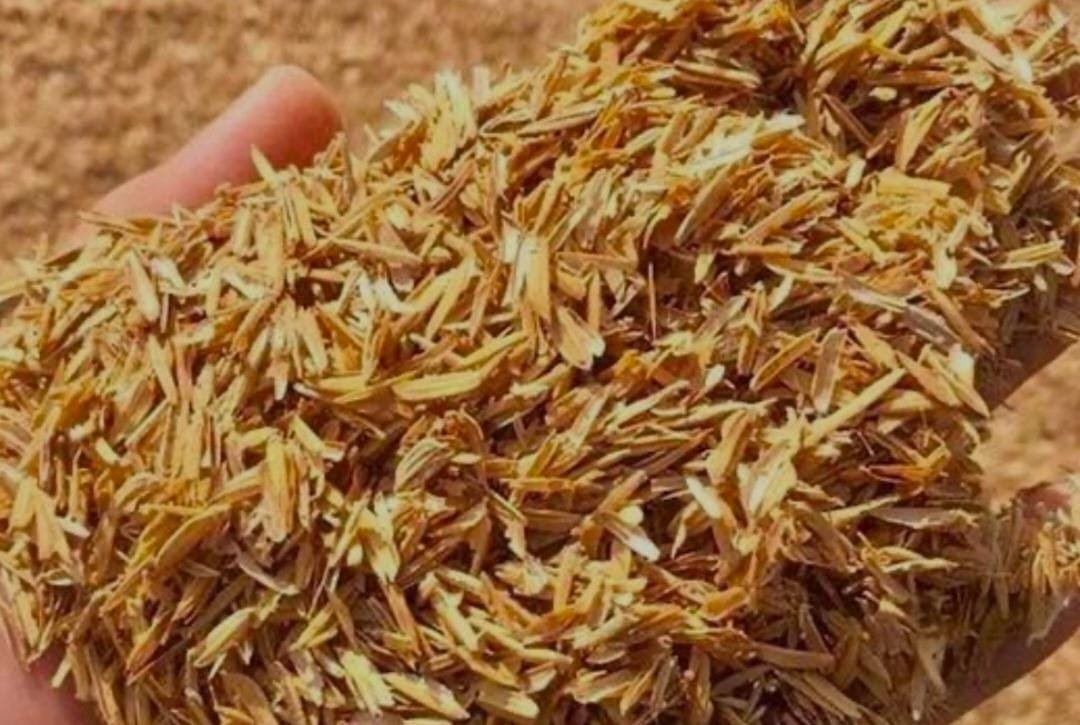
Did you know that one ton of rice husk can produce more than 800 kg of high‑silica ash? At PT Aji Bakuh Anugrah, we turn this abundant waste into a premium material that fuels Indonesia’s steel and cement industries. Our Mid‑C RHA is more than a by‑product; it’s a performance enhancer that saves energy and cuts emissions. Let’s unpack what makes it so special and why it’s a game‑changer for your projects.
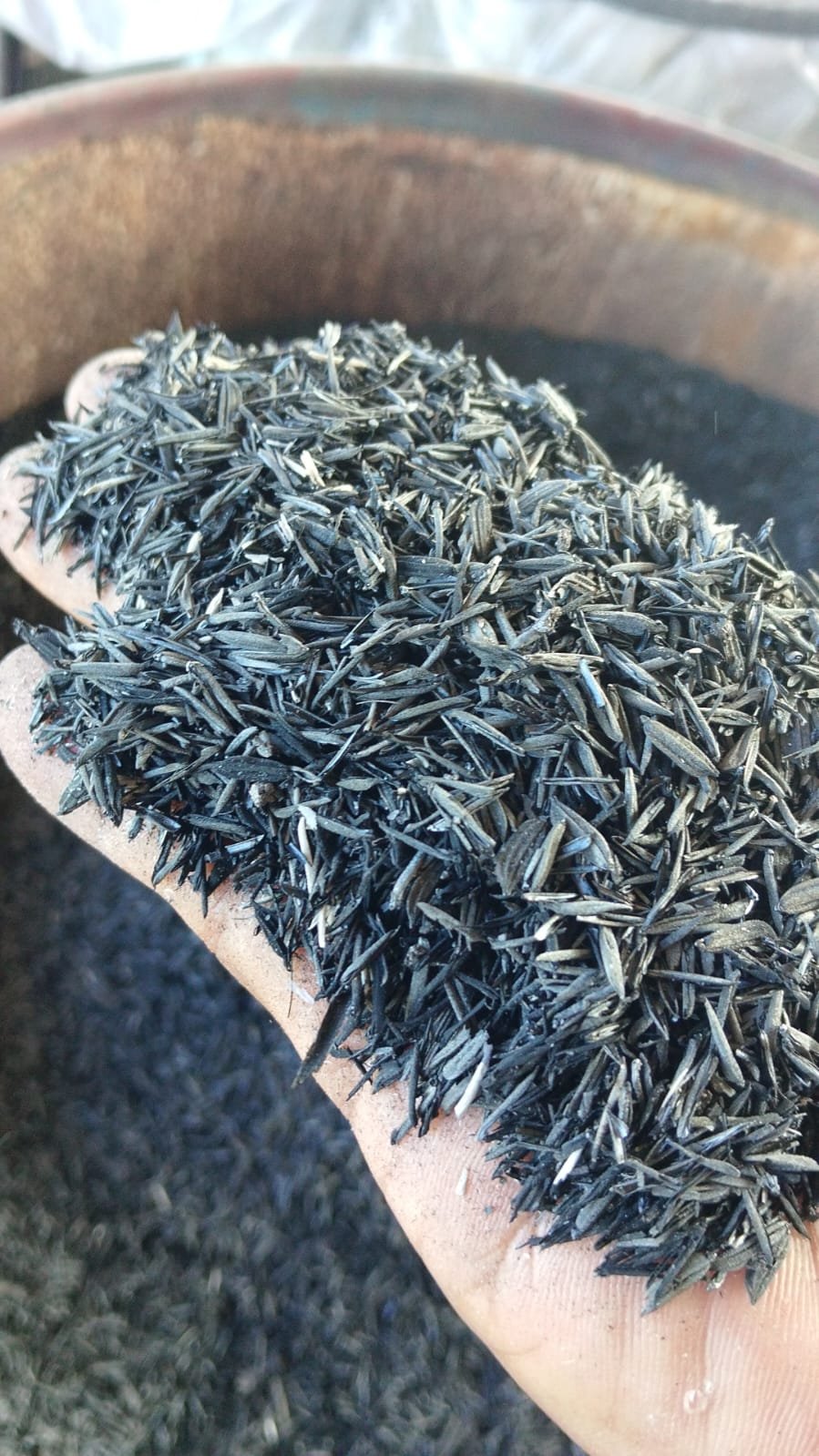
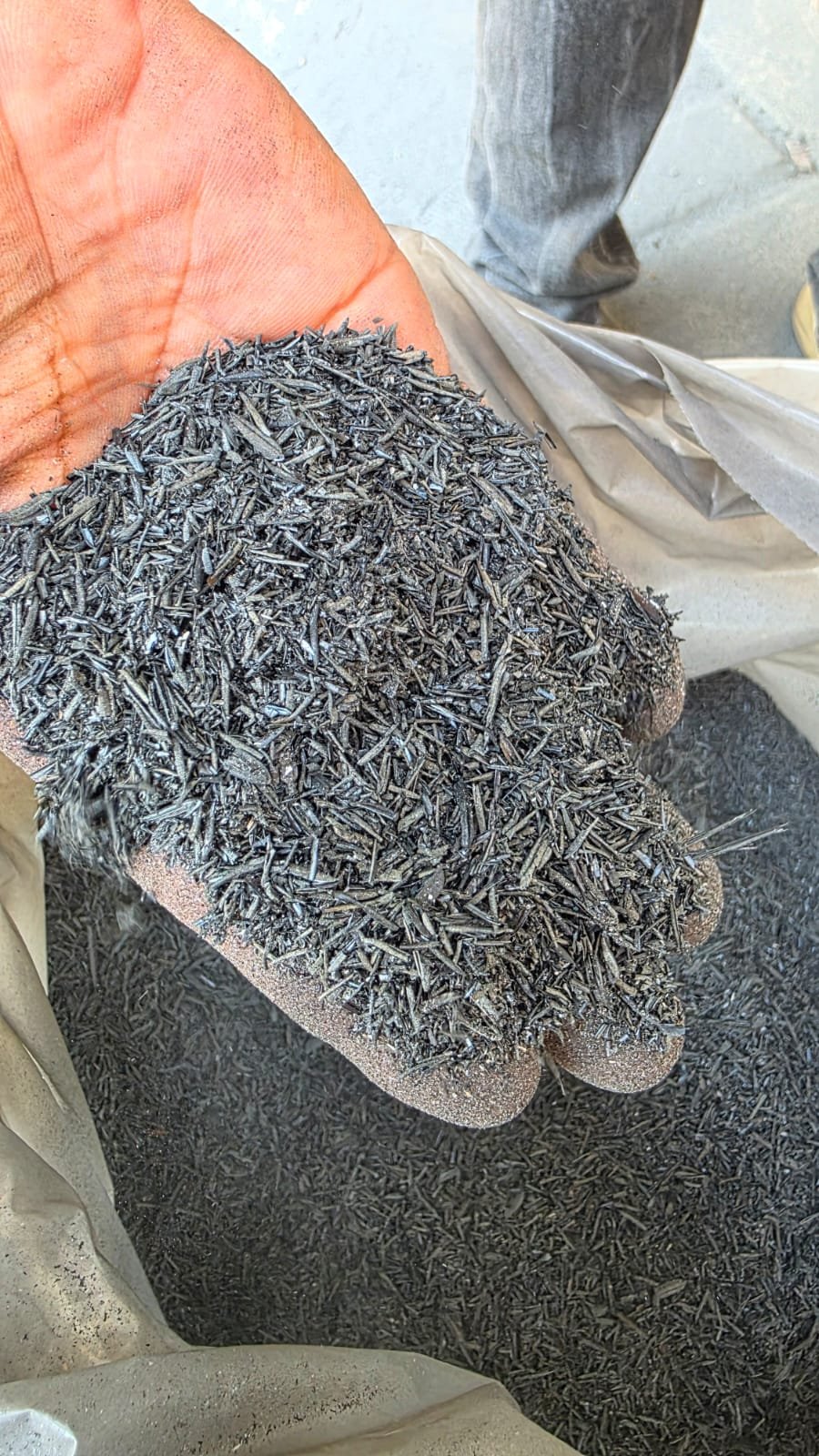
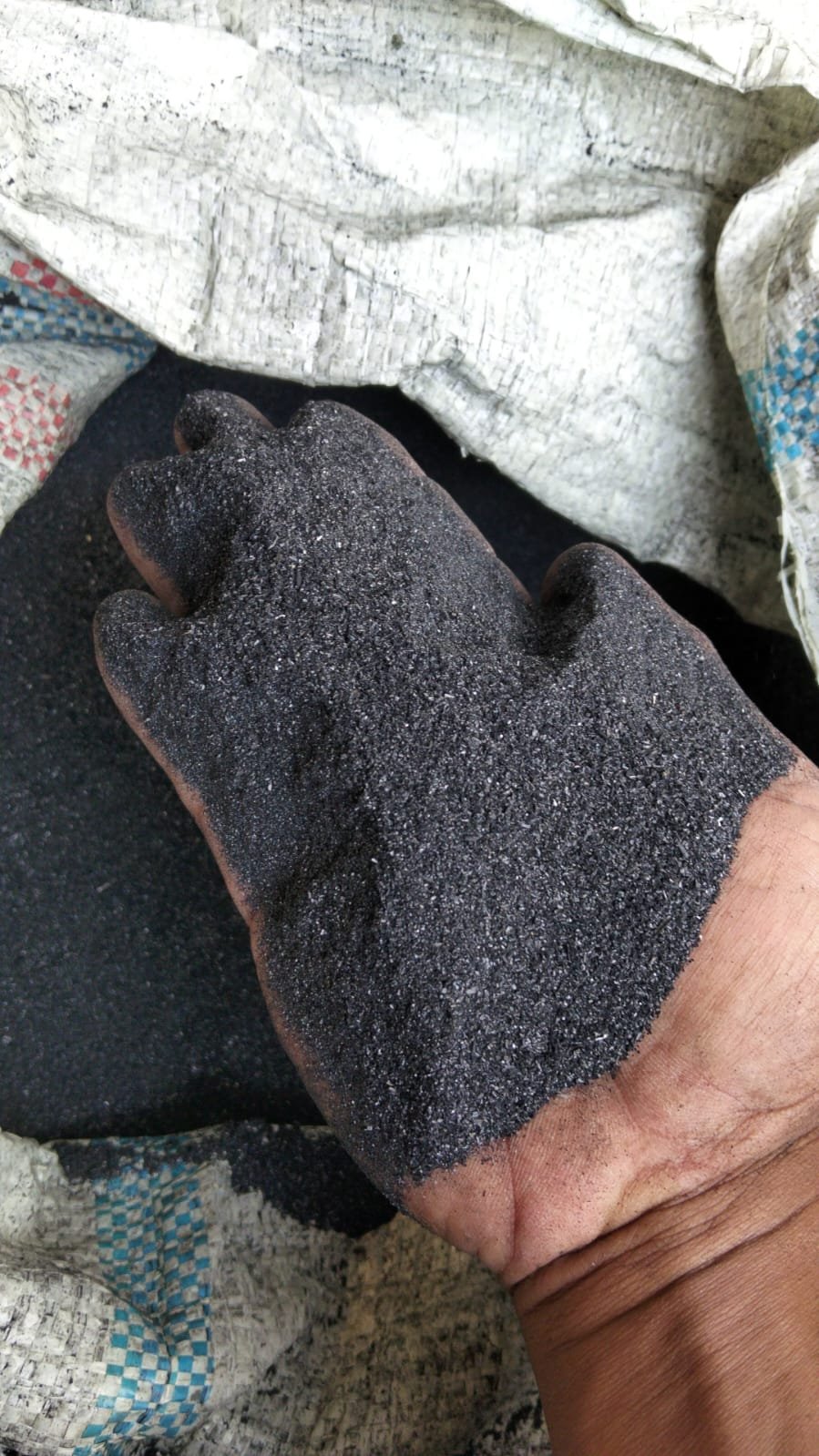
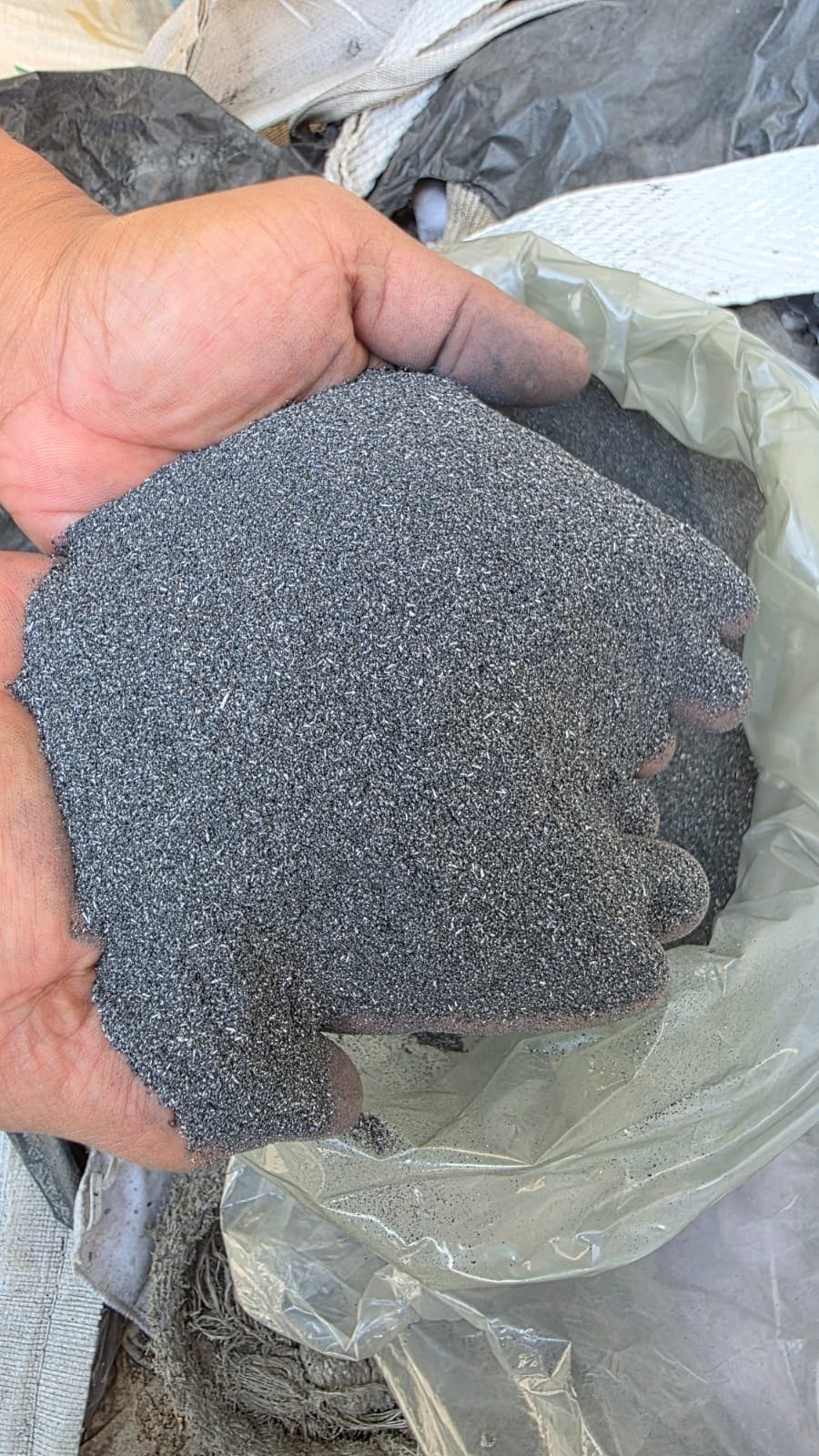
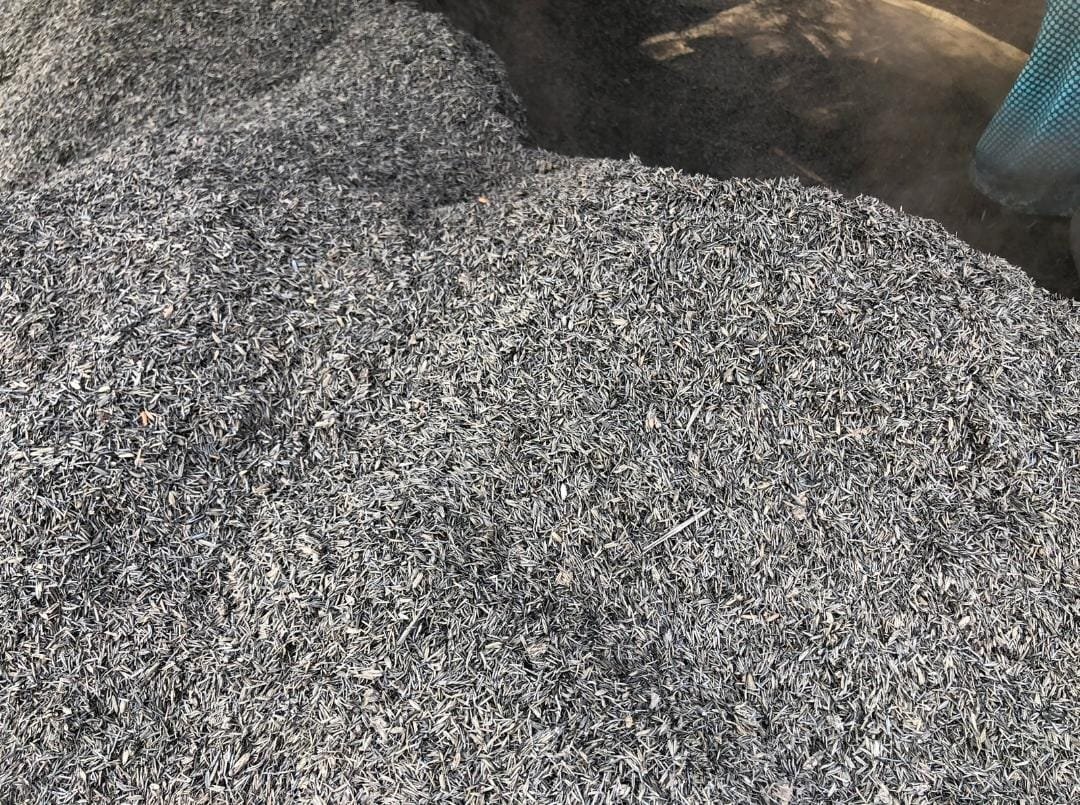
Mid‑C RHA, or medium‑carbon rice husk ash, is the residue left after burning rice husk with a controlled carbon content of 5‑15%. It boasts a silicon dioxide (SiO₂) minimum of 80%, making it ideal for high‑silica applications. In practice, this ash is blended into concrete to boost strength and durability, and in steelmaking as a slag‑forming additive. What many buyers overlook is its versatility: from high‑grade silica for electronic components to eco‑friendly fillers in construction. The reality is that Mid‑C RHA delivers consistent quality while reducing the need for mined silica. It’s a win‑win for industry and environment alike.
When scouting for Mid‑C RHA, look for a carbon content of 5‑15% and a silica minimum of 80%. Buyers should also verify ash content, typically 84.3%, and bulk density between 100‑120 kg/m³. Pricing hinges on purity, particle size, and delivery logistics from Gresik to your site. In practice, a well‑sourced batch can be priced 10‑15% lower than imported alternatives. What many buyers overlook is the cost of post‑processing—our ready‑to‑use ash eliminates extra grinding steps. From our experience, suppliers that provide full lab certificates and on‑site delivery tend to offer the best value over the long run.
Mid‑C RHA contains SiO₂ min 80%, carbon 5‑15%, and ash 84.3%. Its bulk density ranges from 100‑120 kg/m³, while moisture stays below 10%. The ash’s silicon content is high enough to meet the standards for high‑grade silica applications. In cement mixes, a 10% replacement of ordinary Portland cement with Mid‑C RHA can raise compressive strength by up to 12% after 28 days. For steel, adding 2‑5% ash reduces slag volume and improves slag quality, cutting energy use by roughly 4%.
Concrete manufacturers in East Java use Mid‑C RHA to enhance durability in coastal structures, where chloride resistance is critical. Steel mills in Surabaya incorporate the ash as a slag‑forming agent to lower the melting point, boosting throughput. Cement plants in Jakarta use it as a partial replacement for clinker, cutting CO₂ emissions. In the electronics sector, the high‑purity silica is extracted for glass and semiconductor components. The versatility of Mid‑C RHA means it’s a staple in any industry that values high‑silica, low‑carbon solutions.
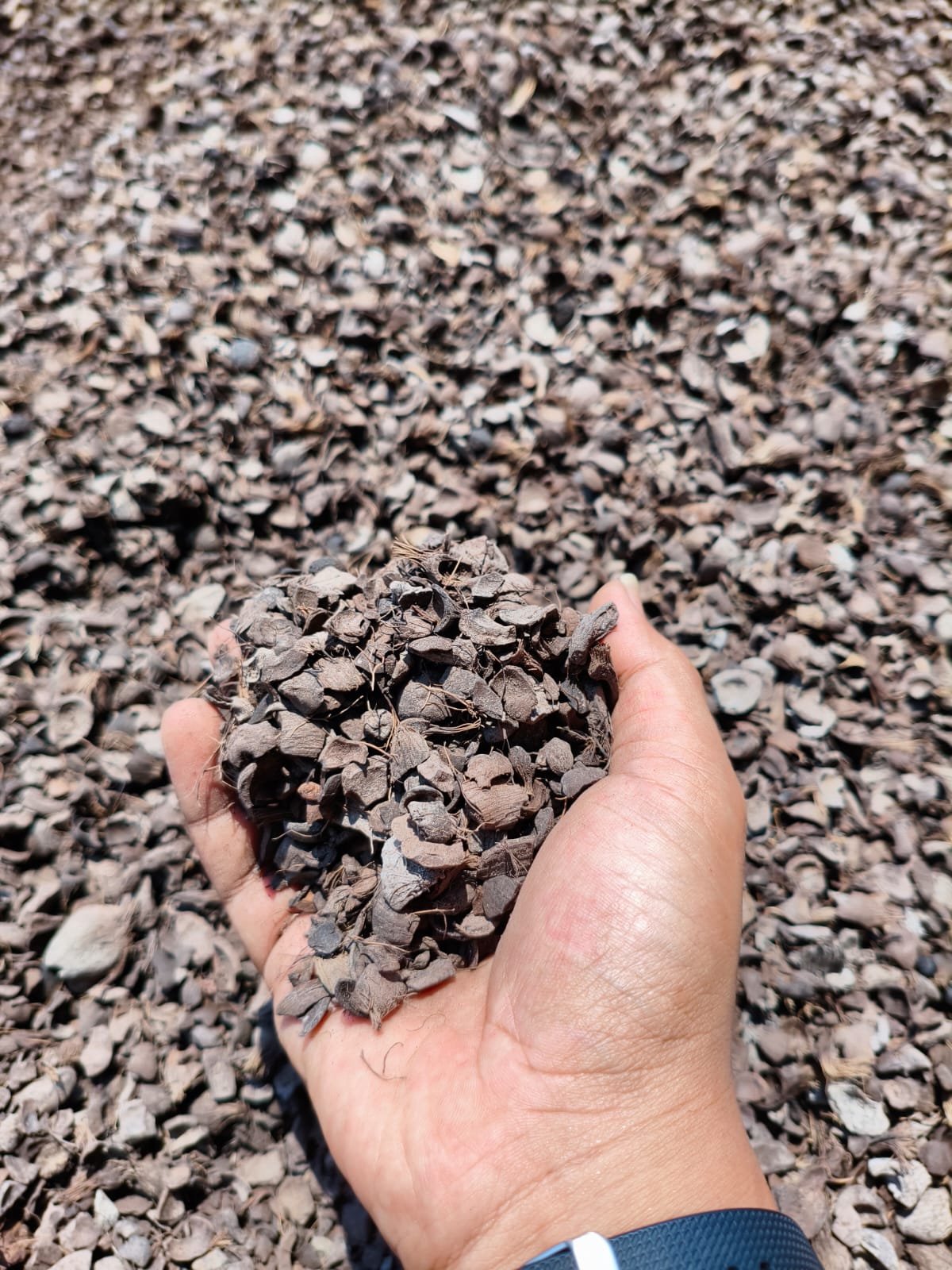
Compared to high‑C RHA, Mid‑C RHA offers a lower carbon footprint while maintaining sufficient silica for most applications. Unlike pure white RHA, its moderate ash content reduces handling and storage issues. Other biomass ashes, such as palm kernel shell ash, lack the same SiO₂ purity and thus require additional refining. In practice, Mid‑C RHA’s balance of silica, carbon, and ash content delivers superior performance at a competitive price. What many buyers overlook is the consistent particle size distribution that eliminates the need for extra milling.
By diverting rice husk waste from open burning, Mid‑C RHA cuts methane emissions by 90% compared to traditional disposal. Each ton of ash used in cement reduces CO₂ emissions by an estimated 0.5 tons, thanks to lower clinker content. In steelmaking, the ash’s slag‑forming properties lower energy consumption by up to 4%, translating into fewer fossil‑fuel burns. The end result is a measurable 30‑40% reduction in the life‑cycle carbon footprint of concrete and steel products. From our experience, clients who adopt Mid‑C RHA report both cost savings and greener brand positioning.
PT ABA Help Desk