PT Aji Bakuh Anugrah — Gresik, East Java, Indonesia
28 Oct 2026 · PT Aji Bakuh Anugrah
Have you ever wondered what the secret behind high-strength concrete in Java’s new bridges is? It’s not just the mix design—it's the quality of the rice husk ash (RHA) that makes a difference. At PT Aji Bakuh Anugrah, we harvest and process husks from local farms in Gresik, turning waste into a construction star. Our RHA is not only a cost‑effective additive but also a sustainability win for the region. Let’s dive into why our ash stands out and how it can transform your projects.
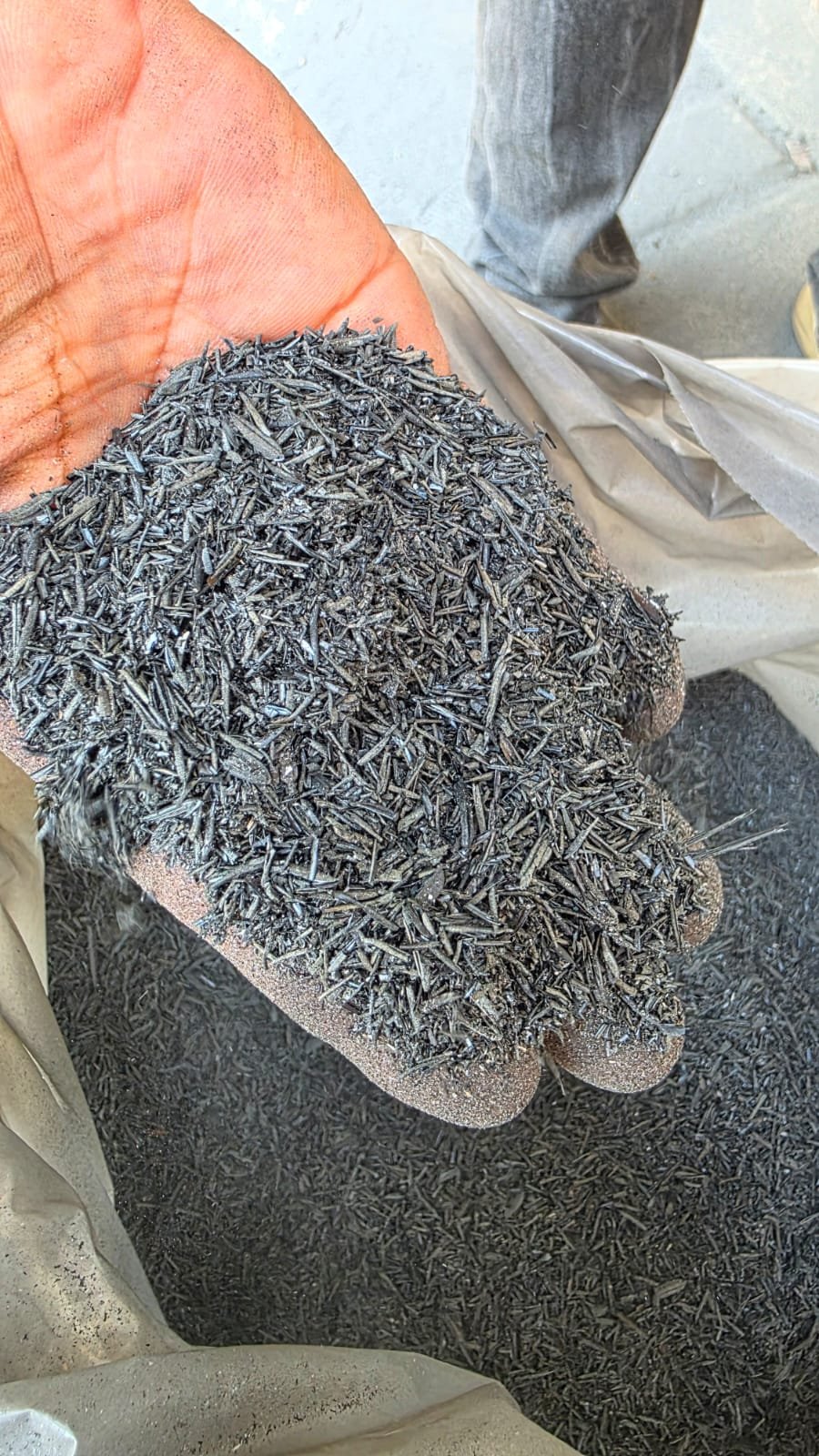
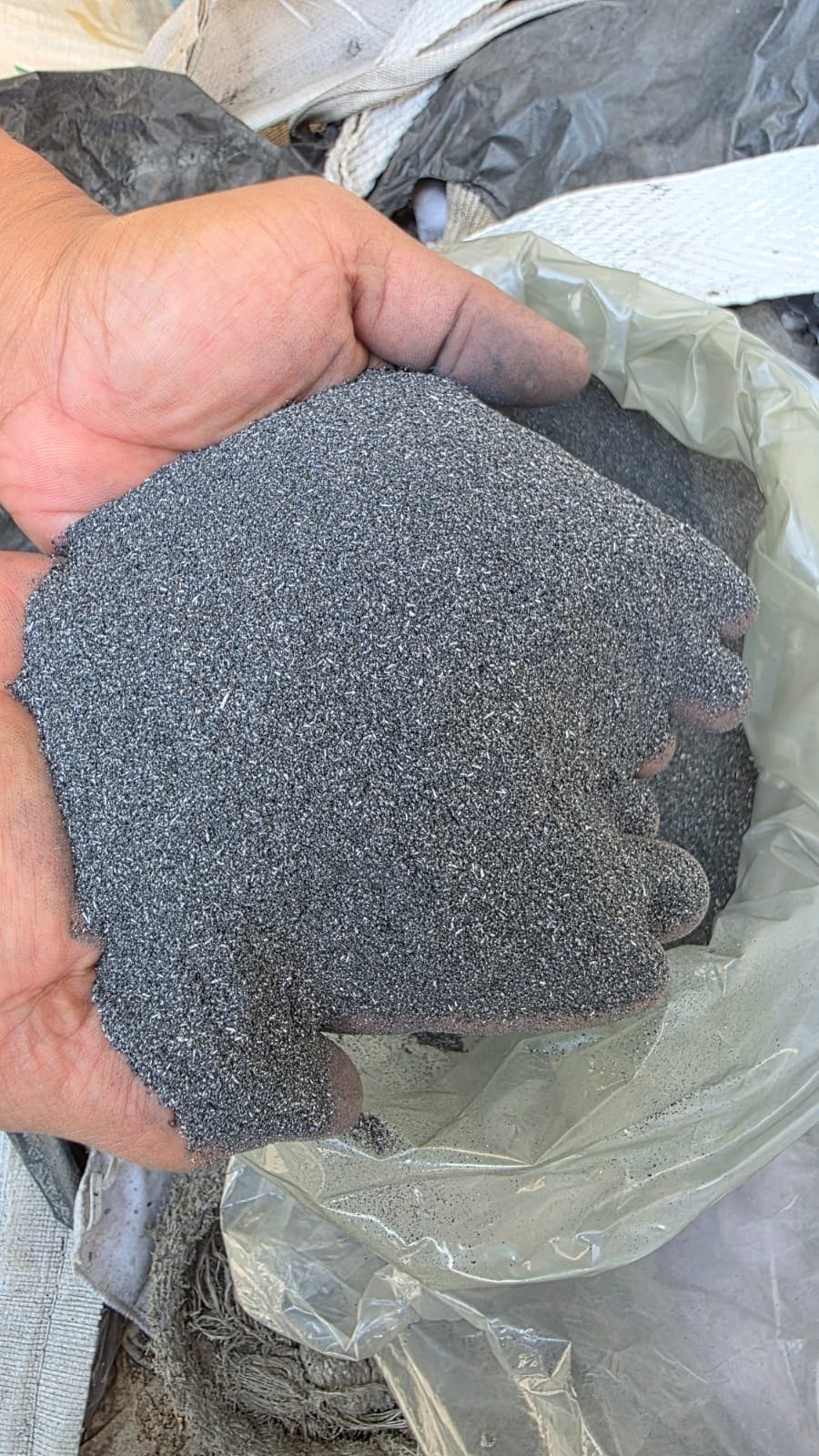
Rice husk ash has a unique combination of high silica content and low ash, giving concrete superior strength and durability. Unlike fly ash, RHA retains a fine particle size that improves the bond between cement and aggregate. In practice, our Mid C RHA with SiO2 min 80% boosts compressive strength by up to 15% compared to ordinary Portland cement. What many buyers overlook is the ash’s low moisture—9.5%—which reduces water demand in mixes. The result is a mix that sets faster and resists cracking, especially in tropical climates like East Java.
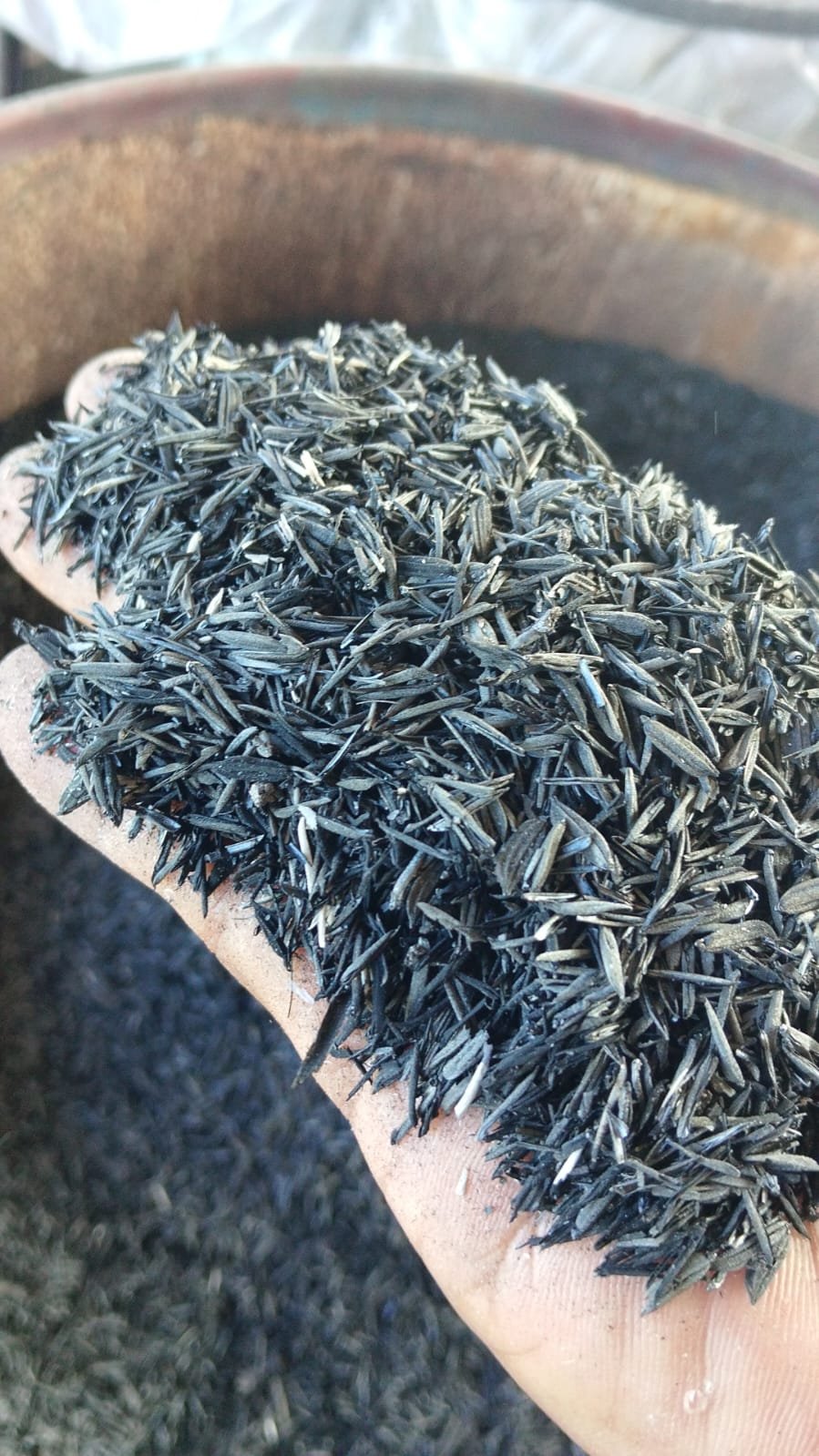
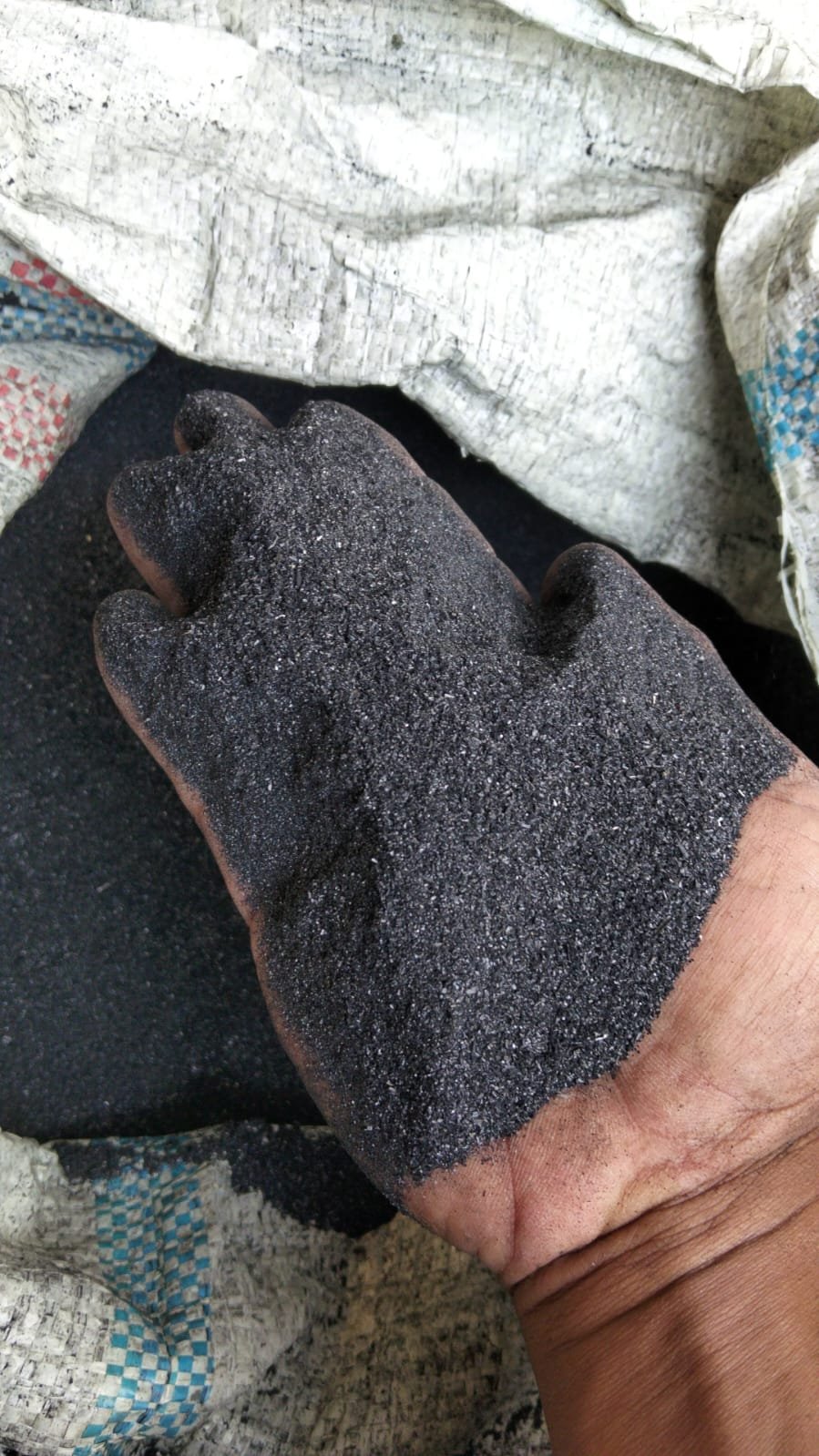
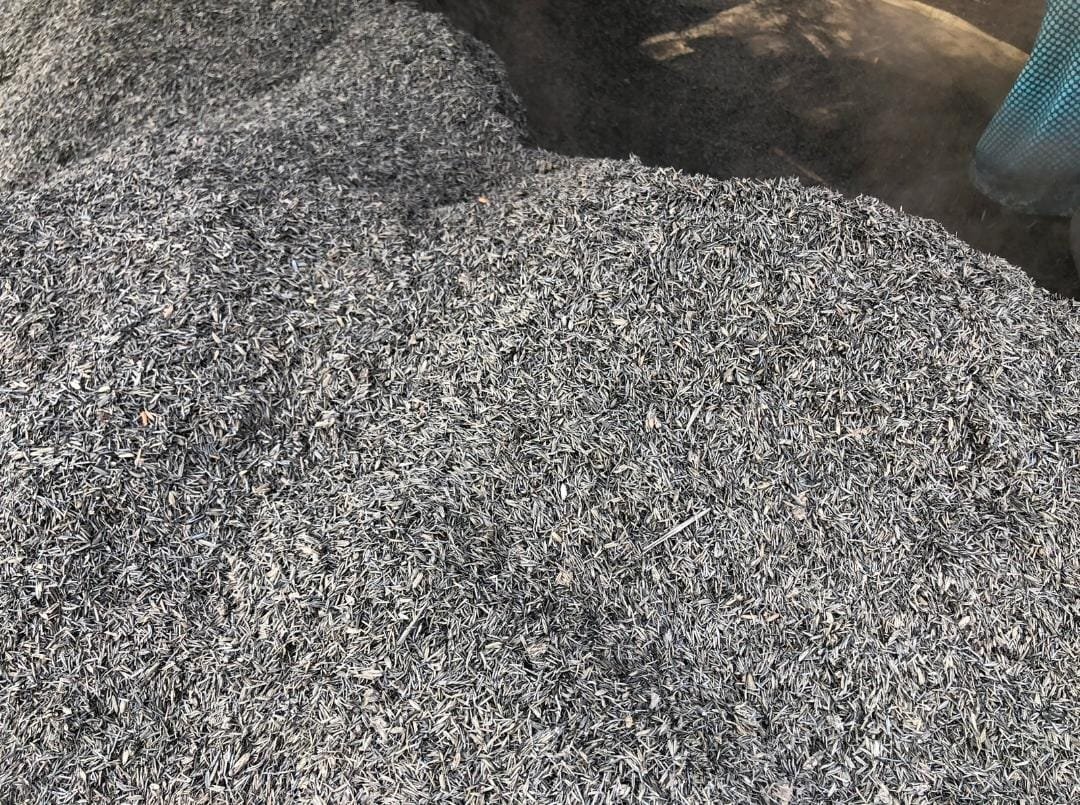
Rice husk ash is a by‑product of burning rice husks at controlled temperatures. The process removes volatile matter, leaving a silica‑rich powder. From our experience, the high carbon content in High C RHA—fixed carbon 34.8%—makes it ideal for activated carbon production. Meanwhile, the Pure White RHA with SiO2 min 92% finds its niche in high‑grade silica applications such as glass or electronics. These distinctions allow us to tailor the product to each industry’s needs.
Using RHA reduces the demand for mined silica, cutting CO2 emissions by up to 2.5 tons per ton of concrete produced. In Gresik alone, our operations divert over 5,000 tons of husk waste from landfills annually, translating to 15,000 cubic meters of landfill space saved. By substituting even 10% of cement with RHA, a single factory can cut its carbon footprint by roughly 20%. The ash’s low moisture also means less water is drawn from local sources, easing pressure on the community’s water supply.
Concrete plants in Surabaya use our Mid C RHA to meet stringent durability standards for highway bridges. In the cement sector, the ash’s silica content helps reduce the required clinker content, lowering energy consumption. The High C RHA is now a preferred raw material for activated carbon producers in Malang, thanks to its 34.8% carbon content. Even the Pure White RHA is being tested by the electronics industry for high‑purity silicon fabrication. Each application showcases the ash’s versatility across sectors.
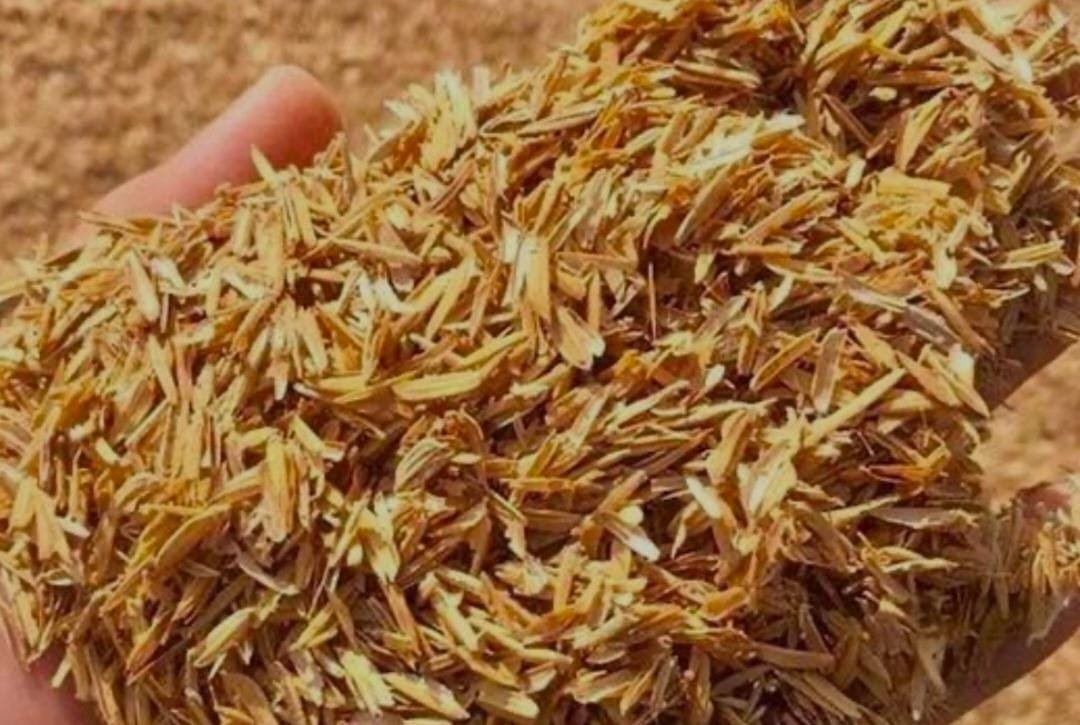
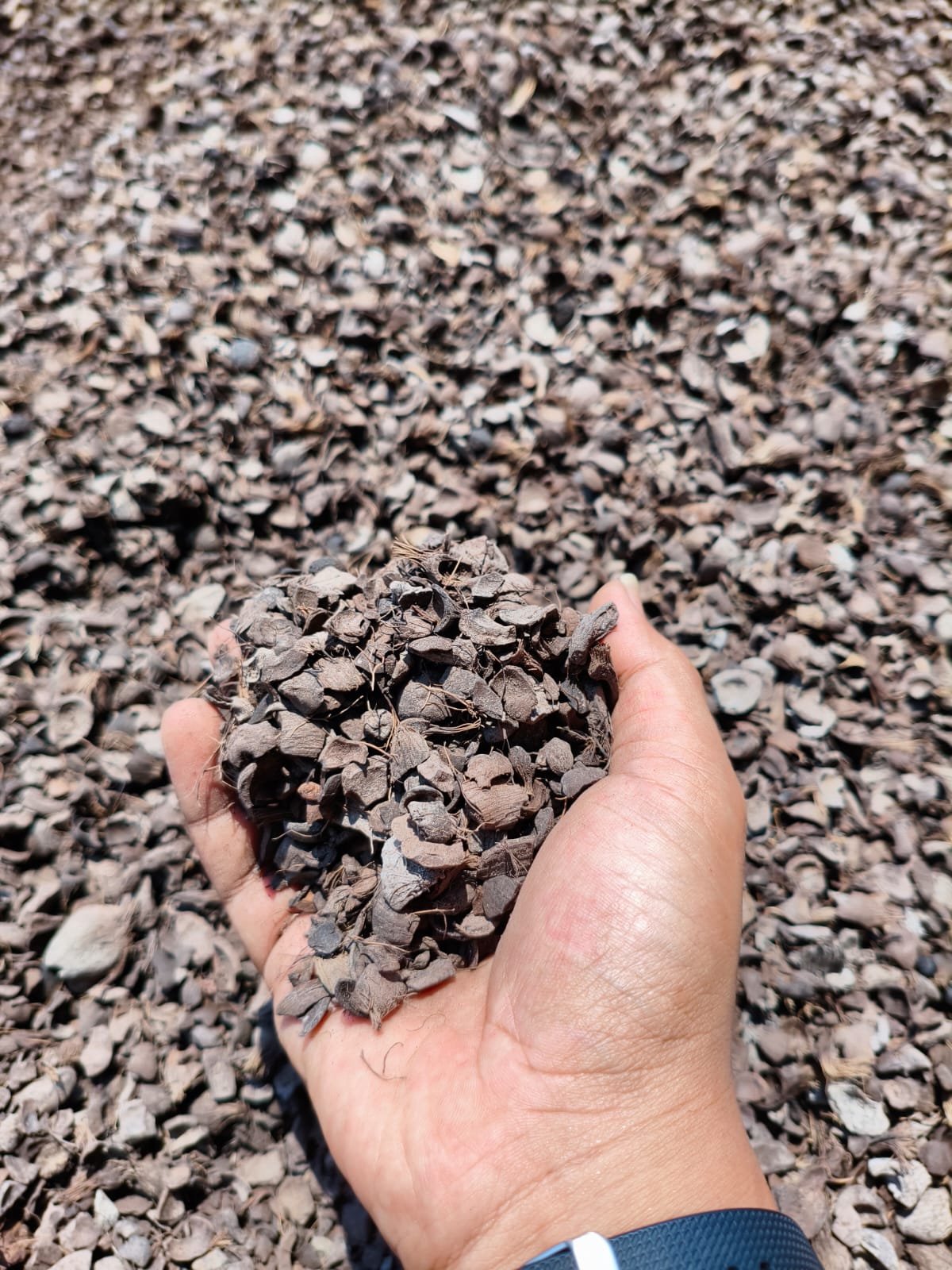
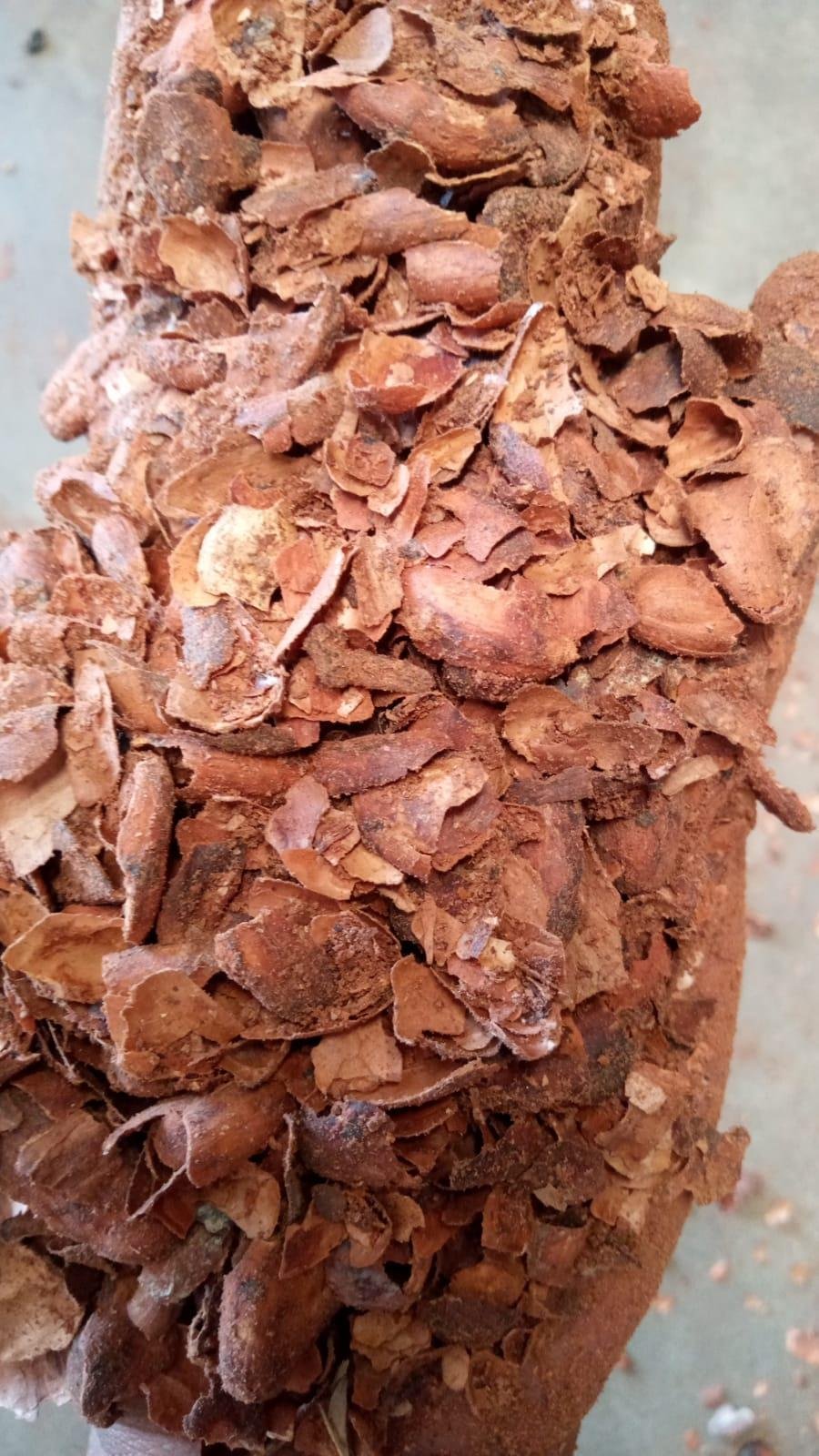
Our Mid C RHA features a SiO2 min 80%, carbon 5–15%, and ash 84.3%, ideal for structural concrete. The High C RHA offers fixed carbon 34.8% and SiO2 67.6% for activated carbon production. Pure White RHA delivers SiO2 min 92% for high‑grade silica. For baseline reference, the Rice Husk Natural has 3105 kcal/g, 9.5% moisture, and a bulk density of 100–120 kg/m³. These numbers are verified by third‑party labs and meet Indonesian ASTM standards.
First, assess your project’s silica requirement; the Mid C RHA is a balanced choice for most concrete mixes. If you’re targeting high‑performance or low‑carbon concrete, consider the High C RHA for its superior carbon content. For specialty applications like activated carbon or electronics, Pure White RHA is the go‑to. Pricing varies by batch purity, volume, and delivery location—Gresik to Jakarta will cost less than overseas shipments. Finally, verify the moisture level; 9.5% is optimal to avoid excess water in concrete mixes.
PT ABA Help Desk