PT Aji Bakuh Anugrah — Gresik, East Java, Indonesia
07 Oct 2026 · PT Aji Bakuh Anugrah
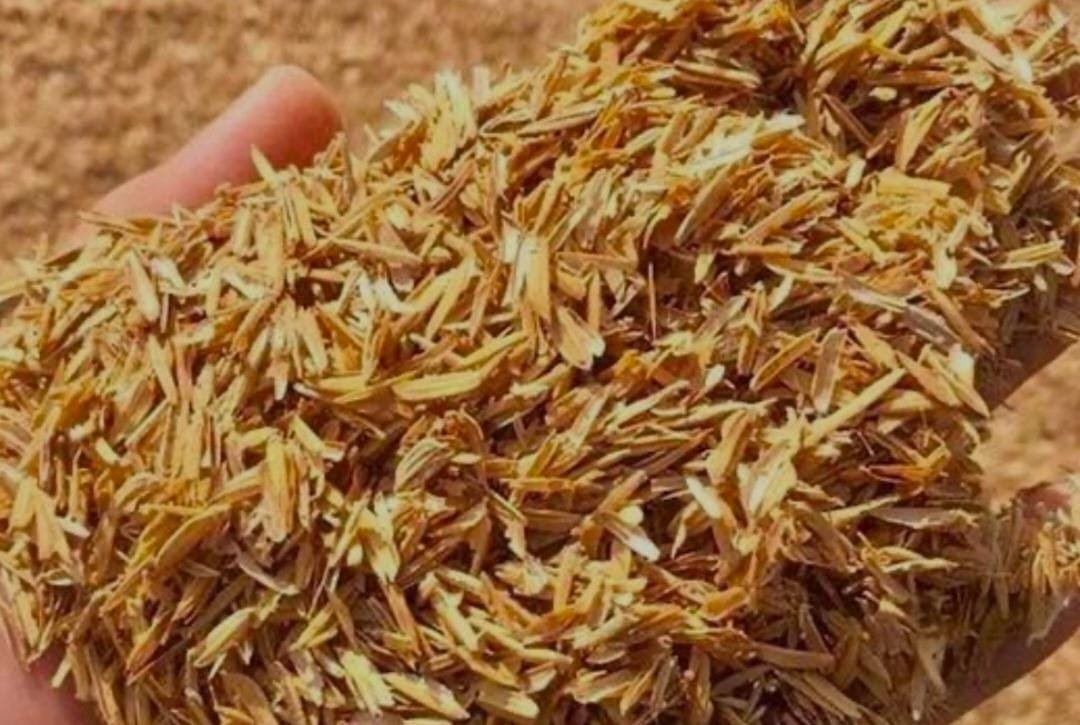
Imagine a material that was once discarded in rice mills now fuels your factory’s furnaces and lights up the night. Rice husk briquettes, made from compressed husk dust, provide a consistent, high‑energy feedstock that is both renewable and affordable. They deliver a calorific value close to 3,105 kcal per gram, matching the energy output of many conventional fossil fuels. In practice, these briquettes are increasingly chosen by Indonesian manufacturers looking to meet carbon targets while keeping operational budgets in check. With moisture below 10 % and bulk density between 100 and 120 kg/m³, they are easy to handle and transport across the island’s varied terrain.
When selecting rice husk briquettes, the first factor to consider is the moisture content, as values above 9.5 % can significantly reduce combustion efficiency and raise shipping costs due to heavier loads. The price per metric tonne typically ranges from IDR 1,200,000 to IDR 1,500,000 depending on bulk density and contractual volume, so negotiating bulk deals can save up to 10 % for annual contracts. Bulk density, measured in kg/m³, directly affects storage space and the number of kilowatts you can generate per cubic meter; higher density briquettes mean less volume for the same energy output. Another key consideration is the source certification: certified organic or ASTM‑approved briquettes guarantee a stable carbon content, usually between 30 % and 35 %, which translates to consistent heat output in kilowatts. Finally, evaluate the supplier’s logistics; proximity to your plant reduces transportation emissions and allows for just‑in‑time delivery, avoiding costly storage and quality degradation.
Rice husk briquettes boast a greenhouse gas reduction of up to 35 % compared to coal, thanks to their lower sulfur and particulate emissions; this is particularly relevant for Gresik’s industrial cluster where air quality standards are tightening. Because the briquettes are a by‑product of rice milling, they divert waste from landfills, preventing methane emissions that could otherwise double the carbon footprint of a comparable energy source. The GCV of 3,603 kcal/kg also means that, for every tonne of briquettes burned, you can generate approximately 3.6 GJ of heat, reducing the need for supplementary fuels and cutting overall fuel consumption by roughly 15 %. In practice, factories that switched to rice husk briquettes have reported a 12 % drop in total CO₂ emissions per megawatt-hour produced. Moreover, the ash residue, rich in silica and iron, can be repurposed in cement manufacturing, further closing the loop and creating a closed‑cycle, circular economy.
Compared to traditional coal, rice husk briquettes produce lower ash content—about 10–15 % versus 35–45 % for coal—reducing slagging and fouling in boilers, which translates to a 20 % extension in maintenance intervals. Wood pellets, while also renewable, have a higher moisture content and can cause more wear in combustion equipment; rice husk briquettes maintain a moisture level under 10 %, ensuring smoother operation and consistent heat release. Palm kernel shell, popular in co‑firing scenarios, offers a higher GCV of 4,603 kcal/kg, but it is less abundant locally and requires importation, inflating costs by 25 %. In contrast, rice husk is locally sourced from Gresik’s rice mills, ensuring supply stability and supporting the regional economy. The superior silica content—up to 14.5 % SiO₂—makes the briquettes ideal for industries that also require silica-rich ash as a by‑product, such as cement or steel manufacturing.
In power generation, a 500 MW thermal plant can replace up to 70 % of its coal load with rice husk briquettes, cutting fuel costs by 18 % and lowering emissions per kilowatt-hour. The cement industry leverages the high silica ash to produce higher‑grade Portland cement; a 1 Mt/day plant can process 200 t/day of briquettes to meet the 12 % silica requirement without compromising strength. Steel mills use the briquettes as a supplementary fuel in blast furnaces, where the low sulfur content prevents corrosion of ladle linings, extending equipment life. The food processing sector, especially those producing rice, can integrate briquette boilers for drying operations, reducing energy bills by 25 % and improving product shelf life. In the growing bio‑fuel market, rice husk briquettes are also being blended with ethanol to create hybrid bio‑electricity, offering a diversified revenue stream for farmers.
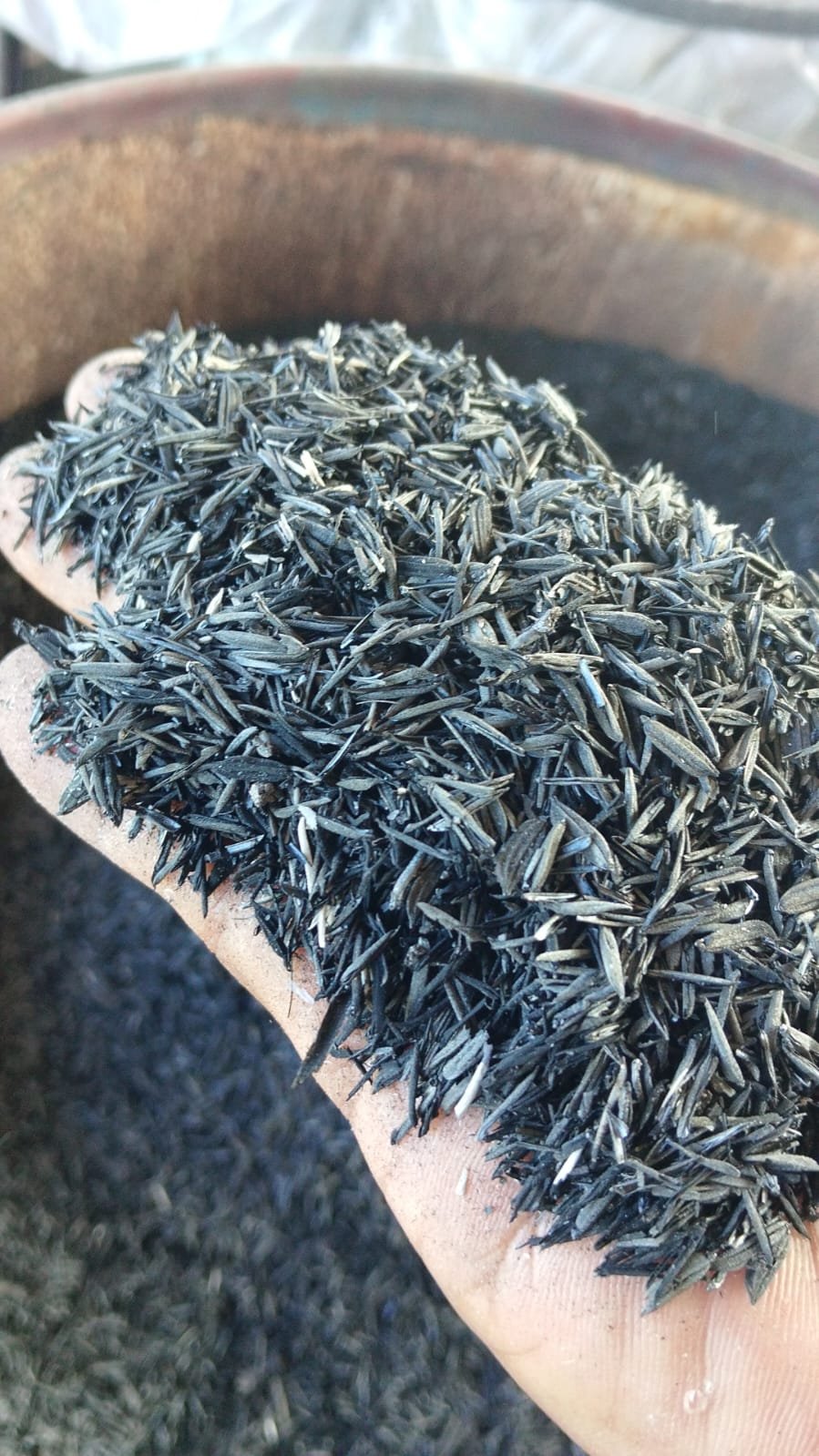
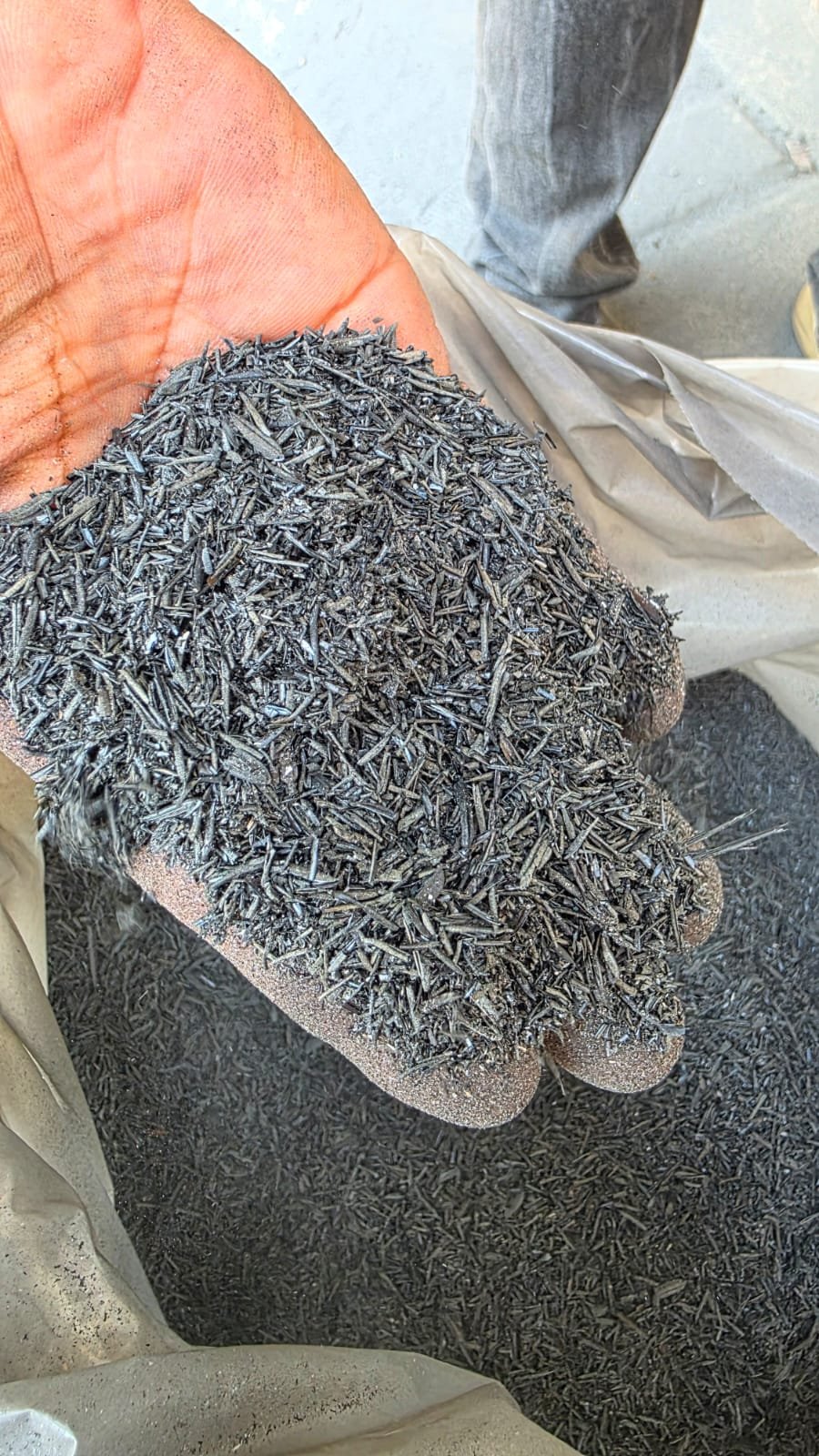
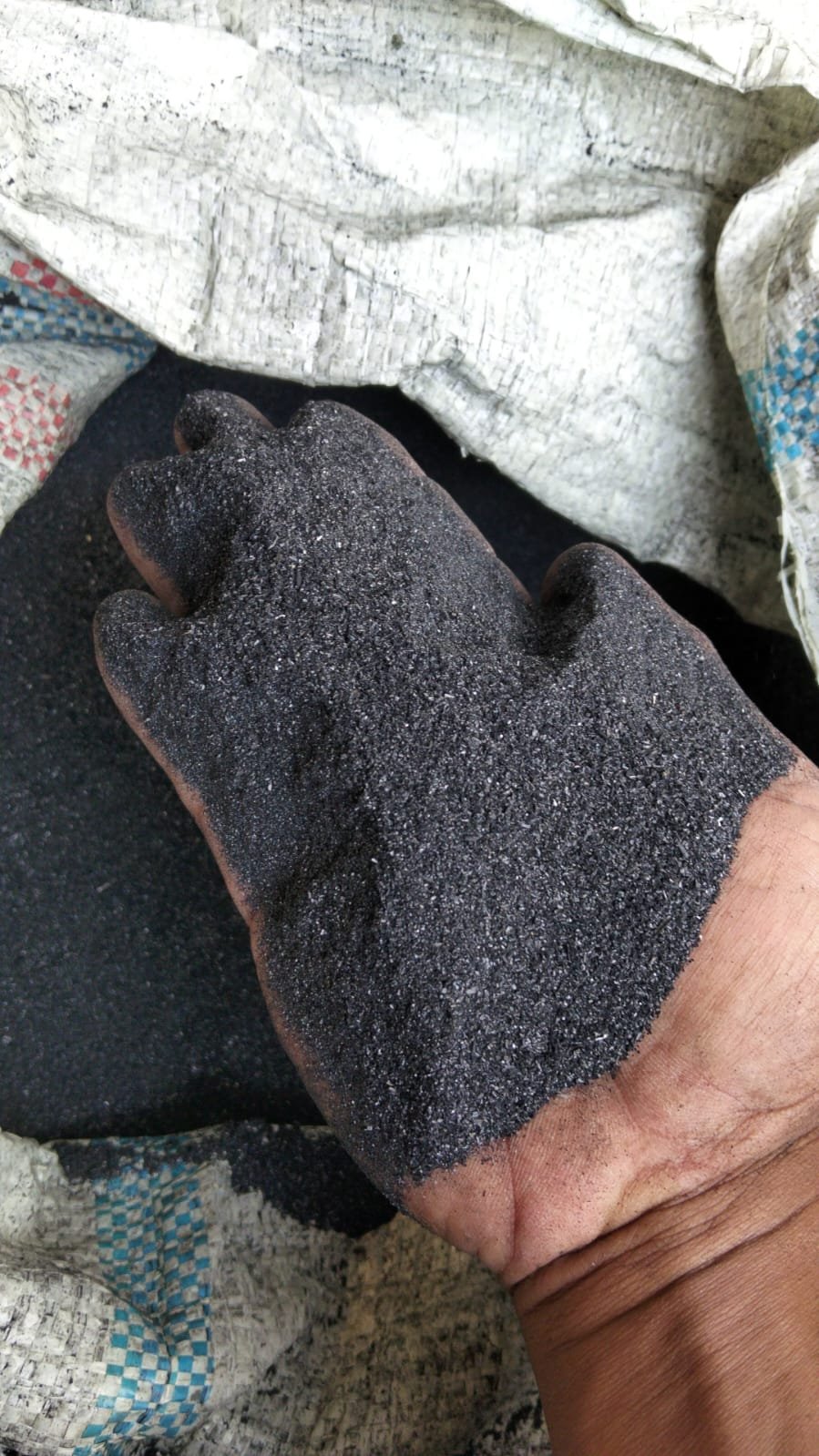
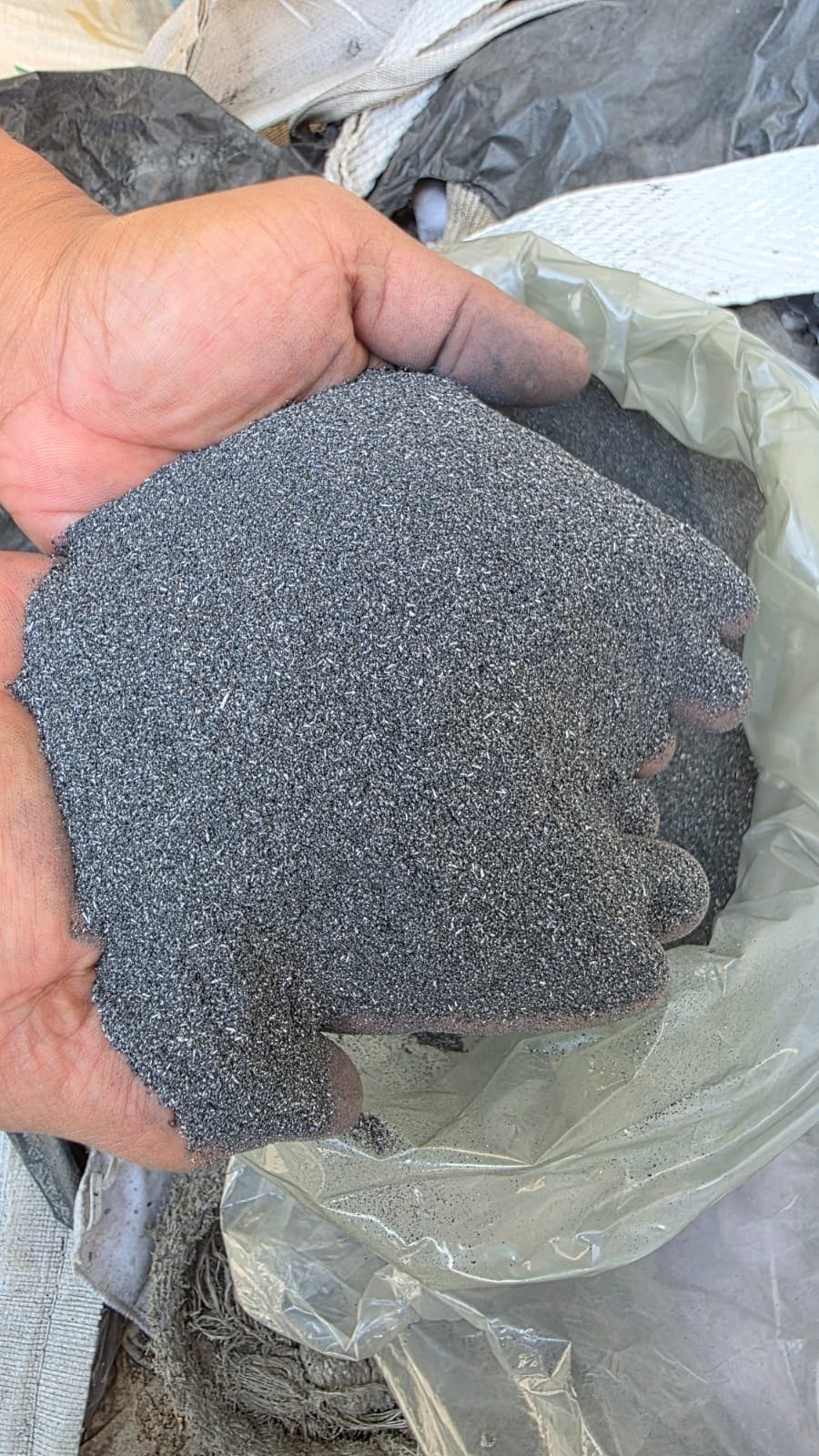
Our rice husk briquettes feature a fixed carbon content of 34.8 %, which, coupled with a SiO₂ concentration of 67.6 %, results in an excellent ash quality for activated carbon production. The moisture content is tightly controlled at 9.5 % maximum, ensuring combustion efficiency and preventing excess steam generation. Bulk density ranges from 100 to 120 kg/m³, enabling a storage volume of 8 m³ per 1,000 t, which is 25 % less than that of standard wood pellets. The calorific value of 3,105 kcal/g translates to an energy density of 12.4 MJ/kg, making it a competitive alternative to coal for high‑temperature processes. Ash yield is measured at 12.5 % for the Mid C RHA variant, providing a consistent supply of silica for downstream applications.
Rice husk briquettes are produced by compressing finely milled rice husk dust into dense cylinders using mechanical presses, often supplemented with binders like molasses for improved cohesion. In Indonesia, the rice industry generates approximately 1.3 million tonnes of husk annually, a resource that is underutilized yet highly energy‑dense. The briquetting process reduces the bulk volume by 50 % compared to raw husk, easing transportation and storage. The resulting briquettes are classified as a Type C RHA (Rapid Heating Ash) with SiO₂ at 14.5 % and carbon at 5–15 %, meeting the ASTM standards for cement additives and activated carbon precursors. Farmers and mill owners collaborate with suppliers like PT Aji Bakuh Anugrah to convert this waste into a profitable, low‑carbon fuel that powers local industry.
PT ABA Help Desk