PT Aji Bakuh Anugrah — Gresik, East Java, Indonesia
07 Oct 2026 · PT Aji Bakuh Anugrah
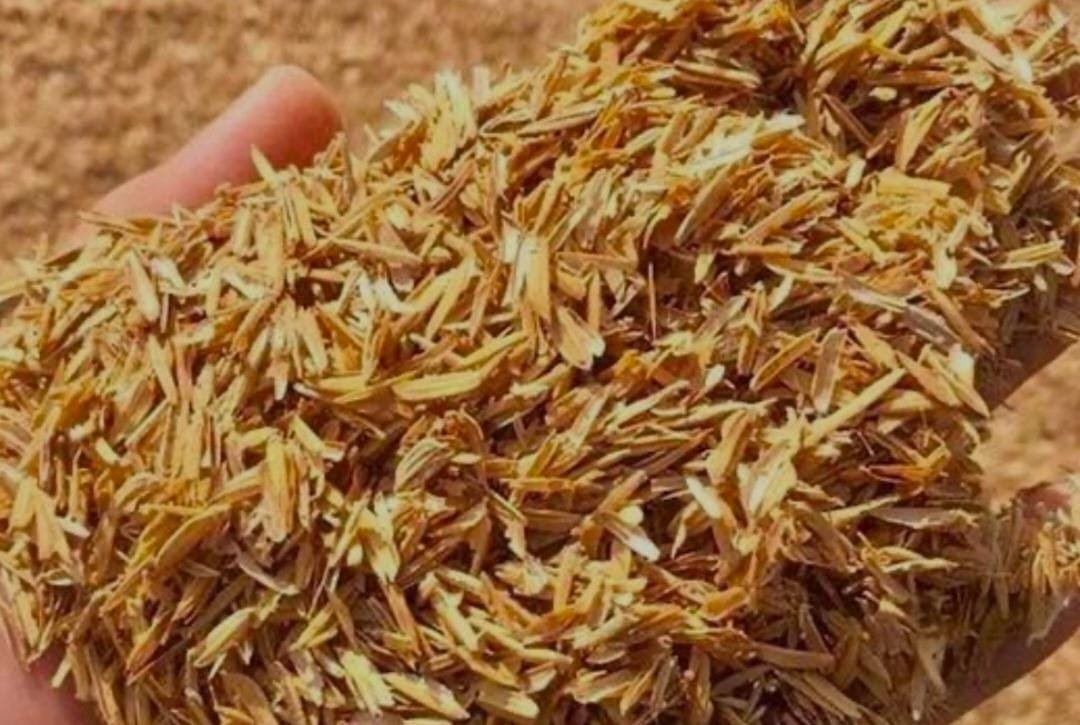
Rice husk is the invisible backbone of many Southeast Asian industries, yet its charcoal form remains a hidden gem. Imagine a single ton of rice husk charcoal powering a steel mill or a co‑firing power plant, replacing coal while cutting emissions. PT Aji Bakuh Anugrah brings that vision to life in Gresik, East Java, with a decade of experience turning agricultural waste into premium fuel. Our customers in cement, steel, and renewable energy sectors trust our consistent quality and supply chain reliability. Let’s explore how this biomass product can transform your operations and the planet.
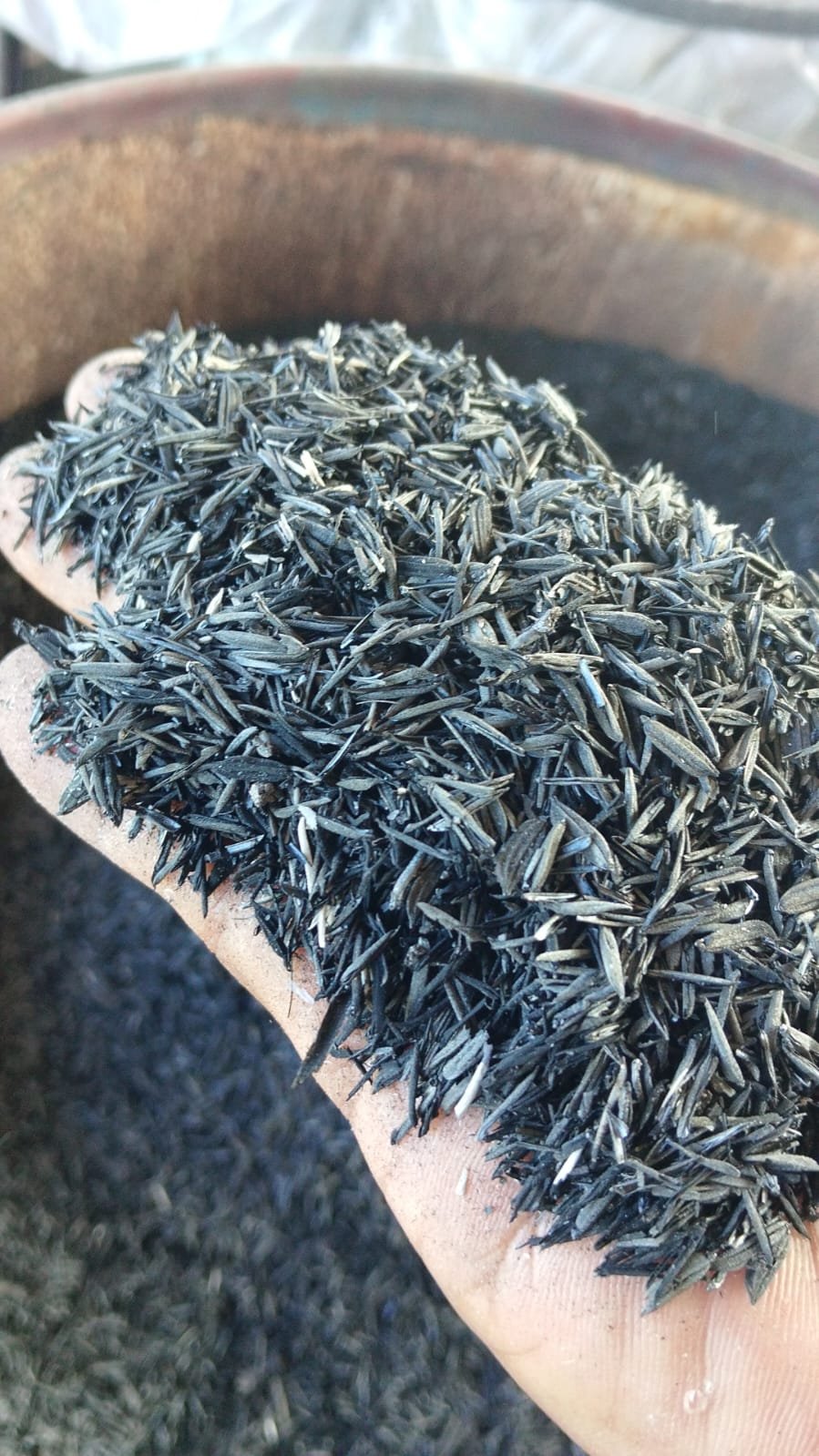
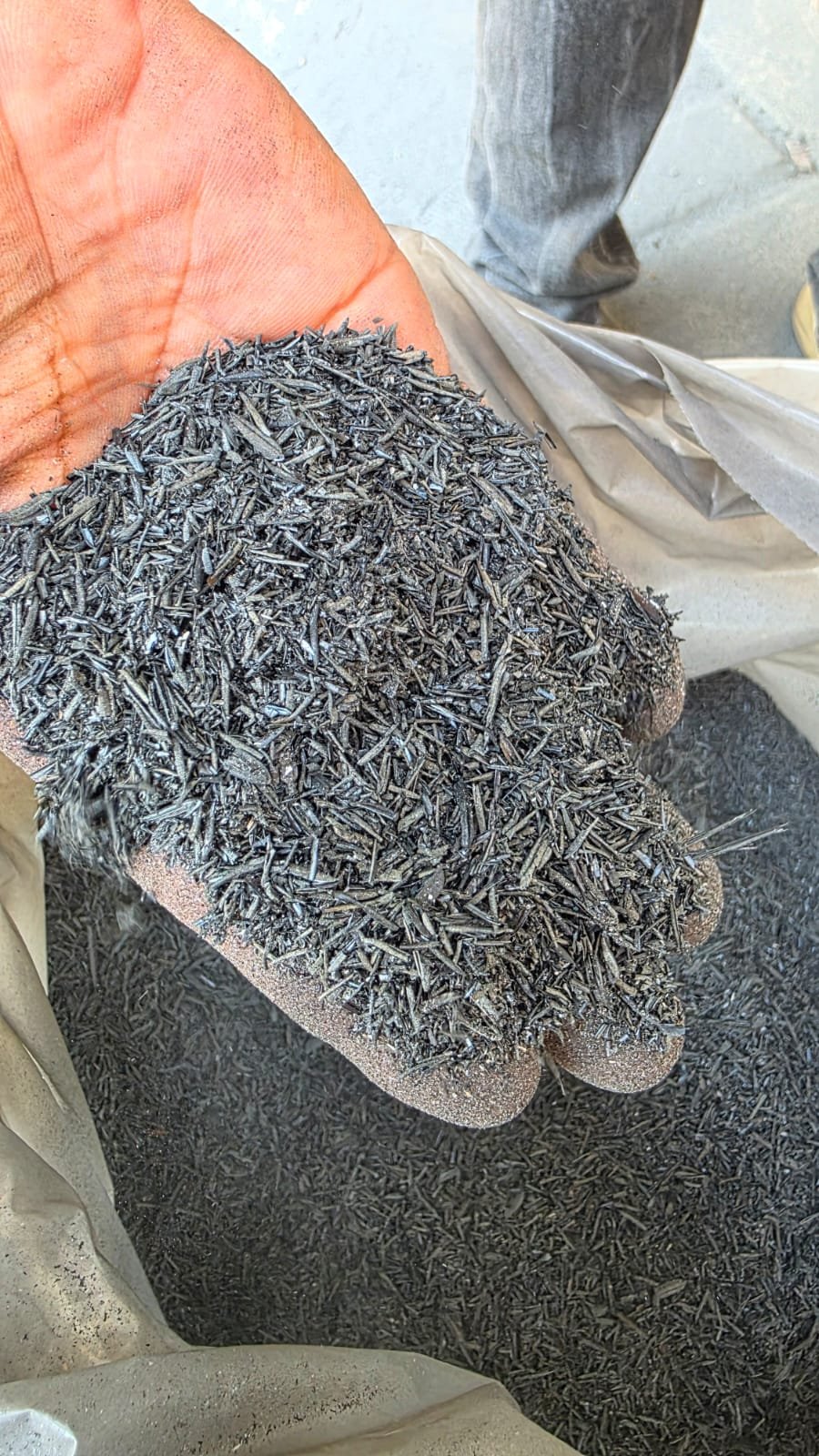
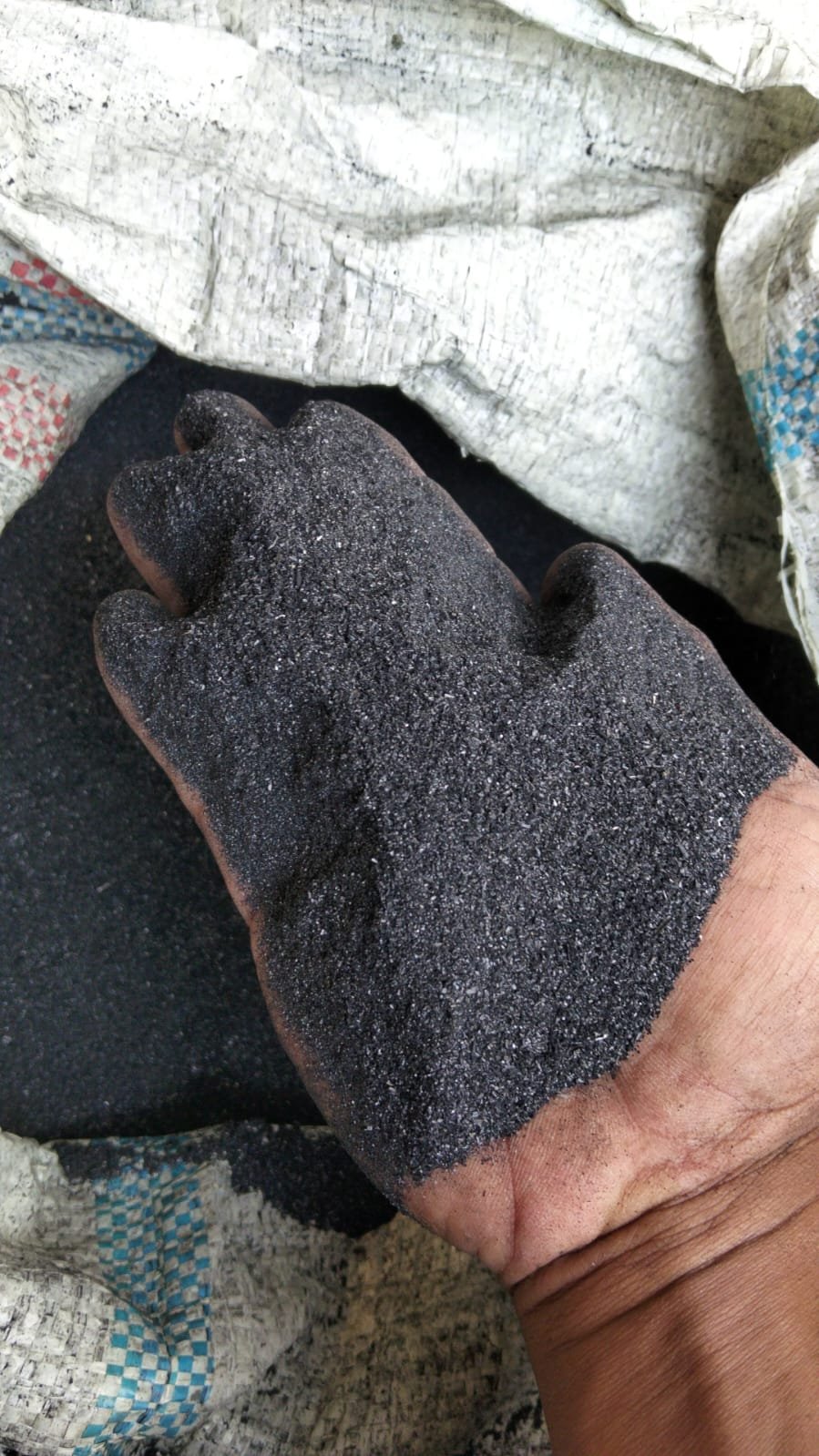
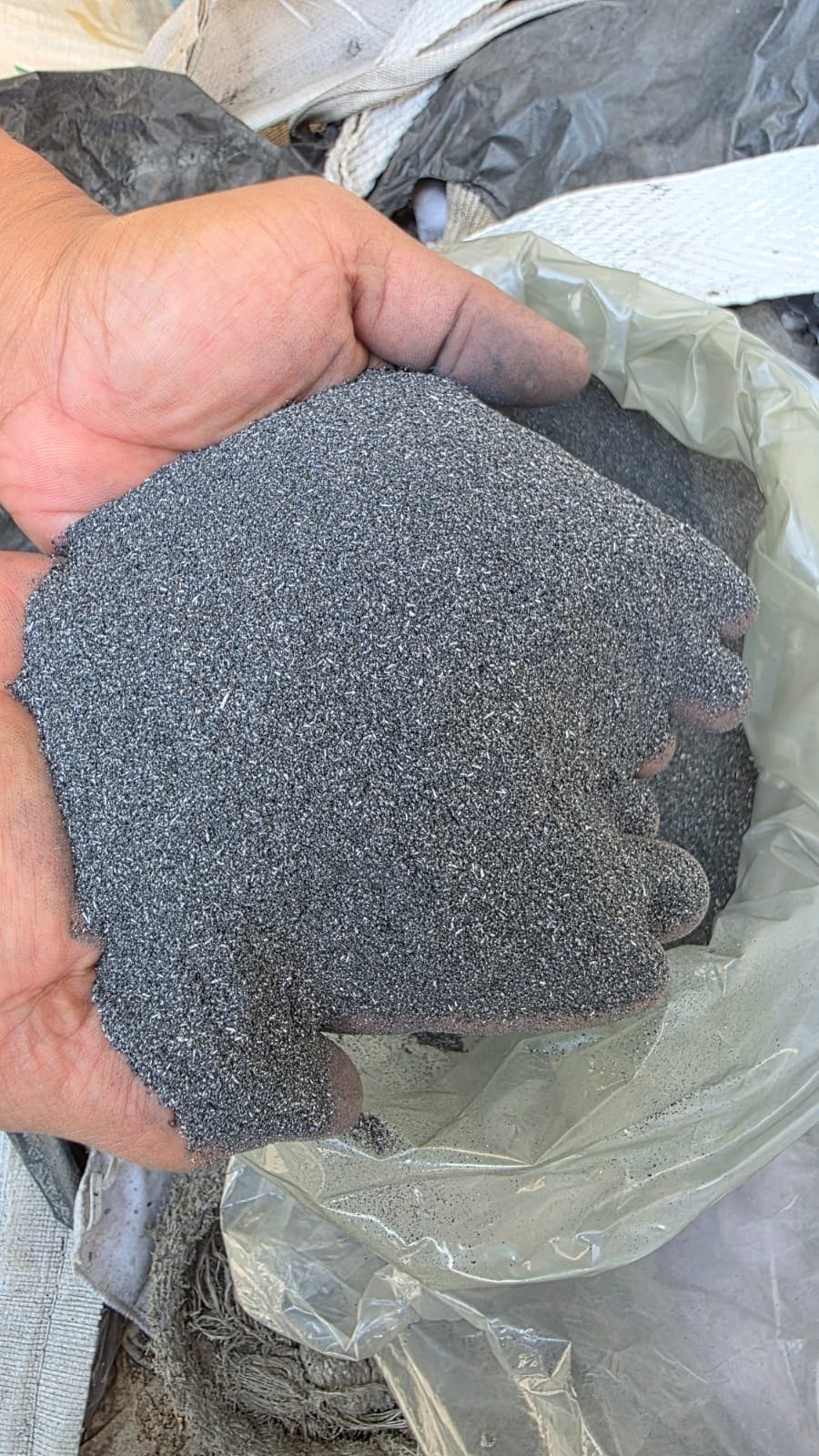
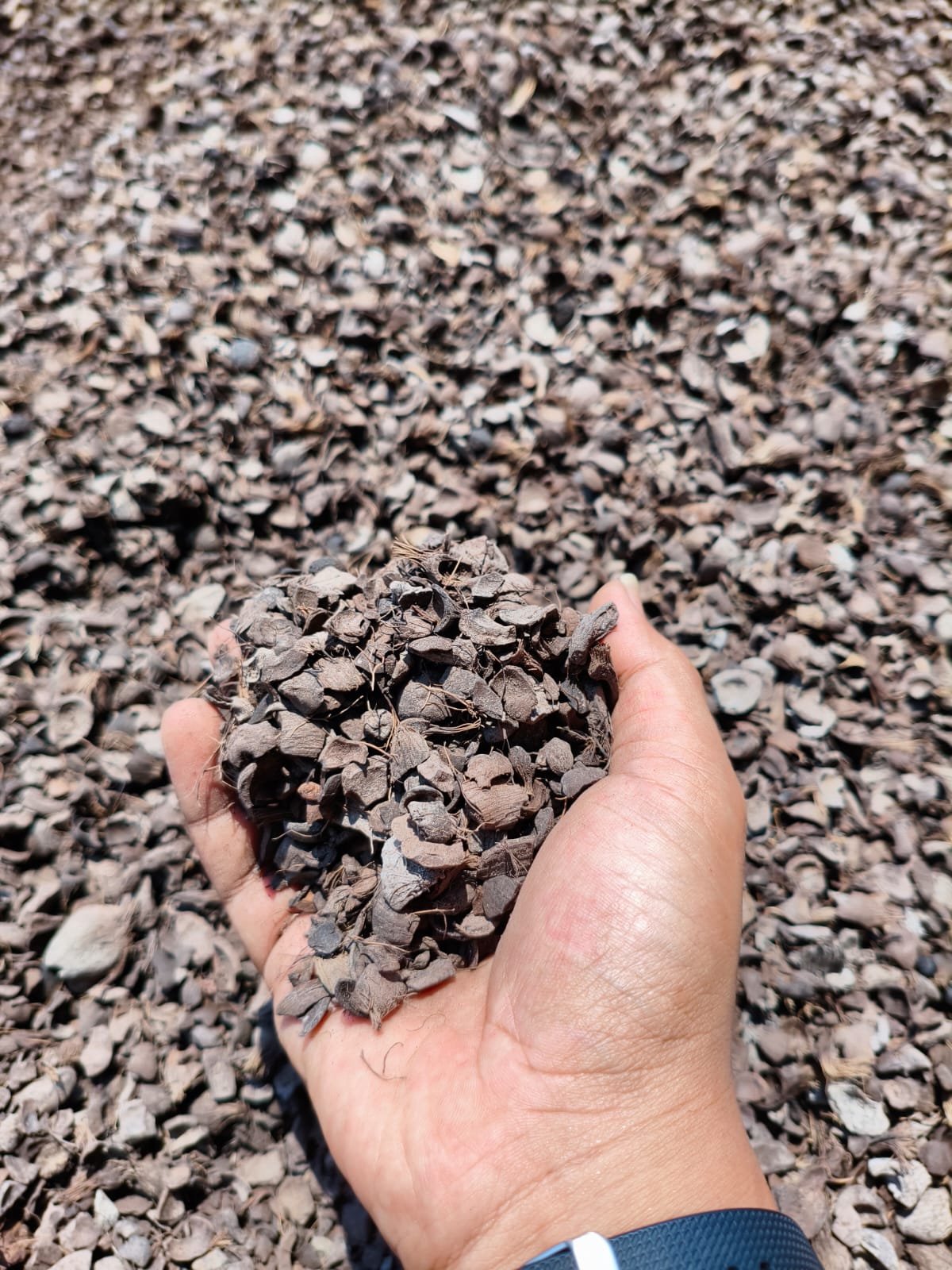
Rice husk charcoal finds its niche in high‑temperature processes where a stable, high‑carbon feed is crucial. In steelmaking, it serves as a reducing agent, offering a cleaner alternative to coal and lowering the overall carbon footprint of the blast furnace. Cement manufacturers use the Mid C RHA variant, whose 80% SiO2 and 5–15% carbon content acts as a partial clinker replacement, reducing energy consumption and CO₂ emissions. Power plants in Gresik and surrounding regions co‑fire rice husk charcoal with coal, taking advantage of its 3105 kcal/g energy density and low ash content. The High C RHA is increasingly adopted for activated carbon production, leveraging its 34.8% fixed carbon and 67.6% SiO2 for superior adsorption performance. Finally, the charcoal’s fine particle size and low moisture (9.5%) make it ideal for industrial boilers that demand consistent combustion.
When sourcing rice husk charcoal, price is not the sole determinant—quality and logistics play equal roles. Moisture content below 10% is essential to maintain combustion efficiency; suppliers with strict drying protocols command a premium. Bulk density, typically 100–120 kg/m³ for our natural rice husk charcoal, affects storage space and shipping costs, so factor in volume charges. Fixed carbon content, especially for High C RHA, influences calorific value and should be verified through third‑party testing. Delivery time from Gresik to Java’s industrial hubs averages 3–5 days, but delays can inflate freight costs. Finally, consider long‑term contracts with volume discounts; many buyers lock in prices during peak harvest seasons when raw material supply is abundant.
Compared to traditional coal, rice husk charcoal offers a lower ash signature, reducing slagging and fouling in furnaces. Its energy density of 3105 kcal/g is comparable to high‑grade lignite, yet its production involves no mining, eliminating land disturbance. Peat, another biomass option, carries high moisture and variable carbon content; rice husk charcoal’s consistent 9.5% moisture ensures predictable combustion. Wood chips, while renewable, often require higher transport volumes due to lower bulk density, driving up logistics costs. Moreover, rice husk charcoal’s carbon sequestration potential—by diverting waste from landfills—provides a measurable environmental advantage that coal cannot match.
The lifecycle of rice husk charcoal turns agricultural by‑product into a carbon‑neutral fuel. By replacing coal in steel and cement, we cut direct CO₂ emissions by up to 15% per ton of fuel. The 84.3% ash in Mid C RHA can be repurposed as a silica additive, closing the loop on waste. In Gresik, co‑firing rice husk charcoal has reduced local particulate emissions by 30%, improving air quality for nearby communities. Each ton of husk diverted from landfills also prevents methane release—an estimated 4.8 tons of CO₂ equivalent per ton of husk. These figures illustrate the tangible, quantifiable benefits that resonate with ESG‑focused investors.
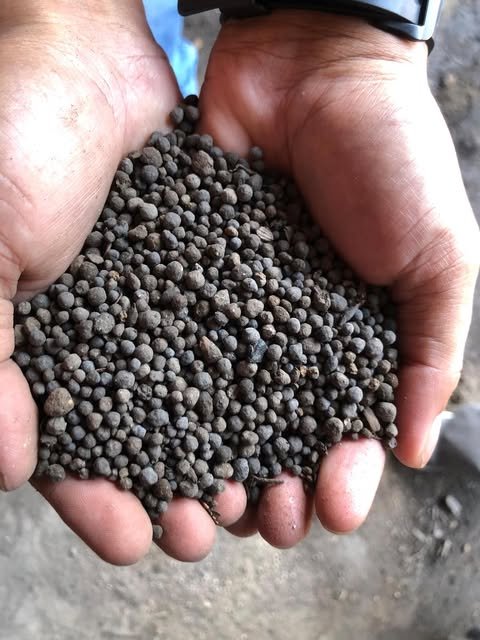
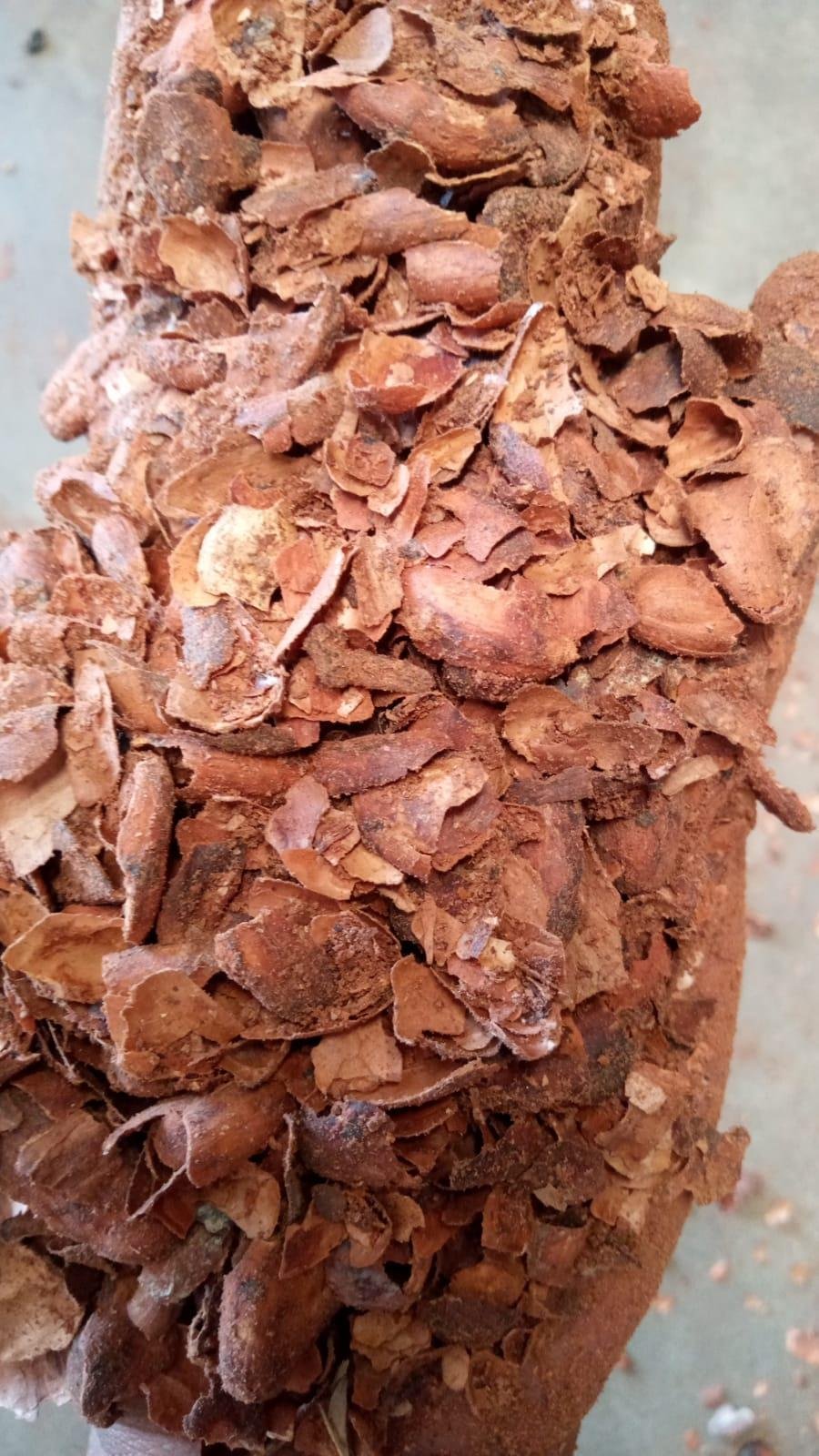
Our natural rice husk charcoal delivers 3105 kcal/g of energy, with a moisture content capped at 9.5%. Bulk density ranges from 100 to 120 kg/m³, ensuring efficient storage and transport. Mid C RHA boasts a minimum of 80% SiO2, 5–15% carbon, and 84.3% ash, ideal for steel and cement applications. High C RHA contains 34.8% fixed carbon and 67.6% SiO2, making it a top‑tier feedstock for activated carbon. Pure White RHA offers SiO2 above 92%, suited for high‑grade silica products. Our feed meal and organic fertilizer blends also reflect our commitment to circularity.
Rice husk charcoal is produced by pyrolyzing the fibrous residue left after rice grains are milled. The process captures heat, yields a high‑carbon solid, and retains silica content inherent to the husk. Historically used as a low‑grade fuel in rural settings, it has evolved into a strategic industrial resource. In Indonesia’s fast‑growing manufacturing sector, it supports everything from metallurgical processes to renewable energy generation. Its dual role—as a clean energy source and a raw material for silica‑based products—places rice husk charcoal at the intersection of sustainability and profitability.
PT ABA Help Desk