PT Aji Bakuh Anugrah — Gresik, East Java, Indonesia
06 Oct 2026 · PT Aji Bakuh Anugrah
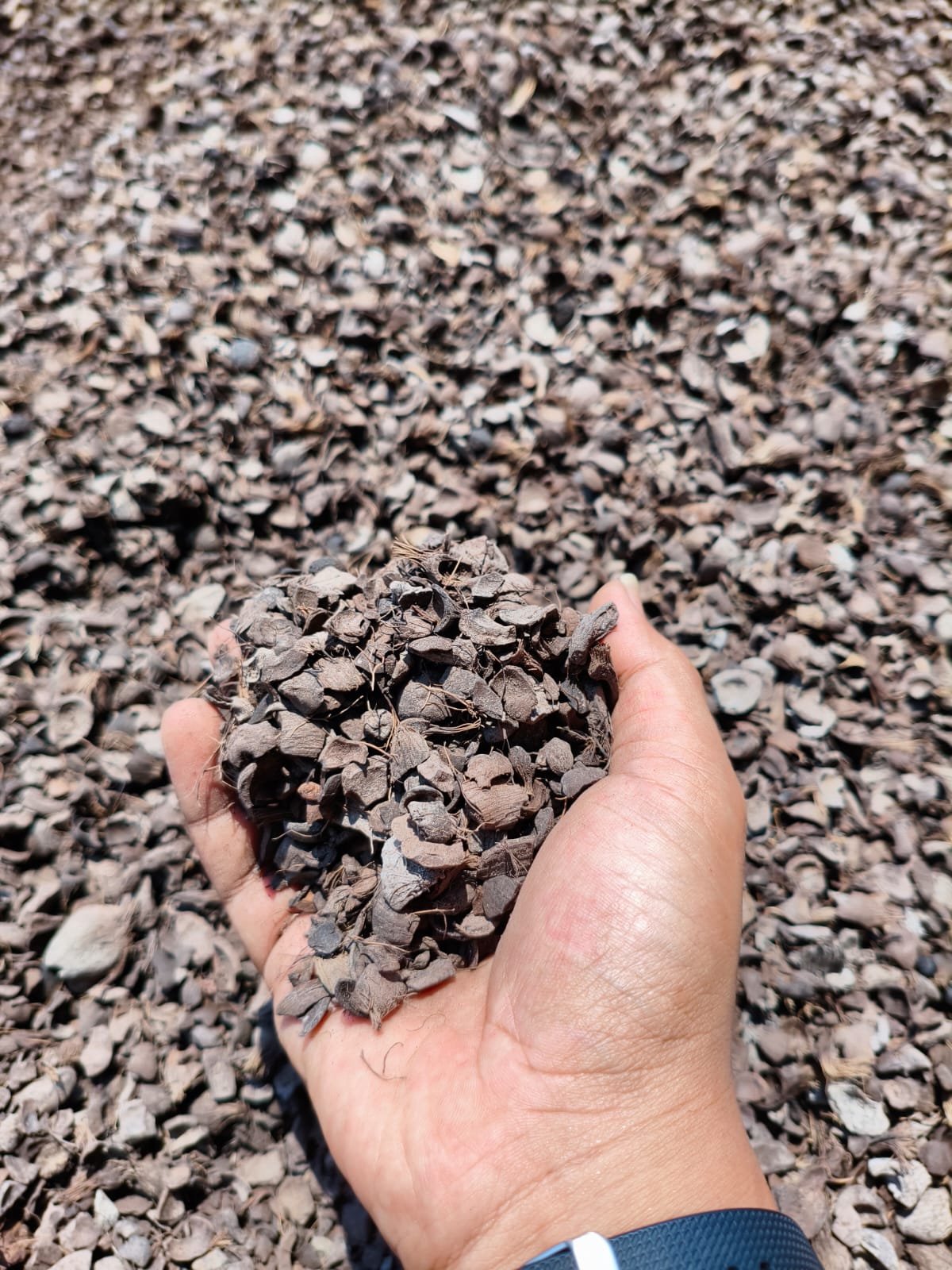
Did you know that the average cotton lint yields in Southeast Asia can reach 70% higher when paired with high-quality cotton shells? At PT Aji Bakuh Anugrah, we’ve seen this boost first hand in local textile mills. Our cotton and coconut shells come directly from Thailand and Indonesia, ensuring consistency. They’re more than waste—they’re a renewable energy source. Let’s dive into why they matter for your operations.
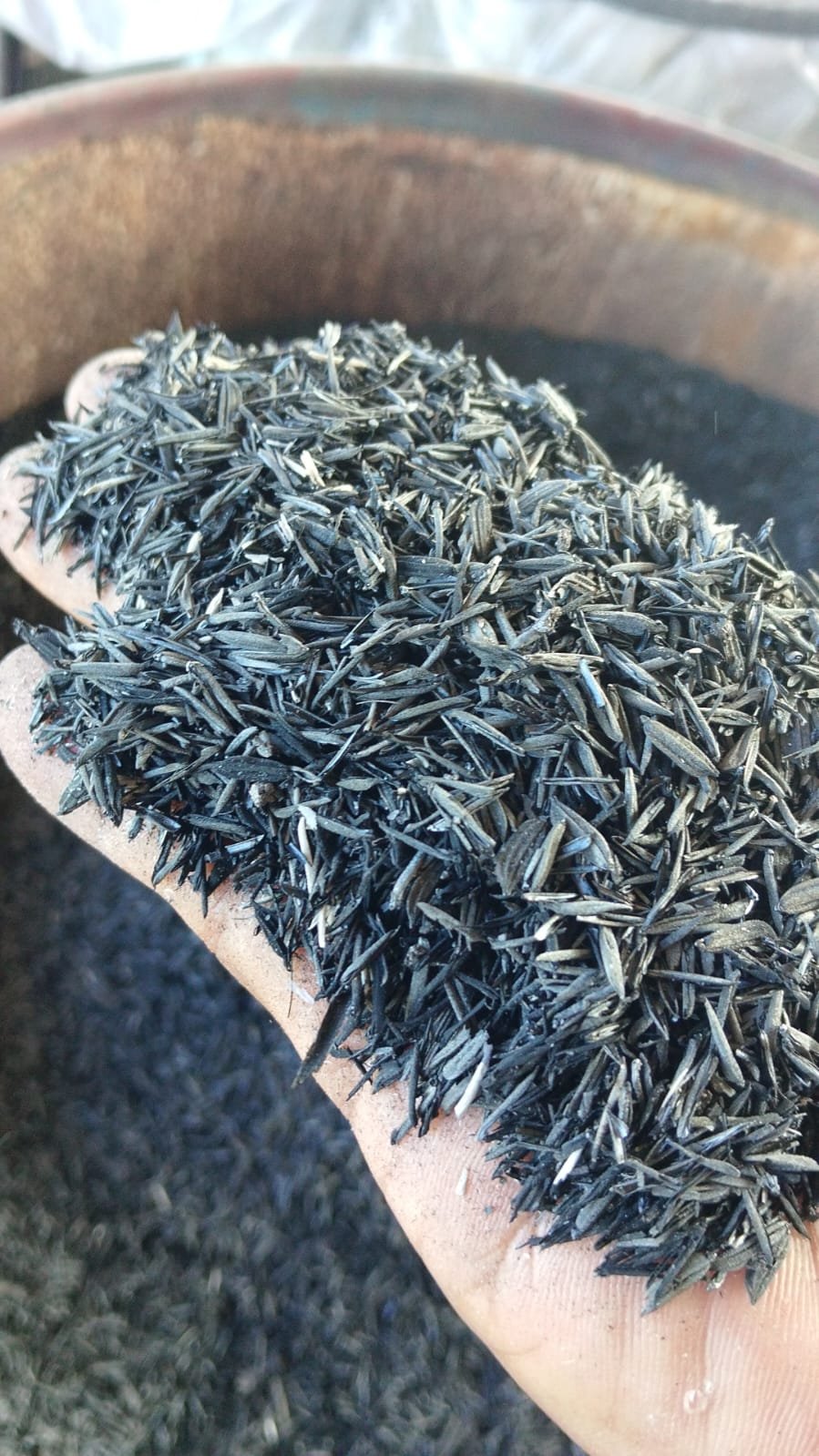
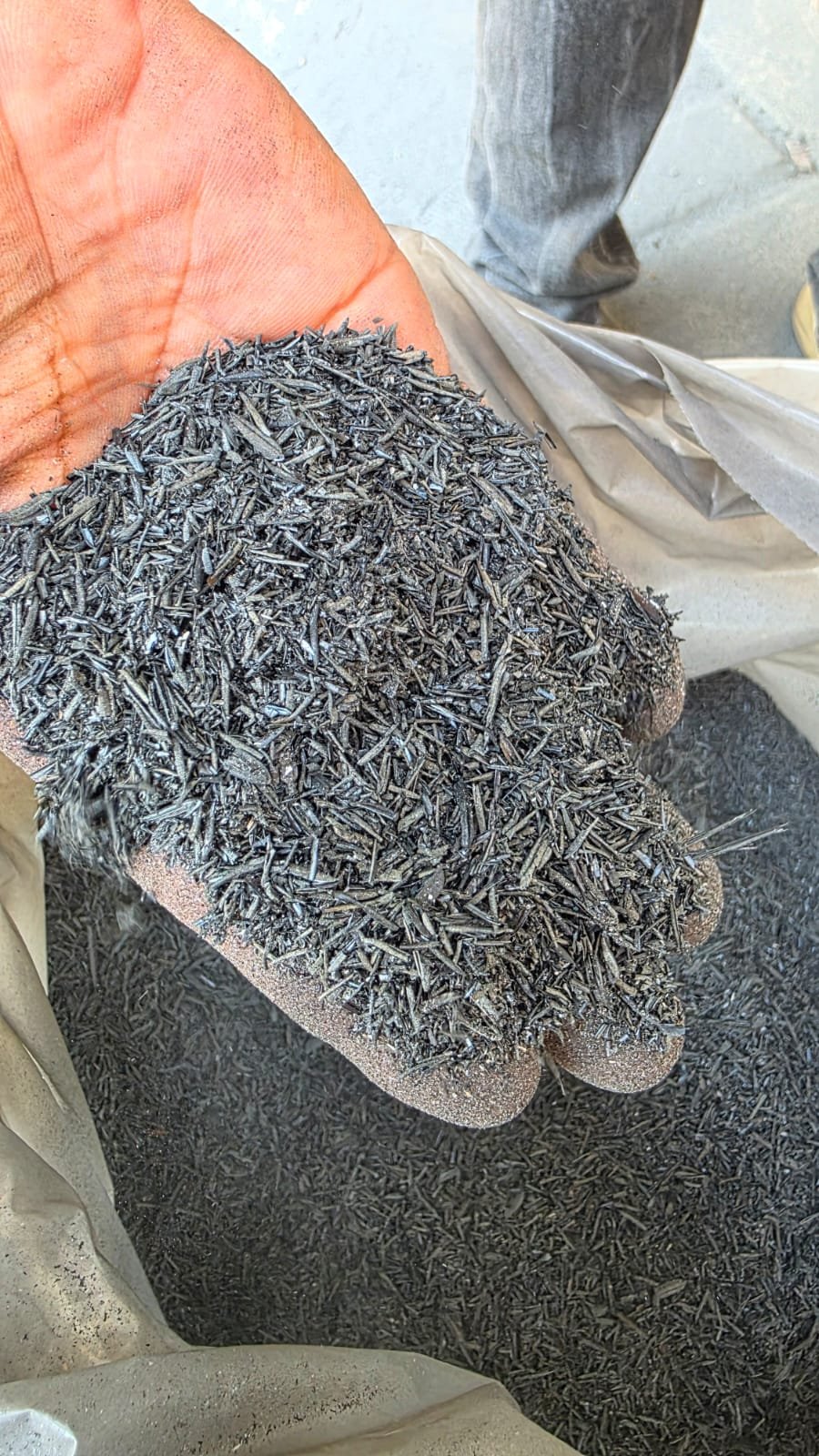
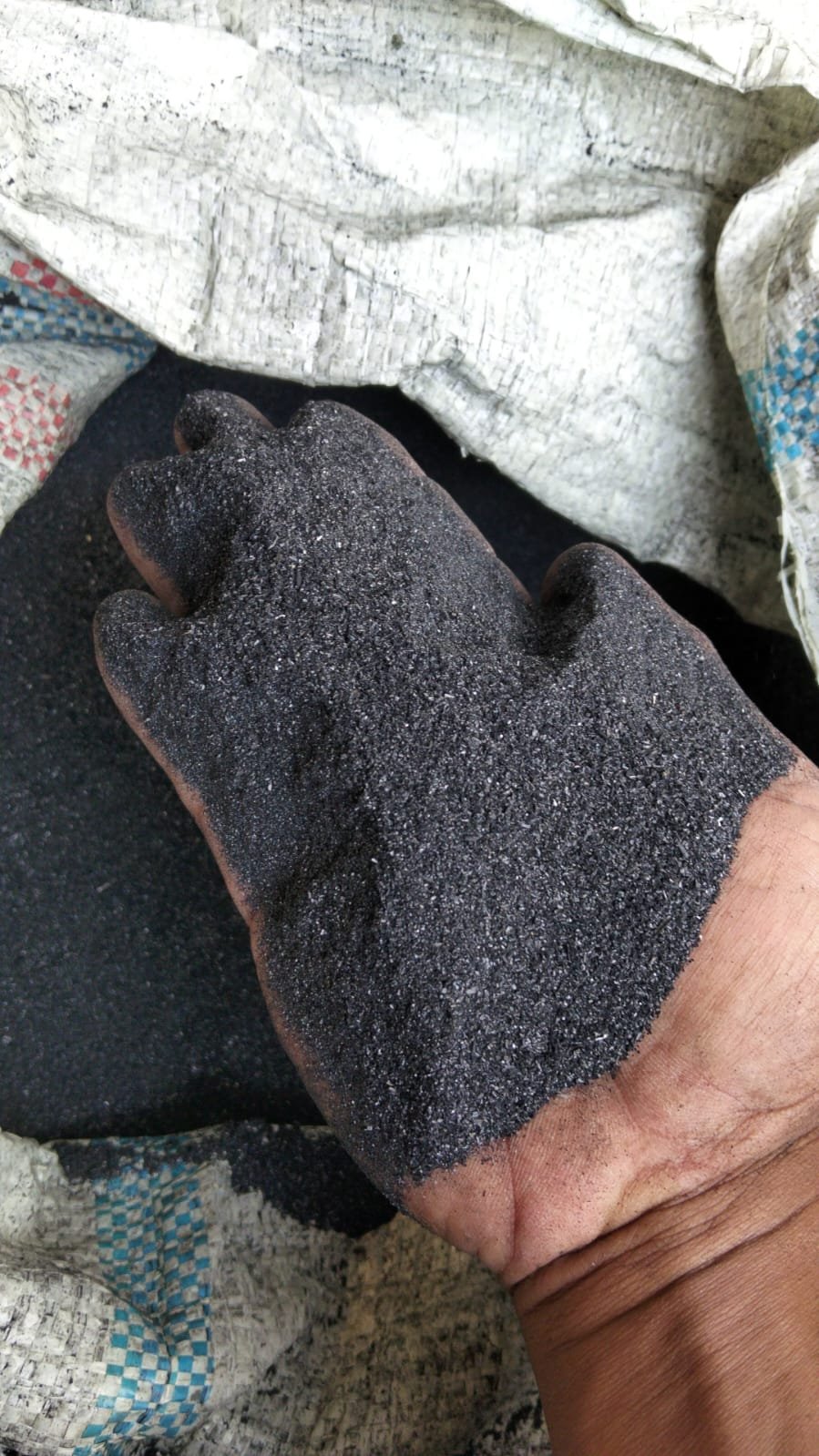
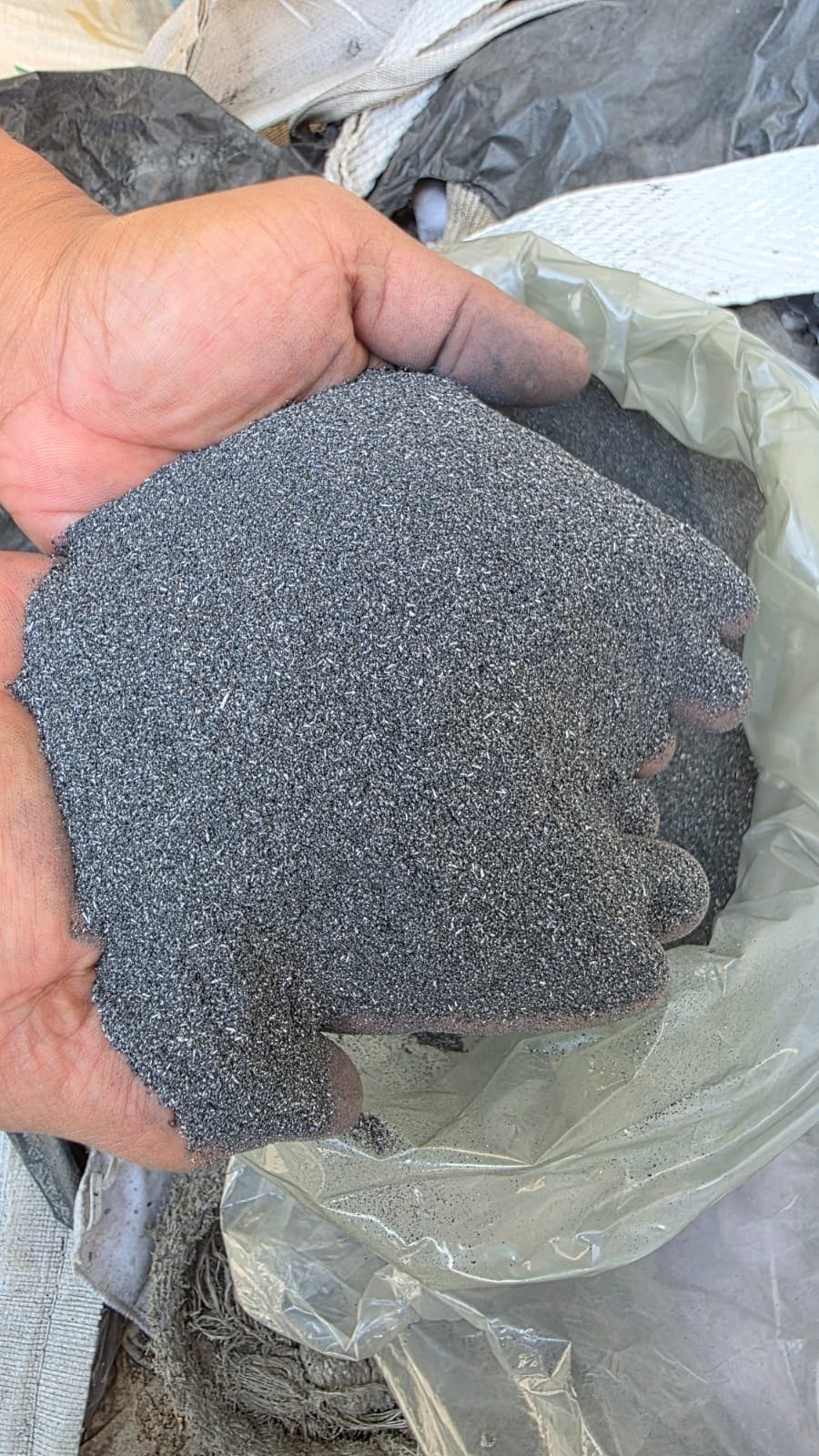
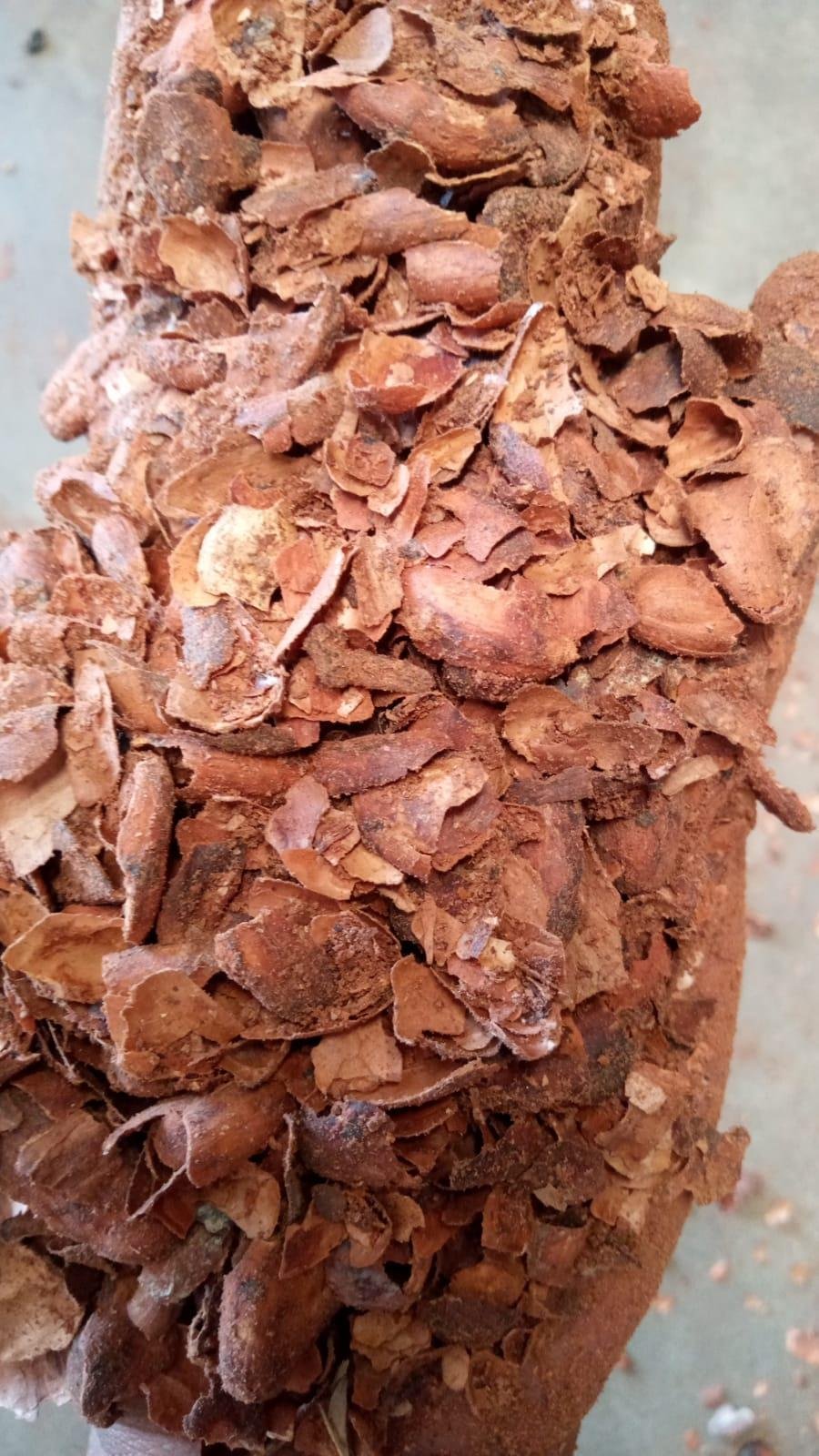
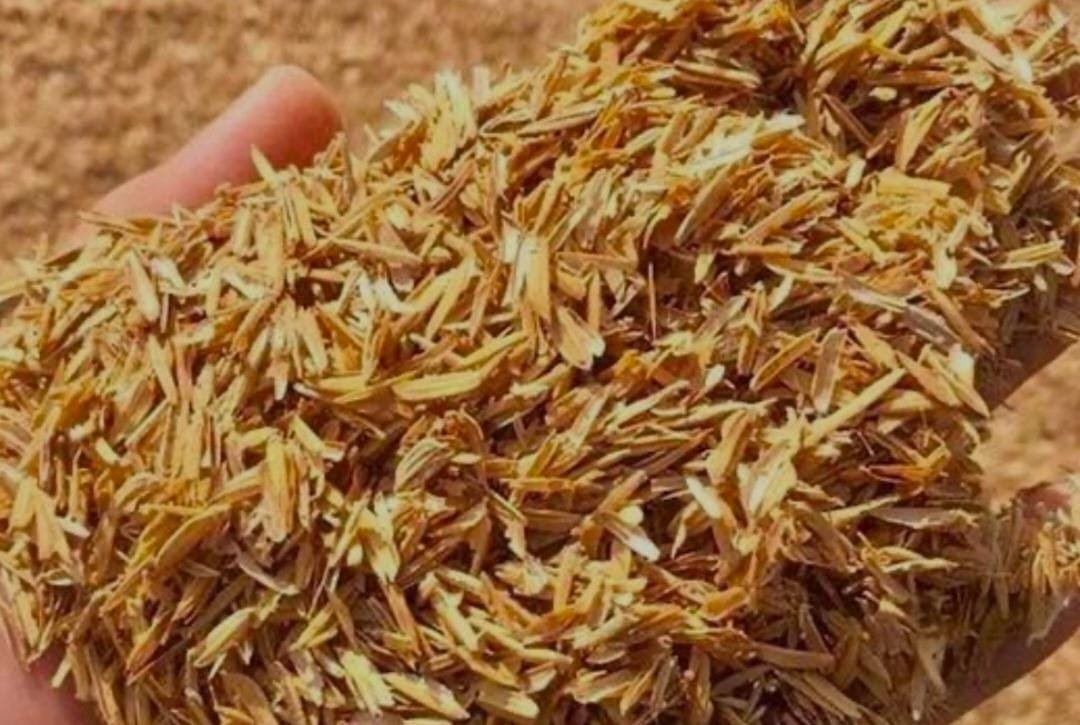
Our cotton shells are harvested from the highest-yield farms in Thailand and Vietnam, boasting a moisture content of 9–10%, mirroring the optimal level found in Rice Husk Natural. The SiO₂ content averages 14–15%, ensuring a robust silica framework that supports thermal stability. Bulk density ranges between 100–120 kg/m³, making transport and storage efficient. When blended with coconut shells, the combined ash content remains under 5%, a key factor for clean combustion. These numbers translate to reliable energy output and predictable feedstock performance.
Unlike conventional wood chips, cotton shells provide a higher fixed carbon fraction—around 34.8%—comparable to High C RHA, which is prized for activated carbon production. Coconut shells, while rich in lignin, have a slightly higher moisture ceiling of 15%, making them less ideal for rapid combustion without pre‑drying. Our blend achieves a balanced SiO₂:carbon ratio that outperforms typical palm kernel shells, which sit at 5–15% carbon and 84.3% ash. This superior ratio delivers cleaner ash residue and lower emissions in steel and cement kilns. Buyers who prioritize low sulfur and nitrogen outputs will find our product markedly advantageous.
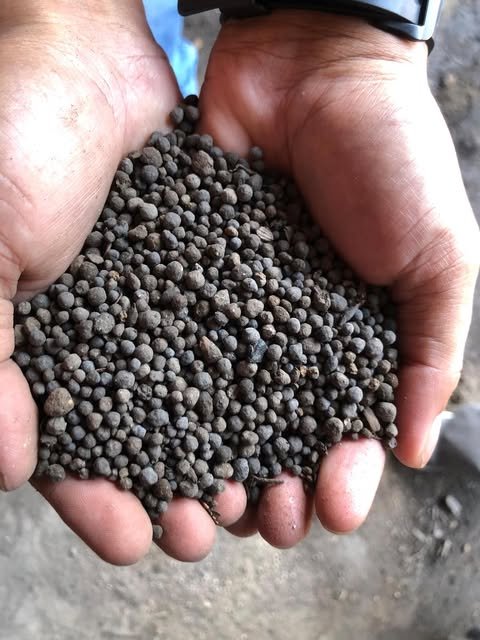
In power plants across Java, co‑firing cotton and coconut shells with coal reduces CO₂ emissions by up to 30%. Steel mills in Jakarta have integrated High C RHA‑like cotton shells into blast furnaces, cutting slag volume by 12%. Cement producers in Surabaya use our shells to replace 10% of clinker, lowering their energy bill while meeting ESG targets. The agricultural sector in Bali harnesses the shells for bio‑fertilizer, benefiting from the 1.2% nitrogen content of our composted rice husk‑derived fertilizer. Each application demonstrates tangible cost savings and regulatory compliance.
Cotton shells are the protective hulls surrounding cotton fibers, often discarded after ginning. Coconut shells, the hard outer layer of the coconut fruit, are a resilient biomass source with high lignin content. Together, they form a versatile feedstock for co‑firing, bio‑fuel production, and raw material for activated carbon. The industry has seen a shift toward these shells as governments push for renewable energy pathways. They offer a stable supply chain, especially from export hubs like Thailand and Indonesia.
When sourcing cotton and coconut shells, examine moisture content and SiO₂ levels; lower moisture and higher silica mean fewer handling costs. Consider bulk density—100–120 kg/m³ is ideal for rail and truck transport, reducing unit costs. Verify that ash content stays below 5% to avoid fouling in boilers. Price is influenced by seasonal harvests; peak cotton harvest in December can raise costs by 8%. Finally, evaluate the supplier’s logistics footprint—proximity to your plant cuts both carbon and expense.
Using cotton and coconut shells diverts waste from landfills, turning it into clean energy or value‑added products like activated carbon. Their combustion emits 20–25% less CO₂ per MJ than coal, aligning with Indonesia’s 2030 emissions targets. When processed into fertilizer, the 1.2% nitrogen content supports sustainable agriculture, reducing synthetic fertilizer dependency. The low ash and moisture profile also means less slag and water usage in kilns, saving up to 30 % of water per ton. Overall, a single ton of our shells can offset roughly 2 tCO₂e across the supply chain.
PT ABA Help Desk