PT Aji Bakuh Anugrah — Gresik, East Java, Indonesia
06 Oct 2026 · PT Aji Bakuh Anugrah
Did you know that a single palm kernel shell can generate more than 4,600 kilocalories of energy? In Indonesia, where palm oil remains a cornerstone of agriculture, this by‑product is turning into a powerful energy source. At PT Aji Bakuh Anugrah’s Gresik warehouse, we saw how farmers and manufacturers are turning waste into profit. From co‑firing in power plants to feeding industrial boilers, the shell’s low moisture and high GCV make it a preferred choice. Let’s explore why this biomass is gaining traction.
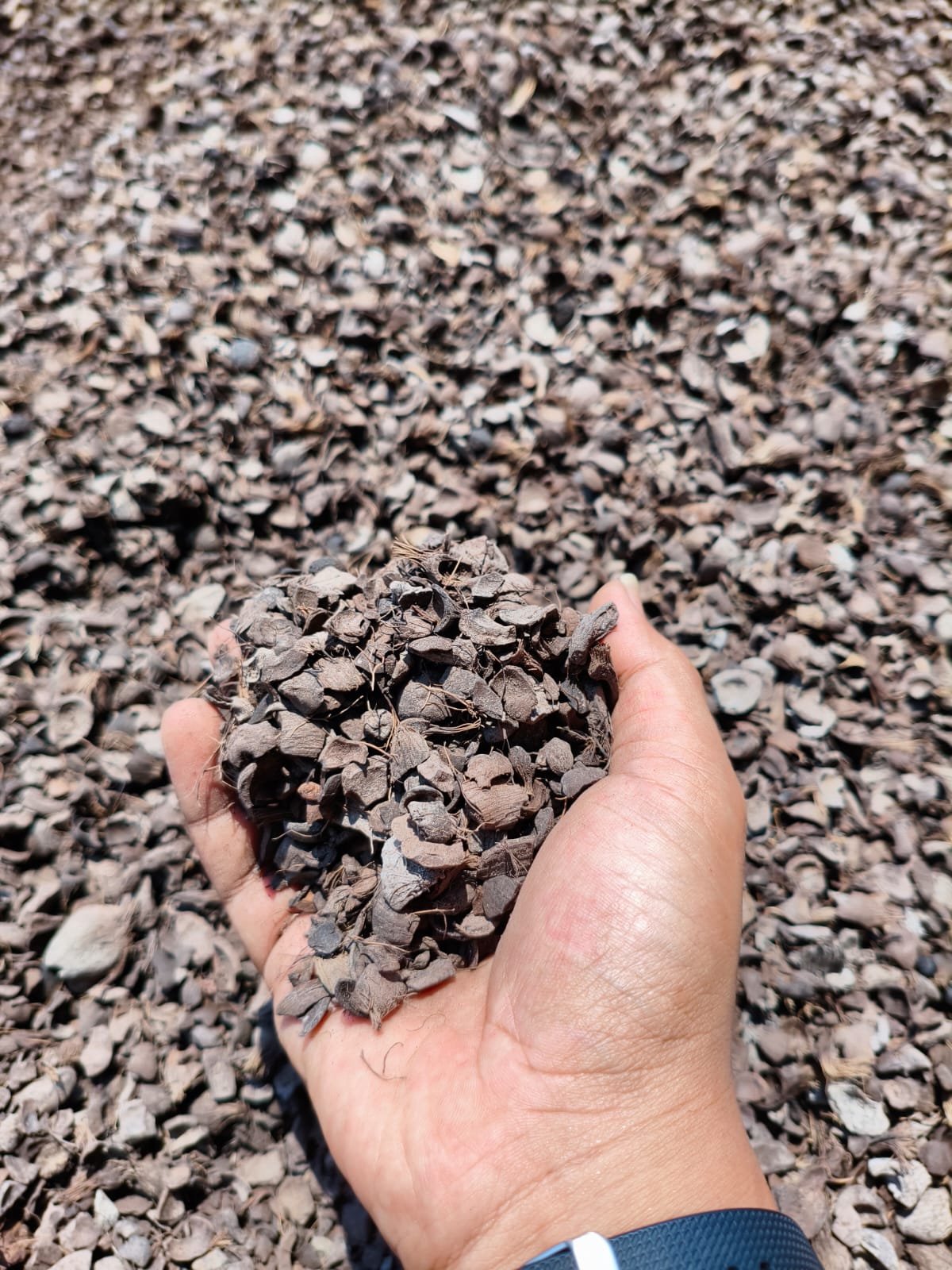
Palm kernel shell is the hard outer shell of the oil palm fruit, discarded after oil extraction. In Gresik, local mills produce tonnes of this biomass daily, creating a steady supply chain. The shell is lightweight yet dense, making it easy to transport and store. Farmers often view it as waste, but it actually offers a valuable energy resource. This shift from landfill to fuel aligns with Indonesia’s growing renewable energy targets.
Burning palm kernel shell reduces carbon emissions compared to coal, with a 30% lower CO₂ footprint per kilowatt hour. Because it is a renewable by‑product, it closes the loop in the palm oil value chain. In practice, co‑firing the shell in existing boilers cuts fuel costs by up to 25%. The residue is ash‑rich, which can be repurposed as a soil amendment, further reducing waste. These measurable gains support local and national sustainability goals.
Palm kernel shell boasts a gross calorific value of 4,603 kcal/kg, making it a high‑energy feedstock. Moisture content is capped at 15%, ensuring efficient combustion. The shell’s bulk density ranges from 600–700 kg/m³, allowing for economical storage. Its low ash content keeps boiler slagging to a minimum. These numbers translate directly into predictable performance for power plants and industrial boilers.
When ordering, first confirm the moisture specification—anything above 15% can hamper combustion. Check the bulk density to estimate shipping costs. Buyers should also evaluate the source; local Gresik suppliers guarantee a transparent supply chain. Pricing is typically tied to market oil prices and transport distance. From our experience, negotiating a long‑term contract secures better rates and consistent quality.
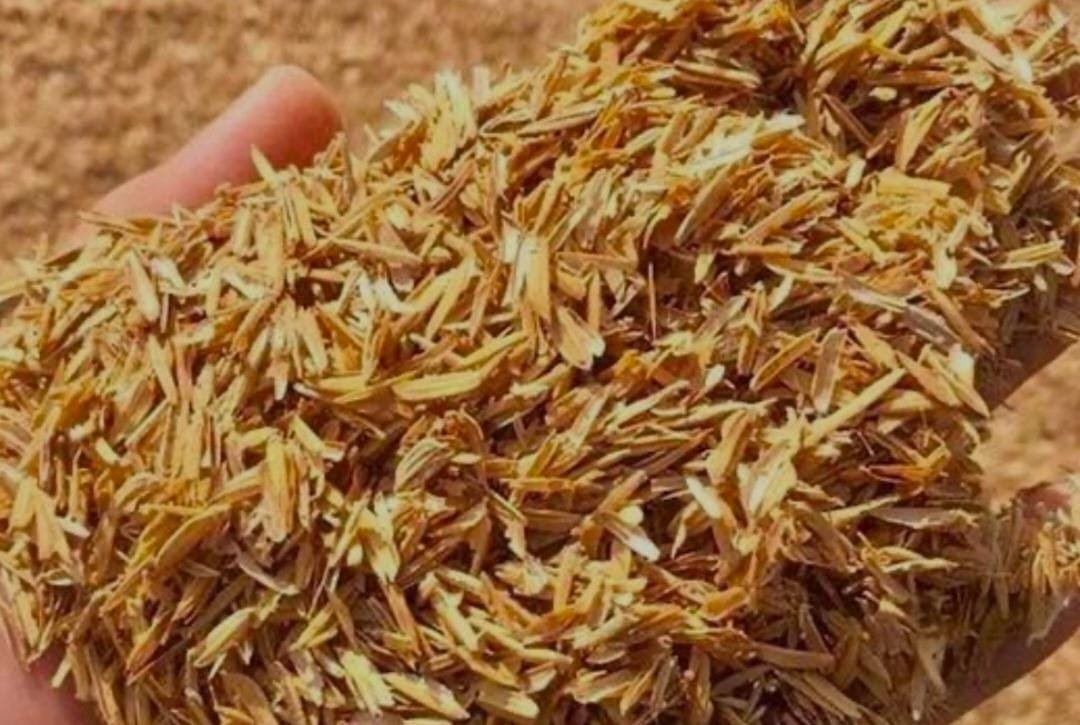
Compared to rice husk, palm kernel shell offers a higher GCV and lower ash, reducing boiler maintenance. It outperforms wood chips in moisture, which means fewer pre‑drying steps. The shell’s uniform particle size simplifies feed‑system design. Moreover, its availability in large volumes is a significant advantage for continuous power generation. In practice, this makes palm kernel shell a more economical and reliable option.
Power plants across East Java use the shell for co‑firing, cutting coal consumption. Cement factories employ it to preheat raw materials, improving energy efficiency. Small‑scale workshops in Gresik run boilers on the shell for steam production. Even the packaging sector uses the residual ash as a silica source. These diverse applications showcase the shell’s versatility across sectors.
PT ABA Help Desk