PT Aji Bakuh Anugrah — Gresik, East Java, Indonesia
28 Oct 2026 · PT Aji Bakuh Anugrah
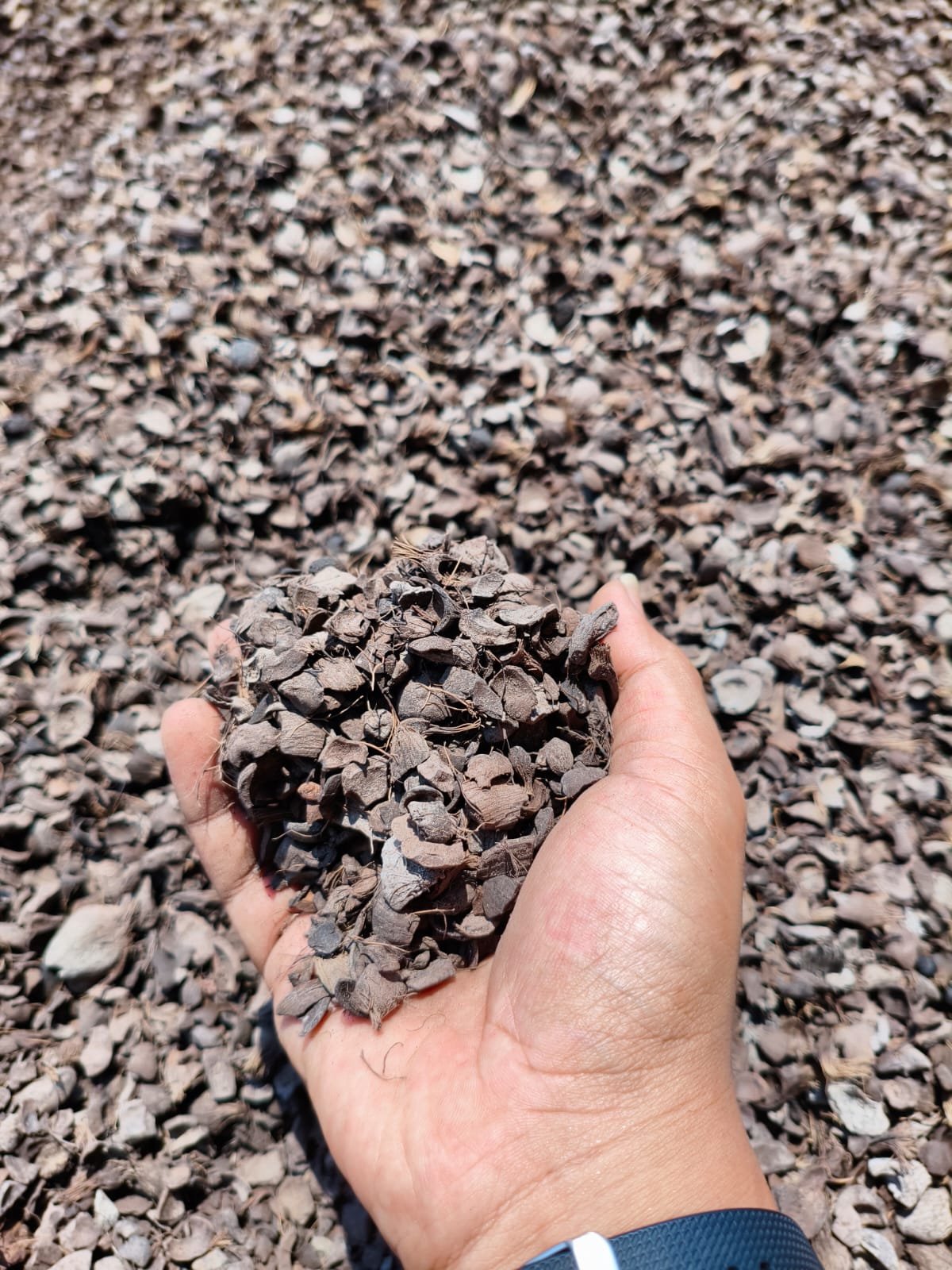
Did you know a single palm kernel shell can produce 4,603 kcal of energy? In Gresik, East Java, this high‑grade biomass is becoming a cornerstone for renewable power. It offers a clean, dry feedstock that can be fed directly into existing coal boilers. The result is a significant drop in coal consumption and emissions. For industries looking to balance cost and sustainability, palm kernel shell is hard to beat.
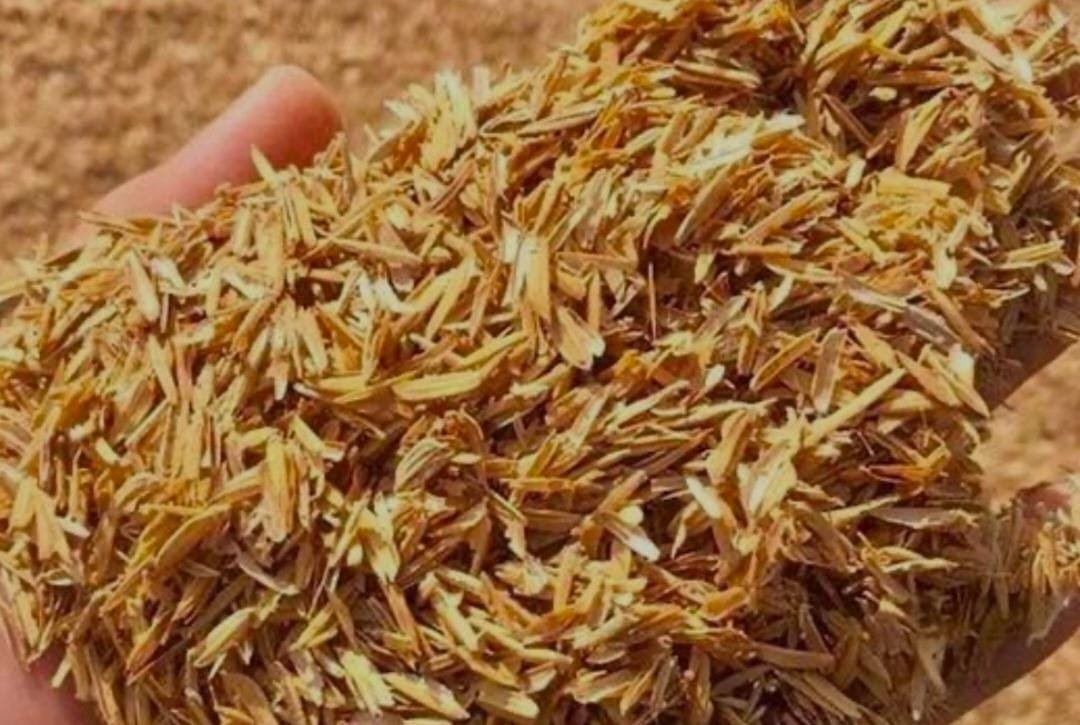
When evaluating high‑grade palm kernel shell, buyers should first look at moisture content, because a maximum of 15% keeps combustion efficiency high. Bulk density, typically 100‑120 kg/m³ for rice husk natural, also affects storage and transport costs. The GCV of 4,603 kcal/kg is a key metric for power plants; higher values mean fewer units needed for the same output. Price per tonne usually fluctuates with local supply—near Gresik, proximity to the port lowers shipping fees. Finally, consider the certification of the product; certified organic fertilizer derived from rice husk can fetch a premium in agribusiness markets.
High‑end palm kernel shell is the outer husk of the coconut‑like fruit found in oil palm plantations across Indonesia. It is rich in lignocellulosic material, providing a steady calorific value that makes it ideal for co‑firing with coal. In practice, the shells are first cleaned to remove impurities and then sized to a uniform particle range of 1‑3 mm. The result is a clean, dry feedstock that can be fed directly into pulverized coal boilers. Many power plants in Java and Sumatra have adopted it to meet Indonesia’s renewable energy targets. Its use also aligns with the circular economy by turning agricultural waste into a valuable energy source.
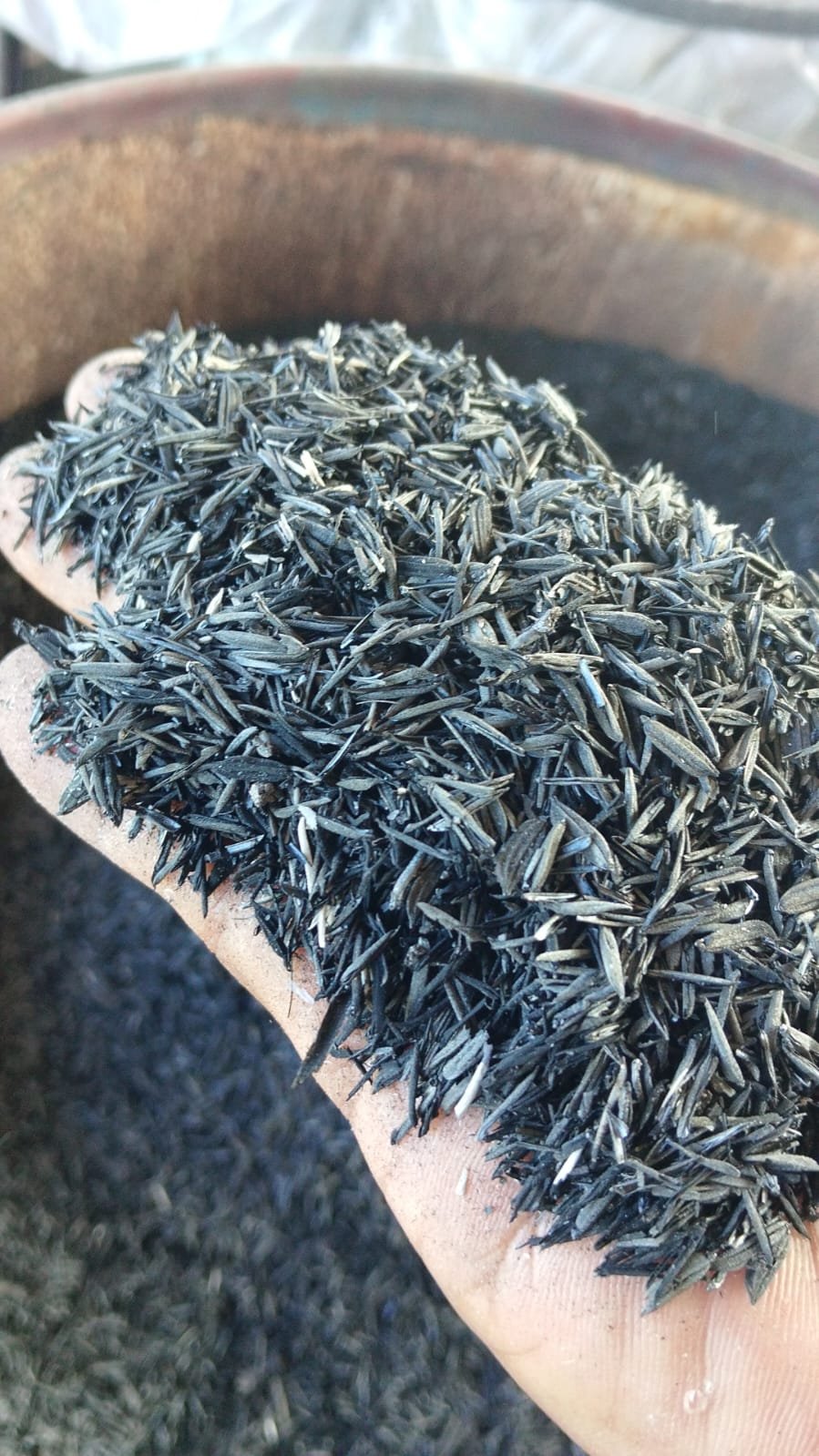
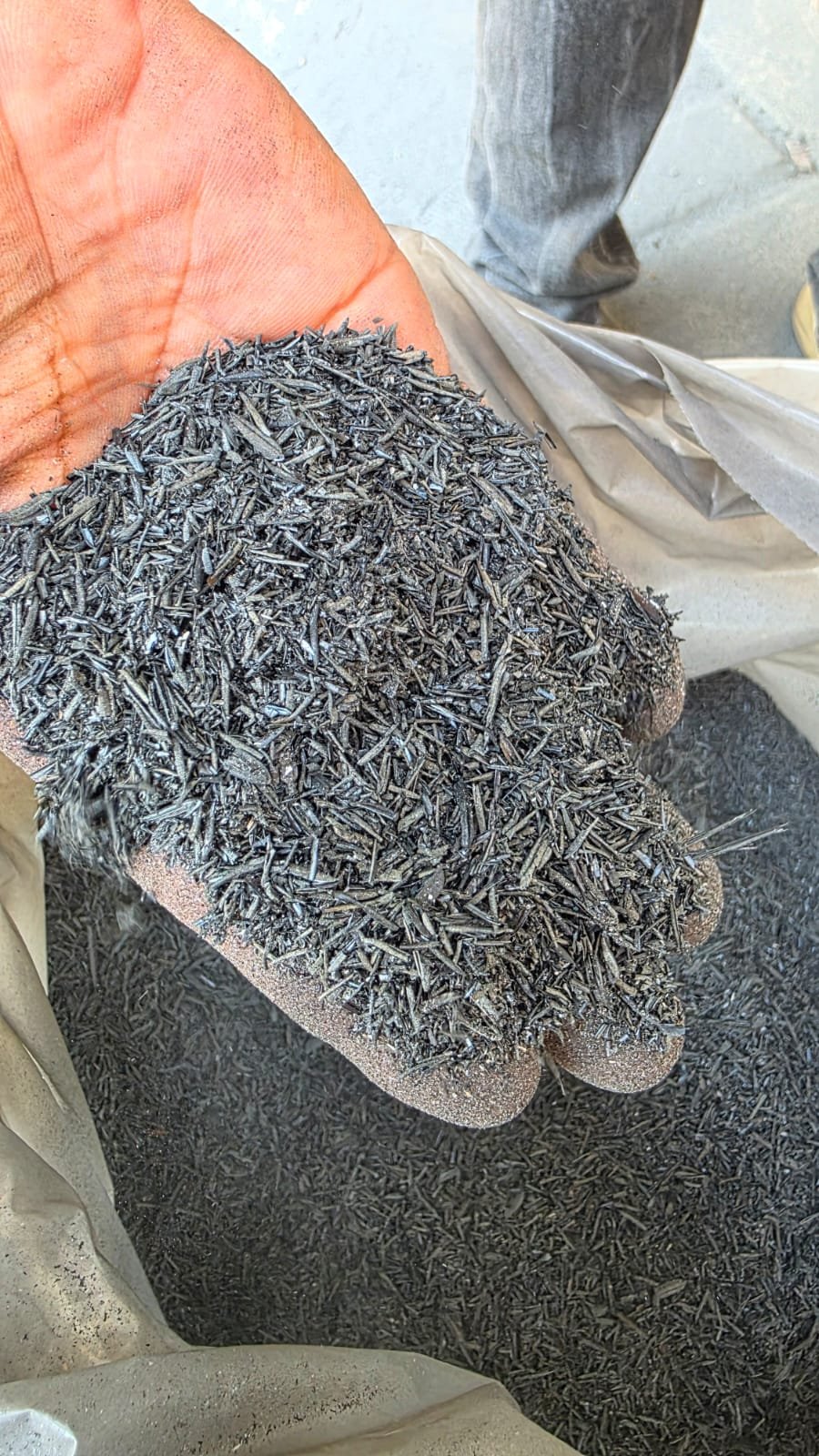
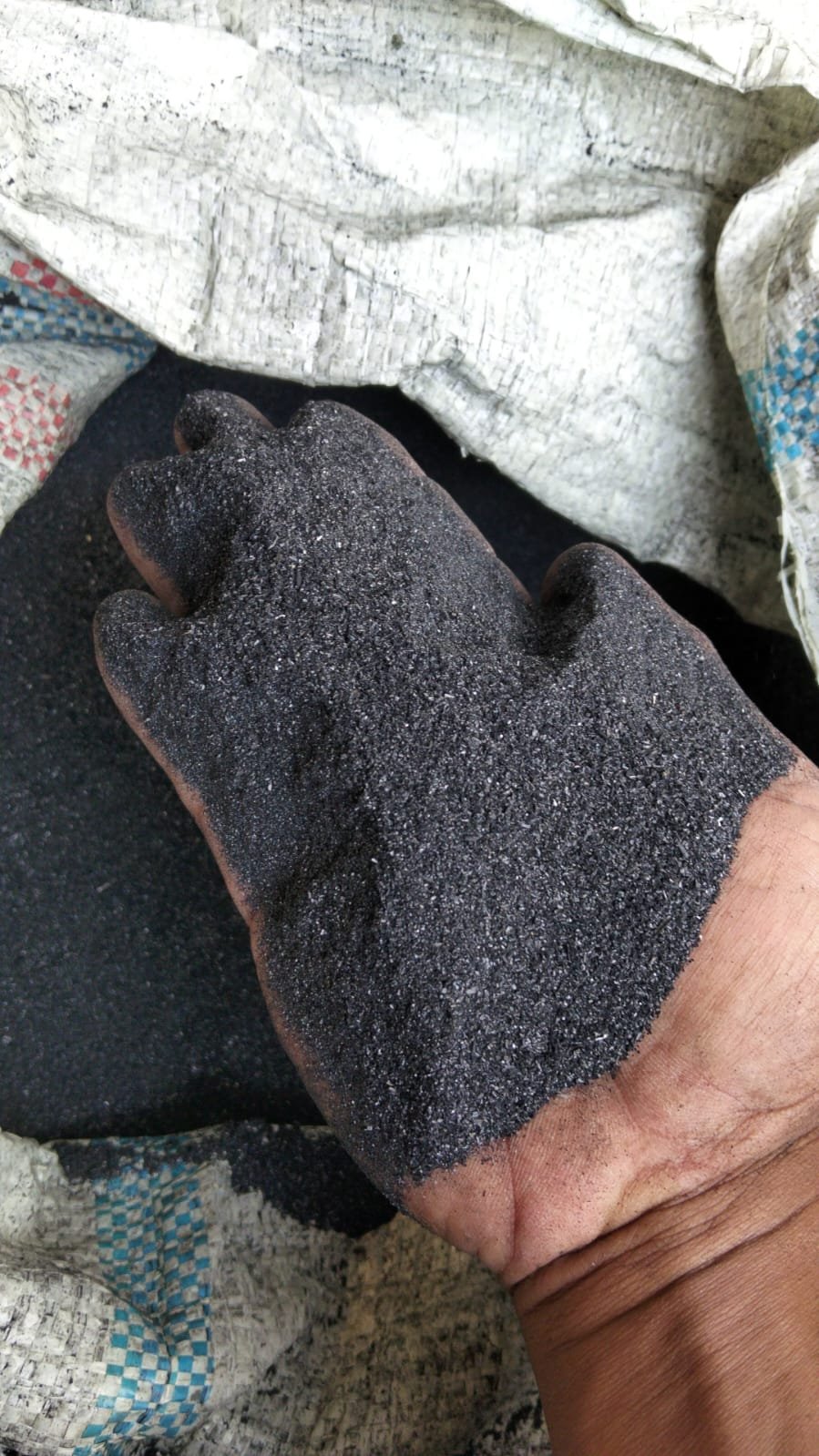
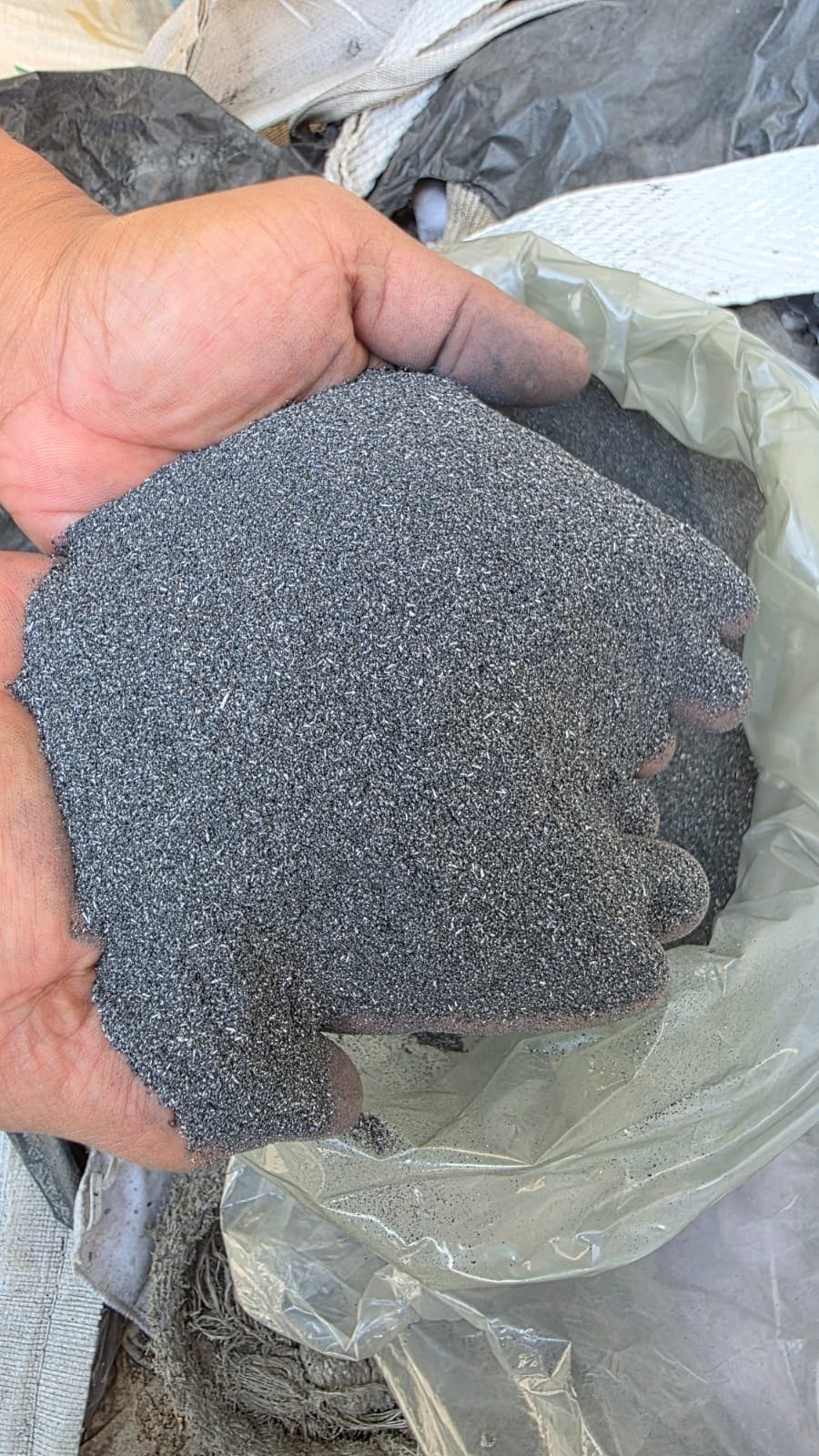
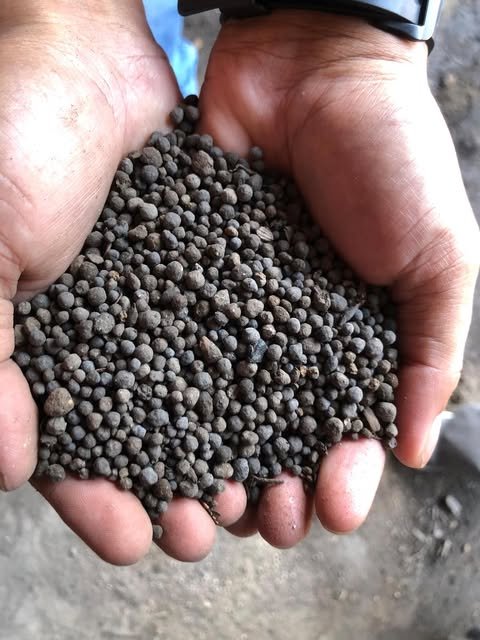
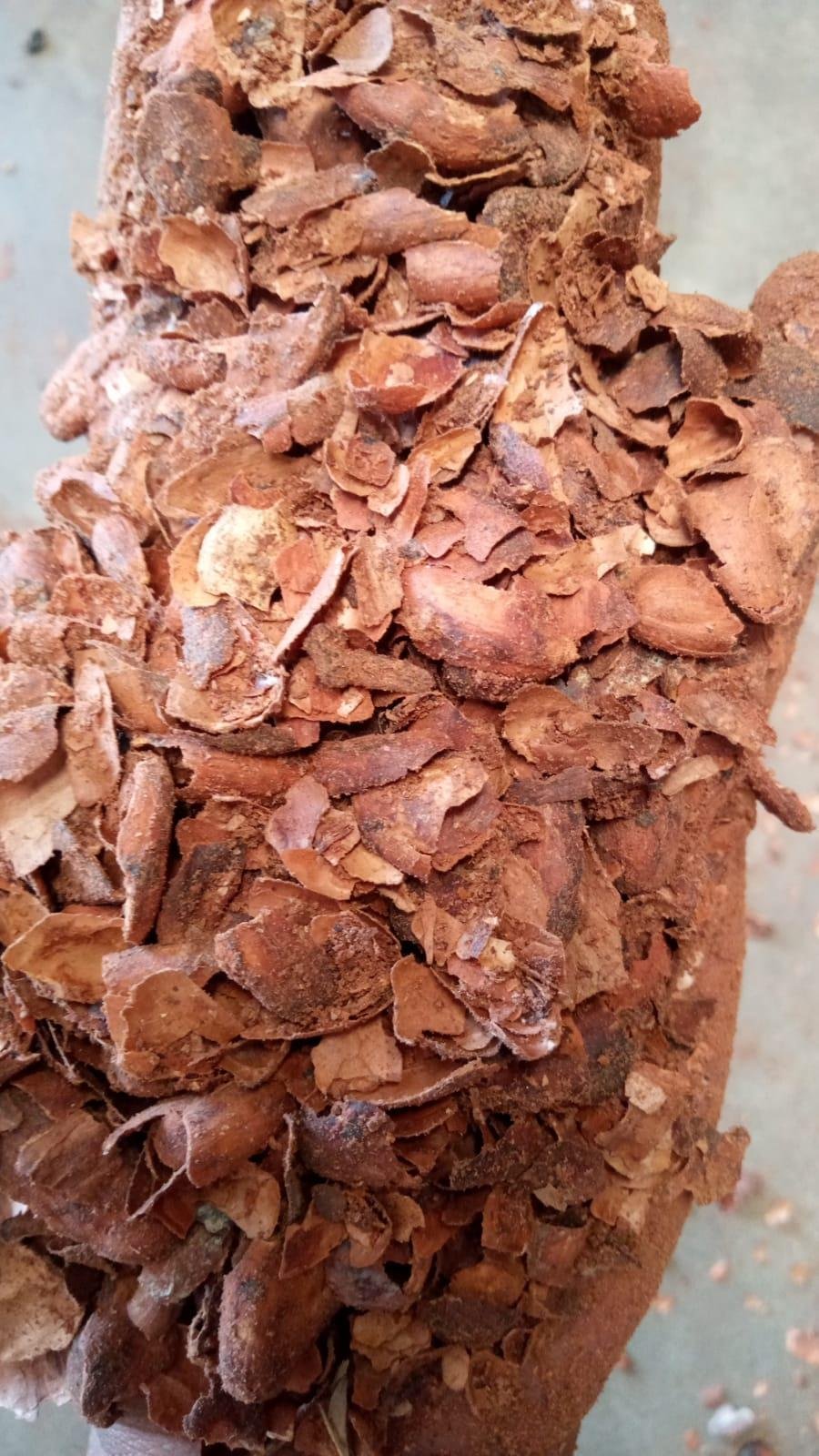
Co‑firing palm kernel shell is the most common industrial use, reducing coal consumption in thermal power plants. In the cement industry, the shell’s silica content (up to 67.6% SiO₂ in high‑C RHA) can be harnessed to produce high‑grade silica for cement additives. Steel mills also use Mid‑C RHA (SiO₂ ≥80%) as a supplementary cementitious material, improving strength and lowering carbon emissions. Agricultural sectors benefit from the derived organic fertilizer, which provides 1.2% N, 0.8% P₂O₅ and 1.5% K₂O to crops. Feed manufacturers incorporate the shell into protein‑rich feed meals, where the 16.19% protein content from cocoa shell is valuable for livestock. The versatility of the raw material makes it a cornerstone in both energy and nutrient cycles across Southeast Asia.
Compared to sawdust or bagasse, palm kernel shell boasts a higher GCV, giving more energy per tonne. Its lower moisture content—often below 15%—means less drying energy is needed before combustion. Unlike rice husk, which has a bulk density of 100‑120 kg/m³ and high silica, the shell’s silica is more easily extracted for activated carbon. When pitted against synthetic fuels, the shell remains a cheaper feedstock, especially with local sourcing in Gresik. However, its ash content is higher, requiring careful ash handling in boilers to avoid slagging. Overall, for power plants looking to cut both cost and emissions, palm kernel shell offers the best trade‑off among biomass options.
The shell typically delivers a GCV of 4,603 kcal/kg, a figure that translates to roughly 19.2 MJ/kg. Moisture is capped at 15%, ensuring a dry feedstock that reduces combustion losses. The bulk density ranges from 100 to 120 kg/m³, facilitating efficient storage in silos. Silicon dioxide content can reach 67.6% in high‑C RHA, making it suitable for silica‑based applications. The ash content is around 84.3% in Mid‑C RHA, which is a critical parameter for boiler ash handling. These numbers are verified through third‑party lab tests, giving buyers confidence in consistency.
Using palm kernel shell for co‑firing cuts CO₂ emissions by up to 30% per megawatt‑hour compared to coal alone. The residue, when processed into organic fertilizer, restores 1.2% nitrogen to soil, reducing the need for synthetic chemicals. Its high silica content supports the production of activated carbon, a key component in water purification systems. From a life‑cycle perspective, the shell’s transportation footprint is minimal due to its proximity to ports in Gresik. Additionally, converting agricultural waste into energy diverts material from landfills, aligning with Indonesia’s circular economy goals. Overall, the product delivers measurable environmental gains while providing reliable energy.
PT ABA Help Desk