PT Aji Bakuh Anugrah — Gresik, East Java, Indonesia
26 Oct 2026 · PT Aji Bakuh Anugrah
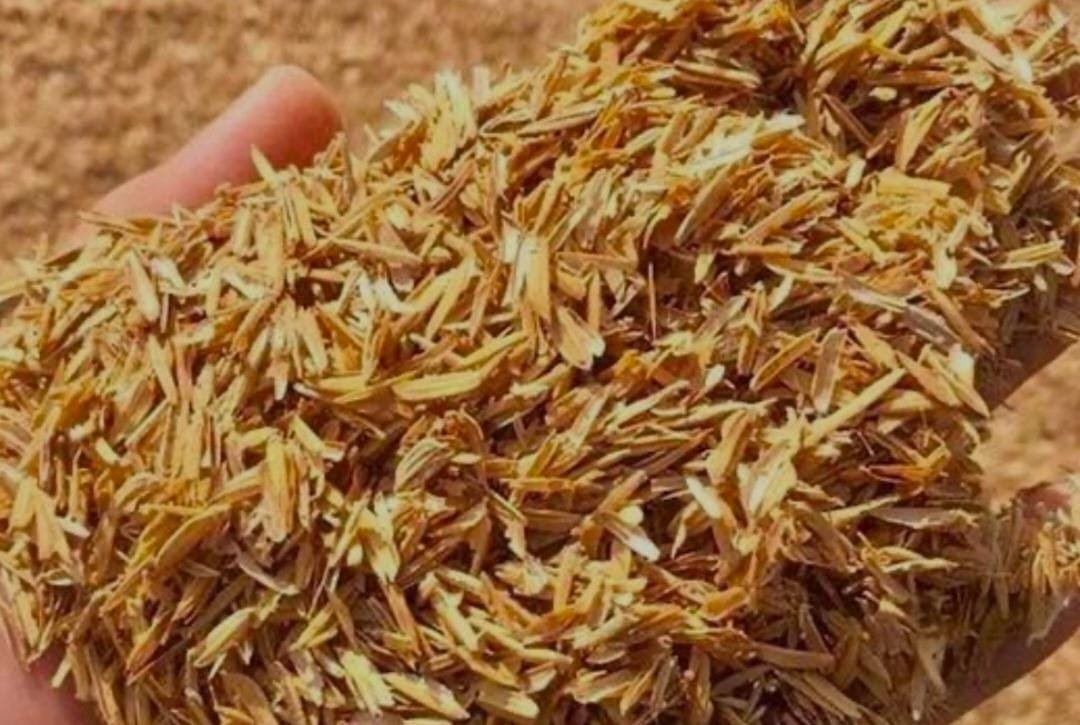
Ever wonder what turns humble rice husks into a high‑value industrial input? Rice Husk Ash (RHA) is the unsung hero of modern manufacturing, and PT Aji Bakuh Anugrah is at the forefront of delivering it from Gresik to global plants. In practice, RHA’s silica content can rival that of pure quartz, yet its cost is a fraction. From experience, customers often overlook the nuanced differences between Mid‑C, High‑C, and Pure White RHA, which can dramatically impact performance. Let’s explore why RHA is more than a waste by‑product.
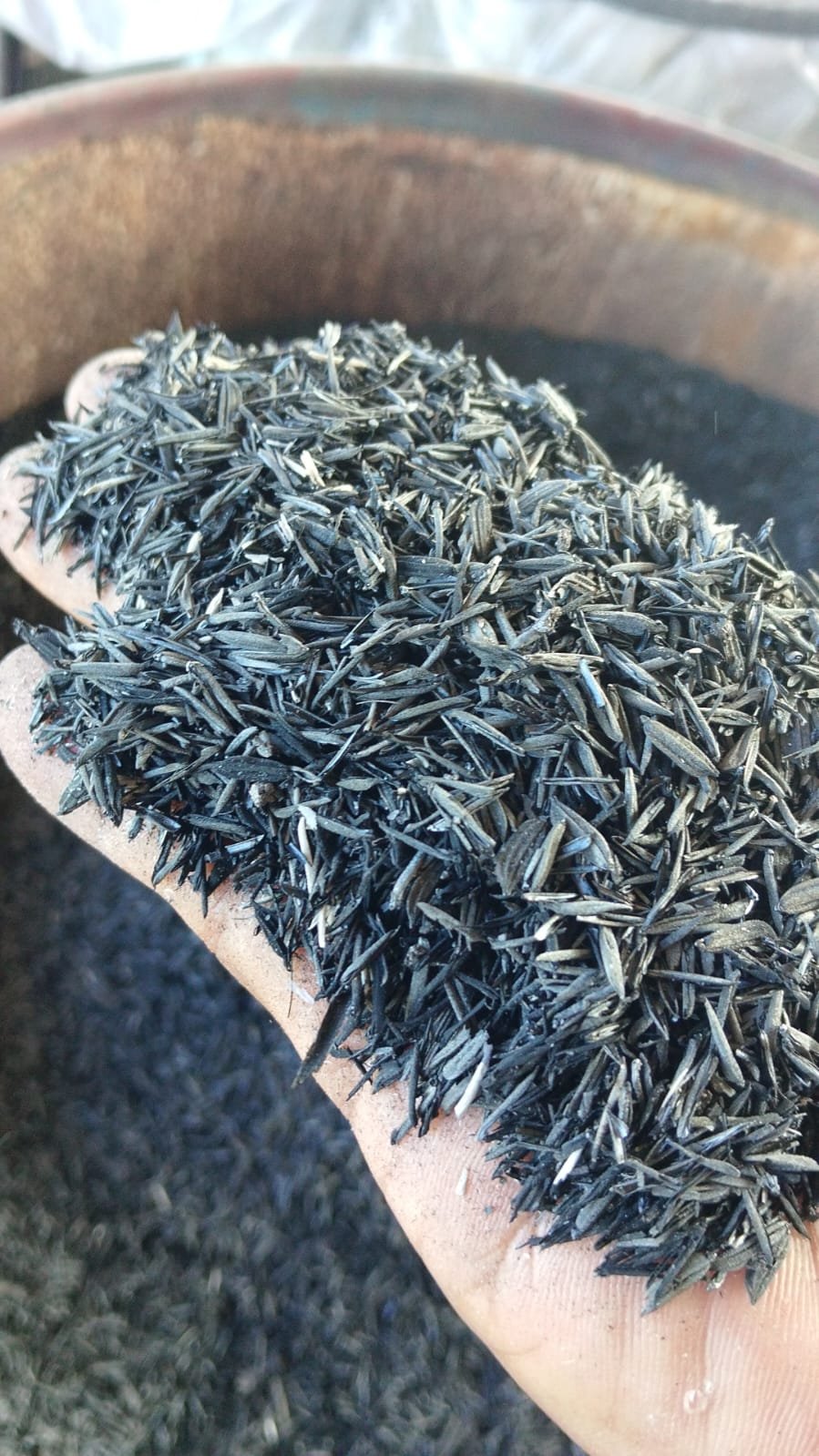
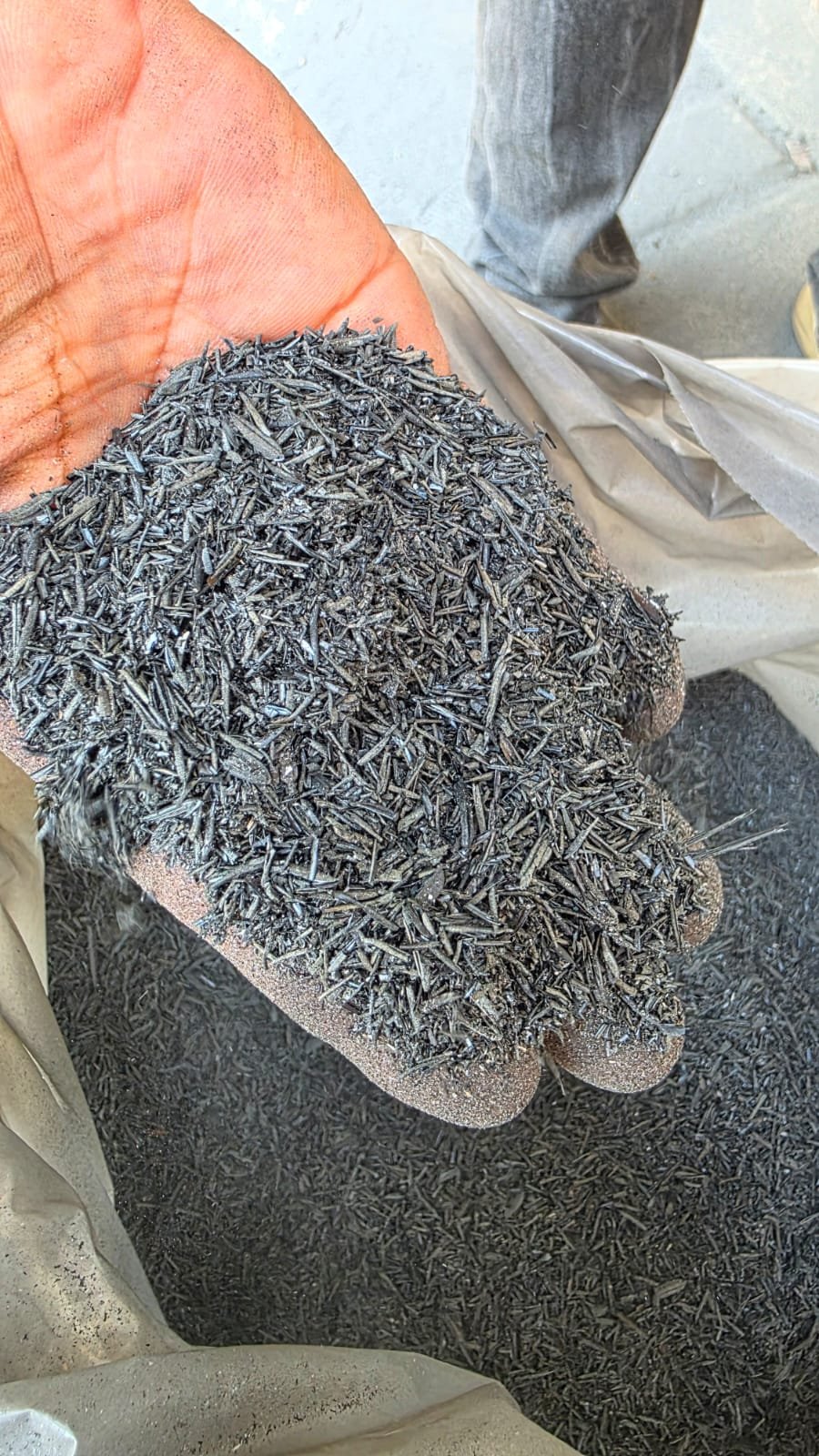
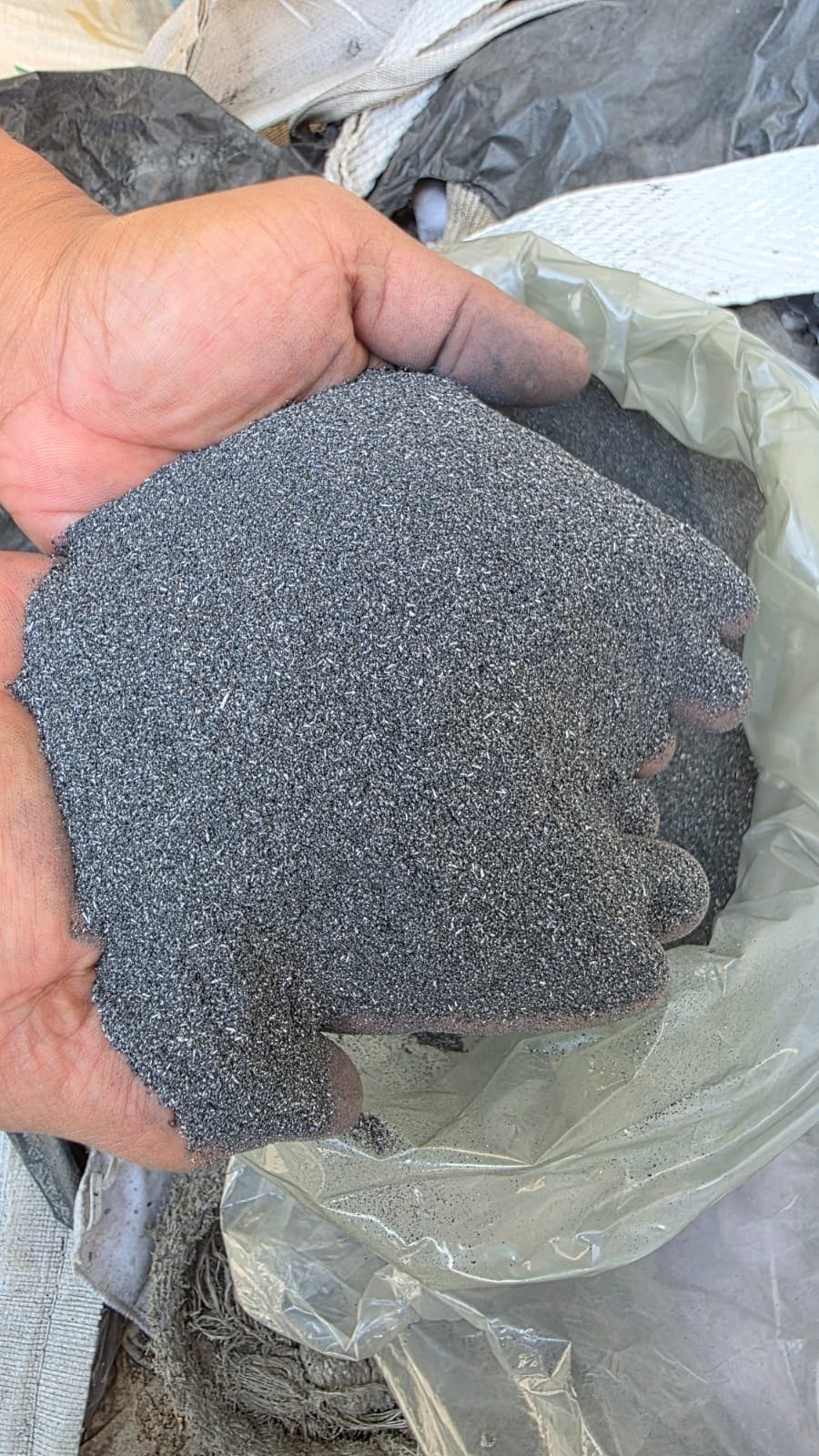
When comparing RHA to conventional silica sand or pure quartz, the cost advantage is immediately apparent—RHA is a by‑product of the rice milling process, making it significantly cheaper. In practice, the SiO₂ content of Mid‑C RHA can reach 80% or higher, rivaling industrial silica sources. What many buyers overlook is the presence of fixed carbon, which improves the material’s adhesion properties in cementitious mixes. From experience, the ash content of 84.3% in Mid‑C RHA also reduces the overall density, lowering transportation costs. Moreover, the natural porosity of RHA enhances water retention, giving it an edge in polymer composites.
Cement manufacturers use RHA as a partial replacement for clinker, cutting CO₂ emissions and improving setting times. In ceramics, RHA’s high silica content allows for lower firing temperatures, saving energy. Polymer composites benefit from RHA’s lightweight nature and excellent interfacial bonding, boosting mechanical strength. Catalysts can be supported on RHA to improve thermal stability and reduce fouling. Even in agriculture, the nutrient‑rich ash can serve as a soil amendment, enhancing fertility.
First, specify the required SiO₂ purity—Pure White RHA guarantees a minimum of 92% silica, while Mid‑C RHA offers 80%+. In practice, fixed carbon levels (34.8% in High‑C RHA) influence the material’s heat‑resistance. From experience, buyers should verify the moisture content is below 5% to avoid excess handling weight. Pricing is driven by particle size, bulk density, and transport distance; PT Aji’s logistics from Gresik to major ports keep costs competitive. Finally, ask for a Certificate of Analysis to confirm the lab results match the specification.
Rice husk ash is the product of burning rice husks, a waste stream that would otherwise be incinerated or left to decompose. In practice, the calorific value of the husk before combustion is 3105 kcal g⁻¹, making the ash a valuable energy source. What many buyers overlook is the environmental credit gained by diverting biomass ash from landfills. From experience, the use of RHA in cement reduces the need for limestone, decreasing CO₂ emissions by up to 20%. Additionally, the high silica content acts as a natural sealant, improving water‑tightness in concrete.
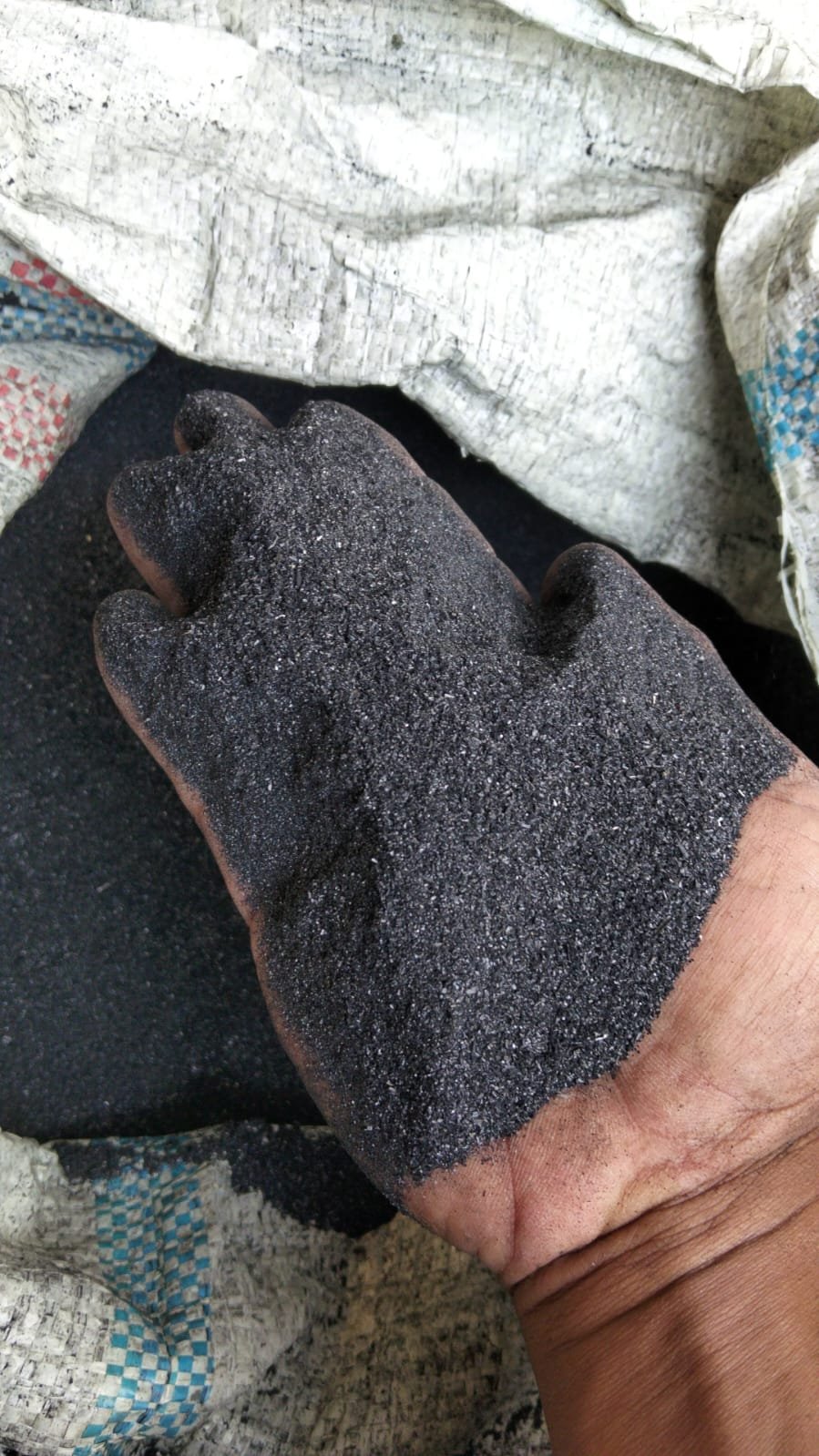
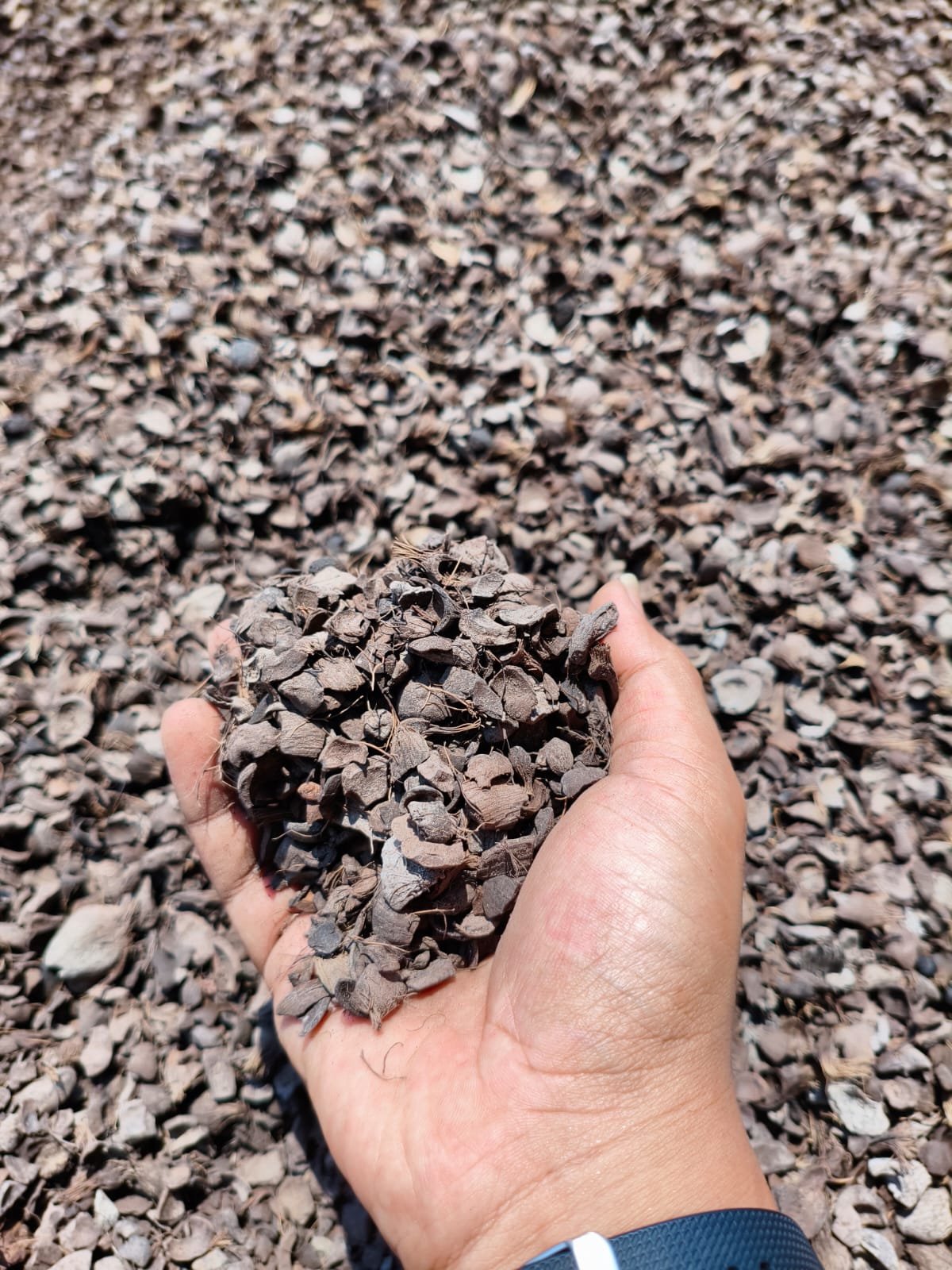
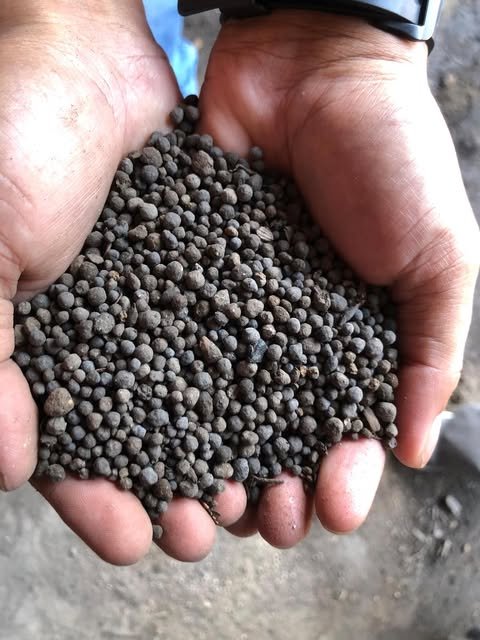
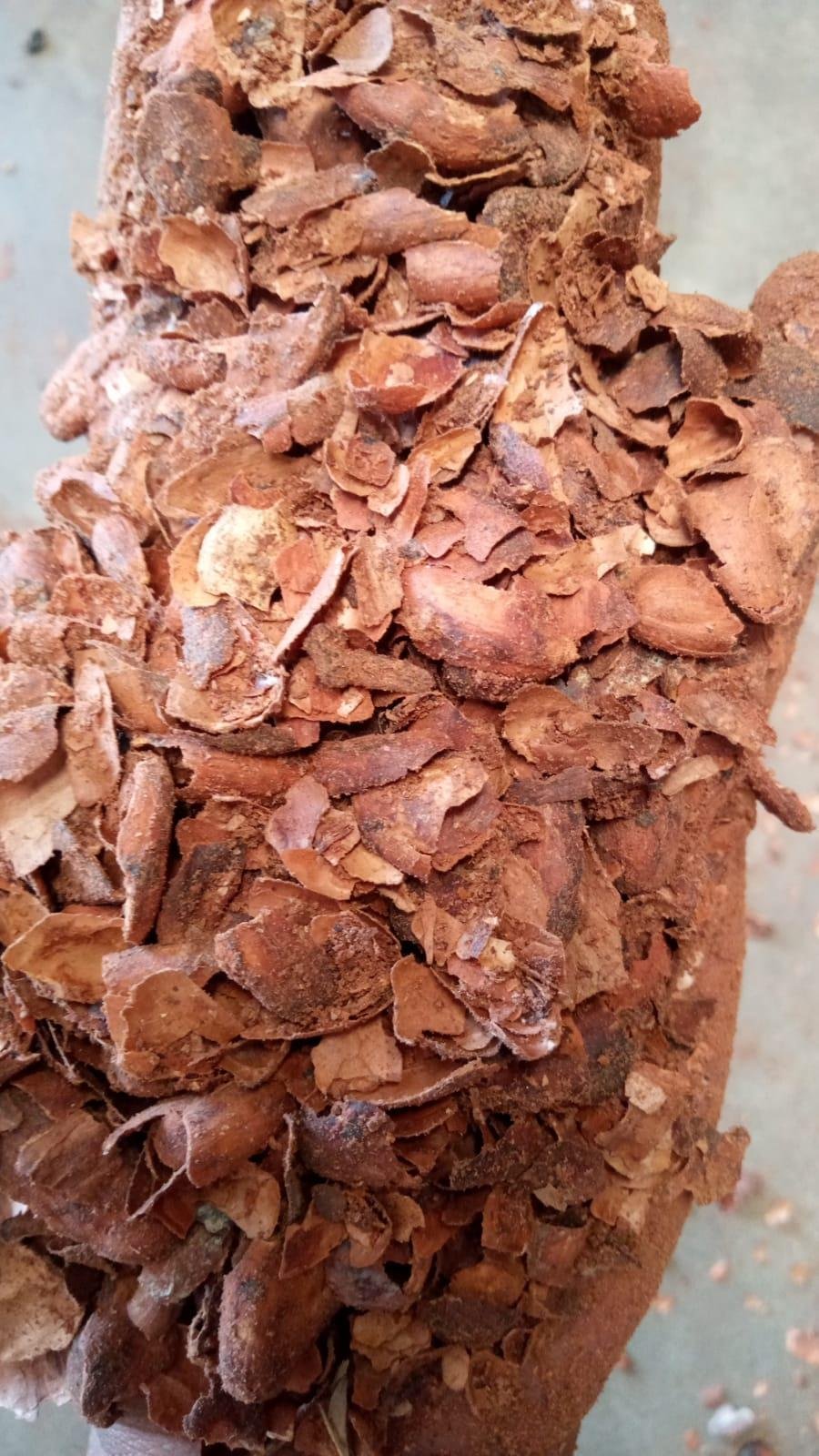
Mid‑C RHA sold by PT Aji has SiO₂ ≥ 80 %, fixed carbon 5–15 %, and ash 84.3 %. High‑C RHA boasts a fixed carbon of 34.8 % and SiO₂ 67.6 %. Pure White RHA guarantees a minimum SiO₂ of 92 % and negligible organic content. The palm kernel shell by‑product carries a GCV of 4603 kcal kg⁻¹, while the feed meal offers protein at 16.19 %. Particle size is controlled to ≤ 300 µm for optimal dispersion. All batches are certified by Indonesian ASTM standards.
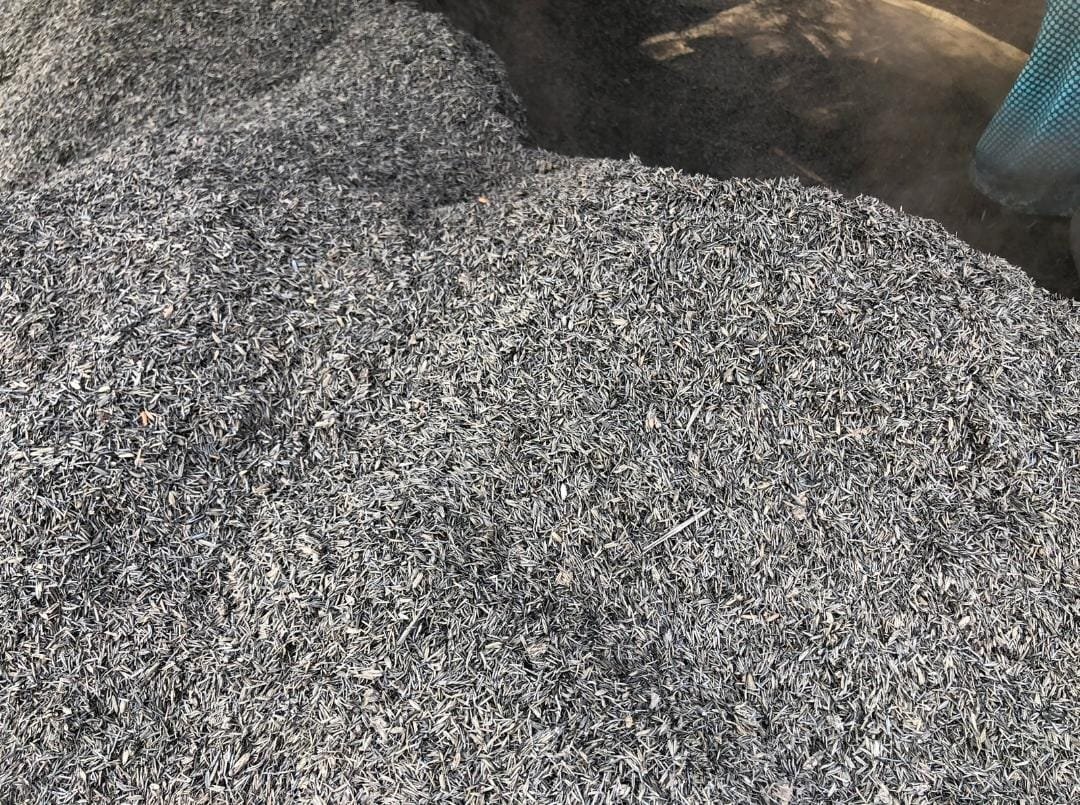
Rice Husk Ash is essentially the inorganic residue left after the combustion of rice husks in a controlled environment. In practice, it behaves like a natural silica filler, with the added benefit of a low carbon footprint. From experience, the ash can be directly mixed into concrete or processed into fine powders for ceramics. What many buyers overlook is its dual role as both a functional additive and a renewable resource. In the field, RHA has been successfully integrated into 20 % cement replacement rates without compromising strength.
PT ABA Help Desk