PT Aji Bakuh Anugrah — Gresik, East Java, Indonesia
03 Oct 2026 · PT Aji Bakuh Anugrah
Looking for the best RHA in Asia? The market is crowded, but the quality and service of a local supplier can make all the difference. PT Aji Bakuh Anugrah, based in Gresik, East Java, offers a range of RHA grades that meet both industrial and environmental standards. Their products are sourced from local rice mills, ensuring freshness and traceability. In practice, customers see faster delivery and more responsive support compared to overseas competitors.
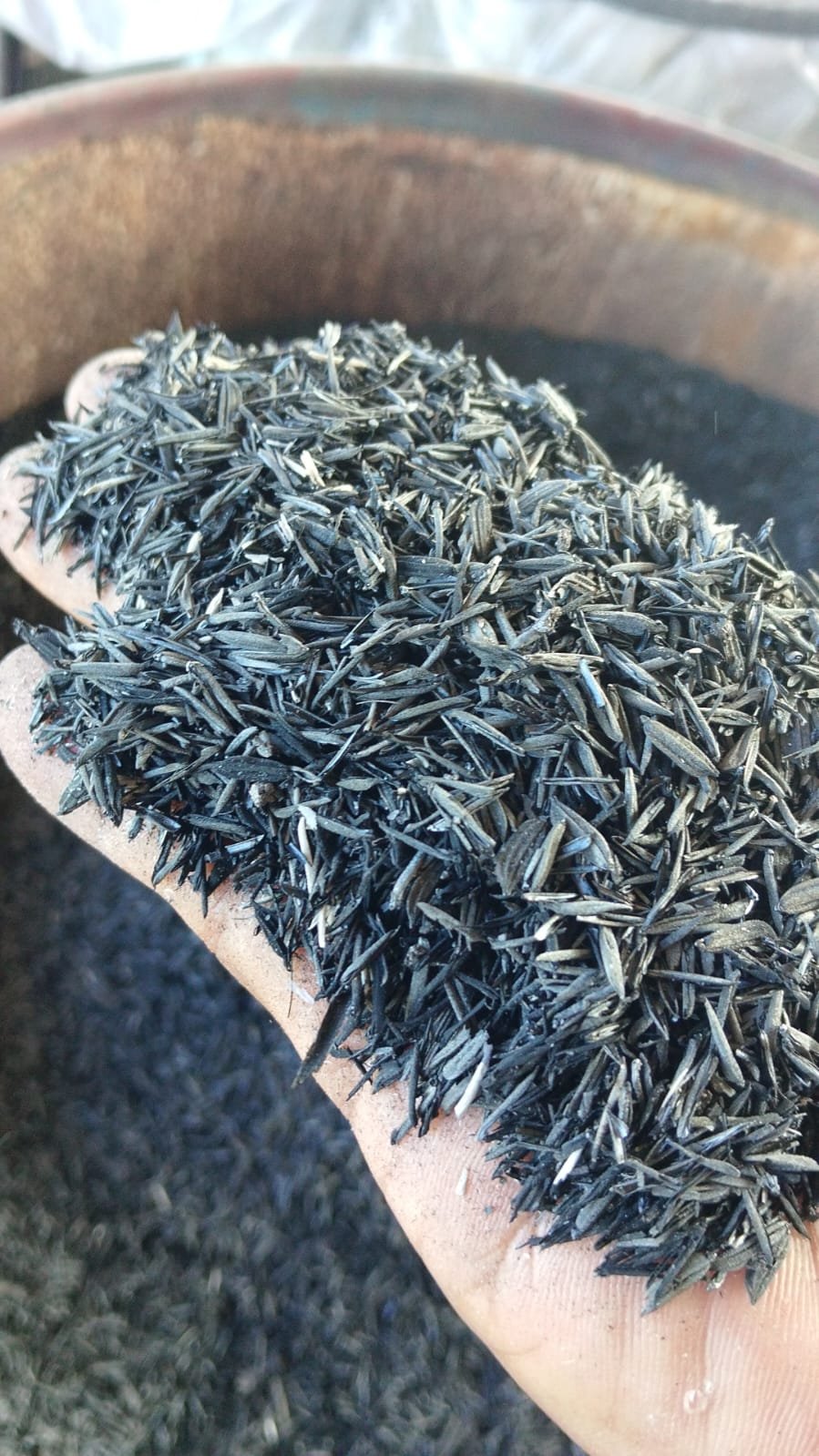
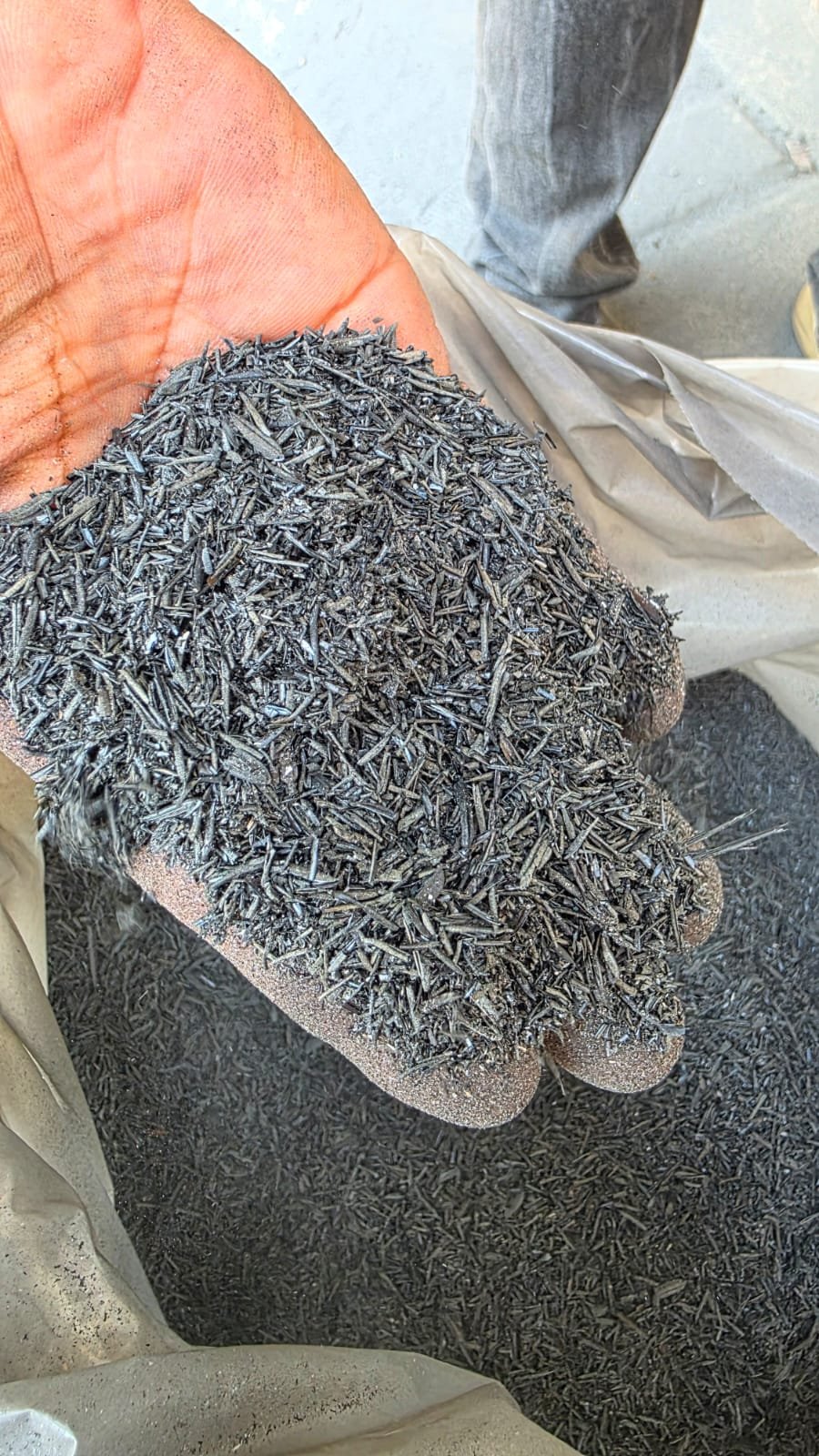
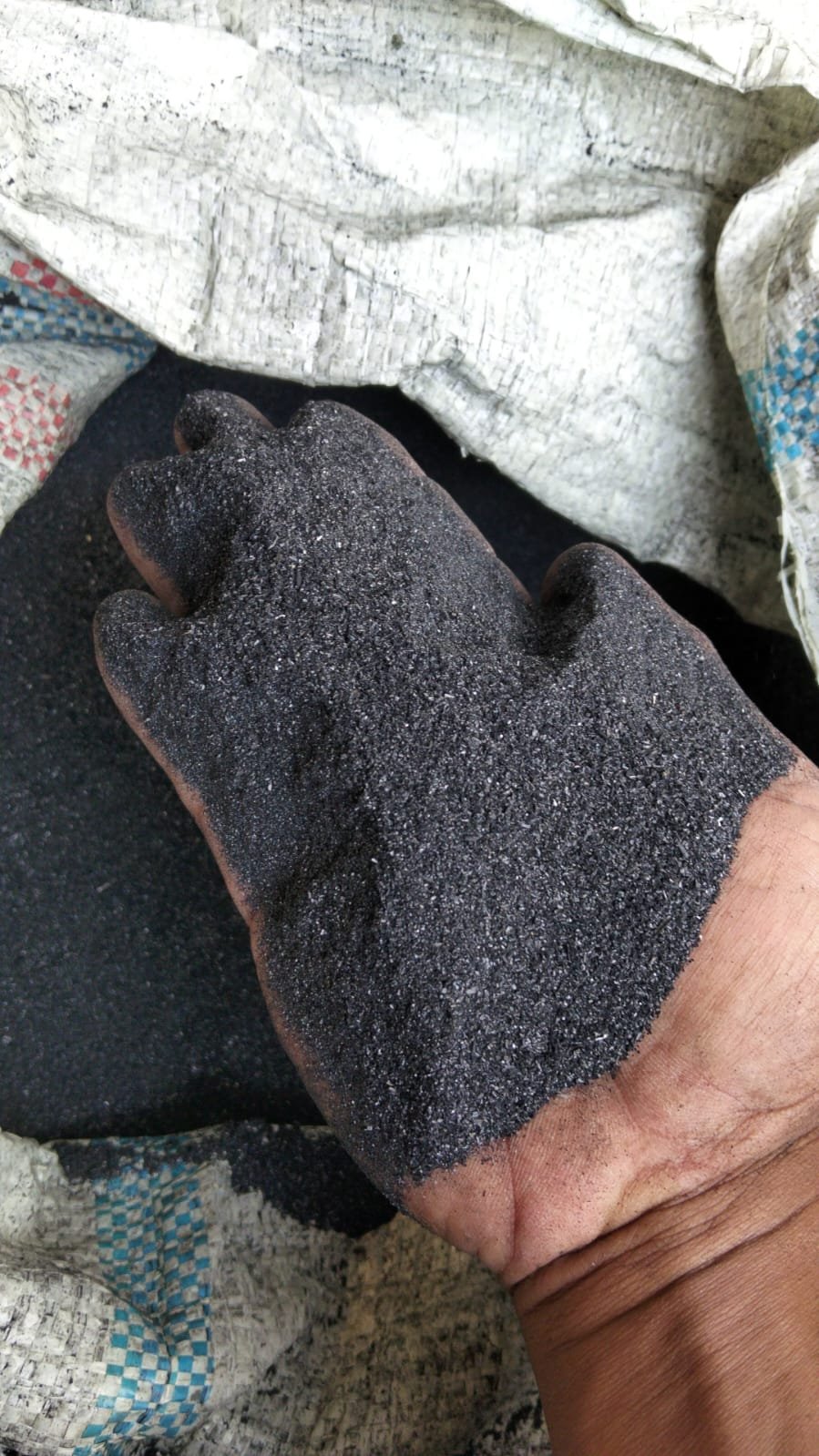
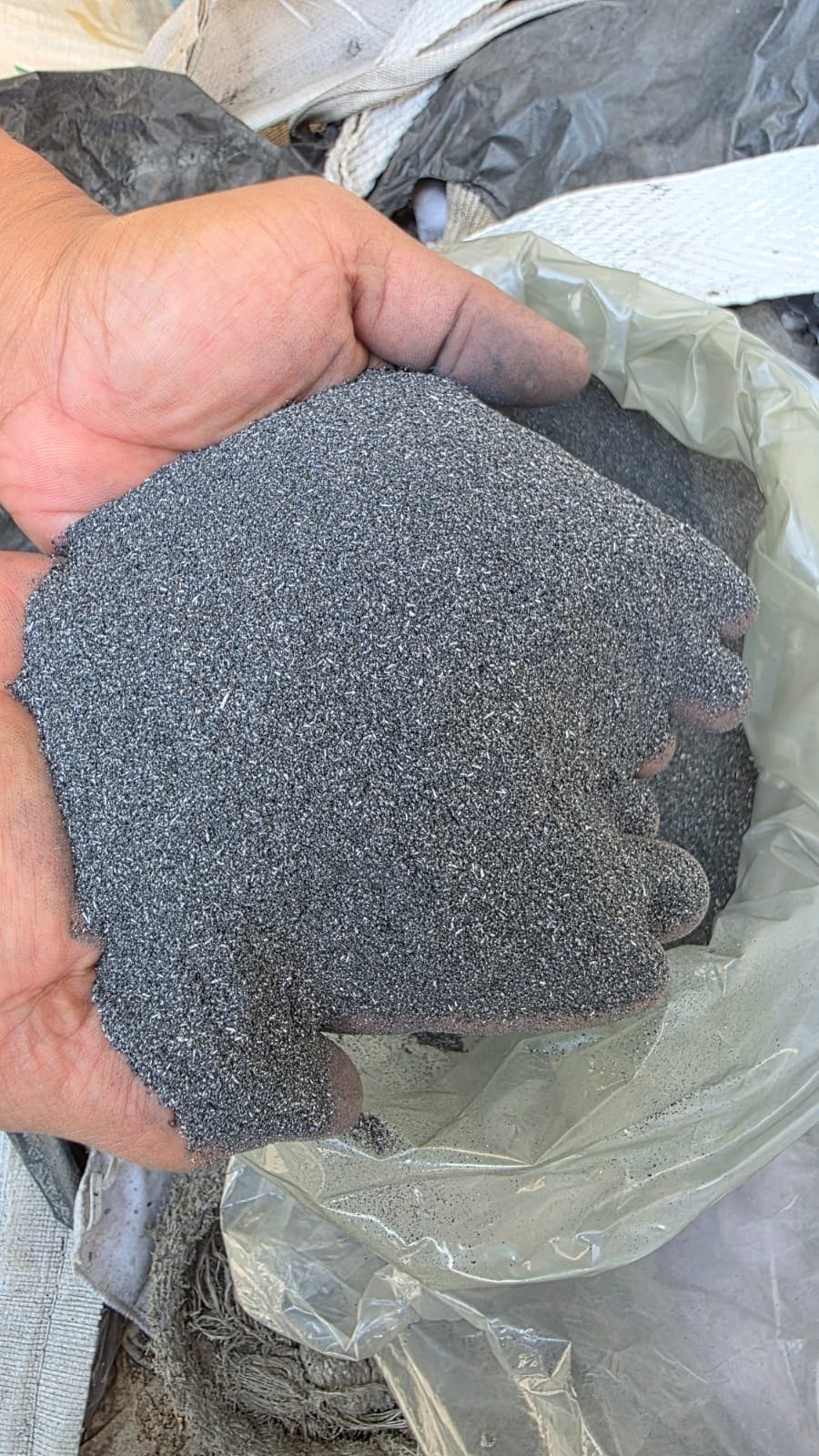
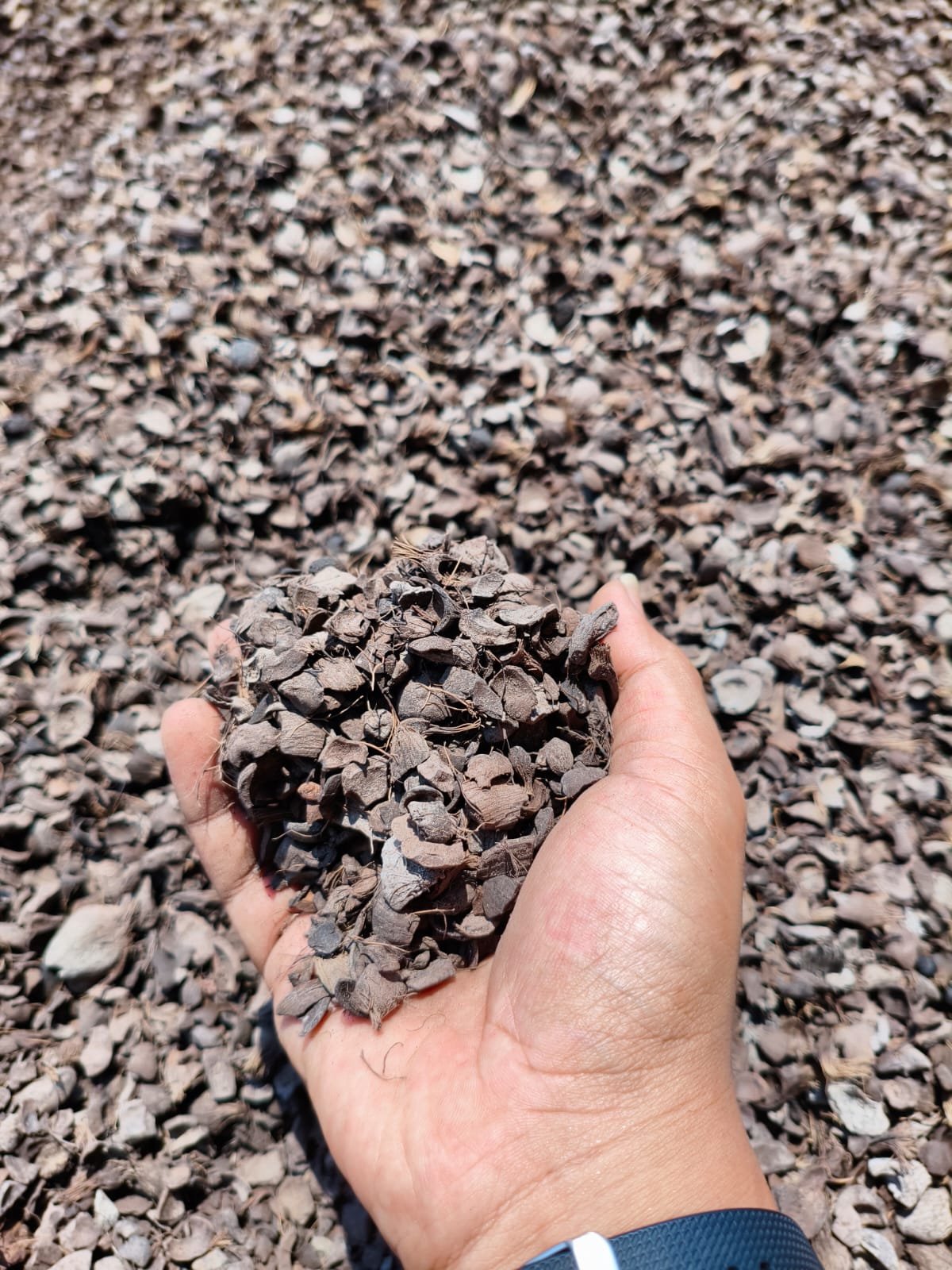
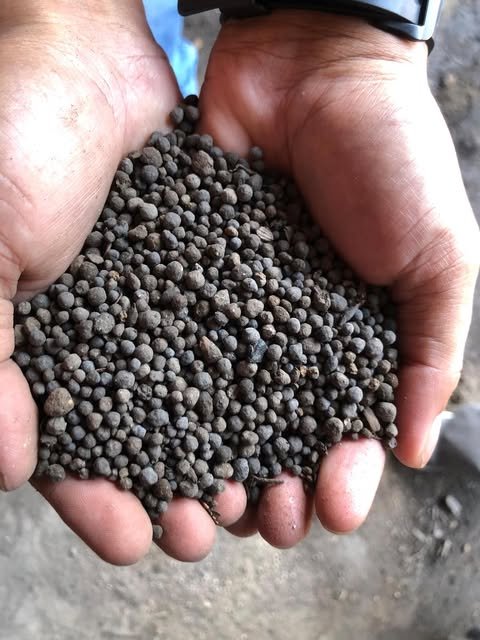
Rice husk ash is a versatile material used in cement, concrete, and refractory manufacturing. In practice, Mid C RHA with SiO2 min 80% and ash 84.3% is prized for high-strength concrete. High C RHA, containing 34.8% fixed carbon and 67.6% SiO2, excels in thermal insulation panels. Pure White RHA, with SiO2 min 92%, is ideal for advanced composites and ceramics. What many buyers overlook is the use of Palm Kernel Shell GCV 4603 kcal/kg as a supplementary fuel in RHA-fired kilns, boosting energy efficiency. From experience, combining RHA with Feed Meal protein 16.19% enhances biorefinery processes, producing valuable bio-oil.
PT Aji Bakuh Anugrah's Rice Husk Natural RHA delivers 3105 kal/g energy and 14.5% SiO2, making it perfect for low-temperature applications. Mid C RHA offers 5-15% carbon and 84.3% ash, ensuring a stable combustion profile. High C RHA’s 34.8% fixed carbon and 67.6% SiO2 provide superior thermal conductivity. Pure White RHA’s SiO2 content exceeding 92% guarantees minimal impurities. The company adheres to ISO 9001:2015, providing certificates for each batch and a robust quality management system.
Compared to fly ash, RHA has higher SiO2 and lower sulfates, reducing alkali-silica reaction risk in concrete. Unlike synthetic silica, natural RHA is renewable and cost-effective. What many buyers overlook is the lower shipping weight of RHA, cutting logistics costs. In practice, the fixed carbon in High C RHA offers better heat retention than coal, making it a preferred choice for thermal bricks. From experience, the superior pozzolanic activity of Pure White RHA translates to faster strength gains in cementitious mixes.
Rice husk ash is a by-product of rice milling, turning waste into a valuable resource. Using RHA reduces landfill volumes and lowers CO2 emissions by up to 30% compared to traditional additives. In practice, the high silica content allows for lower cement usage, further cutting the carbon footprint of construction projects. What many buyers overlook is that the production of RHA consumes less water than conventional silica extraction, supporting water conservation efforts. PT Aji Bakuh Anugrah’s commitment to sustainable sourcing ensures traceable, eco-friendly supply chains.
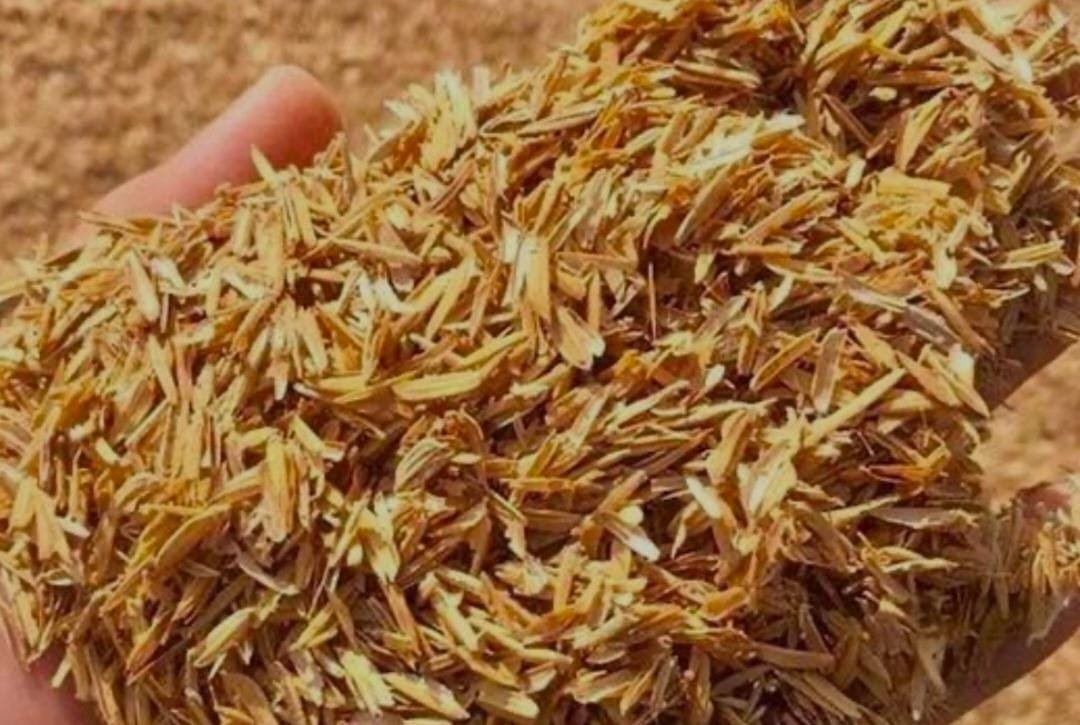
Rice husk ash is the fine, silica-rich residue left after burning rice husks at controlled temperatures. In industrial settings, it acts as a pozzolanic additive, enhancing durability and strength. From experience, the ash’s particle size distribution (~50 microns) allows for easy incorporation into cement blends. What many buyers overlook is the variability in ash composition depending on the husk source, making certified specs crucial. PT Aji Bakuh Anugrah offers a catalog of RHA grades, each tailored to specific end-uses across Asia.
When selecting RHA, consider SiO2 content, carbon level, and ash percentage, as these parameters dictate performance. In practice, ask for batch certificates and laboratory test results. What many buyers overlook is the impact of shipping logistics; local suppliers like PT Aji Bakuh Anugrah reduce transport costs significantly. From experience, volume discounts become available after 10,000 kg orders, and lead times are typically 7-10 days. Pricing is also affected by moisture content—dry ash commands a premium, so ensure proper storage conditions.
PT ABA Help Desk